Monday, October 26, 2026
Home Blog Page 8

President Droupadi Murmu Announces Major Reshuffle in Governor Appointments Across India

0

The President of India, Droupadi Murmu, recently announced a significant reshuffle in the appointment of governors across several Indian states. This move underscores the central government’s strategy to strengthen governance and address pressing regional challenges. This article explores the history of the governorship in India, the present appointments, and their implications.

The Institution of Governorship: A Historical Perspective

Origins and Evolution

The office of the governor in India traces its roots back to British colonial rule. Under the Government of India Act of 1935, governors were established as representatives of the British Crown, wielding considerable powers in the provinces. Post-independence, the role was retained but transformed under the Indian Constitution to suit the needs of a democratic republic.

Role and Powers

The governor serves as the constitutional head of a state, with their duties largely defined by Articles 153 to 162 of the Indian Constitution. Appointed by the President of India, governors act on the advice of the state’s council of ministers. Their primary functions include:

  • Summoning and dissolving the state legislature.
  • Reserving certain bills for the President’s consideration.
  • Overseeing the implementation of central directives.
  • Acting as a liaison between the central and state governments.

While the role is largely ceremonial, governors can exercise discretionary powers during periods of political instability or constitutional crises.

Controversies and Criticisms

Over the years, the role of governors has been scrutinized for alleged partisanship. Critics argue that governors, often seen as representatives of the central government, may influence state politics, particularly in opposition-ruled states. The Sarkaria Commission (1988) and the Punchhi Commission (2010) recommended reforms to ensure the neutrality of governors, but concerns persist.

The Present Reshuffle: Key Appointments and Their Context

On December 26, 2024, President Droupadi Murmu announced new appointments and reassignments for governors in several states. These changes aim to address governance challenges and strengthen administrative oversight. Here are the details of the appointments:

1. Ajay Kumar Bhalla – Governor of Manipur

Ajay Kumar Bhalla, a former Union Home Secretary, has been appointed as the Governor of Manipur. His tenure in the Home Ministry involved managing internal security and governance, making him a suitable choice for Manipur, a state grappling with ethnic violence and unrest since May 2023. Bhalla’s priorities will likely include restoring peace and fostering dialogue among conflicting communities.

2. Arif Mohammed Khan – Governor of Bihar

Previously the Governor of Kerala, Arif Mohammed Khan has been reassigned to Bihar. Known for his outspoken views, Khan’s tenure in Kerala was marked by significant friction with the state government. His new role in Bihar comes at a time when the state faces governance and developmental challenges.

3. Hari Babu Kambhampati – Governor of Odisha

Hari Babu Kambhampati, the outgoing Governor of Mizoram, has been appointed as the Governor of Odisha. With his administrative experience and political acumen, Kambhampati is expected to focus on bolstering Odisha’s developmental initiatives.

4. General (Dr.) Vijay Kumar Singh – Governor of Mizoram

General (Dr.) Vijay Kumar Singh, a retired Chief of Army Staff and former Union Minister, has been appointed as the Governor of Mizoram. His military background positions him well to address security concerns and administrative challenges in the northeastern state.

5. Rajendra Vishwanath Arlekar – Governor of Kerala

Rajendra Vishwanath Arlekar, formerly the Governor of Bihar, has been reassigned to Kerala. Arlekar, a seasoned politician with experience in governance, will navigate the state’s dynamic political environment.

Implications of the Reshuffle

1. Strengthening Governance in Troubled States

This reshuffle reflects the central government’s strategy to bring experienced leaders to states facing significant challenges. For instance:

  • Manipur: Bhalla’s administrative expertise is expected to help address the ethnic tensions and violence in the state.
  • Mizoram: General Singh’s appointment underscores the emphasis on security and stability in the region.

2. Managing Political Dynamics

Governors often play a crucial role in maintaining a balance between the central and state governments. In opposition-ruled states like Kerala, the governor’s approach can significantly influence intergovernmental relations. Arif Mohammed Khan’s reassignment from Kerala to Bihar reflects the need to manage these dynamics carefully.

3. Enhancing Developmental Focus

States like Odisha are poised for accelerated development under the guidance of governors with a proven track record in administration. Hari Babu Kambhampati’s appointment aligns with the state’s aspirations for growth.

4. Addressing Public Expectations

The new appointments are expected to enhance governance, addressing public grievances and fostering trust in state institutions. Success in these roles will depend on the governors’ ability to balance constitutional responsibilities with the demands of their respective states.

Challenges Facing the New Governors

1. Navigating Political Tensions

Governors often face contentious relationships with state governments, especially in states led by opposition parties. Building constructive dialogue and avoiding public confrontations will be crucial.

2. Managing Crisis Situations

Governors in states like Manipur and Mizoram must address ongoing crises, including ethnic strife and security concerns. Effective crisis management will require sensitivity, decisiveness, and collaboration with local stakeholders.

3. Policy Implementation

Governors must ensure the smooth implementation of state and central policies while respecting the autonomy of state governments. This balance is particularly challenging in politically sensitive environments.

4. Building Public Confidence

The ability of new governors to address pressing issues such as unemployment, infrastructure development, and social welfare will shape public sentiment and trust in governance.

The Process of Governor Appointments in India

Constitutional Provisions

The appointment of governors is governed by Articles 153 to 162 of the Indian Constitution. Key criteria include:

  • The appointee must be a citizen of India.
  • They must be at least 35 years old.
  • They should not hold any office of profit.
  • They should not be a member of Parliament or a state legislature.

Selection Process

Governors are appointed by the President of India, typically based on the advice of the central government. While the Constitution provides no fixed term, governors usually serve for five years, unless removed or reassigned earlier.

Frequency of Appointments

Governor appointments occur as needed, often in response to political or administrative requirements. Significant reshuffles, like the current one, are less frequent but reflect the central government’s strategic priorities.

The Future of Governorship in India

The institution of governorship continues to evolve, reflecting the changing dynamics of Indian federalism. While governors remain pivotal in maintaining the constitutional balance between the center and states, their role is increasingly shaped by political and administrative imperatives.

The recent reshuffle in governor appointments underscores the central government’s focus on addressing state-specific challenges through strategic leadership. As the newly appointed governors assume office, their performance will be instrumental in shaping the political and administrative landscape of their states. From navigating crises to fostering development, the challenges are manifold, but so are the opportunities to make a lasting impact. This reshuffle not only highlights the significance of the governor’s role but also reaffirms the central government’s commitment to strengthening governance across the nation.


Atal Bihari Vajpayee Honored on 100th Birth Anniversary with Statue Unveiling in Lucknow

0

Lucknow, December 25, 2024 – On the occasion of the 100th birth anniversary of former Prime Minister Atal Bihari Vajpayee, Defence Minister Rajnath Singh and Uttar Pradesh Chief Minister Yogi Adityanath unveiled a grand statue at Kudiya Ghat in Lucknow. The event marked a significant tribute to the statesman and was part of statewide celebrations observing ‘Good Governance Day.’

Highlights of the Event

Rajnath Singh’s Tribute to Vajpayee
Defence Minister Rajnath Singh lauded Vajpayee’s transformative leadership, recalling his tenure as a period of remarkable economic and political progress for India. Singh emphasized that under Vajpayee’s premiership, India achieved an impressive growth rate of 8.4%, a milestone that positioned the country as an emerging global economic power.

Singh also noted Vajpayee’s visionary governance, highlighting policies that laid the foundation for modern infrastructure, technological advancements, and strengthened international relations. “Atalji’s contributions to India’s development and governance have left an indelible mark, inspiring leaders and citizens alike,” Singh said.

Yogi Adityanath on Vajpayee’s Vision
Chief Minister Yogi Adityanath described Vajpayee as a pioneer of good governance in India. He remarked that the foundation Vajpayee laid is being realized in the current government’s vision of creating a new India by 2047. “Atalji’s leadership was a blend of wisdom, compassion, and foresight, and his dream of a progressive, self-reliant India continues to guide us today,” Adityanath said.

Adityanath further emphasized the alignment of Vajpayee’s ideals with Prime Minister Narendra Modi’s governance model, particularly in simplifying governance structures and enhancing India’s global standing.

Exhibition Celebrating Vajpayee’s Legacy

In addition to the statue unveiling, an exhibition was inaugurated at the BJP state office in Lucknow, showcasing Vajpayee’s life, speeches, and contributions to Indian politics. The exhibition drew visitors from across the state, providing an opportunity to reflect on his impact on Indian democracy and governance.

Vajpayee’s Enduring Influence

The event underscored Vajpayee’s enduring legacy, which continues to inspire the nation’s leadership. Rajnath Singh highlighted Prime Minister Narendra Modi’s efforts to uphold Vajpayee’s principles of good governance, citing the repeal of obsolete laws, the promotion of ease of doing business, and the emphasis on citizen-centric development.

A Day of Reflection and Celebration

Observed as ‘Good Governance Day,’ December 25 saw various programs across Uttar Pradesh, celebrating Vajpayee’s legacy and reaffirming commitments to ethical governance and public welfare.

As the statue of Atal Bihari Vajpayee now stands tall at Kudiya Ghat, it serves as a lasting reminder of his leadership and vision for a united, progressive India. The celebrations offered a moment of reflection on his immense contributions and the path forward for fulfilling his aspirations for the nation.

AAP Calls for Congress’ Expulsion from INDIA Bloc Amid Rising Tensions

0

In a dramatic turn of events, the Aam Aadmi Party (AAP) has called for the removal of Congress from the INDIA bloc, a coalition of opposition parties formed to counter the BJP in upcoming elections. This demand comes in the wake of sharp criticisms by Congress leader Ajay Maken and a recent FIR filed against AAP chief Arvind Kejriwal, alleging fraud and forgery—a move that AAP has denounced as a betrayal of trust.

The Flashpoint

Ajay Maken’s public statements have become a focal point of this rift. Maken accused AAP of governance failures and claimed that Congress’ past alliances with the party contributed to its decline in Delhi. He labeled these alliances as a mistake and called for a course correction. For AAP, these remarks were not just criticism but a direct challenge to the coalition’s unity.

Adding fuel to the fire, Congress recently filed an FIR against Kejriwal, accusing him of forgery and fraud. AAP leaders view this as a calculated political attack and a clear breach of the cooperative spirit required within the INDIA bloc.

Kejriwal’s Stand

Arvind Kejriwal has reiterated AAP’s decision to contest the upcoming Delhi Assembly elections independently. He ruled out any possibility of an alliance with Congress, emphasizing that AAP will rely on its governance record to secure victory. The party has launched various welfare schemes, including health and education initiatives, which it hopes will resonate with voters.

Consultation with INDIA Bloc Members

AAP has announced plans to consult other members of the INDIA bloc about Congress’ alleged betrayal. This move suggests that AAP is testing the waters for support within the coalition, potentially leading to shifts in alliances ahead of the elections.

Implications for the INDIA Bloc

If Congress is expelled, the INDIA bloc could face serious challenges, including:

  • Vote Splitting: A fragmented opposition might inadvertently benefit the BJP in key electoral battles.
  • Loss of Leadership: Congress has played a central role in shaping the bloc’s strategies, and its absence could weaken coordination.
  • Tensions Among Regional Parties: Smaller parties in the bloc might vie for greater influence, leading to internal rivalries.

Impact on the Delhi Elections

The fallout between AAP and Congress is expected to significantly alter the electoral landscape in Delhi. Without an alliance, a three-cornered contest is likely, involving AAP, Congress, and BJP. This scenario could split the anti-BJP vote, potentially giving the ruling party an edge.

Meanwhile, Congress has been working to rebuild its voter base through initiatives like padyatras, while AAP is banking on its decade-long governance record. BJP, on the other hand, aims to capitalize on the opposition’s disunity.

Looking Ahead

The escalating tension between AAP and Congress has highlighted the fragile nature of opposition unity. As the INDIA bloc navigates this crisis, its ability to present a cohesive front against the BJP remains in question. AAP’s call for Congress’ expulsion marks a critical juncture for the coalition, with potential ramifications not just for Delhi but for national politics as well.

Alia Bhatt Celebrates White-Themed Christmas with Family and Friends

0

December 26, 2024: Bollywood star Alia Bhatt delighted fans by sharing enchanting glimpses of her Christmas celebrations with family and friends. The white-themed festivities, marked by warmth and love, were held on Christmas Eve at her mother Soni Razdan’s home and continued with the Kapoor family’s annual Christmas lunch.

Heartwarming Family Moments

Alia’s Instagram post featured a series of heartwarming snapshots that captured the festive spirit. In one standout photo, her husband Ranbir Kapoor is seen holding their daughter Raha, who looked adorable in a red Christmas sweater. Alia herself looked radiant in a white dress, adorned with a festive Christmas tree headband.

The pictures reflected a close-knit family celebration, with Alia’s mother Soni Razdan, sister Shaheen Bhatt, and mother-in-law Neetu Kapoor also joining in the festivities.

Magical Decorations

The festive mood was enhanced by a beautifully decorated Christmas tree that served as a backdrop for many photos. Alia shared close-ups of personalized baubles on the tree, each featuring family members’ names, adding a sentimental touch to the décor.

Culinary Delights

A relatable and endearing moment was captured as Alia savored the aroma of her mother’s cooking. Though the exact dishes remain a mystery, fans speculated that Soni Razdan prepared a hearty Christmas feast, reflecting the joy and nostalgia of family traditions.

Fashion Highlights

Alia’s style for the occasion did not go unnoticed. She wore an elegant white dress with pearl earrings for Christmas Eve, perfectly matching the white-themed celebration. For the Kapoor family lunch the following day, she opted for a vibrant red dress, embodying the holiday cheer.

A Message of Love and Gratitude

In her Instagram caption, Alia captured the essence of the holiday season, writing, “Under the twinkling lights, surrounded by love… this is what Christmas feels like.” The post resonated with fans, garnering thousands of likes and comments appreciating the star’s candid moments with her family.

Fans React

Fans flooded the comments with warm wishes and praise for the family’s celebration. Many admired the personalized baubles and Alia’s festive looks, while others related to her joy in relishing homemade food.

This Christmas, Alia Bhatt’s celebration stood out as a beautiful blend of tradition, family, and festive cheer, making it a memorable event for her and her loved ones.

India’s Enforcement Directorate Probes Canadian Colleges in Human Trafficking and Money Laundering Scandal

0

New Delhi, December 2024: The Enforcement Directorate (ED) of India has launched a major investigation into the alleged involvement of more than 260 Canadian colleges in a human trafficking and money laundering operation. The scheme is believed to have enabled the illegal migration of thousands of Indian nationals to the United States under the guise of student visas.

Tragic Beginning

The probe stems from the January 2022 death of a four-member Indian family from Gujarat, who froze to death while attempting to cross the Canada-US border. The tragedy exposed a network exploiting educational pathways to facilitate illegal immigration, prompting authorities to act.

Key Findings of the Investigation

How the Scheme Operated

The ED’s investigation revealed that individuals were charged between ₹55 lakh and ₹60 lakh (approximately $66,000 to $72,000) to secure admission into Canadian colleges. Once they arrived in Canada on student visas, many were smuggled across the US border instead of attending classes.
In many cases, tuition fees paid to these colleges were refunded to the students’ accounts after their arrival, suggesting collusion between the institutions and trafficking agents.

Widespread Network

The operation reportedly facilitated the migration of around 35,000 Indian students annually. Two entities, based in Mumbai and Nagpur, referred 25,000 and 10,000 students, respectively, to Canadian colleges. A vast network of agents—1,700 in Gujarat and 3,500 across India, with 800 still active—helped orchestrate the process.

Colleges Under Scrutiny

Among the 260 institutions under investigation, 112 colleges are linked to the Mumbai-based entity and over 150 to the Nagpur-based group. Many of these colleges are located near the Canada-US border, raising suspicions of their role in facilitating illegal crossings.

Recent Enforcement Actions

In December 2024, the ED conducted raids across eight locations, including Mumbai and Nagpur, seizing incriminating documents and freezing bank accounts amounting to ₹19 lakh (approximately $23,000). The operation marks a significant step in uncovering the broader network.

Broader Implications

This investigation places Canadian educational institutions under intense scrutiny, raising questions about their admission practices and oversight of international student programs. The revelations also pose challenges to India-Canada diplomatic ties, as both nations face pressure to address human trafficking concerns.

Unanswered Questions

  • How deeply are Canadian colleges implicated in the trafficking network?
  • What measures will be taken against these institutions?
  • How many students were victims of this racket, and what support can they expect?
  • What role did Indian agents play, and how will they be held accountable?
  • Are there specific Canadian colleges more heavily involved in the scheme?

The ED’s findings underscore the urgent need for stricter regulations and international cooperation to combat human trafficking networks that exploit vulnerable individuals through education and migration pathways.

Deepika Padukone Dazzles in Vibrant Maxi Dress as She Introduces Daughter Dua to the Paparazzi

0

Mumbai, December 24: Bollywood icon Deepika Padukone made headlines yet again, not just for her impeccable style but for a momentous family reveal. The actress introduced her daughter, Dua, to the paparazzi during a recent outing, leaving fans and shutterbugs alike in awe.

Deepika, known for her sartorial elegance, donned a vibrant maxi dress that perfectly complemented her radiant personality. The outfit, a mix of bold prints and flowing fabric, showcased her effortless ability to blend comfort with high fashion. Paired with minimal accessories and a chic hairstyle, the look has already sparked fashion discussions across social media.

The Grand Reveal

Deepika and her husband, actor Ranveer Singh, have always been private about their personal lives, especially concerning their daughter. However, this public introduction of Dua marked a rare and delightful moment. The little one, dressed in an adorable pastel ensemble, stole the spotlight alongside her glamorous mother.

As the duo stepped out, the paparazzi couldn’t contain their excitement, capturing every angle of the heartwarming moment. Fans flooded social media with messages of admiration, celebrating the star family’s first public appearance together.

Fashion Meets Family

Deepika’s maxi dress, reportedly designed by a renowned Indian designer, has already become the talk of fashion circles. The bold choice of colors and relaxed silhouette reflects her evolving style, combining motherhood with her role as a global style icon.

Fashion critics have praised the actress for setting an example of effortless yet statement-worthy dressing. “Deepika never misses the mark, and this outing was no exception,” said a leading fashion editor.

Fans React

Social media erupted with reactions to the photos and videos of Deepika and Dua. Fans admired the actress for sharing a glimpse of her personal life while maintaining her grace and poise. “Deepika’s elegance is unmatched, and Dua is already a star in the making,” commented one fan on Instagram.

A Rare Moment of Intimacy

Known for her grounded demeanor, Deepika’s choice to step out with Dua has resonated deeply with fans. The actress has often spoken about maintaining a balance between her career and family life, and this moment seemed to embody that balance.

Looking Ahead

While the paparazzi were thrilled with this surprise appearance, fans are already speculating about what’s next for Deepika, both professionally and personally. With multiple film projects lined up and now a growing family, the actress continues to be a source of inspiration for millions.

As for the little star Dua, her debut has undoubtedly marked her as one of the most talked-about celebrity kids in recent times.

Manu Bhaker Expresses Disappointment Over Khel Ratna Snub

0

New Delhi, December 24: Indian shooting prodigy Manu Bhaker has expressed deep disappointment after being overlooked for the prestigious Khel Ratna Award this year. The 22-year-old Olympian, who has brought numerous laurels to the country in international shooting competitions, voiced her feelings on social media, stating, “I shouldn’t have gone to the Olympics and won medals for the country.”

The statement has sparked widespread reactions, with fans and sports enthusiasts debating the criteria for India’s highest sporting honor. Manu’s contributions to Indian sports have been extraordinary, including a series of gold medals at events like the ISSF World Cup and the Commonwealth Games. Despite her stellar performances, the young shooter feels her efforts have not been adequately recognized.

Manu’s Stellar Career

Manu Bhaker burst onto the international stage as a teenager, quickly becoming a sensation in shooting. Known for her calm demeanor and precision, she has consistently performed under pressure, earning medals across global platforms. Her achievements include numerous podium finishes in 10m air pistol and 25m sports pistol events, making her one of India’s most decorated shooters at a young age.

The Khel Ratna Controversy

The Khel Ratna Award, now renamed the Major Dhyan Chand Khel Ratna, is awarded annually to sportspersons for their exceptional contributions. However, its selection process often faces scrutiny, with several athletes feeling overlooked despite their accomplishments. Bhaker’s exclusion this year has reignited conversations about transparency and fairness in the selection process.

Reactions Pour In

Fans, fellow athletes, and sports analysts have expressed solidarity with Bhaker. Some have called for reforms in the award selection process to ensure that deserving athletes are recognized without bias. “Manu has given her all for the country. It’s disheartening to see such talent being ignored,” tweeted one fan.

Several prominent figures in the sports fraternity have also come forward to support Bhaker. They emphasized the need to value athletes’ sacrifices and achievements to motivate them to strive for excellence.

Manu Bhaker’s Perspective

While Bhaker’s statement reflects her frustration, it also sheds light on the emotional toll that such decisions take on athletes. “Recognition matters,” said a close source to the shooter. “It’s not just about the award but the acknowledgment of years of hard work and dedication.”

Looking Ahead

Despite the setback, Bhaker’s focus remains on upcoming competitions, where she aims to continue her winning streak and keep the Indian flag flying high. However, the incident has left a significant mark, raising questions about how India values its sporting heroes.

The Sports Ministry has not yet commented on the matter, but the growing public discourse could prompt a review of the award criteria in the future.

India Responds to Bangladesh’s ‘Note Verbale’ Request for Sheikh Hasina’s Extradition

0
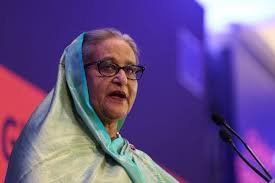
  1. New Delhi, December 24, 2024 In a significant diplomatic development, India has officially responded to Bangladesh’s recent ‘note verbale’ seeking the extradition of Prime Minister Sheikh Hasina. The response, issued by the Indian Ministry of External Affairs (MEA), clarifies India’s position on the matter, stating that “at this time, the request cannot be processed due to existing legal and procedural constraints.”

Bangladesh had submitted the ‘note verbale’ to India in early December, urging the Indian government to facilitate the extradition of Prime Minister Hasina in connection with alleged corruption and criminal activities linked to the 2018 elections. The note verbale, a formal diplomatic communication, marked the latest chapter in the ongoing tensions between the two South Asian neighbors over Hasina’s leadership and governance.

The MEA response, issued on Monday, noted that India and Bangladesh maintain strong bilateral relations, but reiterated that “extradition requests are subject to mutual treaties and legal frameworks.” The statement highlighted that while both countries have agreements for the extradition of criminals under certain conditions, the request concerning Hasina did not meet the established criteria.

In its response, India emphasized that the matter requires careful legal consideration, and that the process cannot be expedited without a thorough review of all relevant facts and adherence to national and international law. The statement further underlined that India’s commitment to its strategic partnership with Bangladesh remains unaffected, and that the two countries would continue their cooperation on a range of issues including security, trade, and regional stability.

Context Behind the Request

The request for Sheikh Hasina’s extradition follows accusations in Bangladesh that she had been involved in irregularities during the 2018 national elections, which were marred by allegations of voter suppression and widespread violence. Critics argue that her administration’s crackdown on opposition parties and political dissent has undermined the democratic process. Some of these critics, including opposition leaders in Bangladesh, have been vocal about their calls for Hasina to face charges.

However, the request has been widely seen as politically motivated, with many analysts suggesting that it is part of a broader strategy by opposition factions in Bangladesh to destabilize Hasina’s long-standing rule. Critics of the current Bangladeshi government argue that the extradition request serves as a convenient tool to challenge Hasina’s authority, but has little legal merit when examined through the lens of international law.

India’s Position

India has long maintained a delicate balancing act in its relations with Bangladesh, supporting the country’s development while carefully navigating domestic political sensitivities. The Indian government, led by Prime Minister Narendra Modi, has expressed solidarity with Hasina’s administration in the past, particularly during the 2015 Rohingya refugee crisis, when Bangladesh took in hundreds of thousands of refugees fleeing violence in Myanmar.

Experts argue that India’s response to the extradition request could signal its continued support for Hasina, despite challenges from both domestic and international critics. India has also been cautious in dealing with extradition requests involving high-ranking political figures, often citing the need for a clear legal basis for such actions.

While the extradition request may not result in any immediate legal action, it underscores the growing friction between the ruling Awami League party and its political opponents, as well as the complexities of international diplomacy in the region.

Looking Ahead

As both countries move forward, the diplomatic channels remain open, with discussions expected to continue on various fronts. Indian officials have reiterated the importance of maintaining a stable and constructive relationship with Bangladesh, which remains a critical partner for India in regional security and economic initiatives.

The response to Bangladesh’s ‘note verbale’ is expected to further shape the trajectory of India-Bangladesh relations in the coming months, as both nations navigate the challenges of geopolitics, domestic political dynamics, and regional cooperation.

The situation is being closely watched by observers, with a focus on whether Bangladesh will pursue further diplomatic avenues or seek alternative means to challenge the legal standing of Prime Minister Sheikh Hasina.

Quantum Satellites: Transforming Secure Communication Technology

0

 Quantum satellites represent an exciting leap forward in secure communication technology, harnessing the fascinating principles of quantum mechanics to revolutionise data transmission security. By tapping into the unique phenomena of the quantum realm, these satellites are set to reshape encryption methods, ensuring that our communications remain safe even in an era of increasing computational power. Join us on an inspiring journey as we explore quantum satellites, their remarkable features, applications, and the challenges they are working to overcome.

Understanding Quantum Satellites

At their core, quantum satellites are advanced communication satellites that utilise the principles of quantum physics to safeguard their signals. Their mission is twofold: Boosting Signal Security: By applying the principles of quantum mechanics, these satellites provide robust protection against the potential threats posed by quantum computing.

Enabling Quantum Key Distribution (QKD): They facilitate unbreakable encryption through QKD, allowing for the secure transmission of encryption keys while simultaneously detecting any attempts at eavesdropping.

 Quantum satellites harness a variety of unique quantum phenomena, including:

  1. Quantum Entanglement:   – This fascinating phenomenon connects particles, such as photons, instantaneously, allowing the state of one particle to influence another, no matter the distance between them. This principle is key to establishing secure communication channels that span great distances.
  1. Quantum Measurement:
  2. Any effort to measure a quantum state alters quantum systems. This inherent characteristic ensures that any eavesdropping attempts during communication can be detected immediately, providing an opportunity to halt potentially compromised exchanges.

Exciting Applications

Quantum satellites open up an array of applications that enhance both security and efficiency in communication systems:

  1. Long-Distance Communication:

 Traditional ground-based QKD systems are hampered by noise and signal degradation in optical fibres. Quantum satellites can transmit keys through free space, overcoming these limitations and allowing for secure communication across significantly longer distances.

Global Quantum Networks:

 By connecting local ground-based quantum networks, quantum satellites are laying the groundwork for global quantum networks. This interconnected infrastructure strengthens security and extends the reach of secure communications worldwide.

3. Advanced Cryptography: The integration of QKD with existing cryptographic frameworks enhances encryption protocols, increasing their resistance to threats from quantum computing.

  1. Safeguarding Critical Infrastructure:

   – Quantum satellites are pivotal in securing communication channels for vital sectors such as finance, healthcare, and national defence.

Remarkable Developments

China’s Pioneering Initiatives:

   – China’s groundbreaking quantum satellite, Micius, successfully showcased long-distance QKD and quantum teleportation, positioning the country at the forefront of satellite-based quantum communication technologies.

  1. Emerging Innovations:

   – Advanced satellites like Quantum Dragon are introducing impressive new features, including higher operational altitudes for expanded coverage and real-time data transfer capabilities.

Navigating Challenges

 While the potential of quantum satellites is immense, several challenges must be addressed:

  1. Technical Obstacles:

   – Channel Loss and Signal Degradation: Factors like atmospheric interference and optical noise can affect the clarity of quantum signals.

   Quantum State Preservation: Keeping quantum states intact during transmission is crucial, but it presents significant technical hurdles.

  1. Operational Hurdles:

   Cost and Complexity: The development and deployment of quantum satellites entail considerable expenses and require specialised expertise.

Limited Visibility: Satellites in low Earth orbit have brief visibility windows with ground stations, which can restrict opportunities for data transmission.

  1. Infrastructural Considerations:

   -Dependence on Trusted Nodes: Many QKD systems require trusted nodes for secure communication, potentially introducing vulnerabilities.

Regulatory and Policy Challenges: Space operations and international cybersecurity agreements can complicate the deployment of these innovative technologies.

Looking Ahead

The emergence of quantum satellites marks a transformative step toward establishing a global infrastructure for quantum communication. By addressing current challenges, these systems promise to revolutionise secure communications across numerous sectors. It’s an exhilarating time for collaboration, and with ongoing technological advancements, we are just beginning to unlock the incredible potential of quantum satellites!


Epigamia Co-Founder Rohan Mirchandani Passes Away at 42, Raising Concerns About Cardiac Health in Young Adults

0

Rohan Mirchandani, the esteemed co-founder of the prominent health food brand Epigamia, passed away on 21 December 2024 at 42. His untimely demise, attributed to a sudden cardiac arrest, has evoked considerable shock within the entrepreneurial community and has initiated critical discussions regarding the rising incidence of cardiovascular diseases among young adults in India.

 Understanding Cardiac Arrest

Cardiac arrest is a significant medical emergency that occurs when the heart abruptly stops functioning effectively, thereby ceasing the flow of blood to vital organs. It is crucial to distinguish between cardiac arrest and a heart attack; the former is generally characterised by electrical disturbances that disrupt the heart’s normal rhythm, while the latter is caused by the obstruction of blood flow to the heart muscle due to a blockage in the coronary arteries. The symptoms of cardiac arrest can emerge suddenly and may include:

– Immediate loss of consciousness and collapse

– Absence of pulse and normal breathing

– Possible episodes of seizures or convulsions

These symptoms necessitate urgent medical intervention, typically in the form of cardiopulmonary resuscitation (CPR) and the use of an automated external defibrillator (AED).

Rising Concerns Among Young Adults

The increasing prevalence of cardiac arrests among younger populations is alarming and reflects a more extensive health crisis. Several interrelated factors contribute to this disturbing trend:


  1. Undiagnosed Heart Conditions: A notable proportion of young adults may be living with undiagnosed heart disorders, including hypertrophic cardiomyopathy (HCM), a genetic condition that leads to thickening of the heart muscle. Such conditions significantly heighten the risk of life-threatening arrhythmias and, if left unrecognised, can result in fatal outcomes.


  1. Lifestyle Factors: Sedentary behaviours, poor dietary habits, excessive alcohol consumption, smoking, and chronic stress are profoundly detrimental to cardiovascular health. Contemporary lifestyles often favour convenience foods high in sugars and unhealthy fats, while inadequate physical activity exacerbates these health issues. Moreover, the demands of modern life frequently result in insufficient sleep, which can adversely affect heart health.


  1. Environmental Triggers: Engaging in vigorous physical activities or competitive sports without prior medical assessment can precipitate cardiac events, particularly in individuals with underlying cardiovascular conditions. Additionally, substance abuse further compounds these risks.


  1. Genetic Predispositions: Certain populations, including individuals of Indian descent, exhibit a higher genetic propensity for heart diseases. This genetic predisposition is frequently exacerbated by a high prevalence of comorbidities such as hypertension and diabetes, which collectively increase the likelihood of cardiac-related issues.

Preventive Measures and Public Awareness

In response to these rising concerns, healthcare professionals advocate for a comprehensive approach to prevention:

Routine Cardiac Screening: Regular health screenings can reveal hidden cardiac conditions, thus allowing individuals to undertake preventative measures. Such screenings are particularly essential for individuals with a family history of heart disease, as early detection can significantly mitigate the risk of catastrophic events.


-Awareness Campaigns: Broad public education efforts concerning cardiac arrest symptoms and risk factors can empower individuals to pursue timely medical intervention. Awareness initiatives can save lives by fostering prompt responses when symptoms manifest.


– Emergency Training: Training programs in CPR and ensuring the provision of AEDs in public spaces are essential. Accessible emergency tools and knowledge can substantially enhance survival rates during cardiac emergencies, highlighting the importance of community preparedness.

 Remembering Rohan Mirchandani

Rohan Mirchandani was not only a successful entrepreneur but also a visionary leader who transformed the health food industry in India. Through his innovative ventures with Epigamia, he facilitated the integration of nutritious and appealing products into mainstream diets, inspiring millions to adopt healthier lifestyles. His sudden passing serves as a poignant reminder of the vulnerabilities even the most accomplished young professionals face in today’s high-pressure environment.

 Broader Implications

The premature passing of Mirchandani underscores the urgent need for systemic reforms addressing cardiac health in India. Collaborative efforts among policymakers, healthcare practitioners, and communities are necessary to prioritise preventive healthcare measures and create environments conducive to holistic well-being. This may encompass promoting heart-healthy practices and incorporating cardiac health education into corporate wellness programs.

As the nation reflects upon the loss of a pioneering figure in the health food sector, Rohan Mirchandani’s death serves as a clarion call to take cardiac health seriously. It is possible to counteract the increasing threat of cardiac events among young adults through early detection, lifestyle modification, and community-oriented initiatives. The legacy of Rohan Mirchandani will undoubtedly continue to inspire future generations in their pursuit of health and well-being.