Saturday, June 27, 2026
Home Blog Page 7

Allegations of Question Paper Leak in BPSC 70th Integrated Combined Competitive Examination

0

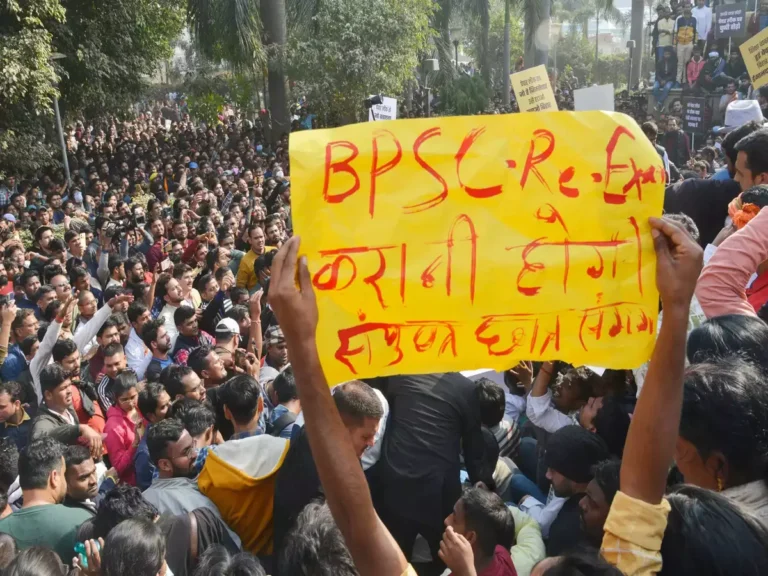
In recent weeks, Patna has become the epicenter of significant unrest as aspirants of the Bihar Public Service Commission (BPSC) protested against allegations of a question paper leak during the 70th Integrated Combined Competitive Examination (CCE) conducted on December 13, 2024. The controversy has escalated as the BPSC decided against canceling the examination, intensifying student outrage and drawing in political and public scrutiny. This report delves into the background, police responses, political reactions, and the broader implications of the ongoing protests.

Background of the Protests

The protests erupted after allegations surfaced that the question paper for the 70th CCE was leaked prior to the examination. Aspirants gathered in large numbers at Gardanibagh and marched toward the BPSC office, demanding the cancellation of the exam and a re-examination for all candidates. Protesters argued that conducting a re-examination for only one center, as proposed by the BPSC, would compromise the fairness and equity of the selection process. On December 24, BPSC Chairperson Parmar Rai Manubhai reiterated that while a re-examination would occur for some candidates, the entire examination would not be canceled.

Police Response and Political Reactions

Police Actions

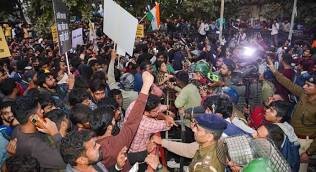
The protests saw a dramatic turn when the police resorted to a baton charge to disperse the demonstrators. Several students sustained injuries, leading to widespread criticism of the police’s heavy-handed approach. Aspirants alleged that their peaceful demonstrations were met with undue aggression, further fueling tensions.

Political Reactions

The opposition parties, including the Rashtriya Janata Dal (RJD) and Congress, seized upon the unrest to criticize the ruling coalition of the Bharatiya Janata Party (BJP) and Janata Dal (United) [JD(U)]. RJD Chief Lalu Prasad Yadav and Congress leader Rahul Gandhi condemned the government’s handling of the protests, describing the police’s actions as “shameful” and indicative of governance failures. Prominent political strategist Prashant Kishor also joined the protests, highlighting systemic issues in Bihar’s examination processes and demanding immediate reforms.

On the other hand, BJP leaders dismissed the allegations of a paper leak as baseless and accused opposition parties of politicizing the issue for electoral gains. They maintained that the protests were being orchestrated to undermine public confidence in the administration.

Role of Private Coaching Institutes

Private coaching institutes have played a significant role in mobilizing students and amplifying their grievances. Some officials have accused these institutes of inciting protests, while educators from these centers have openly supported the students. For instance, Khan Sir, a well-known educator, has actively participated in demonstrations, emphasizing the need for transparency in public examinations.

Historically, coaching institutes have been both facilitators of student protests and targets of criticism during examination controversies. Their involvement underscores the broader challenges within Bihar’s educational system, including systemic corruption and inadequacies in examination processes.

Broader Implications

Examination Integrity

The BPSC controversy has once again raised questions about the integrity of public examinations in Bihar. With over five lakh candidates participating in the 70th CCE, the stakes are high, and any perceived irregularities undermine the credibility of the selection process.

Political Landscape

The protests have become a political flashpoint, with opposition parties leveraging the unrest to criticize the government’s governance and youth policies. The controversy has also highlighted the growing frustration among Bihar’s youth, a critical demographic in the state’s political and social fabric.

Governance and Accountability

The ongoing protests have emphasized the need for systemic reforms in the state’s examination processes. Transparency, accountability, and robust mechanisms to prevent malpractices are essential to restore public confidence in institutions like the BPSC.

The BPSC paper leak allegations and the ensuing protests reflect deeper systemic issues within Bihar’s educational and governance structures. While the BPSC’s decision to conduct a re-examination for a single center aims to address specific grievances, it has failed to quell widespread dissatisfaction among aspirants. As the protests continue, the government faces mounting pressure to address student concerns and implement reforms that ensure fairness and integrity in public examinations. The outcome of this controversy will likely have far-reaching implications for both Bihar’s governance and its political landscape.


The Tragic Case of Kundlik Uttam Kale-A Grim Reflection on Gender Discrimination

0

In a deeply distressing incident that has brought to light the pervasive gender biases entrenched in Indian society, Kundlik Uttam Kale, a 32-year-old man from Maharashtra’s Parbhani district, has been accused of murdering his wife, Maina, after she gave birth to their third daughter. This horrific act of violence has sparked outrage and reflection, shedding light on the toxic combination of patriarchy, societal expectations, and entrenched gender discrimination that continues to plague many parts of India.

A Heartbreaking Incident

The tragedy unfolded when Kundlik Kale allegedly set Maina on fire following a heated argument over the birth of their third daughter. According to Maina’s sister, Kundlik had a history of taunting and abusing his wife over the gender of their children. The pressure to bear a male heir—a grim expectation in many patriarchal households—became a recurring source of conflict. On the fateful night, the situation escalated, with Kundlik reportedly pouring petrol on Maina and setting her ablaze. Maina suffered severe burns and succumbed to her injuries while being transported to the hospital.

This gruesome act not only robbed Maina of her life but also left three young daughters orphaned, marking a devastating chapter in their lives. The incident has become a chilling reminder of the violence and abuse women face when societal norms prioritize male children over female ones.

The Deep Roots of Gender Discrimination

The preference for male offspring is a long-standing issue in Indian society, rooted in cultural, economic, and social factors. Sons are often seen as torchbearers of the family name, inheritors of property, and providers of financial security in old age. Conversely, daughters are frequently perceived as liabilities due to the dowry system—a practice where families of brides are expected to provide substantial financial or material gifts to the groom’s family.

Such biases have led to widespread discrimination against women and girls, manifesting in various forms such as female infanticide, neglect, lack of education, and domestic abuse. Women, particularly in rural areas, face immense pressure to produce male heirs, often enduring physical and emotional abuse if they fail to meet these expectations. The case of Kundlik Kale and Maina exemplifies the deadly consequences of this systemic oppression.

The Legal and Social Response

Following the incident, Kundlik Kale was arrested and charged with murder. While his arrest brings attention to the severity of the crime, it underscores the need for a broader conversation about the systemic issues that lead to such tragedies. Legal recourse, though necessary, cannot fully address the societal norms and beliefs that perpetuate gender-based violence.

India has made strides in legislating against gender discrimination and domestic violence. Laws such as the Protection of Women from Domestic Violence Act (2005) and the Prohibition of Dowry Act (1961) are critical tools in the fight against gender-based violence. However, enforcement remains inconsistent, and societal attitudes often hinder justice. Victims of domestic abuse frequently face stigma, lack of support, and pressure to reconcile with their abusers, further perpetuating cycles of violence.

The Role of Education and Awareness

Education and community awareness are crucial in addressing the deep-rooted gender biases that fuel such violence. Empowering women through education, economic independence, and access to legal resources can help dismantle patriarchal structures that render them vulnerable to abuse. Equally important is the education of men and boys to challenge traditional notions of masculinity and promote respect and equality.

Community-driven programs can play a transformative role in changing perceptions about daughters. Initiatives that celebrate the value of girl children, provide financial incentives for their education, and support families who embrace gender equality can help shift societal attitudes. In addition, media campaigns and public discourse are powerful tools to challenge stereotypes and promote a culture of inclusivity and respect.

The Psychological Toll on Women

The psychological impact of living under such oppressive expectations cannot be overstated. Women like Maina face relentless pressure to conform to societal norms, often at the cost of their mental and physical well-being. The burden of blame for not bearing male children—despite the scientific fact that the father’s genetic contribution determines the child’s sex—is unjustly placed on women. This misplaced blame exacerbates feelings of inadequacy, depression, and helplessness, leaving many women trapped in abusive situations with little hope for escape.

A Call to Action

Maina’s death is a stark reminder of the urgent need for systemic change. Addressing gender discrimination requires a multi-faceted approach involving legal reform, education, community engagement, and the dismantling of patriarchal norms. Governments, non-governmental organizations, and community leaders must work collaboratively to challenge traditional beliefs and promote gender equality.

This tragedy should also serve as a wake-up call for society to introspect and take responsibility for perpetuating harmful norms. Families must foster an environment where daughters are valued and respected, and communities must actively discourage practices like dowry and son preference.

The tragic case of Kundlik Uttam Kale and Maina is a grim testament to the consequences of a society that values one gender over another. As India continues to grapple with issues of gender discrimination and violence against women, it is imperative to address the cultural, social, and economic factors that perpetuate these injustices. Only through collective efforts and a commitment to equality can we hope to create a society where every individual, regardless of gender, is valued and respected. Maina’s story should not be forgotten; it should serve as a catalyst for change, inspiring a future free from such devastating tragedies.


Salman Khan Celebrates 59th Birthday with a Lavish Bash Hosted by Ambani Family in Jamnagar

0

Bollywood superstar Salman Khan celebrated his 59th birthday on December 27, 2024, with a spectacular party hosted by the Ambani family at their luxurious estate in Jamnagar, Gujarat. The celebrations began with a cozy midnight gathering at his sister Arpita Khan’s residence in Mumbai, where close family and friends marked the special occasion before heading to Jamnagar for the grand festivities.

The Ambani estate was adorned with stunning decorations, including a glowing sign that read “♥️ You Bhaijaan,” and gazebos featuring “Happy Birthday Bhai” signs, setting the tone for an evening of nostalgia and joy. Dinner tables were decorated with displays of Salman’s old photographs, adding a personal and heartwarming touch to the glamorous setup. The guest list featured Salman’s family members, including his brothers Sohail and Arbaaz Khan, sister Arpita, and nephews Nirvan and Arhaan Khan. Sohail shared touching moments on social media, posting photos with his son and nephew against the backdrop of the illuminated birthday sign, reflecting the warmth of the celebration.

The evening was filled with entertainment, highlighted by a breathtaking fireworks display that lit up the night sky to the beats of Salman’s iconic hit “Jumme Ki Raat,” creating a festive atmosphere. Bollywood stars like Varun Dhawan, Ajay Devgn, and Neil Nitin Mukesh were among the celebrity attendees, extending their wishes to the beloved actor. Fitness expert Deanne Panday shared glimpses of the party on social media, showcasing the opulent poolside decorations and the lively mood of the gathering.

Salman Khan’s 59th birthday bash was a perfect blend of family intimacy, star-studded appearances, and extravagant celebrations, marking yet another milestone in the actor’s illustrious career. The event not only highlighted his enduring popularity in the film industry but also celebrated the deep bonds he shares with family and friends.

Independence of the Judiciary: A Historical and Contemporary Analysis

0

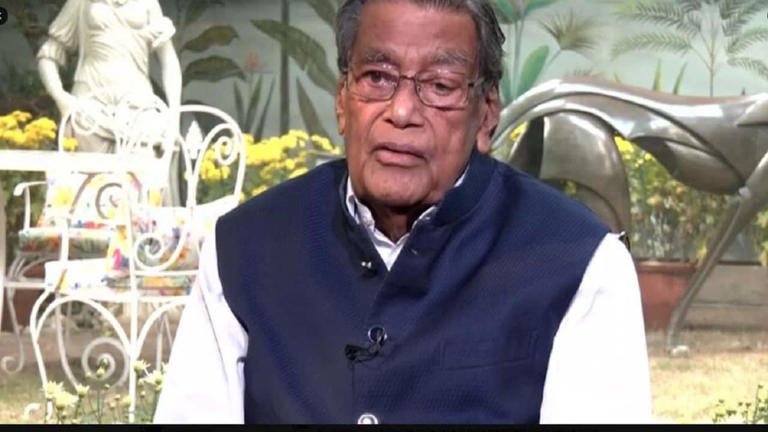
Senior lawyer KK Venugopal recently shared compelling insights on the independence of India’s judiciary, tracing its evolution from the early years of independence to the present day. Speaking in a reflective interview, Venugopal examined the complex and often fraught relationship between the judiciary and the executive, shedding light on pivotal moments in India’s constitutional history.

Early Challenges to Judicial Independence

Venugopal recounted that in the formative years of independent India, the judiciary’s robust independence sometimes clashed with the legislative and executive branches. Prime Minister Jawaharlal Nehru, an architect of modern India, expressed notable frustration with the judiciary’s assertiveness. Nehru famously remarked that judges “cannot sit as a fourth house of parliament,” a pointed critique of their frequent intervention in legislative matters.

One of Nehru’s primary concerns stemmed from the judiciary’s opposition to critical land reform laws aimed at addressing widespread inequalities in land ownership. These judicial decisions, which struck down key legislative measures, led Nehru to consider “packing the court”—a strategy to appoint additional judges who might align with the government’s vision. Venugopal noted that such confrontations ultimately necessitated constitutional amendments, resulting in provisions like Articles 31A, 31B, and 31C. These amendments sought to shield specific laws from judicial scrutiny, underscoring the tension between progressive reforms and judicial oversight.

Contemporary Dynamics

Despite the historical challenges, Venugopal acknowledged that judicial independence remains a cornerstone of India’s democracy. He commended many judges for maintaining a balanced approach, delivering judgments that reflect impartiality and adherence to the rule of law. However, he also highlighted concerns about a minority of judges perceived as favoring the government, particularly in politically sensitive cases involving bail for detainees.

Venugopal’s reflections also touched upon the role of individual judges in shaping the judiciary’s reputation. He expressed confidence in the leadership of Justices Rohinton Fali Nariman and KV Viswanathan, whom he described as embodying the principles of independence and fairness.

The Road Ahead

Venugopal’s analysis underscores the enduring challenges and opportunities for India’s judiciary. The historical tug-of-war between the judiciary and the executive highlights the delicate balance required to uphold democratic principles. As India moves forward, the judiciary’s role in safeguarding constitutional values remains as critical as ever.

This historical and contemporary perspective invites further discussion on how the judiciary can continue to evolve while retaining its independence. In a democracy as diverse and dynamic as India, the judiciary’s ability to act as a check on executive overreach is not just a legacy but a necessity.


Manmohan Singh Tribute

0

Manmohan Singh: A Story of Humility, Vision, and Reform

It was a somber evening in New Delhi when news of Dr. Manmohan Singh’s passing emerged from the All India Institute of Medical Sciences (AIIMS). At 9:51 PM, the man who had silently reshaped India’s destiny took his last breath, leaving behind a legacy that will echo through the corridors of time. Admitted earlier that evening for age-related complications, the nation lost a statesman, a scholar, and a visionary.

Born on September 26, 1932, in the quaint village of Gah, Punjab (now in Pakistan), Manmohan Singh’s journey was one of quiet determination. As a boy, he often studied under the dim light of kerosene lamps, a far cry from the dazzling spotlights that would later illuminate his life. His insatiable hunger for knowledge took him from Panjab University to the University of Cambridge, and eventually to the Massachusetts Institute of Technology (MIT), where he earned a doctorate in economics. To those who knew him, his academic brilliance was matched only by his unassuming nature.

When Singh returned to India, he stepped into roles that demanded intellect and integrity. But it was in 1991, as the country stood on the brink of an economic abyss, that his destiny intertwined with that of a nation. As Finance Minister, Singh introduced a series of economic reforms that dismantled the old, restrictive frameworks. The India he inherited was shackled by bureaucracy, drowning in deficits, and closed off from the world. With a quiet resolve, he slashed import tariffs, opened doors to foreign investments, and revitalized industries. His now-famous words, “No power on Earth can stop an idea whose time has come,” signaled the dawn of a new era.

By 2004, Singh had ascended to the office of Prime Minister. For a decade, he led the Congress-led United Progressive Alliance (UPA) government through both triumphs and tribulations. The story of his leadership is not one of fiery speeches or grand theatrics but of persistent, calculated action. Under his stewardship, India’s GDP soared, achieving an average growth rate of 8.5% annually. His government introduced transformative programs like the Mahatma Gandhi National Rural Employment Guarantee Act (MGNREGA), which brought hope to millions in rural India, and the Right to Education Act, ensuring free and compulsory education for children.

Singh’s vision extended beyond domestic borders. The 2008 U.S.-India Nuclear Deal, a cornerstone of his foreign policy, marked India’s emergence as a responsible nuclear power. Despite criticism, Singh stood firm, knowing that history would vindicate him. Indeed, it did.

Yet, Singh’s journey was not without shadows. His second term as Prime Minister was clouded by allegations of corruption within his government. Through it all, Singh maintained his characteristic dignity, rarely engaging in public rebuttals. “History will be kinder to me than the contemporary media,” he once remarked—a statement that has proven prophetic.

As news of his passing spread, tributes poured in from across the political spectrum. Leaders hailed him as the “father of India’s economic liberalization,” a “silent reformer,” and a “true statesman.” Beyond the accolades, what resonated most was his humility. Despite occupying the highest office in the land, Singh remained a man of simple tastes, known for his quiet demeanor and intellectual rigor.

He is survived by his wife, Gurcharan Kaur, and three daughters. In his honor, the government has declared a seven-day period of national mourning. Flags will fly at half-mast, and the nation will pause to remember a life lived in service.

As India says goodbye, one cannot help but reflect on the man who, without fanfare, reshaped its destiny. His life is a testament to the power of vision, perseverance, and humility. Manmohan Singh’s story is not just one of a leader but of an individual who believed in the potential of his people and the promise of a better tomorrow. His legacy will inspire generations to come, reminding us all that greatness often speaks in whispers.


India’s Cancer Care Revolution- What to Expect by 2025

0

India is on the brink of a transformative leap in cancer care, driven by groundbreaking treatments, cutting-edge diagnostics, and a unique focus on integrative medicine. By 2025, the country is poised to significantly enhance its fight against cancer, offering better treatment options, earlier detection, and improved quality of life for patients. Let’s explore the key advancements we can expect in the coming years.

1. Innovative Treatments: A New Era of Hope

Cancer treatment in India is set to undergo a remarkable transformation, with new therapies offering more effective and personalized solutions.

Immunotherapy, which leverages the body’s immune system to combat cancer, is expected to become a central part of treatment protocols. With immunotherapy advancements, such as CAR-T cell therapy and immune checkpoint inhibitors, patients will benefit from treatments that target cancer cells with precision, minimizing the impact on healthy cells.

Alongside immunotherapy, targeted therapies will revolutionize treatment strategies, especially for cancers with specific molecular mutations. These therapies can directly target cancer cells, preventing the spread of the disease while reducing the side effects associated with traditional treatments like chemotherapy.

2. Advanced Diagnostics: Precision at Its Best

The future of cancer diagnostics lies in personalization. With the advent of genetic testing, doctors will be able to tailor treatment plans to individual patients based on their genetic makeup. This personalized approach will not only increase treatment effectiveness but also minimize harmful side effects, making the entire process less traumatic for patients.

Another exciting development is Next-Generation Sequencing (NGS). This technology allows for the identification of cancer biomarkers, providing more accurate diagnoses. NGS will help oncologists track tumor mutations and adapt therapies in real-time, making treatments more dynamic and effective.

3. Integrative Medicine: A Holistic Approach to Cancer Care

One of the standout features of India’s cancer care transformation is its growing emphasis on integrative medicine, which combines conventional cancer treatments with alternative therapies such as Ayurveda, yoga, and nutrition. The 9th World Cancer Congress, set to be held in New Delhi in November 2025, will focus on “Integrative Medicine and Translational Research in Cancer,” showcasing how combining traditional and modern medical practices can greatly improve patient outcomes.

Incorporating Ayurveda into cancer care has been gaining traction, with experts exploring its role in reducing treatment-related side effects and improving overall well-being. When combined with modern cancer treatments, these holistic therapies offer patients a comprehensive care plan that addresses not only the physical but also the emotional and psychological aspects of cancer treatment.

4. Pediatric Cancer Care: Shaping a Brighter Future for Children

While advancements in adult cancer treatments are undoubtedly exciting, pediatric cancer care in India is also expected to see significant improvements. The focus is on reducing treatment toxicity while maintaining the efficacy of therapies. With innovations in precision medicine and molecular tumor boards, treatments for children will become more tailored, leading to fewer side effects and better overall outcomes.

Moreover, the approach to pediatric cancer care is becoming more comprehensive, emphasizing the need for supportive care, which includes addressing mental health, nutritional needs, and long-term follow-up to ensure children not only survive but thrive after cancer treatment.

5. Tackling Disparities: Ensuring Equal Access to Cancer Care

A critical aspect of India’s cancer care revolution is ensuring that advancements are accessible to all, especially in low- and middle-income areas. The World Cancer Congress will emphasize global collaboration and research to reduce the disparity in access to cancer care services. This will involve creating policies that ensure even the most marginalized populations benefit from the latest cancer treatments and technologies.

6. Research and Collaboration: Fueling Innovation

International collaboration plays a vital role in accelerating cancer research, and India is positioning itself as a global player. The 9th World Cancer Congress will be a key platform for global experts to exchange knowledge and foster partnerships that drive forward new research findings. This collaboration will extend to early diagnosis strategies, disease management, and supportive care, with the ultimate goal of improving cancer treatment quality worldwide.

7. A Focus on Survivorship and Quality of Life

Cancer care isn’t just about treatment—it’s also about ensuring that patients live well during and after their treatment. The focus will increasingly shift to palliative care, helping patients manage pain, fatigue, and emotional stress, ensuring they can maintain a high quality of life. Additionally, survivorship programs will become more prominent, offering long-term psychological support, rehabilitation, and lifestyle counseling to help cancer survivors adjust to life after treatment.

A Future of Hope

By 2025, India’s cancer care landscape will be markedly different, offering patients access to innovative treatments, advanced diagnostic tools, and a holistic approach to care. The integration of immunotherapy, targeted therapies, personalized medicine, and integrative approaches will not only enhance treatment outcomes but also improve the quality of life for cancer patients. With the world watching, India is on track to become a hub for cancer care innovation, where cutting-edge science and compassionate care come together to offer hope to millions.

As we look forward to the 9th World Cancer Congress in 2025, it’s clear that the future of cancer treatment in India will be marked by innovation, collaboration, and a deep commitment to patient-centered care. The advancements we witness will not only transform cancer care in India but will also set the stage for a global shift toward more personalized and integrative oncology practices.

“Life Expectancy Around the World: The Top 30 Countries and India’s Position”

0

As we stand on the threshold of 2024, life expectancy continues to be a crucial indicator of global health trends. It reflects the overall well-being of a population and gives insights into healthcare access, economic development, and the quality of life. Across the globe, the quest for a longer, healthier life remains a priority for governments and citizens alike. But how do different countries fare when it comes to life expectancy? And where does India stand in this global race?

The Global Leaders in Life Expectancy

According to recent data, the top 30 countries for life expectancy in 2024 reflect a blend of highly developed nations with robust healthcare systems and high standards of living. Here’s a quick look at the leading nations and their average life expectancies:

  1. Monaco – 87.14 years
  2. Hong Kong – 85.96 years
  3. Macau – 85.65 years
  4. Japan – 85.08 years
  5. Liechtenstein – 84.92 years
  6. Switzerland – 84.52 years
  7. Singapore – 84.39 years
  8. Italy – 84.35 years
  9. South Korea – 84.26 years
  10. Spain – 84.19 years

These countries exemplify the benefits of quality healthcare systems, high levels of income, and access to the best medical treatments. Nations such as Monaco, Hong Kong, and Japan have enjoyed consistent success in increasing life expectancy, thanks to factors such as universal healthcare coverage, advanced medical technology, and healthier lifestyles.

However, despite impressive global leaders in this field, India’s position is still lagging behind.

India’s Life Expectancy and Its Global Standing

India ranks tied for 126th place, with a life expectancy of approximately 70 years. While this is an improvement compared to decades past, it still reflects significant room for growth when compared to countries in the top 30. The life expectancy of 70 years positions India well below many developed nations and regional neighbors such as Sri Lanka, Bhutan, and Bangladesh. For instance, Sri Lanka leads the South Asian region with a life expectancy of 78 years, followed by Bhutan at 73 years, and Bangladesh at 72 years.

India’s ranking reflects both progress and the continuing challenges the country faces in healthcare, education, and socio-economic conditions. Over the last 30 years, life expectancy in India has risen by almost eight years, which is a notable achievement. However, the disparities in healthcare access and other social factors contribute to significant variations in life expectancy across different regions and social groups within the country.

What’s Behind India’s Life Expectancy?

India’s relatively low life expectancy can be attributed to a complex interplay of factors that affect health outcomes:

1. Healthcare Access and Infrastructure

While there have been substantial improvements in healthcare facilities across the country, India’s healthcare infrastructure remains under pressure. The urban-rural divide is stark: cities have better access to modern medical care, whereas rural areas, home to nearly 70% of India’s population, still face a shortage of healthcare professionals, medical facilities, and essential medications. Government initiatives like the National Health Mission have helped bridge some gaps, but a lot remains to be done.

2. Economic Inequality

India is the world’s fifth-largest economy, but its wealth distribution remains highly unequal. Wealthier populations tend to enjoy better healthcare services, nutrition, and living standards, which contribute to higher life expectancy. On the other hand, the vast underprivileged sections of society, particularly in rural areas, often lack access to basic healthcare, clean water, sanitation, and nutrition. Economic inequality continues to hinder overall public health outcomes.

3. Lifestyle Factors and Non-Communicable Diseases

Lifestyle diseases, such as diabetes, heart disease, and hypertension, are on the rise in India, particularly in urban areas. While traditional lifestyles centered around healthy eating and physical activity have been long-standing, the shift to sedentary jobs, poor dietary habits, and urbanization has seen an increase in non-communicable diseases (NCDs). These diseases are now among the leading causes of death, significantly impacting life expectancy.

4. Environmental Issues

India is grappling with severe environmental pollution, particularly in major cities like Delhi. Air pollution is linked to respiratory diseases, cardiovascular problems, and an increase in mortality rates. Poor sanitation, lack of clean drinking water, and the prevalence of vector-borne diseases also take a toll on public health.

5. Education and Social Factors

India’s progress in education has a direct correlation with its rising life expectancy. Educated individuals tend to make healthier lifestyle choices and are more likely to seek medical help when needed. However, social disparities based on caste, gender, and income continue to result in uneven access to healthcare and nutrition, further exacerbating regional variations in life expectancy.

Comparing India with South Asia

In South Asia, India’s life expectancy is on the lower end of the spectrum. Here’s a snapshot of life expectancy across the region:

  • Sri Lanka – 78 years
  • Bhutan – 73 years
  • Bangladesh – 72 years
  • Nepal – 71 years
  • India – 70 years
  • Pakistan – 67 years

Although India is progressing, it is still behind Sri Lanka, which has a significantly better healthcare system and higher public health standards. Countries like Bangladesh and Nepal have also made strides in increasing life expectancy, largely due to improved healthcare services, nutrition programs, and public health policies. India, while showing improvement, lags in comparison.

Regional Variations in India

A major factor contributing to India’s overall life expectancy is the vast disparity between different regions. States like Kerala have among the highest life expectancy rates in India, with an average of 77 years, thanks to robust healthcare infrastructure, high literacy rates, and comprehensive social welfare schemes. In contrast, states like Uttar Pradesh and Bihar struggle with healthcare access, poverty, and higher infant mortality rates, contributing to a lower life expectancy.

These regional variations highlight the need for targeted healthcare interventions that address local challenges and provide equitable healthcare access to all citizens.

Challenges to Improving Life Expectancy in India

While India’s healthcare system has made tremendous progress, there are several hurdles still standing in the way of improving life expectancy:

1. Chronic Diseases

India’s aging population is increasingly burdened with non-communicable diseases (NCDs), such as diabetes, cardiovascular diseases, and cancer. As the population ages, these diseases are expected to become more prevalent, further straining healthcare resources. Addressing these challenges through preventive care, early diagnosis, and improved management of chronic conditions is essential for improving life expectancy in the future.

2. Pollution

Air pollution remains one of the biggest threats to public health in India. Major cities such as Delhi, Mumbai, and Kolkata consistently rank among the most polluted cities in the world. Polluted air contributes to respiratory illnesses, heart disease, and premature death. Tackling pollution will be critical for improving the overall health and life expectancy of the population.

3. Access to Healthcare

Expanding healthcare infrastructure to reach rural areas is critical for India’s long-term health improvements. Despite initiatives such as the Ayushman Bharat Scheme, many rural areas still lack essential healthcare services. The country needs to focus on reducing healthcare inequality to ensure that people in rural and underserved regions have access to the same quality of care as those in urban centers.

India’s life expectancy has steadily increased over the years, reflecting positive changes in healthcare, education, and economic development. However, it still faces significant challenges that keep it behind many of its global counterparts. With a life expectancy of 70 years, India ranks 126th globally, far behind many developed nations and some of its neighbors.

To improve its ranking, India must address the deep-rooted issues of economic inequality, regional disparities, environmental pollution, and healthcare access. Investing in public health, expanding healthcare infrastructure, and tackling lifestyle diseases will be key in enhancing the quality of life and extending life expectancy for future generations.

President Droupadi Murmu Announces Major Reshuffle in Governor Appointments Across India

0

The President of India, Droupadi Murmu, recently announced a significant reshuffle in the appointment of governors across several Indian states. This move underscores the central government’s strategy to strengthen governance and address pressing regional challenges. This article explores the history of the governorship in India, the present appointments, and their implications.

The Institution of Governorship: A Historical Perspective

Origins and Evolution

The office of the governor in India traces its roots back to British colonial rule. Under the Government of India Act of 1935, governors were established as representatives of the British Crown, wielding considerable powers in the provinces. Post-independence, the role was retained but transformed under the Indian Constitution to suit the needs of a democratic republic.

Role and Powers

The governor serves as the constitutional head of a state, with their duties largely defined by Articles 153 to 162 of the Indian Constitution. Appointed by the President of India, governors act on the advice of the state’s council of ministers. Their primary functions include:

  • Summoning and dissolving the state legislature.
  • Reserving certain bills for the President’s consideration.
  • Overseeing the implementation of central directives.
  • Acting as a liaison between the central and state governments.

While the role is largely ceremonial, governors can exercise discretionary powers during periods of political instability or constitutional crises.

Controversies and Criticisms

Over the years, the role of governors has been scrutinized for alleged partisanship. Critics argue that governors, often seen as representatives of the central government, may influence state politics, particularly in opposition-ruled states. The Sarkaria Commission (1988) and the Punchhi Commission (2010) recommended reforms to ensure the neutrality of governors, but concerns persist.

The Present Reshuffle: Key Appointments and Their Context

On December 26, 2024, President Droupadi Murmu announced new appointments and reassignments for governors in several states. These changes aim to address governance challenges and strengthen administrative oversight. Here are the details of the appointments:

1. Ajay Kumar Bhalla – Governor of Manipur

Ajay Kumar Bhalla, a former Union Home Secretary, has been appointed as the Governor of Manipur. His tenure in the Home Ministry involved managing internal security and governance, making him a suitable choice for Manipur, a state grappling with ethnic violence and unrest since May 2023. Bhalla’s priorities will likely include restoring peace and fostering dialogue among conflicting communities.

2. Arif Mohammed Khan – Governor of Bihar

Previously the Governor of Kerala, Arif Mohammed Khan has been reassigned to Bihar. Known for his outspoken views, Khan’s tenure in Kerala was marked by significant friction with the state government. His new role in Bihar comes at a time when the state faces governance and developmental challenges.

3. Hari Babu Kambhampati – Governor of Odisha

Hari Babu Kambhampati, the outgoing Governor of Mizoram, has been appointed as the Governor of Odisha. With his administrative experience and political acumen, Kambhampati is expected to focus on bolstering Odisha’s developmental initiatives.

4. General (Dr.) Vijay Kumar Singh – Governor of Mizoram

General (Dr.) Vijay Kumar Singh, a retired Chief of Army Staff and former Union Minister, has been appointed as the Governor of Mizoram. His military background positions him well to address security concerns and administrative challenges in the northeastern state.

5. Rajendra Vishwanath Arlekar – Governor of Kerala

Rajendra Vishwanath Arlekar, formerly the Governor of Bihar, has been reassigned to Kerala. Arlekar, a seasoned politician with experience in governance, will navigate the state’s dynamic political environment.

Implications of the Reshuffle

1. Strengthening Governance in Troubled States

This reshuffle reflects the central government’s strategy to bring experienced leaders to states facing significant challenges. For instance:

  • Manipur: Bhalla’s administrative expertise is expected to help address the ethnic tensions and violence in the state.
  • Mizoram: General Singh’s appointment underscores the emphasis on security and stability in the region.

2. Managing Political Dynamics

Governors often play a crucial role in maintaining a balance between the central and state governments. In opposition-ruled states like Kerala, the governor’s approach can significantly influence intergovernmental relations. Arif Mohammed Khan’s reassignment from Kerala to Bihar reflects the need to manage these dynamics carefully.

3. Enhancing Developmental Focus

States like Odisha are poised for accelerated development under the guidance of governors with a proven track record in administration. Hari Babu Kambhampati’s appointment aligns with the state’s aspirations for growth.

4. Addressing Public Expectations

The new appointments are expected to enhance governance, addressing public grievances and fostering trust in state institutions. Success in these roles will depend on the governors’ ability to balance constitutional responsibilities with the demands of their respective states.

Challenges Facing the New Governors

1. Navigating Political Tensions

Governors often face contentious relationships with state governments, especially in states led by opposition parties. Building constructive dialogue and avoiding public confrontations will be crucial.

2. Managing Crisis Situations

Governors in states like Manipur and Mizoram must address ongoing crises, including ethnic strife and security concerns. Effective crisis management will require sensitivity, decisiveness, and collaboration with local stakeholders.

3. Policy Implementation

Governors must ensure the smooth implementation of state and central policies while respecting the autonomy of state governments. This balance is particularly challenging in politically sensitive environments.

4. Building Public Confidence

The ability of new governors to address pressing issues such as unemployment, infrastructure development, and social welfare will shape public sentiment and trust in governance.

The Process of Governor Appointments in India

Constitutional Provisions

The appointment of governors is governed by Articles 153 to 162 of the Indian Constitution. Key criteria include:

  • The appointee must be a citizen of India.
  • They must be at least 35 years old.
  • They should not hold any office of profit.
  • They should not be a member of Parliament or a state legislature.

Selection Process

Governors are appointed by the President of India, typically based on the advice of the central government. While the Constitution provides no fixed term, governors usually serve for five years, unless removed or reassigned earlier.

Frequency of Appointments

Governor appointments occur as needed, often in response to political or administrative requirements. Significant reshuffles, like the current one, are less frequent but reflect the central government’s strategic priorities.

The Future of Governorship in India

The institution of governorship continues to evolve, reflecting the changing dynamics of Indian federalism. While governors remain pivotal in maintaining the constitutional balance between the center and states, their role is increasingly shaped by political and administrative imperatives.

The recent reshuffle in governor appointments underscores the central government’s focus on addressing state-specific challenges through strategic leadership. As the newly appointed governors assume office, their performance will be instrumental in shaping the political and administrative landscape of their states. From navigating crises to fostering development, the challenges are manifold, but so are the opportunities to make a lasting impact. This reshuffle not only highlights the significance of the governor’s role but also reaffirms the central government’s commitment to strengthening governance across the nation.


Atal Bihari Vajpayee Honored on 100th Birth Anniversary with Statue Unveiling in Lucknow

0

Lucknow, December 25, 2024 – On the occasion of the 100th birth anniversary of former Prime Minister Atal Bihari Vajpayee, Defence Minister Rajnath Singh and Uttar Pradesh Chief Minister Yogi Adityanath unveiled a grand statue at Kudiya Ghat in Lucknow. The event marked a significant tribute to the statesman and was part of statewide celebrations observing ‘Good Governance Day.’

Highlights of the Event

Rajnath Singh’s Tribute to Vajpayee
Defence Minister Rajnath Singh lauded Vajpayee’s transformative leadership, recalling his tenure as a period of remarkable economic and political progress for India. Singh emphasized that under Vajpayee’s premiership, India achieved an impressive growth rate of 8.4%, a milestone that positioned the country as an emerging global economic power.

Singh also noted Vajpayee’s visionary governance, highlighting policies that laid the foundation for modern infrastructure, technological advancements, and strengthened international relations. “Atalji’s contributions to India’s development and governance have left an indelible mark, inspiring leaders and citizens alike,” Singh said.

Yogi Adityanath on Vajpayee’s Vision
Chief Minister Yogi Adityanath described Vajpayee as a pioneer of good governance in India. He remarked that the foundation Vajpayee laid is being realized in the current government’s vision of creating a new India by 2047. “Atalji’s leadership was a blend of wisdom, compassion, and foresight, and his dream of a progressive, self-reliant India continues to guide us today,” Adityanath said.

Adityanath further emphasized the alignment of Vajpayee’s ideals with Prime Minister Narendra Modi’s governance model, particularly in simplifying governance structures and enhancing India’s global standing.

Exhibition Celebrating Vajpayee’s Legacy

In addition to the statue unveiling, an exhibition was inaugurated at the BJP state office in Lucknow, showcasing Vajpayee’s life, speeches, and contributions to Indian politics. The exhibition drew visitors from across the state, providing an opportunity to reflect on his impact on Indian democracy and governance.

Vajpayee’s Enduring Influence

The event underscored Vajpayee’s enduring legacy, which continues to inspire the nation’s leadership. Rajnath Singh highlighted Prime Minister Narendra Modi’s efforts to uphold Vajpayee’s principles of good governance, citing the repeal of obsolete laws, the promotion of ease of doing business, and the emphasis on citizen-centric development.

A Day of Reflection and Celebration

Observed as ‘Good Governance Day,’ December 25 saw various programs across Uttar Pradesh, celebrating Vajpayee’s legacy and reaffirming commitments to ethical governance and public welfare.

As the statue of Atal Bihari Vajpayee now stands tall at Kudiya Ghat, it serves as a lasting reminder of his leadership and vision for a united, progressive India. The celebrations offered a moment of reflection on his immense contributions and the path forward for fulfilling his aspirations for the nation.

AAP Calls for Congress’ Expulsion from INDIA Bloc Amid Rising Tensions

0

In a dramatic turn of events, the Aam Aadmi Party (AAP) has called for the removal of Congress from the INDIA bloc, a coalition of opposition parties formed to counter the BJP in upcoming elections. This demand comes in the wake of sharp criticisms by Congress leader Ajay Maken and a recent FIR filed against AAP chief Arvind Kejriwal, alleging fraud and forgery—a move that AAP has denounced as a betrayal of trust.

The Flashpoint

Ajay Maken’s public statements have become a focal point of this rift. Maken accused AAP of governance failures and claimed that Congress’ past alliances with the party contributed to its decline in Delhi. He labeled these alliances as a mistake and called for a course correction. For AAP, these remarks were not just criticism but a direct challenge to the coalition’s unity.

Adding fuel to the fire, Congress recently filed an FIR against Kejriwal, accusing him of forgery and fraud. AAP leaders view this as a calculated political attack and a clear breach of the cooperative spirit required within the INDIA bloc.

Kejriwal’s Stand

Arvind Kejriwal has reiterated AAP’s decision to contest the upcoming Delhi Assembly elections independently. He ruled out any possibility of an alliance with Congress, emphasizing that AAP will rely on its governance record to secure victory. The party has launched various welfare schemes, including health and education initiatives, which it hopes will resonate with voters.

Consultation with INDIA Bloc Members

AAP has announced plans to consult other members of the INDIA bloc about Congress’ alleged betrayal. This move suggests that AAP is testing the waters for support within the coalition, potentially leading to shifts in alliances ahead of the elections.

Implications for the INDIA Bloc

If Congress is expelled, the INDIA bloc could face serious challenges, including:

  • Vote Splitting: A fragmented opposition might inadvertently benefit the BJP in key electoral battles.
  • Loss of Leadership: Congress has played a central role in shaping the bloc’s strategies, and its absence could weaken coordination.
  • Tensions Among Regional Parties: Smaller parties in the bloc might vie for greater influence, leading to internal rivalries.

Impact on the Delhi Elections

The fallout between AAP and Congress is expected to significantly alter the electoral landscape in Delhi. Without an alliance, a three-cornered contest is likely, involving AAP, Congress, and BJP. This scenario could split the anti-BJP vote, potentially giving the ruling party an edge.

Meanwhile, Congress has been working to rebuild its voter base through initiatives like padyatras, while AAP is banking on its decade-long governance record. BJP, on the other hand, aims to capitalize on the opposition’s disunity.

Looking Ahead

The escalating tension between AAP and Congress has highlighted the fragile nature of opposition unity. As the INDIA bloc navigates this crisis, its ability to present a cohesive front against the BJP remains in question. AAP’s call for Congress’ expulsion marks a critical juncture for the coalition, with potential ramifications not just for Delhi but for national politics as well.