Saturday, June 27, 2026
Home Blog Page 6

Protecting Your Kidneys: Understanding Their Importance and How to Keep Them Healthy

0

The kidneys, often called the body’s natural filters, play a crucial role in maintaining overall health. Despite their vital function, kidney health often goes unnoticed until issues arise. This article explores the importance of kidneys, factors that can harm them, and practical steps to protect these essential organs.

The Role and Importance of Kidneys

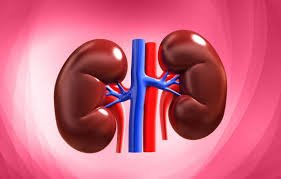
Your kidneys are two bean-shaped organs located on either side of your spine, just below the ribcage. Each kidney is about the size of a fist but performs multiple critical functions, including:

  1. Filtering Waste: Kidneys remove waste products and excess fluids from the blood, which are excreted as urine.
  2. Regulating Blood Pressure: By controlling the volume of fluids and releasing hormones like renin, kidneys play a key role in maintaining healthy blood pressure.
  3. Balancing Electrolytes: They ensure that levels of sodium, potassium, and other essential electrolytes are balanced, supporting nerve and muscle function.
  4. Producing Hormones: Kidneys produce erythropoietin, a hormone that stimulates red blood cell production, and activate vitamin D for bone health.
  5. Maintaining pH Balance: By excreting hydrogen ions and reabsorbing bicarbonate, kidneys help regulate the body’s acid-base balance.

Without properly functioning kidneys, waste and toxins accumulate in the body, leading to severe health complications, including kidney failure.

Why Kidney Health Matters

Healthy kidneys are essential for:

  • Detoxification: Removing harmful substances that can damage tissues.
  • Preventing Hypertension: As kidneys regulate blood pressure, any dysfunction can lead to hypertension and related cardiovascular problems.
  • Bone and Blood Health: Activated vitamin D and red blood cells are vital for strong bones and adequate oxygen transport.
  • Fluid Balance: Ensuring cells and tissues function properly by maintaining the right balance of water in the body.

What Affects Kidney Health?

Several factors can harm kidney health, some of which are lifestyle-related, while others are medical conditions:

1. High Blood Pressure (Hypertension)

Chronic high blood pressure damages the blood vessels in the kidneys, reducing their filtering capacity.

2. Diabetes

High blood sugar levels damage the delicate blood vessels in the kidneys, leading to diabetic nephropathy.

3. Dehydration

Insufficient water intake forces the kidneys to work harder, increasing the risk of kidney stones and infections.

4. High Salt Intake

Excessive sodium in the diet raises blood pressure and can strain the kidneys.

5. Smoking

Smoking reduces blood flow to the kidneys, impairing their ability to function effectively.

6. Overuse of Painkillers

Frequent use of non-steroidal anti-inflammatory drugs (NSAIDs) like ibuprofen can damage kidney tissues over time.

7. Excessive Alcohol Consumption

Drinking heavily overworks the kidneys and raises blood pressure, increasing the risk of chronic kidney disease (CKD).

8. Obesity

Excess weight puts pressure on the kidneys by increasing the need for filtration and is often associated with other risk factors like diabetes and hypertension.

9. Chronic Stress

Stress leads to higher blood pressure, indirectly affecting kidney function over time.

10. Infections and Autoimmune Diseases

Conditions like lupus or untreated urinary tract infections (UTIs) can lead to kidney inflammation or permanent damage.

Warning Signs of Kidney Problems

Kidney disease is often called a “silent killer” because symptoms appear only in advanced stages. Early signs include:

  • Fatigue
  • Swelling in the feet, ankles, or face
  • Frequent urination, especially at night
  • Blood in urine
  • Foamy urine (indicative of protein leakage)
  • Persistent high blood pressure
  • Loss of appetite or nausea

If you experience these symptoms, consult a healthcare provider immediately.

Steps to Keep Your Kidneys Healthy

Fortunately, kidney health can be preserved by adopting simple lifestyle changes. Here are practical steps to ensure your kidneys function optimally:

1. Stay Hydrated

Drinking 6 to 8 glasses of water daily helps flush out toxins and prevents kidney stones. However, overhydration can also strain the kidneys, so moderation is key.

2. Maintain a Balanced Diet

A kidney-friendly diet includes:

  • Low Sodium: Reducing salt intake to less than 6 grams daily.
  • High Fiber: Eating fruits, vegetables, and whole grains.
  • Healthy Proteins: Opting for lean meats, fish, and plant-based proteins to avoid overloading the kidneys.

3. Exercise Regularly

Engage in at least 30 minutes of physical activity most days of the week to manage weight, reduce blood pressure, and improve overall kidney function.

4. Monitor Blood Pressure and Sugar Levels

Regularly checking these levels and keeping them within a healthy range significantly lowers the risk of kidney damage.

5. Avoid Smoking

Quitting smoking improves blood circulation to the kidneys and reduces the risk of CKD.

6. Limit Alcohol and Painkillers

Drink alcohol in moderation—no more than 14 units per week for adults—and consult a doctor about alternatives if you rely on painkillers regularly.

7. Prevent Dehydration During Hot Weather

Increase water intake during summer or after intense physical activity to avoid kidney stones.

8. Manage Stress

Practices like yoga, meditation, and deep-breathing exercises help lower blood pressure and protect kidney health.

9. Get Regular Health Check-ups

Annual tests for blood pressure, blood sugar, and kidney function (creatinine levels, GFR, and urine albumin) can catch issues early.

10. Educate Yourself

Learn about risk factors for kidney disease and make informed choices about your diet, exercise, and medications.

Your kidneys are indispensable to your health, performing countless vital tasks silently. While they are resilient, they are also vulnerable to lifestyle and medical factors. By understanding the importance of kidney health and implementing these preventive measures, you can significantly reduce the risk of kidney problems.

Remember, small changes in your daily routine can lead to big improvements in kidney health and overall well-being. Stay proactive, stay informed, and give your kidneys the care they deserve.

Sunil Gavaskar Reflects on His Lifelong Bond with Indian Cricket

0

Sunil Gavaskar, one of India’s most iconic cricketers, recently shared profound insights about his enduring relationship with Indian cricket, describing it as an “umbilical cord” that binds him to the game. In a candid interview, the legendary batsman expressed immense pride in representing India and an unwavering resolve to defend the country and its players against criticism, even if his personal opinions sometimes differ. “If someone is saying things against my country, I am going to defend,” Gavaskar affirmed.

Reflecting on cricket’s evolution, Gavaskar spoke of the sport’s transformation over the decades, particularly India’s ascent as a key influencer in global cricket administration. He was critical of the historical dominance of England and Australia, who once held veto power over the game’s governance. Gavaskar lauded the current structure, where every cricketing nation now has a voice, marking a significant shift from an era when many countries were relegated to secondary roles.

The cricket legend also delved into personal memories from his illustrious playing career. Gavaskar, known for being the first batsman to score 10,000 runs in Test cricket, recalled iconic matches that shaped his legacy. Today, his passion for the sport continues as a commentator, a role he took on during a pivotal time in the 1980s when television was revolutionizing the way fans experienced cricket.

“Walking into cricket grounds brings back so many memories,” Gavaskar shared, emphasizing how the sport has remained integral to his life. He also expressed joy in witnessing the emergence of new talents in Indian cricket, seeing it as a testament to the country’s deep reservoir of skill and potential.

At 75, Gavaskar shows no signs of slowing down. His commentary work takes him across the globe, a testament to his dedication and enduring love for cricket. “I just can’t be dispassionate when it comes to Indian cricket,” he admitted, underscoring his emotional connection to the team and its journey.

Gavaskar’s reflections not only highlight his contributions to Indian cricket but also underscore the indelible mark he continues to leave on the sport through his insightful commentary and steadfast patriotism.

Major Dhyan Chand Khel Ratna Award 2024 Winners Announced

0

The winners of the prestigious Major Dhyan Chand Khel Ratna Award 2024, India’s highest honor in sports, have been officially announced. The award recognizes outstanding achievements and contributions to Indian sports across various disciplines.

Khel Ratna Award 2024 Winners

Sportsperson Discipline
Gukesh D Chess
Harmanpreet Singh Hockey
Praveen Kumar Para-Athletics
Manu Bhaker Shooting

These exemplary athletes have set remarkable benchmarks in their respective fields, inspiring millions. They will be honored by the President of India during a grand ceremony at Rashtrapati Bhavan in New Delhi on January 17, 2025.


Additional Recognitions

Alongside the Khel Ratna Awards, the Arjuna Awards 2024 will also be presented to several deserving sportspersons who have shown consistent excellence:

  • Swapnil Kusale (Shooting)
  • Sarabjot Singh (Shooting)
  • Aman Sehrawat (Wrestling)
  • Salima Tete (Hockey)
  • Jyothi Yarraji and Annu Rani (Athletics)

These honors underscore the nation’s dedication to nurturing sports talent and celebrating achievements at the global and national levels.


A Step Toward Sporting Excellence

The National Sports Awards, including the Khel Ratna and Arjuna Awards, aim to motivate athletes and promote a culture of sports in India. The awards not only recognize outstanding performances but also encourage young aspirants to pursue excellence in sports.

Stay tuned for the ceremony updates and stories of these remarkable athletes who have brought glory to the nation.

Bhopal’s Toxic Waste Disposal: A Long-Awaited Step Forward, but Concerns Remain

0

hopal, January 1, 2025 — After decades of delay, the toxic waste from the infamous 1984 Bhopal gas tragedy site is finally being safely disposed of. On January 1, 2025, over 337 metric tons of hazardous chemicals, remnants of the Union Carbide pesticide plant disaster, were transported to a disposal facility in Pithampur, located about 230 kilometers away. This marks a crucial step in addressing the long-standing environmental and health dangers caused by the waste, which has contaminated the land and groundwater around the Union Carbide site for almost four decades. While this operation has been hailed as a necessary and long-overdue action, concerns from local communities, environmental activists, and health experts underscore the complex challenges of safely handling the toxic materials and mitigating potential environmental risks.

Background: The Legacy of the Bhopal Gas Tragedy

The Bhopal gas tragedy is one of the deadliest industrial disasters in history. In December 1984, a massive leak of methyl isocyanate (MIC) gas from the Union Carbide pesticide plant in Bhopal killed thousands of people instantly and caused long-term health issues for many others. The gas leak resulted in severe respiratory problems, blindness, and death for both the residents of Bhopal and the factory workers. The tragic event left an indelible scar on the city and its people.

In addition to the immediate loss of life, the disaster had long-lasting environmental consequences. Toxic chemicals from the plant remained at the site, contaminating the soil, air, and groundwater. The hazardous materials left behind, including pesticide residues and other byproducts of the manufacturing process, have continued to poison the surrounding environment, posing a significant health threat to local communities.

While efforts to address the disaster’s immediate effects were made in the years following the leak, the disposal of the toxic waste languished. For decades, the waste remained undisturbed at the site, a constant source of environmental contamination. In 2010, the Indian government declared the site a “hazardous waste” area, but progress toward its cleanup was slow and plagued by legal battles, technical difficulties, and political hurdles.

The Waste Removal Operation: A Major Step Forward

The operation to remove the toxic waste gained momentum following a landmark decision by the Madhya Pradesh High Court. In a ruling issued in late 2024, the court mandated that the state authorities take immediate action to dispose of the hazardous materials. The court gave the authorities a strict four-week deadline to remove the waste, signaling a crucial turning point in the years-long legal and environmental struggle.

On January 1, 2025, the waste removal operation officially began. The hazardous materials, including pesticide residues and other chemicals, were carefully packed into 12 specially designed leak-proof containers to prevent any accidental release during transport. The containers were then loaded onto trucks for transportation to the disposal facility in Pithampur, a secure location where the waste will be incinerated at high temperatures to neutralize its harmful effects.

Given the potential dangers associated with the transportation of such hazardous materials, the operation was conducted under stringent security measures. Over 700 personnel were deployed to ensure the safe transit of the waste, including police escorts, emergency response teams, and environmental experts. The trucks carrying the waste followed a designated “green corridor” to minimize disruptions to local traffic and ensure that the waste was transported safely.

The waste removal process is expected to take several months, with the incineration of the materials scheduled to take place at the Pithampur facility. The incineration will be carried out at extremely high temperatures—reaching at least 850°C for a minimum of two seconds—to ensure that the toxic chemicals are completely neutralized. The incineration process is designed to prevent the formation of dangerous byproducts, such as dioxins and furans, which can have serious environmental and health consequences.

The Composition of the Toxic Waste

The waste removed from the Union Carbide plant is a mix of hazardous chemicals, primarily pesticide residues, and byproducts of the plant’s manufacturing process. These materials are highly toxic and have been classified as “forever chemicals” due to their persistence in the environment. The chemicals remain in the soil, water, and air for decades, causing long-term damage to ecosystems and posing serious risks to human health.

Some of the chemicals found in the waste are known to cause cancer, respiratory issues, and other serious health conditions. The contamination of groundwater around the Union Carbide plant has led to widespread fears about the impact of these chemicals on drinking water sources in the region. The transportation and incineration of these toxic materials are vital steps in reducing the health risks to the local population and preventing further environmental degradation.

However, experts have cautioned that the incineration of such hazardous waste must be carried out with the utmost care. The disposal process must be closely monitored to ensure that emissions are controlled and that no harmful byproducts are released into the environment. In addition, the waste disposal facility in Pithampur must be equipped with the latest technology to ensure that the incineration process meets environmental safety standards.

Local Concerns: A Mix of Relief and Apprehension

While the removal of the toxic waste is widely seen as a necessary and positive step, it has not been without controversy. Local residents, environmental activists, and health experts have raised concerns about the potential environmental risks associated with the transportation and incineration of the hazardous materials.

Health and Safety Concerns: Many residents fear that any mishaps during transportation or incineration could lead to the release of toxic chemicals into the air or water, exposing them to dangerous substances. The memory of the 1984 disaster still looms large in the community, and the fear of further contamination is heightened by the legacy of the original tragedy. Some residents worry that the waste might be improperly handled, leading to pollution similar to past incidents involving hazardous materials in other regions, such as chemical spills in Pasir Gudang, Malaysia, which affected thousands of people.

Environmental Impact: Environmental groups have raised alarms about the potential for contamination of soil, water, and air near the transportation route and the disposal site. While the incineration process is designed to neutralize the chemicals, there is concern that emissions from the incinerators could still pose a risk to surrounding ecosystems. Local activists have called for more transparency and public oversight to ensure that the disposal process is being conducted safely and in compliance with environmental standards.

Community Engagement: Residents have expressed the need for greater transparency in the waste management process. They want assurances that regular monitoring of the incineration process will take place and that any potential risks will be addressed swiftly. Activists have also called for ongoing communication between the authorities and the local community to ensure that residents are fully informed about the disposal process and its potential impacts.

Historical Context: The community’s apprehension is influenced by the legacy of the 1984 disaster, which continues to affect the lives of many Bhopal residents. The health impacts of the gas leak are still being felt today, with many survivors suffering from chronic health problems. The emotional trauma of the original tragedy adds an additional layer of sensitivity to any new developments involving toxic waste in the area.

Ensuring Safe Disposal: Steps Taken by Authorities

To address these concerns and minimize the environmental impact, several measures have been put in place to ensure that the incineration process is carried out safely:

  1. High Combustion Temperatures: The incinerators are designed to reach a minimum temperature of 850°C to effectively neutralize harmful chemicals. This high temperature helps to ensure that dangerous byproducts, such as dioxins and furans, are not formed during the incineration process.
  2. Location and Distance: The Pithampur facility is located far from residential areas, reducing the risk of exposure to any emissions. The facility’s location was chosen based on environmental factors, including wind direction, to minimize any potential impact on nearby communities.
  3. Regulatory Compliance: The incineration facility is required to meet strict national and international environmental standards. Regular inspections and audits are conducted to ensure compliance with these regulations.
  4. Advanced Technology: The incinerators are equipped with advanced technologies, such as catalytic filters, to capture harmful emissions before they are released into the atmosphere. This helps to minimize the environmental impact of the disposal process.
  5. Emergency Preparedness: In case of any unforeseen incidents during transportation or incineration, emergency response plans are in place to quickly address any potential risks to public health and safety.
  6.  A Necessary Step, But Challenges Remain

The removal of toxic waste from the Union Carbide site represents a long-overdue step in addressing the environmental and health hazards caused by the Bhopal gas tragedy. However, as the waste is transported and incinerated, concerns about potential environmental risks and health impacts remain. The local community’s response reflects the deep-seated fear and mistrust that lingers from the 1984 disaster, and it underscores the need for careful monitoring and transparency throughout the disposal process.

As authorities move forward with the incineration, they must ensure that all safety measures are strictly followed, that the community is kept informed, and that any environmental risks are minimized. The legacy of Bhopal is a stark reminder of the importance of prioritizing human health and environmental protection in industrial activities. While the disposal of toxic waste is a necessary step, it is clear that the road to environmental recovery and justice for the victims of the gas tragedy remains a long and complex journey.

Woodbox Cafe Co-Owner Puneet Khurana’s Death Raises Questions About Domestic Abuse and Mental Health

0

New Delhi, January 2, 2025 — The untimely death of Puneet Khurana, a 40-year-old co-owner of the popular Woodbox Cafe in Delhi, has shocked the city and drawn attention to the often-hidden struggles of mental health and domestic abuse. Khurana was found dead in his home on New Year’s Eve, in what appears to be a tragic suicide, just days after his estranged wife, Manika Jagdish Pawa, posted a cryptic message on social media about “toxicity and narcissistic abuse.”

Khurana’s death, which occurred during a turbulent period in his personal life, has ignited a broader conversation about the emotional and psychological toll of contentious relationships, particularly when intertwined with business and financial disputes.

Background: A Controversial Divorce

Khurana and Pawa had been married since 2016, but the couple had been separated for two years before his death. Their divorce, which had reportedly been dragging on for months, was marked by intense acrimony and allegations of harassment from both sides. The couple’s shared business, Woodbox Cafe, became a significant point of contention. Khurana’s family has claimed that Pawa and her family subjected him to continuous emotional distress, with frequent threats over financial matters related to the cafe, which added pressure to an already fragile relationship.

Khurana’s relatives have since alleged that their loved one had been enduring constant mental torture from his estranged wife, particularly over their ongoing divorce settlement and business concerns. It is believed that the tension over the cafe and the perceived lack of respect from Pawa contributed to Khurana’s declining mental state in the months leading up to his death.

Social Media Post Stirs Controversy

Just days before Khurana’s death, Pawa shared a post on Instagram that many have since interpreted as a veiled commentary on her troubled marriage. In her message, Pawa spoke about “toxicity” and “narcissistic abuse” without naming anyone directly. She spoke of having “finally found freedom” and emphasized the importance of kindness and respect over material wealth. The post, which was later deleted, seemed to resonate with many of her followers, some of whom expressed support for her claims of emotional distress.

In the post, Pawa reflected on the importance of healing and urged abusers to recognize their wrongdoings. While Pawa did not explicitly name her husband, the timing and content of her message have raised questions about the emotional dynamics of her marriage to Khurana.

Family Allegations: A Disturbing Pattern of Abuse

Khurana’s family has been outspoken in their accusations against Pawa, claiming that her behavior contributed directly to his emotional collapse. According to his relatives, Pawa frequently taunted and belittled Khurana during their separation, even allegedly telling him he could “die by suicide if you dare.” His sister has claimed that Khurana, in an effort to document the abuse he suffered, recorded a video in which he detailed the emotional and psychological torment he endured at the hands of Pawa and her family.

The video, which is said to be in the possession of Khurana’s family, reportedly captures his struggles and provides a disturbing account of the emotional toll the situation had on him. However, the contents of the video have not yet been publicly released, and its role in the investigation is still unclear.

Family members also mentioned that Khurana had a heated argument with Pawa just hours before his death. The phone conversation, which centered around unresolved business issues, was said to have left Khurana in a distressed state.

Police Investigation

The Delhi Police have opened an investigation into the circumstances surrounding Khurana’s death, with Khurana’s family filing a formal complaint against Pawa and her relatives for alleged harassment. The police have reportedly seized audio recordings of the couple’s arguments, which they are examining as part of their inquiry into whether emotional abuse played a role in Khurana’s suicide.

While the investigation is ongoing, the case has already sparked debate over the need for greater awareness of domestic abuse, particularly in situations where emotional and psychological harm can be just as damaging as physical violence. Experts have warned that the emotional toll of such disputes can lead to tragic consequences, as in Khurana’s case.

Raising Awareness on Domestic Abuse and Mental Health

This tragic incident is a stark reminder of the importance of addressing mental health and domestic abuse in a holistic manner. Experts believe that the pressures of a high-profile divorce, combined with the financial and emotional burdens of a shared business, may have led Khurana to see no way out of his turmoil. Mental health professionals are urging for better support systems for individuals facing similar crises, especially in high-stress personal and professional situations.

As the investigation continues, both the public and private sectors are being called upon to do more to raise awareness about emotional abuse and mental health challenges. The case has shone a light on how toxic relationships can escalate and the importance of creating safe spaces for people to seek help before they reach a breaking point.

What were the main points of contention in the divorce settlement between Puneet Khurana and his wife?
The main issues revolved around the ownership and financial stakes in the Woodbox Cafe, with both parties accusing each other of financial manipulation and emotional distress.

  • How did Puneet Khurana’s family react to the social media post by his wife?
    Khurana’s family was reportedly angered by Pawa’s social media post, feeling that it misrepresented the situation and minimized the emotional abuse Khurana had been allegedly subjected to.
  • What specific allegations did Puneet Khurana’s family make against his in-laws?
    The family claims that Pawa and her relatives harassed Khurana with threats related to financial matters and personal attacks, which they argue contributed to his mental decline.
  • What was the content of the video recorded by Puneet Khurana before his death?
    The video is said to document the emotional abuse Khurana faced in his marriage, where he allegedly describes the harassment and mental torment inflicted by his wife and her family.
  • How did the police respond to the allegations of harassment by Puneet Khurana’s family?
    The police have initiated a full investigation into the allegations, gathering evidence such as audio recordings of the couple’s arguments and statements from Khurana’s family.

As the investigation unfolds, the tragic death of Puneet Khurana serves as a grim reminder of the complex and often invisible nature of domestic abuse, urging both the public and authorities to take these issues seriously before it’s too late.

India’s Foreign Policy in 2024: Strengthening Ties with Key Global Partners Amidst a Changing World Order

0

New Delhi, January 1, 2025 – India’s foreign policy in 2024 was defined by a series of strategic moves aimed at reinforcing its position as a global power while navigating a complex geopolitical landscape. Under the leadership of Prime Minister Narendra Modi, India’s diplomatic efforts this year focused on key regions: Russia, Ukraine, the Middle East, Africa, and the Indo-Pacific. The country’s engagement with these regions highlighted its pursuit of a multipolar world order, balancing relations with both established powers and emerging global players.

Strengthening Relations with Russia and Ukraine

In 2024, India took significant steps to bolster its ties with Russia and Ukraine amidst a world grappling with conflict and shifting alliances. One of the standout moments of the year was Prime Minister Modi’s visit to Kazan, Russia, for a meeting with Russian President Vladimir Putin. This meeting came against the backdrop of India’s delicate position on the war in Ukraine. While India has maintained a neutral stance on the conflict, Modi’s reaffirmation of India’s commitment to a multipolar world and his appeal for peaceful resolution were important signals to both Moscow and the global community.

The bilateral talks emphasized India’s strategic partnership with Russia, especially in energy and defense cooperation. Amidst the ongoing sanctions on Russia, India has continued to engage with Russia to ensure energy security, securing favorable terms for oil imports and increasing defense collaboration. India’s diplomatic engagement with Russia remains central to its foreign policy, reflecting the country’s consistent approach to balancing ties with the West and Russia, a fine line that Modi’s government has carefully walked over the past few years.

Simultaneously, India has been engaging with Ukraine diplomatically, offering humanitarian aid and expressing concern for the humanitarian crisis caused by the war. Although India has abstained from taking a firm stance in favor or against either side, it has consistently called for a negotiated end to the conflict, highlighting its role as a voice of the Global South in shaping international discourse.

Expanding Ties with the Middle East

India’s strategic shift towards the Middle East in 2024 has been marked by increased diplomatic engagement, especially under the “Link West” strategy. Prime Minister Modi has strengthened India’s relationship with key players in the Gulf Cooperation Council (GCC), focusing on economic, security, and people-to-people ties.

The GCC nations are critical to India’s energy security, as well as for the flow of remittances from millions of Indian workers. The Modi administration has also positioned India as a security partner in the region, with increased defense cooperation and intelligence-sharing agreements. The emphasis on regional stability, including mediating tensions between Gulf countries, underscores India’s growing influence as a peace broker in the region.

In 2024, India also deepened its engagement with the broader Middle Eastern region through collaborations in renewable energy, trade, and infrastructure development. Modi’s government has been actively working to ensure that India becomes a key player in the Middle East’s economic transformation.

Enhancing Engagement with Africa

India’s relationship with Africa in 2024 was characterized by deepened ties aimed at fostering development, trade, and regional stability. The Modi administration has actively sought to increase its diplomatic footprint across Africa, both bilaterally and through multilateral platforms like the India-Africa Forum Summit.

India has played a key role in promoting Africa’s voice in international forums, advocating for greater support for the continent’s development goals. By enhancing trade, infrastructure investment, and capacity-building initiatives, India aims to solidify its position as a trusted partner for Africa’s growth. These efforts align with India’s broader vision of supporting the Global South and creating a more equitable international order.

Strategic Engagement with the United States and the Quad

A significant moment in India’s foreign policy in 2024 was Prime Minister Modi’s visit to Washington, D.C., in September, where he participated in the Quad Summit alongside leaders from the United States, Australia, and Japan. This summit underscored India’s key role in the Indo-Pacific region, promoting free and open maritime trade, and ensuring regional stability amidst growing concerns over China’s assertiveness.

The strengthening of the Quad partnership has become a cornerstone of India’s Indo-Pacific strategy, positioning the country as a pivotal actor in safeguarding democratic values and countering coercive behavior in the region. Modi’s discussions with President Joe Biden focused on enhancing defense cooperation, expanding trade ties, and addressing shared global challenges such as climate change and emerging technologies.

The Quad Summit also demonstrated India’s growing influence on the global stage, as the group’s collaborative framework increasingly addresses regional security issues, infrastructure development, and economic resilience. India’s deepening relationship with the United States, which remains a key strategic partner, continues to be a defining feature of its foreign policy under Modi’s leadership.

Bilateral Relations with China: Managing Tensions

2024 also saw a renewed effort to manage India’s relations with China, particularly after a period of heightened tensions along the Line of Actual Control (LAC). Prime Minister Modi’s meeting with Chinese President Xi Jinping in Kazan, Russia, was part of a broader effort to de-escalate border tensions and promote peace in the region. The two leaders committed to maintaining peace along the LAC and resolving issues through diplomatic channels, signaling an understanding of the need for stability in their bilateral relations.

While the economic and trade relationship between the two countries remains substantial, the Modi administration has emphasized the importance of maintaining a secure and stable border with China. In 2024, the India-China bilateral relationship was marked by cautious optimism, with an understanding that while differences exist, cooperation remains possible in areas such as trade, climate change, and regional security.

Major Challenges and Future Prospects

India’s foreign policy in 2024 was not without its challenges. The ongoing war in Ukraine, rising global tensions, and the unpredictable nature of U.S.-China relations have posed significant tests for New Delhi. Additionally, the rise of global protectionism and shifting alliances in both the East and West have required India to be agile in recalibrating its diplomatic strategy.

However, India’s foreign policy in 2024 also demonstrated resilience, adaptability, and a keen focus on maintaining strategic autonomy while strengthening bilateral and multilateral relationships across key regions. As the world moves further into an era of multipolarity, India’s position as a global leader is becoming increasingly pronounced, as it navigates complex alliances with both developed and developing nations.

The year ahead promises to be another defining chapter in India’s foreign policy journey, as the country seeks to leverage its growing global influence to advocate for a more equitable and peaceful world order.

Welcoming 2025 with Open Hearts: A Year of Forgiveness, Renewal, and Hope

0

As the clock inches closer to midnight, the air is filled with anticipation, hope, and a touch of nostalgia. The last moments of 2024 invite us to reflect—not just on what has been, but on what lies ahead. And as we prepare to step into 2025, let’s make it a year of forgiveness, a year to let go of the past, and a year to embrace the beauty of new beginnings.

The Gift of Forgiveness

Forgiveness is not just a resolution; it’s a gift we give to ourselves. It lightens the weight of grudges and regrets that we carry on our shoulders. As we bid farewell to 2024, let’s take a moment to forgive the hurt, misunderstandings, and missed opportunities. Let’s free our hearts from the chains of yesterday and make space for the joys of tomorrow.

Forgiving does not mean forgetting the lessons learned. It means choosing peace over resentment, growth over bitterness. As we enter 2025, let’s resolve to forgive not just others, but also ourselves—for the mistakes, the unfulfilled promises, and the imperfections that make us human.

The Power of Letting Go

The turning of the year is like a blank canvas, waiting for us to paint our dreams, aspirations, and stories. But to create something new, we must first let go of what no longer serves us. Let go of fears that held you back, the self-doubt that whispered “you can’t,” and the past that you cannot change.

2025 is a new chapter, unwritten and full of possibilities. What do you want it to say? Perhaps it’s a year of chasing a dream you’ve held onto for too long. Or maybe it’s about finding joy in the simple things—watching the sunrise, sharing a meal with loved ones, or losing yourself in a good book.

Resolutions Rooted in Kindness

This year, let’s make resolutions that go beyond personal goals. Let’s resolve to be kinder—to ourselves, to others, and to the planet. Be the friend who listens, the neighbor who helps, and the stranger who smiles.

Small acts of kindness can ripple outwards, transforming not just individual lives but entire communities. In 2025, let’s build a world where compassion is the currency and forgiveness is the bridge.

A Warm Embrace for 2025

As we count down to the new year, let’s light a candle for the memories of 2024—both sweet and bittersweet. Let’s toast to the challenges that made us stronger and the joys that made us grateful. And as the clock strikes midnight, let’s welcome 2025 with open arms, open minds, and open hearts.

This is the year to live lighter, dream bigger, and love deeper. Here’s to a year of healing, hope, and happiness. Happy New Year, 2025!

With love and warmth,

ISRO’s SpaDeX Mission: Pioneering India’s Path to Advanced Space Exploration

0

On December 30, 2024, the Indian Space Research Organisation (ISRO) launched the SpaDeX (Space Docking Experiment), a groundbreaking mission that underscores India’s growing prowess in space technology. Designed to test and validate critical in-space docking technologies, SpaDeX represents a pivotal step forward for India’s ambitious space exploration plans, including future missions like Chandrayaan-4 and Gaganyaan.

The Mission at a Glance

SpaDeX involves two small spacecraft—SDX01 (Chaser) and SDX02 (Target)—that will autonomously rendezvous and dock in low Earth orbit. This complex maneuver is a first for ISRO and aims to showcase the autonomous capability of spacecraft using advanced sensors and propulsion systems.

Significance for Future Missions

Chandrayaan-4: Advancing Lunar Exploration

The upcoming Chandrayaan-4 mission will rely heavily on the docking technology demonstrated in SpaDeX. The mission’s design involves launching and integrating multiple modules both in Earth orbit and lunar orbit. Successful docking is critical for achieving key objectives, such as landing on the Moon and ensuring the safe return of payloads to Earth.

Key highlights for Chandrayaan-4 include:

  • Docking Technology Validation: SpaDeX serves as a precursor for the integration of Chandrayaan-4’s modules in space, ensuring seamless assembly and mission execution.
  • Modular Flexibility: The mission plans to launch five separate modules that will later be integrated into two functional units, emphasizing the importance of precise docking operations.

Gaganyaan: India’s Manned Spaceflight Program

India’s first manned space mission, Gaganyaan, also stands to benefit significantly from the SpaDeX experiment. Docking technology will play a crucial role in enabling crewed spacecraft to rendezvous with space stations or other modules in orbit.

Key advantages for Gaganyaan include:

  • Support for Long-Duration Missions: Docking enables resupply missions, spacecraft maintenance, and the potential for extended stays in orbit.
  • Operational Versatility: The ability to dock multiple spacecraft opens up opportunities for more complex manned and unmanned missions in the future.

Technical Milestones of SpaDeX

  • Autonomous Docking: The mission highlights the development of cutting-edge autonomous systems, including precision sensors and propulsion mechanisms.
  • Electric Power Transfer: SpaDeX will test the ability to transfer power between docked spacecraft, a critical capability for long-duration missions requiring efficient energy management.

Impact on India’s Space Aspirations

With SpaDeX, ISRO joins the ranks of global space agencies capable of in-orbit docking operations, a feat achieved by only a few nations. This success not only strengthens India’s readiness for upcoming missions but also positions the country for future endeavors like constructing an Indian space station or participating in international collaborative projects.

The technological advancements demonstrated by SpaDeX reflect ISRO’s commitment to innovation and its growing stature in the global space community. As India forges ahead in its space exploration journey, the success of SpaDeX serves as a crucial milestone, paving the way for a new era of scientific and technological achievements.

What’s Next?

The success of SpaDeX raises exciting possibilities for its applications in future missions. Whether enabling modular space stations, enhancing mission efficiency, or advancing manned space exploration, the lessons from SpaDeX will resonate in ISRO’s endeavors for decades to come.

The Last Sunset of 2024: Stories of a Transformative Year

0

As the final sunset of 2024 painted the sky in hues of gold and crimson, the bustling streets of India seemed to pause for a moment. It wasn’t just another year drawing to a close—it was a year that felt like a novel, with every chapter packed with drama, triumph, and reflection.

A Leader’s Legacy and a Nation’s Faith

In the early days of the year, the nation watched as Prime Minister Narendra Modi began his historic third term. Among the defining moments was his presence at the ‘pran pratishtha’ ceremony of the Ram Mandir in Ayodhya. The temple, decades in the making, stood as a symbol of faith, resilience, and the country’s evolving identity. Meanwhile, Modi’s handshakes with world leaders and strategic agreements painted a picture of India stepping confidently onto the global stage.

The Rise and Fall of a Maverick Politician

The political drama reached a crescendo when Arvind Kejriwal, known for his fiery speeches and unconventional governance style, was arrested in connection with the Delhi excise policy scam. For days, TV screens flashed with protests and debates. Kejriwal’s arrest became the topic of chai shop discussions and WhatsApp forwards. By September, he was out on bail, but the shadow of this episode lingered, marking a turning point in his career.

The Nation Says Goodbye to a Legend

October brought a wave of collective grief as Ratan Tata, the beloved industrialist, passed away. Tributes flooded in, not just from industrialists but also from everyday citizens who admired his humility and philanthropy. In Mumbai, the streets were lined with people paying their last respects during his state funeral. The silence in the city that day spoke louder than any words—a testament to the profound impact of a man who built not just businesses, but dreams.

The Phoenix Rises: Rahul Gandhi’s Return

Across the political aisle, Rahul Gandhi made a powerful comeback. Suspended and counted out by critics, he roared back as the Leader of the Opposition. His speeches, particularly one in the U.S. on democracy, went viral, reigniting the Congress party’s hopes. It was a classic underdog story, one that made even his staunch detractors sit up and take notice.

From the Silver Screen to the Campaign Trail

Meanwhile, Bollywood star Kangana Ranaut swapped the glamour of cinema for the grit of politics. Her debut with the BJP was as dramatic as her blockbuster films. She took the campaign trail by storm, delivering fiery speeches that left some applauding and others outraged. Her controversial remarks on farmers’ protests made headlines, ensuring her political debut was anything but quiet.

A Shocking Assassination

October’s chill was pierced by the news of NCP leader Baba Siddique’s assassination. Maharashtra was shaken to its core as questions of political violence and organized crime loomed large. The story of Siddique’s untimely death dominated discussions, leaving a sense of unease across the state.

Turbulence in Markets and Minds

Even as the nation grappled with these upheavals, the economy held its ground. Moody’s affirmed a stable outlook for India, projecting over 6% growth. Yet, stock markets told a different story—volatility, driven by geopolitical tensions, kept investors on edge.

A Year of Transformations

The year also saw the rise of AI as it reshaped industries from IT to healthcare, positioning India as a leader in the tech revolution. Meanwhile, the contentious Citizenship Amendment Act (CAA) once again took center stage, with Tamil Nadu’s refusal to implement it igniting debates on federalism.

Nature’s Wrath and a Call for Resilience

Nature, too, had its say in 2024. Intense rainfall in southern India disrupted lives and infrastructure, a stark reminder of the looming climate crisis. As waters receded, the question lingered—how prepared are we for the challenges ahead?

The Dawn of 2025

As the clock ticked closer to midnight, people gathered on rooftops, in public squares, and around their dining tables. Firecrackers lit up the night sky, a blend of celebration and hope for a new beginning. India, with its stories of resilience and reinvention, stood ready to embrace the coming year.

And as the last sunset of 2024 dipped below the horizon, it left behind a nation that had lived a hundred lifetimes in just 365 days.

बिहार के छात्रों का गुस्सा: सरकार से उठे सवाल, क्या सिस्टम में सुधार होगा?

0

हाल के हफ्तों में, पटना बिहार लोक सेवा आयोग (BPSC) की परीक्षा में पेपर लीक की खबरों के बाद विरोध प्रदर्शन का केंद्र बन गया है। 13 दिसंबर 2024 को आयोजित 70वीं सम्मिलित संयुक्त प्रतियोगी परीक्षा (CCE) में कथित पेपर लीक के आरोपों ने छात्रों को सड़कों पर उतरने पर मजबूर कर दिया। सरकार द्वारा परीक्षा रद्द करने से इनकार करने के बाद छात्रों का गुस्सा और बढ़ गया है। यह रिपोर्ट इन विरोध प्रदर्शनों के पीछे की कहानी, पुलिस की प्रतिक्रिया, राजनीतिक प्रतिक्रियाएँ और इसके व्यापक प्रभावों पर प्रकाश डालती है।

विरोध का कारण

छात्रों ने आरोप लगाया है कि 70वीं CCE का प्रश्नपत्र परीक्षा से पहले लीक हो गया था। सैकड़ों छात्र गार्डनिबाग में इकट्ठा हुए और BPSC कार्यालय की ओर मार्च किया। उनकी माँग है कि परीक्षा रद्द की जाए और सभी के लिए पुनः परीक्षा आयोजित हो। छात्रों का कहना है कि सिर्फ एक केंद्र के लिए पुनः परीक्षा कराना पूरी प्रक्रिया की निष्पक्षता को खतरे में डालता है। 24 दिसंबर को, BPSC अध्यक्ष परमार राय मनुभाई ने स्पष्ट किया कि केवल कुछ छात्रों के लिए पुनः परीक्षा होगी और पूरी परीक्षा रद्द नहीं की जाएगी।

पुलिस की कार्रवाई और राजनीतिक प्रतिक्रियाएँ

पुलिस की कार्रवाई

प्रदर्शन के दौरान पुलिस ने प्रदर्शनकारियों को हटाने के लिए बल प्रयोग किया, जिससे कई छात्र घायल हो गए। छात्रों का आरोप है कि उनकी शांतिपूर्ण रैली को हिंसा से दबाने की कोशिश की गई। इस कार्रवाई ने सरकार और पुलिस की भारी आलोचना को जन्म दिया।

राजनीतिक प्रतिक्रियाएँ

विपक्षी दलों ने इस विरोध का फायदा उठाते हुए सरकार पर तीखा हमला किया है। राष्ट्रीय जनता दल (RJD) और कांग्रेस के नेताओं ने सरकार की निंदा करते हुए इसे “शर्मनाक” और “प्रशासनिक विफलता” करार दिया। राजनीतिक रणनीतिकार प्रशांत किशोर ने भी प्रदर्शनकारियों का समर्थन किया और बिहार की परीक्षा प्रणाली में सुधार की माँग की।

दूसरी ओर, भाजपा नेताओं ने पेपर लीक के आरोपों को “निराधार” बताते हुए विपक्षी दलों पर इस मुद्दे का राजनीतिकरण करने का आरोप लगाया। उनका कहना है कि यह प्रदर्शन जनता का विश्वास कमजोर करने की साजिश है।

निजी कोचिंग संस्थानों की भूमिका

निजी कोचिंग संस्थानों ने छात्रों को एकजुट करने और उनकी समस्याओं को उजागर करने में महत्वपूर्ण भूमिका निभाई है। अधिकारियों का आरोप है कि कुछ कोचिंग संस्थान छात्रों को प्रदर्शन के लिए भड़का रहे हैं, जबकि कई शिक्षक और संस्थान छात्रों का खुला समर्थन कर रहे हैं। उदाहरण के लिए, प्रसिद्ध शिक्षाविद् खान सर ने प्रदर्शन में भाग लेकर पारदर्शिता और निष्पक्षता की माँग की।

व्यापक प्रभाव

परीक्षा की निष्पक्षता

BPSC विवाद ने बिहार की सार्वजनिक परीक्षा प्रणाली की निष्पक्षता पर सवाल खड़े कर दिए हैं। पाँच लाख से अधिक उम्मीदवारों की उम्मीदों पर पानी फिरने का खतरा है।

राजनीतिक परिदृश्य

यह विरोध अब एक राजनीतिक मुद्दा बन गया है, जहाँ विपक्षी दल सरकार की नीतियों और युवाओं के प्रति उदासीनता को उजागर कर रहे हैं। बिहार के युवा, जो राज्य की सामाजिक और राजनीतिक संरचना का अहम हिस्सा हैं, इस विवाद से खासे नाराज हैं।

प्रशासन और जवाबदेही

यह विरोध बिहार की परीक्षा प्रणाली में पारदर्शिता, जवाबदेही और सुधार की आवश्यकता को रेखांकित करता है। इस घटना ने सरकार पर छात्रों की माँगों को सुनने और उनकी समस्याओं का समाधान करने का दबाव बढ़ा दिया है।

BPSC पेपर लीक विवाद और इसके बाद के विरोध ने बिहार के शैक्षिक और प्रशासनिक ढांचे में गहरी खामियों को उजागर किया है। एक केंद्र के लिए पुनः परीक्षा की घोषणा छात्रों के गुस्से को शांत करने में नाकाम रही है। सरकार के सामने अब चुनौती है कि वह छात्रों के विश्वास को कैसे बहाल करे और परीक्षा प्रणाली में सुधार कैसे सुनिश्चित करे। इस विवाद का असर बिहार की राजनीति और प्रशासन पर लंबे समय तक देखने को मिलेगा।