Saturday, June 27, 2026
Home Blog Page 5

Kanguva’s Race for the 2025 Oscars: A Surprising Contender

0

Suriya’s film Kanguva has made headlines by entering the 2025 Oscars race, despite its lukewarm reception at the box office. The film, directed by Siruthai Siva, premiered on Amazon Prime Video after a theatrical run that ended with disappointing earnings of around ₹96 crore against a hefty production budget of ₹350 crore. Critics noted issues like an overwhelming soundtrack and limited screen time for the ensemble cast, which included Bobby Deol and Disha Patani.

Kanguva’s Oscar Journey: What It Means

The film’s inclusion in the Oscars race was shared by film industry tracker Manobala Vijayabalan on X (formerly Twitter). This announcement sparked a mix of excitement and disbelief among fans and social media users. Kanguva’s recognition came at a time when other Indian films, like Kiran Rao’s Laapataa Ladies, failed to make a significant impact, especially in the Best International Feature Film category.

Other Indian Films in the Running

In total, 323 films are eligible for the Oscars this year. Kanguva competes in the Best Picture category alongside other Indian entries, such as Aadujeevitham, Santosh, and Swatantrya Veer Savarkar. Voting for the nominations will take place between January 8 and January 12, 2025. The final nominations will be announced on January 17, 2025. The Oscars ceremony is scheduled for March 2, 2025, at the Dolby Theatre in Hollywood.

Key Questions Around Kanguva’s Oscar Nomination

  1. What criteria did Kanguva meet to qualify for the Oscars?
    To be eligible for the Best Picture category, films must combine critical acclaim, international appeal, and a strong global presence. Kanguva has gained recognition due to its cultural impact and artistic value, despite the box office disappointment.
  2. How did fans and critics react to Kanguva’s Oscar inclusion?
    Fans were excited by the news, while critics questioned its qualifications. Many pointed to the film’s weak box office performance and issues with the soundtrack and casting. Despite this, some argue that the film’s unique style and direction set it apart from the usual contenders.
  3. What other Indian films are competing for Best Picture?
    Kanguva faces stiff competition from other films, such as Aadujeevitham, Santosh, and Swatantrya Veer Savarkar. Each of these films offers different themes and artistic merits, vying for international recognition.
  4. How does Kanguva’s box office performance compare to other Oscar contenders?
    While Kanguva didn’t perform well commercially, box office earnings are not the sole factor for Oscar nominations. Past Oscar contenders have faced similar challenges but still garnered nominations based on their artistic qualities and cultural relevance.
  5. What are the main themes of the Oscar contenders this year?
    The 2025 Oscar contenders cover a wide range of themes, from historical dramas to socially-conscious narratives. The diversity in genres highlights the Academy’s growing interest in global cinema and works that push boundaries and explore universal issues.

Final Thoughts

As the nomination voting period nears, Kanguva’s inclusion in the Oscars race will continue to generate conversation. Fans and critics alike will be watching closely as the nominations are revealed on January 17, 2025, and the ceremony itself takes place on March 2, 2025. The outcome of this race will likely surprise many and highlight the changing dynamics of global cinema recognition.

गुजरात में मानव मेटाप्न्यूमोवायरस (HMPV) का मामला स्वास्थ्य अधिकारियों ने दी सावधानी बरतने की सलाह

0

गुजरात में मानव मेटाप्न्यूमोवायरस (HMPV) का एक पुष्ट मामला सामने आया है। यह भारत में HMPV का तीसरा मामला है। राजस्थान के डूंगरपुर जिले के एक दो महीने के बच्चे में इस वायरस की पुष्टि हुई है। बच्चे को अहमदाबाद के एक निजी अस्पताल में भर्ती कराया गया था, जहां उसकी स्थिति फिलहाल स्थिर बताई जा रही है।

गुजरात के स्वास्थ्य मंत्री ऋषिकेश पटेल ने जनता को घबराने की जरूरत नहीं होने का भरोसा दिलाते हुए कहा कि HMPV के लक्षण सामान्य फ्लू जैसे ही हैं। उन्होंने यह भी बताया कि राज्य सरकार ने पर्याप्त स्वास्थ्य संसाधन तैयार कर रखे हैं और सरकारी अस्पतालों में HMPV की जांच की सुविधा उपलब्ध है।

केंद्रीय स्वास्थ्य मंत्रालय भी स्थिति पर कड़ी नजर रखे हुए है। मंत्रालय ने बताया कि देश में HMPV से जुड़ी सांस की बीमारियों में कोई असामान्य वृद्धि नहीं देखी गई है। मंत्रालय ने यह भी स्पष्ट किया कि यह वायरस वैश्विक स्तर पर फैल रहा है और भारत में भी इसका प्रसार हो रहा है, लेकिन देश में मजबूत निगरानी प्रणाली होने के कारण इस पर नियंत्रण रखा जा सकता है।

विशेषज्ञों ने लोगों को सतर्क रहने और एहतियाती उपाय अपनाने की सलाह दी है। इनमें मास्क पहनना, हाथ धोने की आदत अपनाना, और भीड़भाड़ वाले इलाकों में जाने से बचना शामिल है। स्वास्थ्य विशेषज्ञों ने यह भी आगाह किया है कि HMPV के लिए फिलहाल कोई टीका उपलब्ध नहीं है, इसलिए एंटीवायरल दवाओं के अति प्रयोग से बचना चाहिए।

एहतियाती उपाय

स्वास्थ्य विभाग ने HMPV से बचने के लिए निम्नलिखित सुझाव दिए हैं:

  1. मास्क पहनें: विशेष रूप से भीड़भाड़ वाले स्थानों पर मास्क का उपयोग करें।
  2. हाथों की सफाई: साबुन और पानी से बार-बार हाथ धोएं या सैनिटाइज़र का उपयोग करें।
  3. श्वसन शिष्टाचार: खांसते या छींकते समय मुंह और नाक को टिशू या अपनी कोहनी से ढकें।
  4. बीमार व्यक्तियों से दूरी बनाएं: संक्रमित लोगों के संपर्क से बचें।
  5. घर पर रहें: अगर आपको खांसी, बुखार या अन्य फ्लू जैसे लक्षण हैं, तो घर पर रहें और डॉक्टर से सलाह लें।

HMPV क्या है?

मानव मेटाप्न्यूमोवायरस एक श्वसन वायरस है, जो बच्चों, बुजुर्गों और कमजोर प्रतिरक्षा प्रणाली वाले व्यक्तियों को प्रभावित कर सकता है। इसके लक्षणों में खांसी, बुखार, नाक बंद होना और सांस लेने में कठिनाई शामिल है। गंभीर मामलों में यह ब्रोंकाइटिस या निमोनिया का कारण बन सकता है।

स्वास्थ्य विभाग की तैयारियां

गुजरात में स्वास्थ्य विभाग ने बताया कि राज्य में सभी सरकारी अस्पतालों में HMPV की जांच की सुविधा उपलब्ध है। उन्होंने जनता से अपील की है कि किसी भी तरह की जानकारी या जांच के लिए सरकारी स्वास्थ्य केंद्रों से संपर्क करें।

फिलहाल, स्वास्थ्य विभाग सतर्क है और जनता को घबराने की बजाय सावधानी बरतने की सलाह दे रहा है। विशेषज्ञों का कहना है कि यदि हम एहतियाती उपायों का पालन करते हैं, तो इस वायरस के प्रसार को रोका जा सकता है।

Journalist Mukesh Chandrakar’s Murder in Chhattisgarh Sparks Outrage, Highlights Dangers of Investigative Reporting

0

छत्तीसगढ़ में खोजी पत्रकार मुकेश चंद्राकर की निर्मम हत्या ने समाज को झकझोर दिया है। यह घटना भ्रष्टाचार और सत्ता के दुरुपयोग की गहराई को उजागर करती है।


घटना का पूरा विवरण

मुकेश का शव 3 जनवरी 2025 को ठेकेदार सुरेश चंद्राकर के घर के सेप्टिक टैंक से बरामद हुआ। उनकी मौत ने उस भ्रष्टाचार की जांच से जुड़ी थी, जिसका खुलासा उन्होंने हाल ही में किया था। उन्होंने बस्तर जिले के बीजापुर में एक सड़क निर्माण परियोजना में ₹120 करोड़ के घोटाले का पर्दाफाश किया था।

25 दिसंबर 2024 को, मुकेश ने इस घोटाले की रिपोर्ट प्रकाशित की थी। इसके बाद, नए साल के दिन सुरेश ने उन्हें डिनर पर बुलाया। वहां बहस छिड़ी, और जल्द ही यह हिंसा में बदल गई।


हत्या का कारण और अपराधियों की गिरफ्तारी

सुरेश और उसके साथियों ने मुकेश को लोहे की रॉड से मारा। पोस्टमॉर्टम रिपोर्ट में उनके सिर और शरीर पर गंभीर चोटों के निशान पाए गए। हत्या के बाद, सुरेश ने उनके शव को सेप्टिक टैंक में डालकर उसे सील कर दिया।

पुलिस ने मुकेश की आखिरी लोकेशन ट्रेस की और सुरेश को हैदराबाद से गिरफ्तार किया। उनके साथ अन्य तीन आरोपियों को भी हिरासत में लिया गया है।


सामाजिक आक्रोश और सरकार की प्रतिक्रिया

इस हत्या ने राज्य और देशभर में आक्रोश पैदा कर दिया। पत्रकार और सामाजिक संगठन न्याय की मांग कर रहे हैं। राज्य सरकार ने मामले की जांच के लिए एक विशेष जांच दल (SIT) का गठन किया है। उपमुख्यमंत्री विजय शर्मा ने आश्वासन दिया कि दोषियों को सख्त सजा दी जाएगी।


पत्रकारों की सुरक्षा पर सवाल

छत्तीसगढ़ में पत्रकारों की सुरक्षा के लिए 2023 में “मीडिया कर्मी संरक्षण अधिनियम” लागू किया गया था। फिर भी, इस हत्या ने इसकी प्रभावशीलता पर गंभीर सवाल खड़े कर दिए हैं। इस घटना ने दिखाया है कि सुरक्षा उपायों को लागू करने में कमी है।


समाज के लिए बड़ा संदेश

मुकेश चंद्राकर की हत्या केवल एक व्यक्ति की मौत नहीं है। यह घटना सच्चाई और ईमानदारी के लिए लड़ने वालों के सामने मौजूद खतरों को उजागर करती है।

उनकी हत्या ने पूरे समाज को सोचने पर मजबूर कर दिया है। क्या हम एक ऐसा समाज बना रहे हैं, जहां सच बोलने वालों को उनकी आवाज़ की कीमत अपनी जान से चुकानी पड़े?

मुकेश की कहानी उन तमाम पत्रकारों के लिए प्रेरणा है, जो सच्चाई के लिए लड़ रहे हैं। यह लड़ाई उनके लिए न्याय पाने और भ्रष्टाचार से मुक्त समाज बनाने की है।

Prashant Kishor Jailed After Rejecting Bail Conditions Amid BPSC Corruption Protests

0

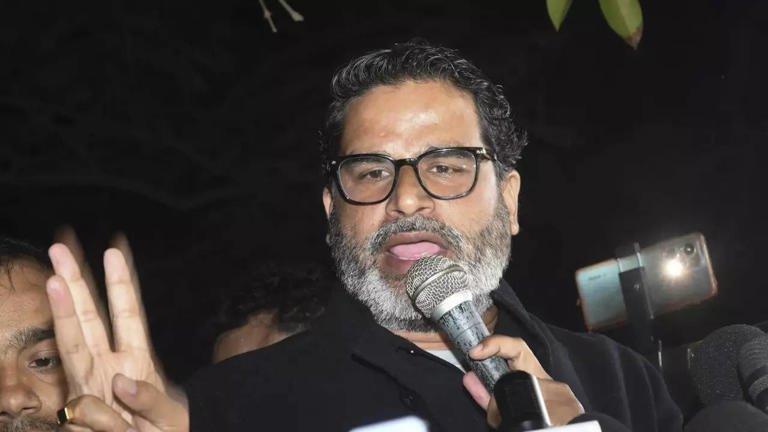
Patna, January 6, 2025 – Prashant Kishor, founder of the Jan Suraaj Party, has been sent to jail after refusing to comply with bail conditions. His arrest stems from ongoing protests against alleged corruption in the Bihar Public Service Commission (BPSC) exams. Kishor had been on a hunger strike since January 2, 2025, in solidarity with students protesting irregularities in the exam process.

Bail Conditions and Refusal

On January 6, the court granted Kishor bail but required him to avoid future protests and sign a bond of ₹25,000. However, he refused to agree to these terms, describing them as a violation of his principles. As a result, Kishor was sent to 14-day judicial custody. His lawyer has announced plans to challenge the bail conditions in a higher court, arguing that they restrict Kishor’s fundamental rights.

Allegations of Corruption in BPSC Exams

The controversy centers around the 70th Integrated Combined Competitive Examination. Students and activists have raised serious allegations, including:

  1. Paper Leaks: Claims have surfaced about leaked questions, particularly at an exam center in Patna.
  2. Sale of Government Posts: Students allege that key positions, such as Deputy Superintendent of Police (DSP), were sold for as much as ₹1.5 crore.
  3. Administrative Apathy: Protesters believe the government has not taken sufficient steps to address these issues.

These allegations have sparked widespread protests, with students demanding the cancellation of the exam, a re-examination, and action against corrupt officials.

Protests and Public Outcry

The protests began in December 2024 and have since intensified. Thousands of students have joined the movement, staging demonstrations and boycotting exams. On several occasions, clashes have erupted between the police and Kishor’s supporters.

Kishor’s hunger strike and arrest have brought even more attention to the issue. Many see him as a key voice for justice, while the government views his actions as disruptive.

Government Response

The Nitish Kumar government has labeled the protests illegal and taken a strong stance against the demonstrators. Officials have denied the allegations of corruption and filed FIRs against protesters. The Bihar Public Service Commission (BPSC) has admitted to irregularities at one center and announced a re-examination there. However, they have resisted calls to cancel the entire exam, arguing that the issues are localized.

Measures to Restore Trust in BPSC Exams

In response to the public outrage, the BPSC has introduced several reforms to ensure integrity in future exams:

  • CCTV cameras will monitor all exam centers.
  • Jammers will block unauthorized communication devices.
  • Bar-coded e-admit cards will enhance candidate verification.
  • Exam materials will be transported under GPS tracking.
  • Strict penalties will be imposed on candidates caught cheating.

These measures aim to restore trust among students and ensure fairness in future examinations.

Implications for Bihar’s Politics

Kishor’s arrest has amplified political tensions in Bihar. The protests reflect growing dissatisfaction with the state government’s handling of corruption and governance. Opposition leaders have rallied behind the movement, criticizing the government for failing to address public concerns.

If Kishor’s appeal against the bail conditions succeeds, it could embolden the protesters and escalate demands for reform. Conversely, a prolonged crackdown might suppress the movement but could also damage the government’s credibility.

The BPSC corruption controversy has exposed deep cracks in Bihar’s administrative and political systems. While the government faces mounting pressure to ensure transparency and accountability, the students’ fight for justice continues. The coming weeks will determine whether these protests lead to meaningful reforms or further political unrest.

Former Bangladeshi PM Sheikh Hasina Faces Arrest Warrant Over Allegations of Crimes Against Humanity

0

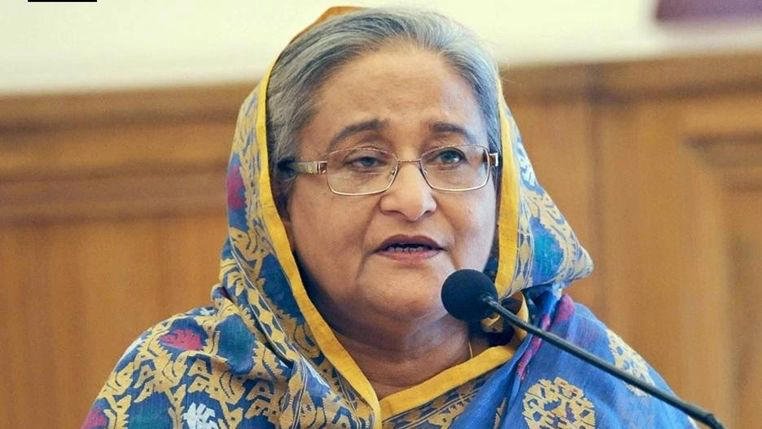
Dhaka, January 6, 2025 – The International Crimes Tribunal (ICT) in Bangladesh has issued an arrest warrant for former Prime Minister Sheikh Hasina, alongside ten others, in connection with allegations of extrajudicial killings and enforced disappearances during her tenure. Authorities have been directed to arrest and present Hasina before the tribunal by February 12, 2025.

The warrant comes in the wake of a protracted investigation into over 60 complaints of crimes against humanity allegedly committed during Hasina’s 16-year rule. The ICT’s focus includes specific incidents where security forces reportedly abducted individuals critical of the administration.

This development follows Hasina’s flight to India in August 2024 amid a student-led uprising that ousted her government. The Bangladeshi interim government, headed by Nobel laureate Muhammad Yunus, has been proactive in pursuing justice and has formally requested India’s cooperation for Hasina’s extradition.

Specific Allegations in the Enforced Disappearances Case

The ICT has detailed accusations against Hasina’s administration involving systematic use of enforced disappearances to silence dissent. Testimonies and evidence suggest that security forces abducted opposition members, journalists, and activists, with many victims remaining unaccounted for. These actions, labeled as crimes against humanity, have drawn widespread condemnation.

India’s Response to the Extradition Request

India’s Ministry of External Affairs has confirmed receiving the extradition request from Bangladesh. However, Indian officials have remained tight-lipped on the matter, indicating that any decision will require careful legal and diplomatic consideration. Analysts suggest that India’s handling of this case could have significant implications for its relationship with Bangladesh.

Status of Sheikh Hasina’s Legal Cases in Bangladesh

The ICT’s investigation is part of a broader legal effort to address alleged crimes committed during Hasina’s administration. Besides enforced disappearances, charges of corruption, abuse of power, and extrajudicial killings have also been filed. With the arrest warrant now in effect, Hasina’s legal battles are intensifying, adding to the interim government’s efforts to ensure accountability.

International Community’s Reaction

The international community has reacted cautiously to the arrest warrant. Human rights organizations, including Amnesty International and Human Rights Watch, have called for a fair trial while urging Bangladesh to adhere to international legal standards. Meanwhile, governments worldwide are closely monitoring the situation, recognizing the potential geopolitical ramifications of extraditing a former leader.

Implications for Bangladesh’s Political Landscape

If Sheikh Hasina is extradited and tried, it could mark a turning point for Bangladesh’s political trajectory. While her trial could reinforce the interim government’s commitment to accountability, it might also deepen political divisions in the country. Hasina’s supporters, both domestic and international, could perceive the actions against her as politically motivated, potentially fueling unrest. Conversely, a transparent legal process could restore public trust in democratic institutions and strengthen the rule of law.

The arrest warrant against Sheikh Hasina underscores the gravity of the allegations leveled against her administration. As Bangladesh’s judiciary and interim government work to address these allegations, the outcome of this case could significantly influence the country’s pursuit of justice and its democratic future. With international attention fixed on this development, the coming months promise to be pivotal for both Sheikh Hasina and Bangladesh.

India’s Border-Gavaskar Trophy Loss: Mistakes and Australia’s Winning Strategy

0

The Border-Gavaskar Trophy (BGT) saw India face a crushing defeat at the hands of Australia, sparking intense analysis of the team’s performance. Gautam Gambhir, the coach of the Indian cricket team, has openly acknowledged the shortcomings and pointed to specific mistakes that led to the loss. Here’s a detailed look at the factors behind India’s underperformance and Australia’s tactical brilliance.

 Mistakes Leading to India’s Loss

1. Batting Collapses Under Pressure India’s inability to post competitive totals was a recurring issue throughout the series. The team consistently failed to breach the 200-run mark in several matches, exposing vulnerabilities in their batting lineup. Top-order batters succumbed to pressure, while the middle-order lacked stability, resulting in frequent collapses.

2. Critical Fielding Errors Fielding, often considered the backbone of a winning team, became India’s Achilles’ heel during the series. Dropped catches and missed run-out opportunities allowed Australia to build critical partnerships. These lapses proved costly, tilting the momentum in Australia’s favor during crucial stages of the games.

3. Over-Reliance on Jasprit Bumrah Jasprit Bumrah’s stellar performances were a silver lining, but India’s over-dependence on him exposed the lack of depth in their bowling attack. Other bowlers struggled to deliver consistent results, allowing Australia to dominate during key moments. This imbalance in the bowling lineup diminished India’s ability to apply sustained pressure.

4. Questionable Tactical Decisions Gautam Gambhir highlighted the role of tactical errors under captain Rohit Sharma’s leadership. Strategic missteps, including questionable field placements and ineffective bowling changes, were points of contention. These decisions underscored the need for sharper adaptability and proactive captaincy.

Australia’s Winning Strategy

Australia’s success in the BGT was not just about exploiting India’s mistakes but also executing a well-planned strategy:

1. Ruthless Bowling Attack Australia’s pace duo, combined with the spin prowess of Nathan Lyon, consistently dismantled India’s batting lineup. Precise line and length, coupled with relentless pressure, ensured that Indian batters were always on the back foot.

2. Building Partnerships Australian batters capitalized on India’s fielding errors and constructed game-changing partnerships. Their ability to weather difficult periods and punish loose deliveries was instrumental in accumulating match-winning totals.

3. Exploiting India’s Vulnerabilities The Australian team studied India’s weaknesses meticulously, targeting specific players and exploiting conditions that favored their strengths. This strategic approach highlighted their superior preparation and execution.

The Impact of Jasprit Bumrah’s Injury

Jasprit Bumrah’s injury and subsequent absence during critical moments of the series significantly weakened India’s bowling attack. His ability to deliver under pressure was sorely missed, leaving a gap that the rest of the bowling unit struggled to fill. Without Bumrah, India lacked a reliable wicket-taker in crunch situations, allowing Australia to seize control.

India’s Path Forward

The Border-Gavaskar Trophy loss serves as a wake-up call for Indian cricket. Gautam Gambhir’s candid assessment of the team’s shortcomings underscores the need for a comprehensive overhaul in approach. Improving batting consistency, addressing fielding lapses, and developing a more balanced bowling attack will be critical for India’s success in future tournaments.

While the defeat is a setback, it also provides an opportunity for introspection and growth. With key lessons learned, India will aim to bounce back stronger in the upcoming international fixtures, striving to reclaim their dominance on the world stage.


Rahul Gandhi’s Call for Education Reform: A Journey Through India’s Classrooms

0

On a crisp morning at IIT Madras, a sense of anticipation filled the air as Congress leader Rahul Gandhi prepared to address a gathering of students and educators. It was not just a political event; it felt like a conversation with the nation’s youth about their dreams, challenges, and the role education plays in shaping their future. What unfolded that day was more than a speech—it was a heartfelt dialogue that placed ordinary people at the heart of the conversation about India’s education system.

The Seeds of Change

Rahul Gandhi began by recounting a visit to a remote village in Madhya Pradesh a few months earlier. Sitting on a simple charpoy, he had listened to the aspirations of a farmer’s daughter, Meena, who dreamed of becoming an astronaut. Her eyes lit up as she spoke of the stars, but her voice faltered when she mentioned her school’s broken laboratory equipment and the lack of resources to prepare for competitive exams. “Why should Meena’s dreams be smaller than those of a student in a metropolitan city?” Gandhi asked the audience at IIT Madras, his voice resonating with conviction.

This question, he explained, lay at the heart of his vision for education reform. “Education is the bridge between dreams and reality,” he said, “and it is the government’s responsibility to ensure that this bridge is strong, inclusive, and accessible to everyone.”

The Systemic Flaws

Rahul Gandhi’s critique of the current education system was sharp yet empathetic. He described it as restrictive, focused on rote learning, and overly geared toward a narrow set of careers like engineering and medicine. “Our system defines success in such limited terms,” he remarked. “It’s like telling children they must all fit into one mold, regardless of their unique talents and passions.”

He spoke of the psychological toll this takes on students, recounting conversations with young people across India who felt trapped in a system that prioritized marks over learning and competition over collaboration. Gandhi’s words struck a chord with students at IIT Madras, many of whom nodded in agreement.

A Farmer’s Perspective

From the bustling corridors of IIT Madras, Gandhi’s narrative shifted to a small farming community in Bihar. Here, he had met Ramesh, a middle-aged farmer struggling to educate his three children. Ramesh’s eldest son, Anil, had dropped out of school to work in the fields because the family couldn’t afford tuition fees for a private school. The government school in their village was understaffed, with teachers juggling multiple grades in a single classroom.

“Ramesh doesn’t want charity,” Gandhi told the IIT audience. “He wants a robust public education system that ensures his children get the same opportunities as those in urban India.”

The crowd murmured in agreement, and Gandhi continued. “This is not just Ramesh’s struggle. It is the struggle of millions of parents who believe in the transformative power of education but are let down by the system.”

The Vision for Reform

Rahul Gandhi’s vision for reform was both pragmatic and aspirational. He outlined several key pillars:

  1. Increased Government Spending Gandhi emphasized the need for significantly increased public investment in education. “Quality education cannot be left to the whims of privatization,” he argued. “We need to strengthen our public institutions so that every child, regardless of their socio-economic background, has access to excellent education.”
  2. Broadening Career Horizons He called for a shift in how success is defined, advocating for an education system that values diverse talents and career paths. “Why should a child’s worth be measured only by their ability to crack engineering or medical entrance exams?” he asked.
  3. Fostering Creativity and Innovation Gandhi proposed an overhaul of the curriculum to nurture creativity and critical thinking. “We must move away from rote learning and create an environment where children can explore, experiment, and innovate,” he said.
  4. Equitable Resource Distribution Drawing a stark contrast to the BJP’s trickle-down economic model, Gandhi advocated for fair resource distribution. “A harmonious society is one where opportunities are equally distributed,” he noted. “This is not just a moral imperative; it is essential for national progress.”

A Teacher’s Tale

During his speech, Gandhi shared the story of Anjali Sharma, a dedicated government school teacher in Rajasthan. Despite limited resources, Anjali had transformed her school by introducing creative teaching methods and fostering a love for learning among her students.

“Teachers like Anjali are our unsung heroes,” Gandhi said. “Imagine what they could achieve if we provided them with the tools and support they deserve.”

His words drew applause from the audience, many of whom were inspired by Anjali’s commitment.

The Role of Common People

At the heart of Gandhi’s vision was a belief in the power of ordinary citizens to drive change. He spoke of community-led initiatives where parents and local leaders had come together to improve the quality of education in their villages. “When people take ownership of their schools, miracles happen,” he said. “This is the kind of participatory approach we need to scale across the country.”

He also called for students and youth to play a proactive role in shaping the future of education. “Your voices matter,” he told the IIT students. “You have the power to challenge the status quo and demand a system that works for everyone, not just a privileged few.”

Contrasting Philosophies

Gandhi’s speech also drew a sharp contrast between his vision and the BJP’s approach to education. He criticized the current government for focusing on market-driven solutions and failing to address systemic inequities. “Education is not a commodity,” he declared. “It is a fundamental right, and treating it as a business will only deepen the divides in our society.”

He further critiqued the trickle-down economic philosophy, arguing that it has not delivered the promised benefits to India’s marginalized communities. “We need a bottom-up approach that empowers every citizen,” he said.

The Road Ahead

As the session concluded, Gandhi’s parting words left a lasting impression. “The change we seek will not happen overnight,” he acknowledged. “But every step we take to strengthen our public education system brings us closer to a future where every child’s potential is realized.”

The students rose to their feet, applauding not just the ideas shared but the sincerity with which they were delivered. Outside the auditorium, discussions continued as young minds debated and reflected on the role they could play in shaping India’s educational landscape.

Empowering the Nation

Rahul Gandhi’s interaction at IIT Madras was more than a policy pitch; it was a rallying cry for collective action. By centering the voices of common people—from farmers and teachers to students and community leaders—he underscored that the journey toward educational reform is one that belongs to everyone.

In the months that followed, his vision sparked conversations across the country. Villages organized meetings to discuss school improvement plans, students launched campaigns demanding better facilities, and teachers shared innovative ideas on social media. Gandhi’s words had lit a spark, and it was clear that the people of India were ready to transform their dreams into reality.


The Upcoming 2025 Delhi Assembly Elections: A Crucial Political Battleground

0

The Delhi Assembly elections, scheduled for February 2025, are shaping up to be a pivotal event in India’s political landscape. The Aam Aadmi Party (AAP), which has been in power for two consecutive terms since 2015, faces formidable challenges from the Bharatiya Janata Party (BJP) and the Indian National Congress (INC). This election is not just about governance and local issues but also reflects broader political dynamics influencing the national stage.

Historical Context

Delhi’s Assembly elections have a rich history, with the first elections held in 1993. Over the years, Delhi’s political scene has undergone significant transformations. The 2025 elections will be the sixth since the assembly’s establishment and carry the weight of AAP’s previous landslide victories in 2015 and 2020, where it secured overwhelming majorities in the 70-member assembly. These elections offer a litmus test for AAP’s governance and its ability to sustain voter confidence amidst growing challenges.

Elections in Delhi, the National Capital Territory of India, are conducted in accordance with the Constitution of India. The Delhi Assembly has the authority to legislate on local body elections independently; however, any modifications to the procedures for state-level elections require approval from the Parliament of India. Furthermore, under Article 356 of the Indian Constitution, the Parliament has the power to dismiss the state legislature and impose President’s rule.

Main Political Parties

The major political parties in Delhi include the Aam Aadmi Party (AAP), Indian National Congress (INC), and Bharatiya Janata Party (BJP). Currently, AAP holds the majority in the Delhi Legislative Assembly. Historically, other parties such as Bharatiya Jana Sangh (BJS), Janata Party (JP), and Bahujan Samaj Party (BSP) have also played significant roles in the region.

Lok Sabha Elections

The following table summarizes the Lok Sabha election results in Delhi over the years:

Election Year Winners
1952 INC: 3 & KMPP: 1
1957 INC: 5
1962 INC: 5
1967 BJS: 6 & INC: 1
1971 INC: 7
1977 JP: 7
1980 INC: 6 & JP: 1
1984 INC: 7
1989 BJP: 4, INC: 2 & JD: 1
1991 BJP: 5 & INC: 2
1996 BJP: 5 & INC: 2
1998 BJP: 6 & INC: 1
1999 BJP: 7
2004 INC: 6 & BJP: 1
2009 INC: 7
2014 BJP: 7
2019 BJP: 7
2024 BJP: 7

Vidhan Sabha Elections

The following table outlines the Vidhan Sabha election results:

Year Election Type Party-wise Details Chief Minister
1952 First Assembly Total: 48. INC: 39, BJS: 5 Chaudhary Brahm Prakash
Gurmukh Nihal Singh

The Vidhan Sabha was abolished from 1956 to 1993, with subsequent elections held in 1993, 1998, 2003, 2008, 2013, 2015, and 2020.

Metropolitan Council Elections

The following table highlights key Metropolitan Council elections:

Election Year Chairman Party-wise Break-up
1967 L. K. Advani (BJS) BJS: 33/56, INC:19/56
1972 Mir Mushtaq Ahmed (INC) INC:44/56, BJS :5/56
1977 Kalka Dass (JP) JP:46/56, INC :10/56

Municipal Corporation Elections

The following table summarizes recent Municipal Corporation elections:

Election Year Mayor Party-wise Break-up
2007 Total:272. BJP:164, INC:67
2012 Total:272. BJP:142, INC:77
2017 Total:270. BJP:181, AAP:48, INC:30
2022 Total:250. AAP:134, BJP104, INC9

Elections in Delhi reflect a dynamic political landscape influenced by various parties over time.

The Role of the Lieutenant Governor in Delhi Assembly Elections

The role of the Lieutenant Governor (LG) in Delhi significantly impacts the timing and dynamics of the Delhi Assembly elections due to the constitutional framework governing the National Capital Territory (NCT) of Delhi. Here are the key aspects:

Constitutional Authority and Powers

  • Summoning and Proroguing Sessions: The LG has the authority to summon the Legislative Assembly to meet at his discretion, ensuring that no more than six months elapse between sessions. This power can influence when elections are scheduled, as the assembly must convene for its first session after elections within this timeframe.
  • Dissolution of the Assembly: The LG can also dissolve the Legislative Assembly, which directly affects the timing of elections. If the assembly is dissolved, elections must be held within a stipulated period, typically six months.
  • Discretionary Powers: Under Article 239AA of the Constitution, while the LG is expected to act on the advice of the Council of Ministers, there are circumstances where he may exercise discretion. This discretion can lead to delays or advancements in election schedules depending on political conditions and governance issues.

Judicial Oversight

Recent judicial rulings have clarified the LG’s powers concerning assembly functions. The Supreme Court has indicated that while the LG can take certain actions independently, these should align with constitutional provisions and not undermine the elected government. This judicial oversight can affect how and when elections are conducted based on the LG’s actions or inactions.

Political Context

The political landscape in Delhi often influences how the LG’s powers are exercised. For instance, tensions between the elected government and the LG may lead to delays in convening sessions or other actions that could impact election timelines. Political maneuvering can also result in calls for early elections or extensions depending on prevailing circumstances.

In summary, the Lieutenant Governor’s role is pivotal in determining not only when elections occur but also how they unfold within Delhi’s unique governance structure. His powers to summon, prorogue, or dissolve the assembly directly affect electoral timing and political stability in the NCT of Delhi.

Responsibilities of the Lieutenant Governor in Delhi

The Lieutenant Governor (LG) of Delhi holds a significant role as the constitutional head of the National Capital Territory (NCT) of Delhi, with responsibilities defined by the Constitution of India, particularly under Article 239AA. Here are the key responsibilities of the Lieutenant Governor:

  • Constitutional Head: Acts as the constitutional head of the Union Territory, representing the central government in Delhi’s administration.
  • Administration and Governance: Oversees reserved subjects such as public order, police, and land management in Delhi.
  • Appointments: Appoints the Chief Minister and other ministers based on the Chief Minister’s advice, while also having discretionary powers in certain matters.
  • Legislative Functions: Can promulgate ordinances and reserve bills for Presidential consideration, thereby influencing legislative processes within the territory.
  • Law and Order: Responsible for maintaining law and order, particularly crucial in a metropolitan area like Delhi.
  • Discretionary Powers: Acts on the aid and advice of the Council of Ministers except in matters where discretion is legally mandated, allowing for a balance between executive authority and ministerial advice. In cases of disagreement with ministers, can refer matters to the President for resolution.
  • Executive Leadership: Functions as the executive leader during President’s Rule, where he can appoint a council of ministers to assist in governance.

Differences Between the Governor of a State and the Lieutenant Governor of Delhi

The roles of the Lieutenant Governor and the Governor in a state differ significantly, primarily in terms of authority, responsibilities, and the nature of their appointments.

Aspect Governor Lieutenant Governor
Election Elected by the public Appointed by the President
Authority Chief executive with broad powers Secondary executive with limited authority
Responsibilities Implements laws, manages executive branch Assumes duties of Governor when absent
Legislative Role Proposes legislation, vetoes bills Often presides over Senate sessions

While both positions play crucial roles in governance, the Governor holds primary executive power and is directly accountable to voters, whereas the Lieutenant Governor acts as a support role with varying responsibilities depending on state-specific laws.

The Stakes of the 2025 Election

Political Landscape Shift

The BJP, which failed to secure a single seat in the last two assembly elections, is aiming for a major comeback. It has sharpened its criticisms of AAP, particularly targeting the party’s governance, financial management, and alleged inefficiencies in public service delivery. The INC, though weakened, is also attempting to regain relevance by addressing voter concerns and forming alliances with smaller parties to consolidate its position.

Leadership Contest

The election promises intense competition between prominent leaders such as Arvind Kejriwal of AAP and Parvesh Verma of BJP. The New Delhi constituency, a key battleground, will be a focal point as voters decide between continuity under AAP’s leadership and BJP’s promise of change.

Strategic Implications

For AAP, retaining power is essential to solidify its status as a dominant political force in Delhi. Conversely, for the BJP and INC, this election represents an opportunity to reassert their influence in the capital and address public discontent over local governance issues.

Key Issues in the Election

Governance and Financial Management

The BJP has accused AAP of mismanaging Delhi’s finances, claiming that the city’s budget surplus has turned into a deficit under its administration. This narrative could resonate with voters concerned about economic stability and accountability.

Public Services and Infrastructure

Education, healthcare, and transportation remain central themes in the campaign. While AAP highlights its achievements, such as improved government schools and mohalla clinics, opposition parties have pointed to gaps in infrastructure and alleged inefficiencies in service delivery.

Environmental Concerns

Pollution, waste management, and the cleaning of the Yamuna River are critical issues. Both the BJP and INC have criticized AAP’s handling of environmental challenges, emphasizing the need for sustainable solutions.

Public Sentiment on Policies

AAP’s policies on free electricity, water, and subsidized public transport have garnered mixed reactions. While these initiatives are popular among lower-income groups, critics argue they strain the city’s finances.

Understanding Governance Structures: Nagar Nigam vs. Vidhan Sabha

To contextualize the election, it is essential to differentiate between Delhi’s two key governing bodies:

  • Nagar Nigam (Municipal Corporation): Handles local civic issues such as sanitation, waste management, water supply, and local infrastructure. It operates at the municipal level.
  • Vidhan Sabha (Legislative Assembly): Governs the entire state or union territory, dealing with broader legislative functions, including law-making, budget approval, and state-level policy formulation.

Challenges for the AAP

Leadership and Internal Strife

AAP has faced internal challenges, including dissatisfaction among party members over candidate selections and perceived favoritism. Resignations and defections have highlighted internal discord, adding to the party’s challenges.

Legal and Governance Issues

Allegations of corruption, particularly in the liquor policy scam, have tarnished AAP’s image. Critics argue that the party has struggled to effectively communicate its governance achievements amidst these controversies.

Public Discontent

Unfulfilled promises, such as cleaning the Yamuna River and improving public services, have led to voter disillusionment. Environmental issues and infrastructure gaps further amplify public dissatisfaction.

The BJP’s Campaign Strategy

Focus on Governance

The BJP is emphasizing governance and accountability, criticizing AAP’s alleged corruption and inefficiencies. It has promised initiatives aimed at job creation, financial support for women, and improved infrastructure.

Economic Development

The BJP’s economic agenda includes reducing inflation and promoting policies that support small businesses and entrepreneurs. It aims to present itself as a viable alternative to AAP’s governance.

Security and National Identity

The BJP’s campaign includes promises to enhance safety and security in Delhi while appealing to nationalist sentiments. It aims to consolidate support among communities concerned about cultural and demographic changes.

The Congress’s Role

Recent Resurgence

The INC’s improved performance in recent elections, including strategic alliances with regional parties, has revived its prospects. However, internal challenges and limited resources remain obstacles to reclaiming its former dominance in Delhi.

Campaign Focus

The party is emphasizing social justice, economic equity, and improving public services. By addressing issues like education and healthcare, the INC hopes to attract voters disillusioned with both AAP and BJP.

Comparing Policies: BJP vs. AAP

Governance Philosophy

  • BJP: Advocates a centralized approach focusing on large-scale infrastructure projects and economic empowerment.
  • AAP: Emphasizes grassroots governance, prioritizing education, healthcare, and basic utilities.

Key Areas

  • Education: While AAP highlights improved government schools, the BJP criticizes the state’s handling of education funds and claims credit for central initiatives.
  • Healthcare: AAP’s mohalla clinics are contrasted with BJP’s Ayushman Bharat scheme, highlighting differing approaches to public health.
  • Utilities: AAP’s free electricity policy is pitted against BJP’s promises of reducing power bills through sustainable energy initiatives.

The Liquor Scam Case: Impact on AAP’s Voter Base

The ongoing liquor scam case has polarized voter sentiment. While some view the allegations as politically motivated, others see them as a reflection of governance issues. AAP’s ability to counter these narratives will significantly influence its electoral prospects.

Challenges

  • Perception of Corruption: Allegations have damaged AAP’s image as a clean governance advocate.
  • Opposition Unity: The BJP and INC have leveraged the controversy to rally voter discontent.

Opportunities

AAP’s counter-narrative, framing the charges as a political vendetta, may help retain its core voter base while attracting sympathy from undecided voters.

Conclusion

The 2025 Delhi Assembly elections are more than a contest between political parties; they are a referendum on governance, accountability, and the future of Delhi’s development. With critical issues ranging from financial management to public services and environmental sustainability, voters face a choice that will shape the capital’s trajectory for years to come. As the campaign unfolds, the strategies of AAP, BJP, and INC will be instrumental in determining the outcome of this high-stakes election.

New Era in Delhi Legislative Assembly: Insights into Its History and Current Composition

The Delhi Legislative Assembly, a unicameral body and the legislative arm of the National Capital Territory (NCT) of Delhi, holds a significant place in Indian democracy. Established in 1952, its journey is marked by transformation, adaptation, and pivotal legislative milestones.

A Brief History

The Assembly’s origins trace back to March 7, 1952, under the Government of Part C States Act, 1951, with 48 members inaugurated by then Home Minister K.N. Katju. The first Chief Minister, Chaudhary Brahm Prakash, led a Council of Ministers advising the Chief Commissioner. However, the States Reorganisation Act of 1956 led to the Assembly’s dissolution as Delhi transitioned to a Union Territory.

From 1966 to 1990, the Delhi Metropolitan Council functioned as an advisory body. Legislative autonomy returned in 1991 through the Constitution (Sixty-ninth Amendment) Act and the Government of National Capital Territory of Delhi Act, enabling Delhi to elect its legislative representatives.

The Assembly Today

Currently, the seventh Delhi Legislative Assembly comprises 70 elected members from constituencies across the NCT. The Assembly’s tenure is five years unless dissolved earlier. The Old Secretariat building, an architectural relic from 1912, serves as its seat.

Leadership and Members

The present Assembly, formed in 2020, reflects Delhi’s dynamic political landscape. Notable office-bearers include:

  • Chief Minister: Atishi Marlena Singh (Aam Aadmi Party) since September 17, 2024.
  • Speaker: Ram Niwas Goel, holding the position since 2015.
  • Deputy Speaker: Rakhi Birla.

The opposition is led by Vijender Gupta of the Bharatiya Janata Party, reflecting the Assembly’s vibrant democratic structure.

Challenges and Resignations

While the Aam Aadmi Party (AAP) maintains a significant majority, the Assembly has seen notable shifts, including resignations of key members like Kailash Gahlot and Saurabh Bharadwaj. Recent defections and disqualifications have left some constituencies vacant, signalling evolving political strategies.

The Road Ahead

As Delhi prepares for its next Legislative Assembly elections in 2025, challenges such as urban governance, pollution, and housing dominate public discourse. The Assembly’s legislative measures will continue shaping Delhi’s growth as a global capital city.
From its modest beginnings to becoming a key pillar of Delhi’s governance, the Legislative Assembly embodies the spirit of democracy and decentralisation. Its current leadership and evolving dynamics underscore its pivotal role in addressing the aspirations of Delhi’s residents.

Prime Minister Narendra Modi Unveils Key Infrastructure Projects in Delhi Worth ₹12,200 Crore

0

New Delhi, January 5, 2025: Prime Minister Narendra Modi today inaugurated a series of transformative infrastructure projects in the National Capital Region (NCR), with a total investment of over ₹12,200 crore. The landmark initiatives include the Namo Bharat Rapid Rail Transit System (RRTS), expansions to the Delhi Metro, and the launch of the Central Ayurveda Research Institute (CARI), among others. These projects aim to significantly improve urban connectivity, healthcare, and the quality of life for millions of residents.

1. Namo Bharat Corridor (Delhi-Ghaziabad-Meerut)

The Prime Minister inaugurated a 13-kilometer stretch of the Delhi-Ghaziabad-Meerut RRTS, connecting Sahibabad in Ghaziabad to New Ashok Nagar in Delhi. This corridor, built at a cost of ₹4,600 crore, marks Delhi’s first Namo Bharat connectivity.

Key Features of the Namo Bharat Train:

  • High-Speed Transit: Capable of reaching speeds of up to 180 km/h, reducing travel time between Delhi and Meerut to under 40 minutes.
  • Modern Amenities: Includes Wi-Fi, ergonomic seating, luggage racks, and priority areas for differently-abled passengers.
  • Sustainability: The trains are energy-efficient, utilizing regenerative braking technology to minimize carbon emissions.

Impact on Daily Commuters:

  • The corridor is expected to revolutionize regional transit by reducing dependency on private vehicles.
  • Enhanced safety, punctuality, and comfort will attract a broader spectrum of daily commuters.

Engineering Feats:

  • Seamless Integration: Features advanced signaling systems and elevated tracks to ensure uninterrupted operations.
  • Precision Construction: The project was completed with state-of-the-art engineering to navigate dense urban areas while minimizing disruptions.

2. Delhi Metro Phase-IV Expansion

A new 2.8-kilometer stretch between Janakpuri and Krishna Park was inaugurated, costing ₹1,200 crore. This extension is expected to enhance connectivity for residents in West Delhi, integrating with the broader metro network.

Benefits:

  • Provides faster access to educational institutions, workplaces, and healthcare facilities.
  • Reduces road congestion and promotes the use of public transportation, contributing to reduced vehicular emissions.

3. Foundation for Rithala-Kundli Metro Corridor

The Prime Minister laid the foundation stone for the 26.5-kilometer metro corridor connecting Rithala in Delhi to Kundli in Haryana. With an estimated cost of ₹6,230 crore, this corridor will enhance cross-state connectivity and economic integration in the region.

4. Central Ayurveda Research Institute (CARI)

A new state-of-the-art facility in Rohini, built with an investment of ₹185 crore, was also inaugurated. The institute will advance Ayurvedic research and provide modern healthcare solutions, supporting India’s traditional medicine sector.

Enhancing Multi-Modal Connectivity

The Namo Bharat corridor integrates seamlessly with existing metro lines and other transportation systems, creating a unified network for commuters. Passengers will benefit from reduced transfer times and improved first- and last-mile connectivity.

PM Modi’s Engagements

As part of the day’s events, Prime Minister Modi took a ride on the Namo Bharat train from Sahibabad to New Ashok Nagar. He highlighted the transformative potential of these projects and reiterated the government’s commitment to urban development and sustainable infrastructure.

These projects are set to boost regional connectivity, ease traffic congestion, and support economic growth in Delhi and its neighboring states. By investing in cutting-edge transit solutions and healthcare facilities, the government aims to improve the quality of life for millions of residents, fostering a more connected and sustainable future.


Supreme Court Reprimands Advocate Mathews J. Nedumpara Over Allegations of Nepotism in Senior Advocate Designations

0

In a significant development, the Supreme Court of India has recently reprimanded Advocate Mathews J. Nedumpara for making allegations of nepotism and favoritism within the judiciary. The allegations arose from a petition challenging the Delhi High Court’s decision to designate 70 advocates as Senior Advocates. The court’s sharp response highlights ongoing concerns over judicial transparency, the integrity of the legal profession, and the responsibilities of legal practitioners when making claims against the judiciary.

The Allegations Made by Advocate Mathews J. Nedumpara

The petition filed by Advocate Nedumpara took issue with the process through which the Delhi High Court designated 70 advocates as Senior Advocates. In his petition, Nedumpara suggested that the process of selecting Senior Advocates had become tainted by nepotism. He alleged that it was nearly impossible to find a constitutional court judge whose relatives had not been granted Senior Advocate status, insinuating a systemic issue where family connections played a crucial role in these appointments. His claims pointed to a deeper, institutionalized problem within the judiciary, questioning whether the process was based on merit or influenced by familial ties.

The allegations made by Nedumpara were far-reaching, accusing the judiciary of systemic favoritism that undermined the fairness and transparency of the Senior Advocate selection process. His assertions suggested that the integrity of judicial appointments was being compromised by personal and family connections, leading to a distorted and biased system of appointments in one of the highest echelons of India’s legal community.

The Supreme Court’s Response

The Supreme Court of India, particularly Justices BR Gavai and KV Viswanathan, swiftly and forcefully responded to these allegations. They condemned the claims made by Nedumpara, describing them as “scurrilous and unfounded.” The justices expressed their strong disapproval of such serious accusations being made without substantial evidence, noting that baseless claims could have severe consequences on the credibility of the judicial system.

Justice Gavai, speaking for the bench, remarked that the courtroom should not be used as a platform for grandstanding or for making sensational, unsupported claims. He emphasized that any serious allegations against the judiciary must be backed by credible evidence, and that such remarks without proof would not be tolerated. The Court warned Nedumpara that if he failed to amend his petition and remove the allegations, legal action could be initiated against him and the other petitioners involved in the case.

In the course of the proceedings, the Supreme Court indicated that it would take a very serious view of unfounded allegations that damage the reputation of the judiciary. The Court underscored that the integrity of the judicial system must be protected, and accusations of favoritism and nepotism require clear, convincing evidence before they can be made in a court of law.

The Consequences of Contempt of Court

The repercussions of making baseless and defamatory allegations against the judiciary can be severe, as demonstrated by the Court’s warning of possible legal action. In India, making such accusations can lead to contempt of court charges, which can carry both criminal and civil penalties.

Contempt of Court refers to behavior that disrespects or undermines the authority of the judiciary. In this case, allegations that attack the integrity of the judicial system, particularly without proof, can be deemed to “scandalize” the court, a form of criminal contempt.

Under the Contempt of Courts Act, 1971, consequences of criminal contempt can include:

  1. Imprisonment: Offenders can be imprisoned for up to six months.
  2. Fines: A fine of up to ₹2,000 can be imposed.
  3. Suspension or Disbarment: Legal professionals found guilty of contempt can be suspended or disbarred from practicing law.
  4. Public Apology: In some cases, an apology may be accepted, and the charges may be dropped.

In this case, the Supreme Court’s stern warning against Nedumpara indicates the Court’s intent to take serious action if the allegations remain unfounded or are not substantiated. Legal professionals must exercise caution when making claims about the judiciary, as unproven allegations can undermine the authority of the legal system.

The Controversy Surrounding Senior Advocate Designations

The controversy surrounding the designation of Senior Advocates in India is not new. The process of granting this prestigious title has often been criticized for its perceived lack of transparency and the potential for favoritism. Senior Advocate status is a prestigious designation granted to lawyers who have demonstrated excellence in legal practice and are considered to have a high level of expertise. However, in recent years, allegations of bias, nepotism, and political influence have cast a shadow over the process.

In this particular case, the controversy was further fueled by the resignation of a member of the selection committee involved in the process. The committee member claimed that the final list of Senior Advocates was prepared without his agreement, suggesting that the process might not have been fully transparent or conducted in accordance with established procedures. This resignation raised questions about the internal dynamics and decision-making processes within the committee tasked with making such important decisions.

The issue of favoritism in the selection of Senior Advocates has sparked widespread debate about the need for reform in the process. Critics argue that there should be clearer criteria for selection and that the process should be open and transparent to avoid any suspicion of bias. Despite this, supporters of the current system argue that the discretion of judges is essential in recognizing the contributions and expertise of senior lawyers.

The Process for Designating Senior Advocates in India

The designation of Senior Advocates in India is governed by Section 16 of the Advocates Act, 1961. Under this provision, High Courts are responsible for determining who can be designated as Senior Advocates, based on their merit, legal experience, and contributions to the legal profession. The selection process generally involves the following steps:

  1. Application or Nomination: Advocates may either apply for designation or be nominated by their peers or judicial officers.
  2. Committee Review: The High Court typically forms a committee to assess the applications or nominations. This committee is usually composed of senior judges of the court, and in some cases, other legal professionals.
  3. Criteria for Selection: The committee considers factors such as legal acumen, experience, contributions to the legal community, and professional integrity. However, the specific criteria are not always publicly available, leading to concerns over transparency.
  4. Voting: In some instances, the full bench of the High Court votes on the final list of Senior Advocates, and a majority vote is required for approval.
  5. Formal Notification: Once selected, the Senior Advocate designation is formally announced, granting the individual the right to wear the special gown and enjoy higher standing in court.

While the process is meant to be based on merit, recent controversies have raised concerns about its objectivity and fairness. Advocates like Nedumpara believe that the system is flawed and subject to undue influence from personal and political networks.

Broader Implications

This case has broader implications for the legal profession in India, highlighting the tension between judicial accountability and the need for respect for the judiciary’s independence. While it is essential to ensure transparency in judicial appointments and advocate designations, it is equally important that claims against the judiciary be made responsibly and based on concrete evidence.

The Supreme Court’s response underscores the judiciary’s commitment to upholding its integrity while also emphasizing that baseless allegations could erode public confidence in the judicial system. Legal professionals must balance the pursuit of reform with a respect for the institution, ensuring that calls for transparency do not cross into unwarranted attacks on the integrity of the system.

In conclusion, while the process of designating Senior Advocates in India may require reform, it is equally important that accusations against the judiciary be made with caution and substantiated by evidence. The case of Advocate Mathews J. Nedumpara serves as a reminder of the delicate balance between judicial criticism and the need to maintain the respect and authority of India’s legal institutions.