Saturday, June 27, 2026
Home Blog Page 4

Yogi Adityanath Sparks Debate Over Temple-Mosque Disputes, Calls Waqf Board a ‘Land Mafia’ Prayagraj

0

Uttar Pradesh Chief Minister Yogi Adityanath has stirred a fresh wave of debate over temple-mosque disputes, asserting a firm stance on reclaiming land associated with Hindu heritage. During a public address in Prayagraj, Adityanath stated, “We will reclaim every inch of land,” in response to claims that parts of the Maha Kumbh Mela site are situated on Waqf Board land.

In a scathing critique, the Chief Minister labeled the Waqf Board a “Board of Land Mafias,” accusing it of making baseless and malicious claims over properties. His remarks come amid rising tensions over ownership disputes of religious sites, including the recent controversies surrounding the Shahi Jama Masjid in Sambhal.

Adityanath’s Call for Change

Adityanath’s remarks went beyond land disputes, targeting the characterization of disputed structures as mosques. He argued that identifying such structures as mosques contradicts Islamic principles. “The day we stop calling it a mosque, people will stop going there,” he stated, adding that Islam does not require specific structures for prayer, unlike Sanatan Dharma, where temples are integral to worship.

The Chief Minister referred to historical accounts, including the Ain-i-Akbari, which details the destruction of Hindu temples to construct mosques, such as the Jama Masjid in Ayodhya. He urged followers of Islam to acknowledge historical realities, suggesting that such recognition could pave the way for reconciliation.

Tensions Over Waqf Land

The Waqf Board’s claims regarding the Maha Kumbh Mela site have drawn significant attention. Adityanath dismissed these claims outright, stating that the land belongs to the state and the people. The ongoing legal disputes over Waqf land and its ownership have become a flashpoint in discussions about heritage and religious identity.

Recent unrest in Sambhal, where violent clashes broke out over the Shahi Jama Masjid’s ownership, has heightened the stakes in these disputes. Adityanath’s comments have added fuel to an already volatile situation, sparking debates on the interpretation of the Places of Worship Act and its implications for resolving such conflicts.

Reactions and Political Implications

Adityanath’s statements have polarized opinion. Supporters laud his firm commitment to protecting Hindu heritage and addressing land disputes. Critics, however, accuse him of deepening communal divisions and using sensitive issues for political gain ahead of the upcoming elections.

Legal experts have also weighed in, highlighting potential consequences for those who claim Waqf land at the Maha Kumbh site. Many anticipate an increase in court cases challenging the validity of Waqf claims, which could have far-reaching implications for property laws and religious harmony.

A Call for Unity Amidst Controversy

While his remarks have drawn sharp criticism, Adityanath called for mutual respect between communities. He urged religious groups to move towards reconciliation by acknowledging historical truths and respecting each other’s faiths.

The Maha Kumbh Mela, expected to draw millions of devotees, remains a symbol of India’s rich spiritual heritage. As preparations continue, the land disputes surrounding it underline the complexities of balancing religious sentiments with modern governance.


Prime Minister Modi Greets Nation on Ram Temple Anniversary in Ayodhya

0

Ayodhya, January 11, 2025
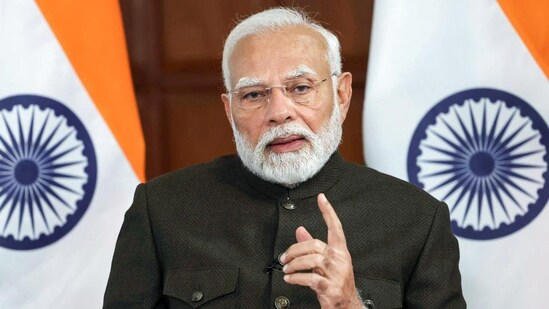
In a heartwarming celebration of faith and culture, Ayodhya came alive as devotees gathered to commemorate the first anniversary of the consecration of Ram Lalla at the Ram Temple. Prime Minister Narendra Modi extended his greetings to the nation, emphasizing that the temple stands as a tribute to “centuries of sacrifice, penance, and struggle,” embodying the spiritual and cultural essence of India.

The celebrations, aptly titled Pratishtha Dwadashi, commenced on January 11 and will continue until January 13, 2025, offering a rich blend of rituals, cultural events, and spiritual gatherings designed to engage devotees and dignitaries alike.

A Festival of Rituals and Devotion

The sacred grounds of the Ram Temple echoed with the chants of six lakh Shri Ram Mantras as part of the Agnihotra rituals conducted during two daily sessions. Priests recited verses from the Shukla Yajurveda, filling the air with divinity.

Chief Minister Yogi Adityanath is set to perform the grand Maha Abhishek ritual, a highlight of the festivities. A grand aarti and the offering of 56 dishes to Ram Lalla have also been planned, symbolizing devotion and gratitude.

Culture Meets Faith

The celebrations seamlessly blend spirituality with culture. Renowned artists, including folk singer Malini Awasthi and playback singer Anuradha Paudwal, are performing devotional songs. Poets like Kumar Vishwas are adding lyrical depth with recitations inspired by the Ramcharitmanas.

Daily Ram Katha discourses, held at Angad Tila, provide devotees with reflections on the life and values of Lord Ram. Performances featuring classical music, Raga Seva, and devotional dances bring an artistic dimension to the event.

Community and Inclusivity

In a move to ensure inclusivity, the Shri Ram Janmabhoomi Teerth Kshetra Trust has made elaborate arrangements for both VIPs and the general public. A sprawling tent at Angad Tila can accommodate up to 5,000 attendees, ensuring everyone can partake in the festivities.

Unlike the restricted access during the original consecration, this anniversary is open to all, requiring no special passes for darshan. The trust has actively encouraged pilgrims from all over the country to visit Ayodhya during this significant event, highlighting its importance as a celebration of communal spirit.

Spiritual and Cultural Legacy

The choice of January 11, which corresponds to Kurma Dwadashi in the Hindu calendar, reflects a deep adherence to tradition and spiritual significance. The festival not only honors the Ram Temple as a symbol of India’s heritage but also highlights Ayodhya’s emergence as a vibrant center of religious tourism.

This anniversary serves as a reminder of the temple’s role in uniting millions of devotees, fostering a shared sense of faith, and rejuvenating Ayodhya’s local economy. The influx of pilgrims has boosted local businesses, while cultural programs have brought the community together, reinforcing a sense of pride and belonging.

As the three-day celebration unfolds, Ayodhya stands as a testament to India’s enduring spiritual and cultural legacy, welcoming devotees and visitors to be part of this historic moment.

Elon Musk Warns of Population Collapse in India and China, Calls it Humanity’s Greatest Threat

0

Billionaire entrepreneur Elon Musk has once again sounded the alarm over global population trends, this time highlighting the sharp declines projected for India and China by the year 2100. In a striking post on X (formerly Twitter), Musk endorsed a graph showing that India’s population could shrink by 400 million, reaching just under 1.1 billion, while China might see an even steeper decline of 731 million, leaving it with only 731.9 million people. Musk’s one-word response, “Yes,” underscored his deep concern, sparking a global debate about the economic and societal implications of these demographic shifts.

Musk, known for his outspoken views on population dynamics, has consistently warned that declining birth rates and aging populations pose a greater risk to civilization than climate change. He attributes the trend to falling fertility rates, longer life expectancies, and emigration patterns that drain younger generations from their homelands. “Population collapse is coming,” Musk has previously declared, urging governments to take urgent action to counter these trends. He advocates for policies that incentivize higher birth rates, especially in countries like Japan and parts of Europe, where aging populations are already straining economies.

The economic ripple effects of population decline in India and China could be monumental. Shrinking workforces may lead to severe labor shortages, stifling industrial output and technological progress. Meanwhile, the surging growth of nations like Nigeria, which could surpass China’s population by 2100 with a projected 790.1 million people, signals a seismic shift in global economic power. These demographic shifts could redefine international dynamics, placing Africa at the forefront of future growth and innovation while leaving aging societies grappling with stagnation.

As Musk’s comments reignite conversations on population decline, experts are echoing the need for immediate solutions. From increasing family support policies to leveraging AI and automation to offset workforce reductions, the path forward requires bold and innovative measures. Musk’s warning serves as a wake-up call to governments worldwide: the future of humanity depends not only on addressing climate change but also on reversing the quiet crisis of declining populations.

Analyzing the Divergent Paths of India and China: A Tale of Economic Success and Struggles

0

भारत और चीन के बीच आर्थिक असमानता की जड़ें सिर्फ वर्तमान परिस्थितियों में नहीं, बल्कि इन देशों के ऐतिहासिक संदर्भ में भी गहरी निहित हैं। दोनों देशों ने पिछले शताब्दियों में अलग-अलग रास्तों का अनुसरण किया, जो आज के आर्थिक परिदृश्य को आकार देते हैं। इन ऐतिहासिक कारणों को समझने से हमें यह भी समझ में आता है कि आज जो अंतर दिखता है, वह कैसे विकसित हुआ।

ऐतिहासिक संदर्भ: ब्रिटिश उपनिवेशवाद और मिंग साम्राज्य

चीन और भारत के ऐतिहासिक विकास में दो महत्वपूर्ण बिंदु हैं जो उनके आज के आर्थिक परिदृश्य को प्रभावित करते हैं।

  1. ब्रिटिश उपनिवेशवाद (भारत) भारत ने 200 साल तक ब्रिटिश साम्राज्य के अधीन शासन किया। ब्रिटिश शासकों ने भारतीय संसाधनों का शोषण किया और औद्योगिकीकरण को न दबाया, बल्कि कृषि पर जोर दिया, जिससे भारत की औद्योगिक विकास की क्षमता रुक गई। इसके परिणामस्वरूप, भारतीय अर्थव्यवस्था पिछड़ गई और उपनिवेशीकरण के बाद भी आर्थिक ढांचा कमजोर रहा। स्वतंत्रता प्राप्ति के बाद, भारत ने आत्मनिर्भरता की नीति अपनाई, लेकिन वह बहुत धीमी गति से विकसित हुआ, क्योंकि उसकी औद्योगिक और बुनियादी ढांचा संबंधी योजनाएँ प्रभावी नहीं हो सकी थीं।
  2. मिंग साम्राज्य और क्विंग साम्राज्य (चीन) दूसरी ओर, चीन में मिंग और क्विंग साम्राज्यों का इतिहास था, जिन्होंने लंबे समय तक कृषि और व्यापार में सुधार किए। हालांकि, चीन में 19वीं शताब्दी के मध्य में औपियम युद्धों के बाद ब्रिटिश और अन्य पश्चिमी शक्तियों के प्रभाव का सामना करना पड़ा, लेकिन 1949 में माओ जेडॉन्ग द्वारा चीनी क्रांति के बाद चीन ने सशक्त रूप से अपना साम्राज्यिक और आर्थिक ढांचा फिर से खड़ा किया। माओ के बाद, 1978 में जब डेंग शियाओपिंग ने चीन में आर्थिक सुधार शुरू किए, तो चीन ने धीरे-धीरे एक नया औद्योगिक और वैश्विक व्यापारी केंद्र बनने की दिशा में कदम बढ़ाया।

1. 1980 के दशक में प्रारंभिक सुधार और दिशा का निर्धारण

भारत और चीन दोनों ने 1980 के दशक में अपनी-अपनी अर्थव्यवस्था में सुधार शुरू किया। हालांकि, चीन ने अपने सुधारों को तेज़ी से और केंद्रीकृत रूप से लागू किया, जबकि भारत ने धीरे-धीरे इसे अपनाया।

  • चीन के सुधार: 1978 में डेंग शियाओपिंग के नेतृत्व में चीन ने “खुलापन और सुधार” की नीति अपनाई। चीन ने विदेशी निवेश को आकर्षित करने के लिए आर्थिक विशेष क्षेत्रों (SEZs) की स्थापना की, और उत्पादन के लिए आवश्यक बुनियादी ढांचे को मजबूत किया। चीन ने जल्दी ही अपनी उत्पादन क्षमता को बढ़ाया और दुनिया के “फैक्ट्री” के रूप में उभरा। इसके साथ ही, चीन ने कृषि से उद्योग की ओर बड़े पैमाने पर पलायन किया, जिससे औद्योगिकीकरण को बढ़ावा मिला।
  • भारत के सुधार: भारत ने 1991 में आर्थिक उदारीकरण की प्रक्रिया शुरू की, लेकिन चीन से काफ़ी देर से। भारत ने खुद को विदेशी निवेश के लिए खोलने और व्यापार की नीतियों में लचीलापन लाने का प्रयास किया। हालांकि, भारत का औद्योगिकीकरण अपेक्षाकृत धीमा था, और उसने कृषि के क्षेत्र को प्राथमिकता दी, जो कि चीन के तेज़ औद्योगिकीकरण के मुकाबले काफी पीछे था।

2. निवेश की कमी और संरचनात्मक समस्याएं

भारत में हमेशा से निवेश की कमी रही है। चीन ने जहां अपनी अर्थव्यवस्था को विकासशील देशों से अलग बनाने के लिए विदेशी निवेश और बुनियादी ढांचे में भारी निवेश किया, वहीं भारत में बड़े पैमाने पर निवेश की कमी और सरकारी नीतियों की जटिलता विकास को बाधित करती रही है। उदाहरण के लिए, भारत के निर्माण क्षेत्र में काफी निवेश की आवश्यकता थी, लेकिन इसमें सुधार की गति बहुत धीमी रही।

चीन ने तेजी से औद्योगिकीकरण और उत्पादन क्षमता को बढ़ाया, जबकि भारत में इससे उलट, सेवाओं और कृषि क्षेत्र पर ज्यादा जोर दिया गया। इसके परिणामस्वरूप, चीन ने निर्यात बढ़ाया और वैश्विक आपूर्ति श्रृंखलाओं में महत्वपूर्ण स्थान हासिल किया, जबकि भारत का निर्यात कभी भी अपनी पूरी क्षमता तक नहीं पहुंच सका।

3. शैक्षिक और सामाजिक सुधारों में भिन्नताएँ

चीन ने अपनी शिक्षा प्रणाली पर बड़ा ध्यान दिया, विशेष रूप से प्रौद्योगिकी और विज्ञान में, जबकि भारत में कई दशकों तक प्राथमिक और माध्यमिक शिक्षा की गुणवत्ता में सुधार की दिशा में धीमी प्रगति रही। भारत में शिक्षा के क्षेत्र में समानता की कमी रही, जिससे बहुत से गरीब वर्ग के बच्चे गुणवत्तापूर्ण शिक्षा से वंचित रहे। दूसरी ओर, चीन ने बहुत जल्दी और प्रभावी ढंग से अपनी शिक्षा प्रणाली को मजबूत किया, जिससे वहां की कार्यबल की गुणवत्ता में सुधार हुआ।

4. लोकतांत्रिक संरचना बनाम केंद्रीकृत शासन

भारत में लोकतांत्रिक शासन प्रणाली होने के कारण नीतियों को लागू करने में कभी-कभी जटिलताएँ होती हैं, क्योंकि विभिन्न राजनीतिक दलों और राज्य सरकारों के बीच समझौतों की आवश्यकता होती है। इसके विपरीत, चीन का केंद्रीकृत शासन निर्णय लेने और नीतियों को जल्दी लागू करने में सक्षम है, जिससे वहां के प्रशासन में तेज़ी आई। इस प्रणाली के कारण चीन ने आर्थिक सुधारों को तीव्रता से लागू किया, जबकि भारत को हर कदम पर संघर्ष करना पड़ा।

निष्कर्ष

भारत और चीन के आर्थिक अंतर की गहरी जड़ें ऐतिहासिक और संरचनात्मक हैं। चीन ने जल्दी औद्योगिकीकरण, शिक्षा, और नीतिगत सुधारों के जरिए तेजी से विकास किया, जबकि भारत ने अपनी धीमी और धीरे-धीरे चलने वाली नीति के कारण पिछड़ता गया। हालांकि, भारत में अब भी विकास की अपार संभावनाएं हैं, लेकिन उसे इन ऐतिहासिक कारणों और मौजूदा संरचनाओं से निपटने के लिए रणनीतिक बदलावों की आवश्यकता होगी।

भारत में युवा वर्ग में सोशल मीडिया का बढ़ता प्रभाव और बेरोज़गारी की समस्या

0

भारत में सोशल मीडिया का उपयोग दिन-प्रतिदिन बढ़ता जा रहा है, विशेष रूप से युवा वर्ग के बीच। इंटरनेट और स्मार्टफोन के सस्ते होने के कारण सोशल मीडिया अब भारतीय युवाओं के जीवन का एक अभिन्न हिस्सा बन गया है। जहाँ एक ओर सोशल मीडिया युवाओं को सामाजिक और मनोरंजन के अवसर प्रदान करता है, वहीं दूसरी ओर इसने उनके मानसिक स्वास्थ्य पर भी नकारात्मक प्रभाव डाला है। इसके साथ ही, एक और गंभीर समस्या जिसे भारतीय युवा महसूस कर रहे हैं, वह है बेरोज़गारी। भारतीय राजनीति और सरकार की नीतियों में अक्सर यह सवाल उठता है कि क्या युवाओं के लिए पर्याप्त नौकरियाँ उपलब्ध हैं? क्या सरकार इस समस्या को हल करने में सक्षम है? इस लेख में हम इन दोनों मुद्दों पर विस्तार से चर्चा करेंगे।

भारत में सोशल मीडिया का परिदृश्य

भारत में सोशल मीडिया उपयोगकर्ताओं की संख्या में लगातार वृद्धि हो रही है। 2024 के आंकड़ों के अनुसार, भारत में लगभग 462 मिलियन सक्रिय सोशल मीडिया उपयोगकर्ता हैं, जो कि देश की कुल जनसंख्या का लगभग 32.2% हैं। इस आंकड़े में सबसे बड़ी हिस्सेदारी 18 से 24 वर्ष के युवाओं की है। यह युवा वर्ग औसतन 7 घंटे प्रतिदिन सोशल मीडिया प्लेटफार्मों पर समय बिताता है। व्हाट्सएप, इंस्टाग्राम और फेसबुक जैसे प्लेटफार्म भारतीयों में सबसे ज्यादा प्रचलित हैं, और व्हाट्सएप का उपयोग 83% इंटरनेट उपयोगकर्ताओं द्वारा किया जाता है।

इस बढ़ती प्रवृत्ति का असर भारतीय समाज पर देखा जा सकता है। जहाँ पहले युवा अपनी ज़िन्दगी के महत्वपूर्ण हिस्सों को व्यक्तिगत रूप से जीते थे, अब सोशल मीडिया ने उन व्यक्तिगत क्षणों को साझा करने का एक नया तरीका दिया है। सोशल मीडिया की पहुँच ने हर युवा को एक मंच दिया है, जहां वह अपनी आवाज़ को पूरी दुनिया तक पहुँचाने में सक्षम है।

सोशल मीडिया पर युवा वर्ग का उच्च व्यस्तता

सोशल मीडिया पर समय बिताने के कई कारण हैं जो भारतीय युवाओं को इन प्लेटफार्मों पर आकर्षित करते हैं।

1. मनोरंजन और कनेक्टिविटी:

सोशल मीडिया का उपयोग मुख्य रूप से मनोरंजन और सामाजिक कनेक्टिविटी के लिए किया जाता है। इंस्टाग्राम, यूट्यूब, और फेसबुक जैसे प्लेटफार्म युवा उपयोगकर्ताओं के लिए नए प्रकार के वीडियो कंटेंट, मेम्स, और ट्रेंड्स का केंद्र बन गए हैं। 70% से अधिक मोबाइल इंटरनेट समय सोशल मीडिया और मनोरंजन ऐप्स पर खर्च किया जाता है। युवा अपने मित्रों के साथ जुड़ने और नए ट्रेंड्स को फॉलो करने के लिए इन प्लेटफार्मों का उपयोग करते हैं।

2. सांस्कृतिक और सामाजिक पहलू:

भारत की औसत आयु 27 वर्ष के आसपास है, जिससे यह एक युवा देश बनता है। इस आयु वर्ग के लोग डिजिटल दुनिया में अधिक सक्रिय रहते हैं। सोशल मीडिया प्लेटफार्म जैसे इंस्टाग्राम और टिक-टॉक (अब बैन हो चुका) इस आयु वर्ग में विशेष रूप से लोकप्रिय हुए हैं। युवा वर्ग इन प्लेटफार्मों पर वीडियो, मेम्स और तस्वीरें साझा करते हैं, जो उनके सामाजिक जीवन और संस्कृति का हिस्सा बन गए हैं।

3. मनोवैज्ञानिक कारक:

सोशल मीडिया पर लगातार सक्रिय रहने से मानसिक स्वास्थ्य पर नकारात्मक प्रभाव पड़ सकता है। सोशल मीडिया पर लाइक्स, कमेंट्स, और शेयर की संख्या के आधार पर युवाओं में आत्म-सम्मान और स्वीकृति की चाहत पैदा होती है। यह एक मानसिक निर्भरता का कारण बनता है। इसके परिणामस्वरूप, युवा सोशल मीडिया पर अधिक समय बिताने लगते हैं और यह एक आदत में बदल जाता है।

4. सुलभता और सस्ती इंटरनेट सेवाएं:

भारत में सस्ते डेटा पैक्स और स्मार्टफोन की बढ़ती उपलब्धता ने सोशल मीडिया की पहुंच को हर युवा तक पहुँचा दिया है। अब, वे किसी भी स्थान और किसी भी समय सोशल मीडिया प्लेटफार्मों का इस्तेमाल कर सकते हैं। यही कारण है कि सोशल मीडिया पर समय बिताने की आदत काफी बढ़ गई है।

बेरोज़गारी और भारतीय राजनीति

सोशल मीडिया पर बढ़ता समय बिताने के अलावा, भारतीय युवाओं को एक और महत्वपूर्ण मुद्दे का सामना करना पड़ रहा है, वह है बेरोज़गारी। बेरोज़गारी का स्तर भारत में चिंता का कारण बन चुका है, और यह समस्या खासकर युवा वर्ग के बीच गहरी पैठ बना चुकी है। सरकारी आंकड़ों के अनुसार, भारतीय युवा बेरोज़गारी दर 30% से अधिक है, और यह लगातार बढ़ रही है। यह स्थिति बहुत से कारणों से उत्पन्न हुई है:

1. अल्प रोजगार सृजन:

भारत की राजनीतिक नीतियाँ रोजगार सृजन की दिशा में अपेक्षाकृत धीमी गति से काम कर रही हैं। सरकारी विभागों में नौकरी की संख्या में उतनी वृद्धि नहीं हो रही जितनी आवश्यकता है। निजी क्षेत्र में भी, तकनीकी बदलावों और ऑटोमेशन की वजह से पारंपरिक नौकरियों में कमी आ रही है। इसके परिणामस्वरूप, युवा वर्ग के लिए रोजगार के अवसर सीमित हो गए हैं।

2. शिक्षा प्रणाली और कौशल की कमी:

भारत में शिक्षा प्रणाली कभी-कभी वास्तविक उद्योग की जरूरतों से मेल नहीं खाती। छात्रों को तकनीकी और व्यावसायिक कौशल में प्रशिक्षण की कमी होती है, जो उन्हें नौकरी की दुनिया में सफल होने के लिए आवश्यक होते हैं। इसके परिणामस्वरूप, जब युवा नौकरी की तलाश में होते हैं, तो उनके पास पर्याप्त कौशल नहीं होते, जिससे बेरोज़गारी बढ़ जाती है।

3. सरकारी योजनाओं की कमी:

भले ही भारतीय सरकार ने कई रोजगार योजनाओं की घोषणा की हो, लेकिन इन योजनाओं का सही तरीके से कार्यान्वयन और निगरानी की कमी है। सरकारी नौकरियों की संख्या में वृद्धि नहीं हो रही, और युवाओं को मनचाही नौकरी प्राप्त करने में कठिनाई हो रही है। इसके अलावा, निजी क्षेत्र में भी नौकरी की असुरक्षा बढ़ रही है।

4. आत्मनिर्भरता का बढ़ता दबाव:

आजकल, युवा वर्ग पर आत्मनिर्भर बनने का दबाव अधिक है। कई युवा सोशल मीडिया प्लेटफार्मों के माध्यम से छोटे व्यवसाय शुरू करते हैं, लेकिन इसके बावजूद, एक स्थिर और उचित रोजगार की तलाश जारी रहती है। सरकार द्वारा रोजगार सृजन पर ध्यान केंद्रित करने के बजाय, कई बार यह महसूस होता है कि राजनीतिक नेता युवाओं के मुद्दों की अनदेखी कर रहे हैं।

मानसिक स्वास्थ्य पर प्रभाव

सोशल मीडिया का बढ़ता उपयोग मानसिक स्वास्थ्य के लिए एक अन्य महत्वपूर्ण चुनौती बन गया है। शोध बताते हैं कि अत्यधिक सोशल मीडिया उपयोग से भारतीय युवाओं में चिंता, अवसाद, आत्म-संकोचन, और यहां तक कि साइबरबुलिंग की समस्या बढ़ रही है। सोशल मीडिया पर प्रामाणिक जीवन की तुलना में अन्य उपयोगकर्ताओं के आदर्श जीवन को देखकर युवाओं में आत्म-सम्मान की कमी हो सकती है। इसके परिणामस्वरूप, युवा मानसिक तनाव का सामना करते हैं, जो उनके आत्मविश्वास को प्रभावित करता है।

निष्कर्ष

भारत में सोशल मीडिया का बढ़ता उपयोग और युवाओं के लिए नौकरियों की कमी दोनों ही गंभीर मुद्दे हैं। सोशल मीडिया मनोरंजन, कनेक्टिविटी और सामाजिक स्वीकृति का एक प्रमुख साधन बन चुका है, लेकिन इसके अधिक उपयोग से मानसिक स्वास्थ्य पर नकारात्मक प्रभाव पड़ रहा है। दूसरी ओर, बेरोज़गारी और शिक्षा में कमी जैसे मुद्दे भी भारतीय राजनीति और सरकार के लिए एक चुनौती बने हुए हैं।

समय की मांग है कि सरकार युवाओं के लिए अधिक रोजगार अवसर प्रदान करने की दिशा में ठोस कदम उठाए, और शिक्षा प्रणाली को आधुनिक बनाए ताकि युवा बेहतर कौशल के साथ रोजगार पा सकें। साथ ही, सोशल मीडिया का जिम्मेदारी से उपयोग करने के लिए मानसिक स्वास्थ्य पर ध्यान दिया जाना चाहिए, ताकि यह युवाओं के लिए एक सकारात्मक और सशक्त अनुभव बन सके।

Comparative Insights

Feature India China United States
Internet Users 700 million 900 million 312 million
Average Daily Usage 2.6 hours Varies widely Varies widely
Dominant Platforms WhatsApp, Facebook, Instagram WeChat, Weibo Facebook, Instagram, TikTok
Regulatory Environment Emerging regulations Strict government control Relatively free
Growth Trends Rapid growth in social commerce Established domestic platforms Influencer-driven marketing

सीएजी रिपोर्ट का लीक होना दिल्ली में राजनीतिक विवाद का कारण बना

0

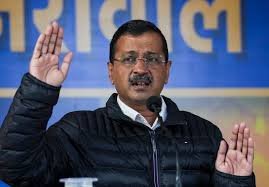
8 जनवरी 2025, दिल्ली। जैसे ही भारत के नियंत्रक एवं महालेखा परीक्षक (CAG) की रिपोर्ट लीक हुई, दिल्ली की राजनीति में एक नया तूफान आ गया। रिपोर्ट ने केजरीवाल के सरकारी आवास के नवीनीकरण पर किए गए खर्च का खुलासा किया, और जैसे ही यह खबर मीडिया में आई, राजनीतिक माहौल गर्मा उठा। यह विवाद न सिर्फ आम आदमी पार्टी (AAP) और भारतीय जनता पार्टी (BJP) के बीच तकरार का कारण बना, बल्कि दिल्ली की विधानसभा चुनावों से पहले एक रणनीतिक हथियार बन गया।

सीएजी रिपोर्ट का लीक: राजनीति की नई चाल

यह सब तब शुरू हुआ जब CAG की रिपोर्ट में दावा किया गया कि दिल्ली के मुख्यमंत्री अरविंद केजरीवाल के सरकारी आवास के नवीनीकरण पर 33.66 करोड़ रुपये खर्च किए गए, जो कि पहले अनुमानित 7.91 करोड़ रुपये से लगभग 342% अधिक था। यह रिपोर्ट चुनावों से ठीक पहले लीक हुई, और बीजेपी ने इसे भ्रष्टाचार का एक उदाहरण बताकर, AAP को घेरने का मौका लिया।

बीजेपी का हमला: “केजरीवाल का शीशमहल”

बीजेपी नेताओं ने तुरंत ही इस नवीनीकरण को ‘शीशमहल’ करार दिया और आरोप लगाया कि मुख्यमंत्री के आवास का नवीनीकरण अत्यधिक खर्चीला था। महंगे पर्दे, जकूज़ी, 88 इंच का 8K टीवी, संगमरमर की दीवारें, और मिनी बार जैसी सुविधाएं मीडिया में चर्चा का विषय बन गईं। बीजेपी ने इन खर्चों को जनता की आँखों में गलत साबित करने की कोशिश की और इसे एक बड़ा चुनावी मुद्दा बना दिया।

प्रधानमंत्री नरेंद्र मोदी ने भी इस पर तंज कसते हुए कहा, “अगर केजरीवाल को महल बनाना था, तो कोई बात नहीं, लेकिन यह खर्च तो तर्कहीन था।” बीजेपी ने इसे एक भ्रष्टाचार का उदाहरण बताया और चुनावी माहौल को प्रभावित करने की कोशिश की।

AAP का पलटवार: “बीजेपी का दोहरा चेहरा”

AAP ने इस आरोप का जोरदार तरीके से विरोध किया। पार्टी के वरिष्ठ नेता संजय सिंह ने बीजेपी पर पलटवार करते हुए इसे हास्यास्पद बताया और कहा, “जब बीजेपी भ्रष्टाचार की बात करती है, तो यह बिलकुल वैसा ही है जैसे ओसामा बिन लादेन भ्रष्टाचार पर भाषण दे रहे हों।” उन्होंने यह भी आरोप लगाया कि बीजेपी ने जानबूझकर CAG की रिपोर्ट को लीक किया ताकि चुनावी माहौल को प्रभावित किया जा सके और AAP को कमजोर किया जा सके।

AAP का कहना था कि दिल्ली की सरकार ने हर कदम पर पारदर्शिता का पालन किया है और इस नवीनीकरण को लेकर किसी भी तरह की गड़बड़ी नहीं की गई है। साथ ही, पार्टी ने सवाल उठाया कि रिपोर्ट को विधानसभा में पेश क्यों नहीं किया गया? क्या इसका लीक होना एक साजिश थी ताकि चुनावी लाभ उठाया जा सके?

नवीनीकरण के खर्च का विवरण

CAG की रिपोर्ट में न केवल नवीनीकरण की कुल लागत का खुलासा किया गया, बल्कि खर्चों के बारे में भी विस्तार से जानकारी दी गई। रिपोर्ट में यह बताया गया कि 2022 में केजरीवाल के सरकारी आवास के नवीनीकरण पर कुल 33.66 करोड़ रुपये खर्च हुए। यह खर्च पहले के अनुमान से 325% ज्यादा था।

रिपोर्ट में कुछ प्रमुख खर्चों का विवरण दिया गया:

  • पर्दे: 96 लाख रुपये
  • किचन उपकरण: 39 लाख रुपये
  • टीवी कंसोल: 20.34 लाख रुपये
  • जिम उपकरण: 18.52 लाख रुपये
  • रेशमी कालीन: 16.27 लाख रुपये
  • मिनी बार: 4.80 लाख रुपये
  • संगमरमर की दीवारें: 20 लाख रुपये
  • स्टाफ ब्लॉक और कैंप कार्यालय निर्माण: 3.86 करोड़ रुपये

इन खर्चों को देखकर बीजेपी और कांग्रेस ने इस नवीनीकरण को लेकर सवाल उठाए और इसे ‘शीशमहल’ करार दिया। उनकी ओर से यह दावा किया गया कि यह खर्च बहुत अधिक था और जनता के पैसों का दुरुपयोग हुआ है।

सीएजी की रिपोर्ट पर उठते सवाल

AAP ने यह भी आरोप लगाया कि दिल्ली सरकार ने नवीनीकरण में कागजी कार्यवाही की अनदेखी की, जिससे ठेकेदारों द्वारा आपूर्ति की गई सामग्री की वास्तविकता को सत्यापित नहीं किया जा सका। पार्टी ने यह दावा किया कि रिपोर्ट को विधानसभा में पेश नहीं किया गया था, जिससे सवाल उठे कि क्या यह लीक रिपोर्ट जानबूझकर सार्वजनिक की गई थी ताकि चुनावों के दौरान राजनीतिक लाभ उठाया जा सके।

CAG की रिपोर्ट का लीक होना केवल एक वित्तीय विवाद नहीं है, बल्कि यह दिल्ली की राजनीति में एक बड़ा मोड़ ला सकता है। बीजेपी और AAP दोनों ही इस रिपोर्ट को अपने-अपने तरीके से पेश कर रहे हैं। बीजेपी इसे AAP के खिलाफ भ्रष्टाचार के प्रमाण के रूप में इस्तेमाल कर रही है, जबकि AAP इसे बीजेपी की राजनीतिक चाल मान रही है। इस विवाद ने दिल्ली विधानसभा चुनावों के संदर्भ में माहौल को और भी गर्मा दिया है, और आगामी चुनावों में यह मुद्दा एक बड़ा चुनावी हथियार बन सकता है।

इस रिपोर्ट के लीक होने के बाद दोनों पक्षों के बीच आरोप-प्रत्यारोप का सिलसिला जारी है, और यह कहना मुश्किल है कि इसका परिणाम क्या होगा। हालांकि, यह मामला साफ तौर पर यह दिखाता है कि राजनीति में कभी भी कोई भी बात व्यक्तिगत नहीं रहती—हर मुद्दा चुनावी रणनीति में बदल जाता है।

PM Modi to Virtually Inaugurate Pravasi Bharatiya Express, A Special Tour for NRIs and PIOs

0

Prime Minister Narendra Modi is scheduled to virtually inaugurate the Pravasi Bharatiya Express on January 8, 2025, from New Delhi’s Safdarjung railway station. This exclusive train service, designed for non-resident Indians (NRIs) and Persons of Indian Origin (PIOs), will cater primarily to those between the ages of 45 and 65. The inaugural journey will begin on January 9, 2025, and holds special significance as it marks the anniversary of Mahatma Gandhi’s return to India from South Africa in 1915.

Capacity and Amenities
The Pravasi Bharatiya Express will accommodate 156 passengers and is equipped with modern amenities to ensure a comfortable and enjoyable travel experience. Participants will also stay in 4-star or similar category hotels, offering a high standard of comfort throughout their journey.

Destinations
Over three weeks, the train will travel to some of India’s most culturally and spiritually significant destinations, providing passengers with a deep dive into the country’s rich heritage. The itinerary includes visits to:

  • Ayodhya
  • Patna
  • Gaya
  • Varanasi
  • Mahabalipuram
  • Rameswaram
  • Madurai
  • Kochi
  • Goa
  • Ekta Nagar (Kevadia)
  • Ajmer
  • Pushkar
  • Agra

Financial Assistance
To make this journey accessible, the Indian government will cover 90% of the return airfare for eligible participants, leaving them to pay only 10% of the cost. This initiative is part of the Pravasi Teerth Darshan Yojana, aiming to offer an affordable opportunity for NRIs and PIOs who may otherwise struggle with the expense of such a trip.

Context and Significance

The Pravasi Bharatiya Express launch coincides with the 18th Pravasi Bharatiya Divas (PBD) convention, being held in Bhubaneswar, Odisha, from January 8 to 10, 2025. The PBD convention is an important platform for engaging with the Indian diaspora, celebrating their contributions to India’s development, and strengthening their connection with their roots.

This initiative reflects India’s broader commitment to nurturing its ties with the global Indian community while promoting tourism and cultural exchange within the country.

  • What are the key destinations the Pravasi Bharatiya Express will visit?
    The train will visit significant cultural and religious sites such as Ayodhya, Patna, Varanasi, Mahabalipuram, and Agra, offering participants a profound spiritual and cultural experience.
  • How can NRIs apply for the Pravasi Bharatiya Express tour?
    Details on the application process will likely be available through the official government portals or at the Pravasi Bharatiya Divas convention.
  • What are the eligibility criteria for participating in the Pravasi Bharatiya Express tour?
    The tour is specifically aimed at NRIs and PIOs, with a target age group of 45 to 65. Participants must meet certain financial and residency criteria to qualify for the subsidized airfare.
  • How will the expenses for the Pravasi Bharatiya Express tour be managed?
    The Indian government will cover 90% of the return airfare under the Pravasi Teerth Darshan Yojana, with participants contributing the remaining 10%.
  • What cultural and spiritual experiences will passengers have on the Pravasi Bharatiya Express?
    Passengers will have the opportunity to visit major cultural and religious sites, offering them a deep spiritual connection with India’s heritage. These destinations are known for their religious significance, historical importance, and cultural value, providing passengers with a holistic experience of India’s diverse legacy

AAP Protests Allegations of Extravagant CM Bungalow Renovations Amid Growing Political Tensions in Delhi

0

Delhi’s political landscape reached a boiling point on January 8, 2025, as the ruling Aam Aadmi Party (AAP) staged a high-profile protest outside the official residence of Chief Minister Arvind Kejriwal at 6 Flagstaff Road. The protest was a direct response to allegations leveled by the Bharatiya Janata Party (BJP), which accused the Delhi government of overspending on lavish renovations to the CM’s bungalow. The BJP has even gone so far as to dub the residence “Sheesh Mahal,” pointing to claims of extravagant amenities like a “golden toilet” and a swimming pool.

What Are the Main Allegations Made by the BJP About the CM’s Bungalow?

The BJP’s accusations focus on the alleged overspending on the renovations of Chief Minister Kejriwal’s official residence. The party claims that the cost of the renovations was inflated by an astonishing 342% compared to the original estimates. Among the allegations are claims of opulent features such as a “golden toilet,” a private swimming pool, and a mini bar, all of which, the BJP argues, reflect a disregard for the public’s money and the ideals of austerity that AAP once championed. This has raised concerns among BJP leaders about what they see as unchecked luxury at a time when many Delhi residents are grappling with economic difficulties.

How Did the AAP Respond to the BJP’s Claims About the Renovations?

In a bid to challenge the BJP’s accusations, AAP leaders, including Member of Parliament Sanjay Singh and Delhi Minister Saurabh Bharadwaj, invited media representatives to visit the Chief Minister’s residence and inspect the renovations firsthand. The AAP denied the allegations of extravagance and dismissed them as politically motivated. Party leaders have repeatedly stated that the renovations were essential for the proper functioning of the CM’s office and residence. They further emphasized that the focus should be on improving governance rather than making baseless allegations. AAP also accused the BJP of hypocrisy, citing the lavish construction of the Prime Minister’s residence, which AAP claims was built at a significantly higher cost.

What Specific Amenities Did the BJP Claim Were Added to the CM’s Residence?

The BJP’s accusations centered on what they described as extravagant and unnecessary additions to the CM’s residence. Among the amenities the BJP claims were added are a “golden toilet,” a swimming pool, and a mini bar. These allegations, if true, would not only represent a significant departure from the frugal image AAP had built in its early years, but they also raise questions about the priorities of the ruling party in Delhi. The BJP has used these claims to argue that AAP is indulging in unnecessary luxuries, at odds with the party’s supposed commitment to austerity and transparency.

Why Was the AAP Denied Entry to the CM’s Bungalow?

In a dramatic turn, AAP leaders were denied entry to the CM’s residence by the Delhi Police, who cited a lack of proper authorization for their visit. AAP leaders, intending to hold a media event to present their side of the story, were blocked from accessing the premises, a move that further fueled the political standoff. This denial sparked outrage within AAP, which accused the Delhi Police of attempting to suppress transparency and obstruct the public’s right to information regarding government expenditures. In protest, AAP staged a sit-in outside the CM’s bungalow, demanding that the truth be revealed and the public be given a clear picture of the renovations.

What Role Did the Delhi Police Play in the Standoff Between the AAP and BJP?

The Delhi Police played a central role in the tense confrontation outside the Chief Minister’s residence. As tensions between AAP and BJP escalated, the police set up barricades around the CM’s bungalow to prevent AAP leaders from entering the premises. This move was widely seen as a show of force, reinforcing the perception that the police were acting on behalf of the BJP-led central government. AAP leaders accused the police of being used to stifle transparency, creating an environment of political suppression. The deployment of police officers and barricades added another layer of drama to the unfolding political crisis, leading many to wonder if the central government was using law enforcement to side with the BJP in this high-stakes battle.The political clash between AAP and BJP outside the CM’s bungalow reflects the intense rivalry and deepening divide ahead of the upcoming Delhi assembly elections. Both parties are using the issue of government spending to challenge each other’s integrity, with the AAP calling attention to what they perceive as double standards in luxury between the residences of the Chief Minister and the Prime Minister. With elections on the horizon, the outcome of this political confrontation could have significant ramifications for voter sentiment, especially as both parties battle for the support of the electorate.

This clash over alleged extravagance is not just a matter of renovation costs but a larger symbol of the ongoing struggle for control and governance in Delhi. The public’s response to the accusations, the subsequent protest, and the role of law enforcement in this confrontation will likely play a pivotal role in shaping the political narrative in the months leading up to the polls.


Massive Wildfire Forces Thousands to Evacuate in Los Angeles

0

A wildfire in Los Angeles, specifically in the Pacific Palisades area, has rapidly spread, forcing approximately 30,000 residents to evacuate. The fire, which was first reported on January 7, 2025, has now engulfed over 2,921 acres, with no containment reported so far. The fire is being fueled by powerful winds, exacerbating the dangerous situation.

Emergency Declaration and Response

In response to the growing crisis, California Governor Gavin Newsom declared a state of emergency, unlocking additional resources to combat the wildfire and assist the affected residents. The declaration aims to provide critical support as firefighters continue their efforts to contain the blaze and protect properties.

Destruction and Damage

The Palisades Fire has put over 10,300 homes at risk, with at least six homes already confirmed as destroyed. Firefighters are actively engaged in battling the flames, but the fire’s rapid spread and the challenging wind conditions continue to make containment efforts difficult.

Challenging Conditions

The fire’s growth is worsened by extreme wind conditions, with gusts reaching up to 100 miles per hour. This windstorm, described as “life-threatening and destructive,” is one of the worst seen in the region in over a decade, further complicating firefighting efforts.

Visual Impact and Evacuations

Videos circulating on social media show alarming images of smoke-filled skies, burning structures, and abandoned vehicles left by residents fleeing the flames. The fire has not only impacted residential areas but has also caused widespread disruption.

Additional Fires in Southern California

In addition to the Palisades Fire, another wildfire has erupted in the Eaton area of Altadena, further contributing to the emergency situation in Southern California. Firefighters are stretched thin, trying to address multiple wildfire outbreaks across the region.

Ongoing Efforts and Updates

As firefighters continue to battle the flames, more updates are expected, with authorities monitoring the situation closely. The declaration of a state of emergency provides the resources necessary to manage the fire and protect those at risk.

  • How are the evacuees being supported during this crisis? Local shelters, emergency services, and volunteer organizations are providing food, shelter, and medical assistance to those evacuated from their homes.
  • What measures are being taken to prevent further fires in the area? Fire authorities are working with meteorologists to monitor weather patterns and anticipate future fire risks. Efforts to clear brush and create firebreaks are underway.
  • Are there any updates on the number of homes destroyed by the fire? As of now, six homes have been confirmed destroyed, and the number may increase as fire conditions remain critical.
  • How are the celebrity homes in the area being affected by the wildfire? The Pacific Palisades area, known for its affluent residents, includes homes belonging to various celebrities. Some properties are in danger, but specific details are not yet clear.
  • What is the current status of the Palisades Fire in terms of containment? Currently, the Palisades Fire remains uncontained, with firefighting efforts continuing amid difficult conditions. Further updates are expected as progress is made.

Kangana Ranaut’s ‘Emergency’: A Bold Depiction of a Critical Chapter in Indian History

0

Kangana Ranaut’s upcoming film Emergency, set to release on January 17, 2025, delves into the tumultuous period of India’s Emergency (1975-1977), when former Prime Minister Indira Gandhi declared a state of national emergency. The film, which focuses on this controversial chapter of Indian history, portrays Indira Gandhi herself, a role that Ranaut approaches with sensitivity, aiming to present a dignified and nuanced depiction of the leader’s legacy.

Priyanka Gandhi’s Reaction to the Invitation

In a recent interaction with Priyanka Gandhi Vadra in Parliament, Kangana Ranaut extended a personal invitation to watch the film, highlighting her hope that Priyanka would consider attending the screening. While Priyanka responded graciously, saying, “Yeah, maybe,” Kangana expressed her belief that the film offers a thoughtful representation of a significant period in Indian history, one that is crucial for understanding Indira Gandhi’s leadership and its impact on the nation’s democratic fabric.

Kangana’s Approach to Portraying Indira Gandhi

A profound physical and emotional transformation marks Kangana’s portrayal of Indira Gandhi. The actress underwent significant preparation for the role, including a striking makeover that embodies Gandhi’s iconic look, characterized by a white saree and sophisticated jewelry. Through interviews, Kangana has expressed her intention to present a balanced, respectful narrative focused on Gandhi’s political legacy rather than sensational personal aspects.

Kangana’s approach to Gandhi’s character is rooted in a complex understanding of the leader’s challenges during the Emergency. She aims to present a portrayal that goes beyond judgment, exploring the leader’s struggles in the face of mounting political unrest. Kangana has described Gandhi’s life as a “Shakespearean tragedy,” reflecting the layers of power dynamics and moral complexities that shaped the period.

Key Themes in Emergency

The film delves into several pivotal themes that resonate with both historical and contemporary audiences:

  1. Democracy and Political Turmoil: Emergency addresses the profound challenges to democratic values during the Emergency, a period marked by widespread censorship, the suspension of civil liberties, and the imprisonment of political opponents. The film explores the roles of political figures such as Jayaprakash Narayan and Atal Bihari Vajpayee, who fought for democratic rights during the authoritarian regime.
  2. Historical Reflection and Contemporary Relevance: The film aims to provide a historical reflection on the events of the Emergency, while prompting viewers to consider its relevance to present-day political dynamics. Kangana has emphasized that the themes explored in the film—such as the struggle for freedom and the resilience of democratic institutions—are more pertinent than ever.
  3. Personal and Political Narratives: By intertwining personal stories with political events, Emergency highlights how the lives of key historical figures were shaped by the national crisis. This narrative approach enhances the emotional depth of the film, allowing audiences to engage not only with the political context but also with the personal sacrifices and struggles of the characters.

Historical Figures Depicted in the Film

While the primary focus is on Indira Gandhi, the film also features several other historical figures who played significant roles during the Emergency. These include:

  • Indira Gandhi: The central character, whose leadership decisions during the Emergency are at the heart of the film.
  • Jarnail Singh Bhindranwale: The controversial Sikh leader, who is portrayed in connection with Indira Gandhi’s political strategies.
  • Other Political Figures: The film likely includes portrayals of other political leaders and activists from the era, though specific names have not been disclosed.

Kangana has compared the depth of Emergency to that of Christopher Nolan’s Oppenheimer, noting its nuanced approach to historical figures and their motivations during a time of political upheaval.

Public Response and Expectations

The film has already stirred public interest, with a particular focus on Kangana’s portrayal of such a complex and controversial leader. As the film’s release date draws near, it is expected to spark intense discussions on the legacy of Indira Gandhi and the broader implications of the Emergency period for India’s democratic values.

In conclusion, Emergency is poised to be a landmark film that explores one of the most significant and contentious periods in India’s history. Through Kangana’s careful portrayal of Indira Gandhi and the exploration of themes related to democracy, political strife, and historical reflection, the film promises to offer a compelling and thought-provoking narrative for audiences.