Saturday, June 27, 2026
Home Blog Page 3

International Envoys Take a Holy Dip at Maha Kumbh Mela 2025

0

Prayagraj, January 15, 2025: The Maha Kumbh Mela, renowned as one of the largest religious gatherings in the world, witnessed a historic moment as envoys from 10 nations participated in a holy dip at the Triveni Sangam. This sacred ritual, held during the festival’s first Amrit Snan (royal bath), marked a unique confluence of spirituality and global unity.

A Divine Gathering on Makar Sankranti

The event coincided with Makar Sankranti, one of the most auspicious days in the Hindu calendar. Uttar Pradesh Chief Minister Yogi Adityanath confirmed that approximately 3.5 crore (35 million) devotees took part in the royal bath, seeking spiritual purification and blessings.

“The Maha Kumbh Mela is not just a religious festival but a symbol of India’s rich cultural heritage that resonates across the world,” the Chief Minister stated.

Global Participation

Envoys from the United States, France, Mauritius, South Africa, Fiji, and other nations joined millions of pilgrims in taking a dip at the Triveni Sangam, where the Ganga, Yamuna, and mythical Saraswati rivers meet. Their presence highlighted the festival’s universal appeal and the spirit of inclusivity that defines the Kumbh.

Meticulous Planning for a Mega Event

The festival, which began on January 13 and runs until February 26, is supported by extensive preparations. Over 150,000 tents have been set up to accommodate pilgrims, and more than 40,000 police officers are deployed to ensure safety. Drone surveillance, CCTV monitoring, and crowd management systems are in place to handle the massive turnout.

Upcoming Rituals and Events

The Maha Kumbh Mela offers a blend of spiritual practices and cultural events. Major upcoming bathing dates include Mauni Amavasya on January 29 and Basant Panchami on February 3. Devotional songs, spiritual discourses, and vibrant performances continue to enrich the festival experience.

Bridging Nations Through Spirituality

The participation of international envoys underscores the growing global interest in India’s spiritual traditions. Their involvement not only elevates the festival’s prominence on the world stage but also fosters cultural exchange and diplomatic goodwill.

The Maha Kumbh Mela 2025 is a testament to the timeless power of faith, bringing together millions from diverse backgrounds in a celebration of spirituality, culture, and unity.

Read Also: कुंभ मेले के दौरान भीड़ की सुरक्षा 

BJP Unveils Star Campaigners for the Delhi Assembly Elections

0

The Bharatiya Janata Party (BJP) has revealed its list of star campaigners for the upcoming Delhi assembly elections, a move designed to make a significant impact in the highly competitive political landscape of the national capital. This strategic lineup includes some of the biggest names in Indian politics and entertainment, reflecting the party’s focus on both national influence and grassroots engagement.

Who Are the Star Campaigners?

The BJP’s campaign team reads like a who’s who of Indian leadership. At the forefront are:

  • Prime Minister Narendra Modi: Known for his mass appeal, Modi’s presence brings unparalleled visibility to any campaign.
  • Union Home Minister Amit Shah: A master strategist, Shah’s inclusion underscores the importance of ground-level mobilization.
  • Defence Minister Rajnath Singh and BJP President JP Nadda: Both leaders bring credibility and experience, appealing to a wide voter base.

In addition, the campaign features prominent Union Ministers like Piyush Goyal, Nitin Gadkari, and Hardeep Singh Puri, alongside Chief Ministers from BJP-ruled states, including Yogi Adityanath (Uttar Pradesh) and Himanta Biswa Sarma (Assam).

What makes this campaign especially dynamic is the inclusion of celebrities like Smriti Irani, Hema Malini, and Bhojpuri stars Ravi Kishan and Manoj Tiwari. These figures are tasked with connecting emotionally with specific voter demographics, particularly Delhi’s Purvanchali community.

Why Does the Purvanchali Community Matter?

The Purvanchali population (migrants from eastern Uttar Pradesh and Bihar) accounts for nearly 40% of Delhi’s voters. This makes them a critical demographic in deciding the electoral outcome. Leaders like Manoj Tiwari and Dinesh Lal Yadav are being positioned to resonate with these voters by highlighting shared cultural ties and addressing their specific concerns.

The BJP’s focus on this group reflects a targeted approach to counter the influence of the Aam Aadmi Party (AAP), which has traditionally done well among Purvanchali voters.

The Context: Why Are These Elections Crucial?

Delhi’s elections, scheduled for February 5, 2025, with results on February 8, present a high-stakes battle. The BJP is looking to regain power in a state where it has faced consecutive defeats against the ruling AAP.

In previous elections, AAP leader Arvind Kejriwal leveraged his party’s focus on governance, education, and public services to outshine the BJP. However, the BJP is now sharpening its narrative by focusing on alleged governance lapses, corruption, and AAP’s unfulfilled promises.

What Issues Will BJP Campaign On?

  1. Development and Infrastructure: The BJP plans to highlight gaps in AAP’s record on basic services like water supply, electricity, and sanitation.
  2. Corruption Allegations: BJP leaders are expected to criticize AAP over alleged scandals, using this narrative to project themselves as a cleaner and more effective alternative.
  3. National Achievements: Leveraging Modi’s popularity, the BJP will link Delhi’s future to the central government’s successes in areas like infrastructure, defense, and economic reforms.

What Does This Mean for Voters?

For Delhi’s residents, the elections will be about choosing between three competing visions:

  1. AAP’s focus on grassroots governance and public welfare.
  2. BJP’s emphasis on national development and accountability.
  3. Congress’s bid to regain relevance with a more traditional approach to governance.

Explaining the BJP’s Strategy

The BJP is employing a multi-pronged strategy:

  • Star Power: Big names like Modi and Shah aim to draw massive crowds and media attention.
  • Targeted Outreach: Leaders like Manoj Tiwari focus on key voter groups such as Purvanchalis.
  • Digital Push: Social media campaigns will amplify the messages of star campaigners to reach younger, urban voters.
  • Ground-Level Coordination: Local party workers will focus on door-to-door campaigns to connect directly with voters and counter AAP’s strong grassroots presence.

Looking Ahead

The BJP’s deployment of its star campaigners reflects a high-stakes effort to wrest control of Delhi from the AAP. The next few weeks will see intense campaigning, with each party trying to dominate the narrative.

For voters, this means being presented with diverse viewpoints and promises — but ultimately, the decision will rest on who they believe can deliver a better future for Delhi.

Arvind Kejriwal: A Leader Redefining Simplicity in Indian Politics

0

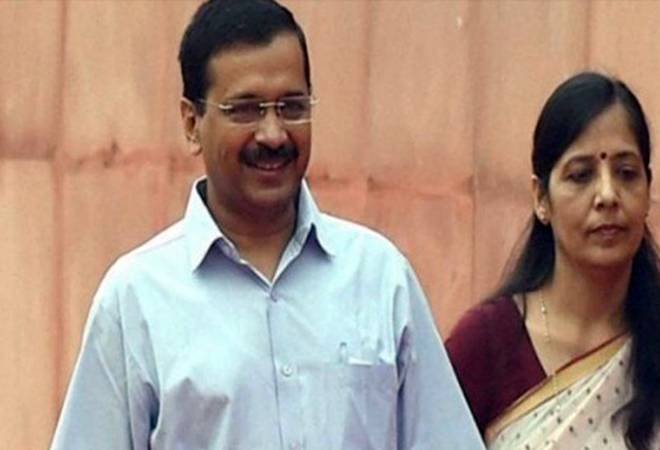
In a political landscape often associated with grandeur and privilege, Arvind Kejriwal, the Chief Minister of Delhi, has emerged as a symbol of simplicity and humility. Rejecting the traditional trappings of political power, Kejriwal neither owns a house nor a car. His lifestyle embodies his commitment to the principles of transparency and austerity, resonating deeply with his identity as the leader of the Aam Aadmi Party (AAP).

Why Does Kejriwal Reject Personal Assets?

  1. Personal Philosophy: Kejriwal has consistently emphasized integrity and humility in governance. His rejection of luxury is a testament to his belief that public servants should prioritize their duties over personal comfort.
  2. Rejection of VIP Culture: From shunning government-provided accommodations to avoiding security convoys, Kejriwal has made deliberate choices to uphold his “common man” persona.
  3. Focus on Governance: By not owning property, Kejriwal contrasts himself with politicians who amass wealth during their tenure, signaling his commitment to public service over personal gain.

Kejriwal’s Modest Asset Declaration

In his latest affidavit ahead of the Delhi Assembly elections, Kejriwal declared a net worth of Rs 1.73 crore, comprising Rs 2.96 lakh in bank savings, Rs 50,000 in cash, and immovable assets worth Rs 1.7 crore. Notably, he owns no car or house.

This declaration stands in stark contrast to other prominent political leaders:

  • Ajay Maken (Congress): Net worth of Rs 12.34 crore
  • Kiran Bedi (BJP): Net worth of Rs 11.65 crore
  • Satyendar Jain (AAP): Net worth of Rs 4.4 crore

Kejriwal’s modest declaration aligns with his public image and draws attention to the disparity in wealth among Delhi’s political figures.

Sunita Kejriwal’s Role in the Picture

Sunita Kejriwal, Arvind’s wife and a retired government official, declared assets worth Rs 2.5 crore. Her portfolio includes:

  • Movable Assets: Gold worth Rs 25 lakh, Rs 42,000 in cash, and Rs 20 lakh in bank accounts.
  • Immovable Assets: A house in Gurugram valued at over Rs 1 crore.
  • Annual Income: Rs 14.10 lakh in FY 2023-24, almost double her husband’s declared income of Rs 7.21 lakh.

While Sunita’s financial standing contrasts with Arvind’s austere declaration, it complements their combined narrative of transparency and modesty.

Implications for Kejriwal’s Political Campaign

Kejriwal’s modest asset declaration could reinforce his image as a grassroots leader, resonating with voters disillusioned by traditional political elites. However, it also invites scrutiny. Critics may question the decline in his net worth from Rs 3.4 crore in 2020 to Rs 1.73 crore in 2025, potentially fueling debates about financial management and accountability.

Furthermore, the declaration of 14 criminal cases against him adds complexity to his campaign. Opponents may use these to challenge his narrative of integrity, making the upcoming elections an intense battle of perception.

Public Perception and Voter Sentiment

As Delhi prepares for the Assembly elections on February 5, 2025, Kejriwal’s financial transparency and modest lifestyle may influence voter sentiment. His rejection of wealth and privilege could resonate with citizens seeking authenticity in political leadership. However, the contrasting financial declarations of his wife and senior AAP leaders like Satyendar Jain might spark conversations about the broader dynamics within the party.

A Leader with a Difference

Arvind Kejriwal’s approach to politics challenges the norms of opulence and privilege often associated with Indian leadership. By living without a house or car, he continues to redefine the relationship between power and simplicity, making him a unique figure in India’s political narrative.

Whether this resonates with voters in the upcoming elections remains to be seen, but one thing is clear: Kejriwal’s commitment to his principles sets him apart in the ever-evolving landscape of Indian politics.

Leader-Party-NetWorthRs-MovableAssetsRs-ImmovableAssetsRs-HouseCarOwnership

The Ripple Effects of Rupee Depreciation: Economy, Geopolitics, and Jobs at Stake

0

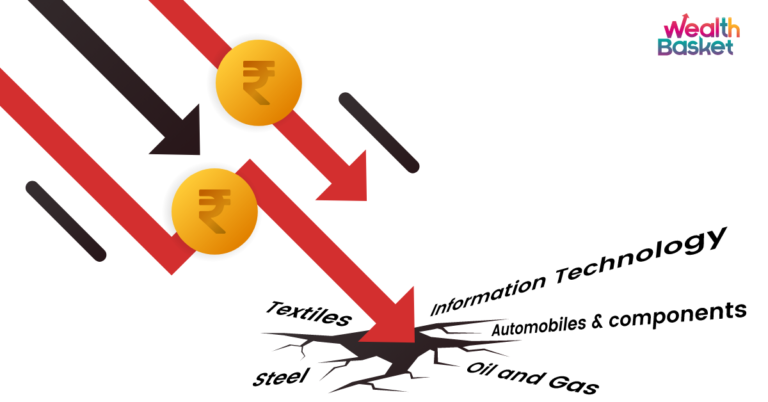
The Indian rupee’s journey in 2025 has been turbulent, facing headwinds from global economic shifts, geopolitical uncertainties, and domestic challenges. Its depreciation against the US dollar is not just a matter of currency exchange rates—it’s a narrative interwoven with India’s economy, geopolitics, people’s incomes, and job markets.


The Economic Undercurrent

A weakening rupee often reflects deeper economic challenges. In India’s case, the widening trade deficit, driven by surging import costs for crude oil and essential goods, has added significant pressure. India imports nearly 85% of its crude oil, and as global prices rise, the rupee struggles further. The domino effect of higher oil prices is evident in everything from transportation costs to food prices.

Meanwhile, inflation has emerged as a parallel concern. With the cost of imports skyrocketing, businesses are left with no choice but to pass on the burden to consumers. Retail inflation remains stubbornly high, tightening the purse strings of households across the nation.


Geopolitical Tensions Adding Fuel to the Fire

Geopolitical events, like the ongoing Russia-Ukraine conflict and escalating tensions in the Middle East, have created ripples across global markets. Investors have flocked to the safety of the US dollar, strengthening its position further and leaving emerging market currencies like the rupee struggling to keep up.

India’s economic ties with major trading partners, such as the US, China, and Gulf nations, have been tested. While geopolitical alliances offer opportunities for collaboration, any instability in these regions magnifies the challenges for India’s already fragile currency.


Impact on Jobs and Incomes

A depreciating rupee doesn’t just affect economic charts—it directly impacts people’s lives. For those working in sectors reliant on imports, such as electronics, automobiles, and FMCG, job security has become a concern. Higher input costs mean companies are cutting costs elsewhere, often at the expense of hiring or retaining staff.

Conversely, export-driven industries such as IT, textiles, and pharmaceuticals have found a silver lining. A weaker rupee makes their goods and services more competitive globally, driving higher revenues. However, this growth hasn’t translated into widespread job creation, as automation and efficiency gains continue to dominate.

For the average Indian worker, the depreciating rupee has translated into higher living costs without corresponding wage growth. Middle-class families find themselves spending more on essentials, from fuel to groceries, while saving less for the future.


The RBI’s Tightrope Walk

The Reserve Bank of India (RBI) has stepped in to stabilize the rupee by selling foreign exchange reserves. However, this strategy has its limits. Overusing reserves risks depleting the country’s financial buffer, while insufficient intervention could allow the rupee to weaken further. The RBI is also balancing inflation control with the need to foster economic growth, a task made tougher by global economic uncertainties.


Looking Ahead: What Can Be Done?

Experts believe that addressing these challenges requires a multifaceted approach:

  1. Boosting Domestic Production: India must reduce its dependency on imports by promoting local manufacturing, especially in critical sectors like energy and electronics.
  2. Encouraging Exports: Providing incentives for exporters can help balance the trade deficit and support the rupee.
  3. Fiscal Discipline: The Union Budget in February 2025 will play a crucial role. Announcing measures to control fiscal deficits and attract foreign investments will be pivotal.
  4. Geopolitical Strategy: Strengthening international alliances and ensuring stable trade relationships will help mitigate external pressures.
  5. Protecting the Vulnerable: Policies aimed at controlling inflation and ensuring job security will be essential to shield the most affected segments of society.

A Complex Web of Challenges and Opportunities

The rupee’s depreciation is not just a story of numbers; it’s a tale of economic resilience, political strategy, and the adaptability of the Indian people. While some sectors thrive in the face of adversity, others grapple with unprecedented challenges. For India, navigating this economic storm requires careful planning, robust policies, and a shared determination to emerge stronger.

As the year unfolds, all eyes will remain on the government’s strategies, the RBI’s actions, and the resilience of the Indian workforce in steering the country through these turbulent times.

Supreme Court Issues Notice on Congress Plea Challenging Amendments to Election Rules

0

The Supreme Court of India has issued a notice to the Centre and the Election Commission of India (ECI) in response to a petition filed by Congress leader Jairam Ramesh. The petition challenges recent amendments to the Conduct of Election Rules, 1961, which Ramesh claims undermine the transparency and accountability of the electoral process by limiting public access to key election-related documents such as CCTV footage and webcasting records.

The amendments to Rule 93(2)(a), introduced in December 2024, revise the provisions that previously allowed public scrutiny of important electoral materials. These amendments, according to Ramesh, limit access to certain electronic records, which could hinder transparency and public oversight during elections. The government, however, justifies these changes by stating that they are necessary to protect voter privacy and prevent misuse of sensitive electoral data.

  • Hearing Scheduled: The Supreme Court has scheduled the next hearing for the week commencing March 17, 2025. This marks an important development in the ongoing legal battle concerning electoral transparency in India.
  • Nature of Amendments: The contested amendments restrict public access to vital election-related documents, particularly CCTV footage and electronic recordings of webcasting at polling stations. These materials were previously available for public inspection, which ensured electoral accountability.
  • Concerns Raised: Ramesh’s petition argues that these changes were made without adequate public consultation and could erode trust in the democratic process. He contends that such unilateral amendments by the Election Commission undermine democratic principles by limiting transparency and accountability in the election process.

Legal Representation and Criticisms

Ramesh is being represented by senior advocates Abhishek Manu Singhvi and Kapil Sibal, who have voiced concerns that these amendments obscure essential electoral data under the pretext of protecting voter privacy. The legal team argues that the amendments limit public oversight of the election process, a fundamental aspect of free and fair elections.

Singhvi and Sibal have criticized the justifications put forward by the government, asserting that the claim regarding the protection of voter identities is unfounded. They argue that CCTV footage does not reveal how individuals vote but serves as a critical tool for ensuring electoral integrity.

Ramesh’s Arguments Against the Amendments

Ramesh’s petition raises several key arguments:

  • Erosion of Transparency: Ramesh argues that the amendments restrict access to crucial materials such as CCTV footage and webcasting videos, which play an important role in ensuring electoral transparency and accountability.
  • Lack of Public Consultation: Ramesh emphasizes that the Election Commission of India (ECI), as a constitutional body tasked with conducting free and fair elections, should not unilaterally amend significant laws without engaging in proper public consultation.
  • Flawed Justifications: He contests the government’s justification for the amendments, arguing that the CCTV footage does not violate voter privacy but is necessary to safeguard the integrity of elections.
  • Potential for Misuse: Ramesh claims that the amendments serve to obscure crucial election data under the guise of preventing misuse of electronic records, which could hinder transparency and reduce accountability.
  • Call for Judicial Intervention: Ramesh has urged the Supreme Court to intervene and restore transparency in the electoral process, calling for judicial oversight to ensure that the amendments do not compromise the integrity of India’s elections.

Potential Impacts of the Supreme Court’s Decision

The Supreme Court’s decision on this case could have far-reaching consequences for the future of electoral regulations in India. Here are some potential impacts:

  1. Reinforcement of Electoral Transparency: If the Supreme Court rules in favor of Ramesh, it could strengthen the principle of transparency in elections by ensuring that the public retains access to crucial election materials.
  2. Precedent for Future Amendments: A ruling against the amendments may set a precedent that limits the ability of the Election Commission and the government to amend election laws without public consultation, thereby safeguarding the democratic process.
  3. Judicial Oversight: A ruling in favor of Ramesh could reinforce the role of the judiciary in overseeing changes to election laws, ensuring that they align with constitutional principles and uphold democratic values.
  4. Enhanced Voter Confidence: If transparency is prioritized, the decision could lead to increased voter confidence in the electoral process, encouraging greater participation in future elections.
  5. Implications for Democratic Practices: The ruling may have broader implications for the democratic process in India, reinforcing the importance of transparency, accountability, and public oversight.

As the March 17, 2025 hearing date approaches, the Supreme Court’s decision will be keenly awaited, as it could shape the future of electoral governance in India and ensure that the election process remains fair and accountable to the people.

Akhilesh Yadav Reaffirms INDIA Alliance Unity Amid Internal Discord

0

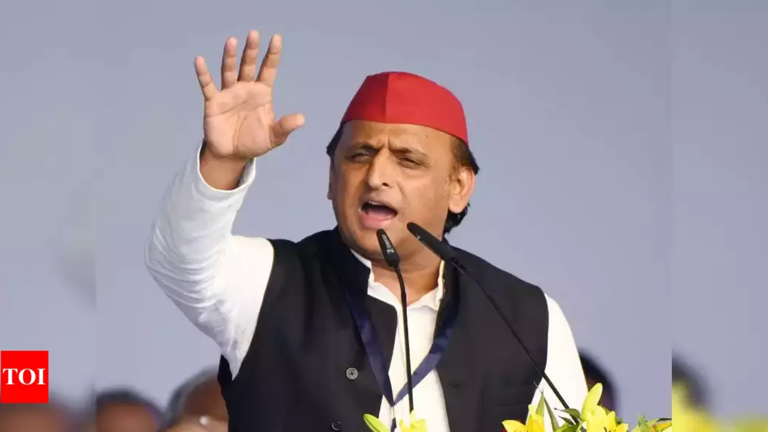
Akhilesh Yadav, leader of the Samajwadi Party, has reaffirmed the integrity of the INDIA alliance, addressing growing concerns about internal discord within the coalition. Speaking on January 12, 2025, he emphasized the bloc’s commitment to uniting regional parties against the BJP, declaring, “The INDIA alliance is intact.”

Yadav’s comments come amidst a backdrop of mixed signals from alliance partners. Congress MP Manish Tewari recently highlighted the broader purpose of the alliance as safeguarding national integrity beyond just elections. However, leaders like Omar Abdullah have expressed skepticism, citing infrequent meetings and unresolved leadership questions as barriers to cohesion.

Support for AAP Sparks Speculation

Yadav’s recent endorsement of the Aam Aadmi Party (AAP) for the upcoming Delhi assembly elections has sparked debates about potential fractures within the alliance. He argued that AAP is the only party capable of effectively challenging the BJP in Delhi, signaling a shift towards regional collaborations. This move has raised concerns about the alliance’s ability to maintain a unified front, especially as Congress’s role comes under scrutiny.

Congress: The Balancing Force?

As the largest party in the INDIA alliance, Congress holds the key to maintaining unity. Its capacity to mediate disputes and align regional ambitions with the coalition’s national agenda is critical. However, its historical dominance and perceived inflexibility in power-sharing have occasionally strained relationships with regional partners.

Balancing Regional and National Priorities

The INDIA alliance’s composition of diverse regional parties poses both a strength and a challenge. While these parties bring localized expertise and voter bases, their ambitions sometimes clash with the collective strategy against the BJP. Leaders like Akhilesh Yadav and Arvind Kejriwal prioritize state-level dynamics, which can complicate national-level coordination.

The Stakes of Unity

The alliance faces significant challenges as it gears up for the 2024 Lok Sabha elections. Fragmentation could weaken the opposition’s impact, allowing vote-splitting to consolidate BJP’s dominance. However, a unified INDIA alliance can present a formidable challenge by pooling resources, votes, and strategic expertise.

Akhilesh Yadav’s reassurance underscores the INDIA alliance’s potential to remain a united force against the BJP. As the bloc navigates leadership challenges and regional ambitions, its ability to present a cohesive strategy will determine its effectiveness in the upcoming elections. For now, the alliance’s resilience and adaptability remain under the spotlight.

EC Stresses Importance of Model Code of Conduct Amid ‘One Nation, One Election’ Debate

0

The “One Nation, One Election” proposal has sparked a nationwide debate, raising questions about its impact on governance, democracy, and India’s federal structure. As discussions intensify, the Election Commission (EC) of India continues to emphasize the importance of the Model Code of Conduct (MCC) in ensuring fair elections. This article delves into the nuances of the debate and explores related topics shaping the discourse.

1. Understanding the Model Code of Conduct (MCC): Key Provisions and Purpose

The MCC is a set of guidelines issued by the EC to ensure a level playing field for all political parties during elections. It restricts ruling governments from announcing new projects or policies that could influence voters and establishes ethical standards for campaign conduct. Developed in consultation with political parties, the MCC has become a cornerstone of India’s electoral democracy.

2. The Debate Over ‘One Nation, One Election’: Pros and Cons

The proposal to synchronize elections for the Lok Sabha and state assemblies aims to reduce the financial and administrative burdens of frequent polls. Proponents argue it could streamline governance and increase voter participation. However, critics warn of risks to federalism, as simultaneous polls may centralize power and reduce the flexibility of state governments to dissolve assemblies or hold mid-term elections.

3. Impact of MCC on Development and Governance

One of the key criticisms of the MCC is its impact on development projects. During elections, governments are restricted from launching new schemes or implementing major initiatives, which some argue delays progress. The EC, however, contends that the MCC is essential for fair elections and that its duration can be minimized by rationalizing election cycles.

4. Financial and Administrative Challenges of Frequent Elections

India’s staggered election schedule incurs significant costs and requires extensive deployment of resources, including security forces and administrative staff. Simultaneous elections could potentially reduce these expenditures, allowing funds to be redirected toward development initiatives.

5. Federalism vs. Uniformity: Implications of Simultaneous Elections

India’s federal structure allows states to function independently of the central government. Critics of “One Nation, One Election” argue that synchronized polls could undermine this autonomy, forcing states to align their electoral timelines with national priorities. This raises concerns about the balance of power between the center and states.

6. Streamlining the Model Code of Conduct: EC’s Proposals and Challenges

The EC has proposed rationalizing the MCC’s application to reduce disruptions while maintaining electoral fairness. Suggestions include limiting the code’s duration and scope during simultaneous elections. However, implementing such changes would require broad political consensus and legislative amendments.

7. The Role of the Election Commission in India’s Democracy

The EC plays a critical role in maintaining electoral integrity. Its efforts to ensure transparent and fair elections have earned it credibility worldwide. The MCC is a vital tool in this mission, reinforcing public trust in the democratic process.

8. International Perspectives on Simultaneous Elections

Several countries, including Indonesia and South Africa, conduct simultaneous elections. While these models offer insights, India’s unique diversity and federal structure pose distinct challenges, requiring tailored solutions rather than direct replication.

9. Technological Solutions to Election Management in India

Adopting advanced technology could address some logistical challenges of frequent elections. Innovations such as blockchain voting, electronic voter rolls, and real-time monitoring systems could enhance efficiency and reduce costs.

10. Public Opinion on ‘One Nation, One Election’: Voices from Across India

Public sentiment on synchronized polls is mixed. While many support the idea of reducing election-related disruptions, others fear it could dilute regional representation and marginalize state-specific issues.


The “One Nation, One Election” proposal raises significant questions about the future of India’s democracy. While it offers potential solutions to some challenges, it also poses risks that require careful consideration. As the EC continues its consultations with stakeholders, the focus must remain on upholding the principles of fairness, federalism, and inclusivity that define India’s democratic ethos.

सैफ अली खान ने गुरुग्राम के एंबियंस मॉल में कल्याण ज्वैलर्स का नया शोरूम खोला

0

गुरुग्राम, 11 जनवरी 2025: बॉलीवुड अभिनेता सैफ अली खान ने गुरुग्राम के एंबियंस मॉल में कल्याण ज्वैलर्स के नए शोरूम का उद्घाटन किया। यह शोरूम हरियाणा में कल्याण ज्वैलर्स का 10वां शोरूम है और यहाँ ग्राहकों को एक बेहतरीन खरीदारी का अनुभव मिलेगा।सैफ अली खान ने उद्घाटन समारोह में कहा, “कल्याण ज्वैलर्स से जुड़ना मेरे लिए गर्व की बात है। यह ब्रांड विश्वास, पारदर्शिता और ग्राहक सेवा में विश्वास करता है, और मुझे यकीन है कि ग्राहक इस शोरूम को पसंद करेंगे।”

कल्याण ज्वैलर्स के एक्जीक्यूटिव डायरेक्टर श्री रमेश कल्याणरमन ने कहा, “हमारा उद्देश्य एक ऐसा माहौल बनाना है जहां ग्राहकों को उनकी हर जरूरत का ख्याल रखा जाए। हम गुणवत्ता और सेवा पर जोर देते हुए, खास डिजाइनों का संग्रह पेश करते रहेंगे।”

इस मौके पर कल्याण ज्वैलर्स ने सभी आभूषणों पर मेकिंग चार्ज पर 25% की छूट देने का ऐलान किया है। साथ ही, उनके सभी शोरूम में ‘कल्याण स्पेशल गोल्ड बोर्ड रेट’ भी लागू रहेगा।

ग्राहकों को एक 4-लेवल एश्योरेंस सर्टिफिकेट भी मिलेगा, जो आभूषणों की शुद्धता, आजीवन मुफ्त रखरखाव, और पारदर्शी विनिमय नीतियों की गारंटी देता है।

नए शोरूम में ग्राहकों को कई तरह के आभूषण मिलेंगे, जिनमें ‘मुहूर्त’ ब्राइडल ज्वैलरी, पोल्की आभूषण, टेम्पल ज्वैलरी, डांसिंग डायमंड्स और सॉलिटेयर डायमंड्स जैसी खास लाइनें शामिल हैं।

इस शोरूम में आकर ग्राहक न केवल शानदार आभूषण खरीद सकते हैं, बल्कि एक बेहतरीन खरीदारी अनुभव भी हासिल कर सकते हैं।

Game Changer’s Opening Day: Ram Charan’s Film Shines, but Trails Behind Blockbuster Rivals

0

Ram Charan’s much-anticipated film Game Changer made a strong debut at the box office, grossing ₹186 crore worldwide on its opening day. In India, the film earned ₹51.25 crore across five languages: Telugu, Tamil, Hindi, Kannada, and Malayalam.

A Mixed Box Office Success

While the opening numbers are impressive, Game Changer falls short compared to recent blockbusters. For instance, Pushpa 2 collected a staggering ₹294 crore globally on its first day, setting a benchmark just a month ago. Additionally, Game Changer could not surpass the global opening of Ram Charan’s previous hit RRR, which earned ₹133 crore domestically on day one.

Breakdown of Earnings

The Telugu version led the earnings, contributing approximately ₹42 crore. The Hindi version added ₹7 crore, while Tamil accounted for ₹2.1 crore. Contributions from Kannada and Malayalam were minimal.
Occupancy rates reflected the film’s popularity, with the Telugu version achieving over 51% in morning shows and 82% occupancy in the afternoon for the 4DX Hindi screenings.

Timing and Storyline Boost Performance

Released on January 10, 2025, Game Changer hit theaters during the Sankranti festive season, a prime time for cinema releases. Directed by S. Shankar, the film marks his Telugu directorial debut. The storyline follows an IAS officer’s battle against political corruption, a theme that resonated with audiences.

Comparison with Industry Titans

Although Game Changer outperformed Ram Charan’s previous solo ventures, it lagged behind juggernauts like Pushpa 2 and RRR. Trade analysts suggest that while the movie benefited from the Sankranti festivities, stiff competition and high expectations may have tempered its earnings.

Looking Ahead

Critical reviews and word-of-mouth reception will play a crucial role in determining whether Game Changer can sustain its momentum in the coming days. As the festive weekend continues, fans and industry insiders will be closely watching the film’s performance.

In summary, Game Changer has delivered a strong opening but faces tough competition in an industry dominated by mega-hits. Whether it can carve out a lasting legacy remains to be seen.

PM Modi to Attend Artificial Intelligence Action Summit in France, Strengthening Global AI Dialogue

0

Prime Minister Narendra Modi will participate in the Artificial Intelligence Action Summit in France on February 10-11, 2025. French President Emmanuel Macron announced this during the French Ambassador Conference. He highlighted the summit’s importance in promoting international cooperation on AI policies and innovations.

The summit will unite global leaders from countries like the United States, China, and India to discuss AI’s future. Topics will include societal impacts, governance challenges, and security concerns. Macron stressed the need for unified policies to manage AI’s rapid advancements effectively.

Focus on Global AI Governance

The summit will offer a platform for discussions on:

  • Ethical standards for AI development.
  • Solutions to reduce AI risks, such as misinformation and cyber threats.
  • Applications of AI in healthcare, education, and climate change.
  • Global efforts to ensure fair access to AI technologies.

India’s presence emphasizes its growing influence in AI development. The country has introduced policies that encourage research, support startups, and integrate AI into public services.

Boosting India-France Relations

PM Modi’s participation coincides with his state visit to France. During this visit, both nations expect to finalize key defense deals. These include the purchase of 26 Rafale-M fighter jets and three Scorpene-class submarines worth approximately $10 billion.

These agreements underline the strengthening of ties between India and France. The partnership spans diverse fields like defense, technology, and energy. Macron expressed hope that Modi’s visit would further solidify their relationship.

Shaping Global AI Policies

AI is a transformative force worldwide. The summit aims to align countries on rules that balance innovation and risk management. Experts believe decisions made here could significantly influence global AI policies. France and India, as leaders in technology, are expected to play pivotal roles.

Expected Outcomes

While the Indian government has not officially confirmed Modi’s attendance, Macron’s invitation highlights India’s importance. Key outcomes from the summit may include:

  • Agreements on global AI regulations.
  • Enhanced collaborations in AI research and development.
  • Insights into how AI intersects with defense, cybersecurity, and society.

As global leaders gather in France, the Artificial Intelligence Action Summit will set the stage for crucial discussions. These decisions will shape the future of AI and its role in building a safer, more inclusive world.