Saturday, June 27, 2026
Home Blog Page 9

कुवैत में ‘हला मोदी’ की गूंज: भारत और कुवैत के रिश्तों में नई उड़ान

0

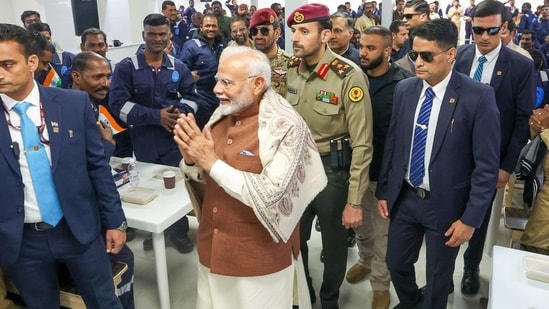
प्रधानमंत्री नरेंद्र मोदी का कुवैत दौरा इतिहास के पन्नों में दर्ज हो गया। ‘हला मोदी’ कार्यक्रम में उमड़ी भारी भीड़ ने इस दौरे को और खास बना दिया। पहली बार किसी भारतीय प्रधानमंत्री ने 43 सालों के बाद कुवैत की धरती पर कदम रखा, और उनकी ऊर्जा, विजन, और जोश ने हर किसी को मंत्रमुग्ध कर दिया।

प्रधानमंत्री मोदी ने अपने भाषण में जो बातें कहीं, वो सिर्फ शब्द नहीं, बल्कि भारत और कुवैत के रिश्तों को नई दिशा देने का वादा थीं। आइए, जानते हैं इस यादगार यात्रा की कुछ दिलचस्प झलकियां।

जब ‘मिनी हिंदुस्तान’ ने किया स्वागत

कुवैत के हला मोदी कार्यक्रम में मोदी जी ने भारतीय समुदाय को ‘मिनी हिंदुस्तान’ कहकर संबोधित किया। उन्होंने कहा, “आप लोग न सिर्फ कुवैत की अर्थव्यवस्था को समृद्ध कर रहे हैं, बल्कि भारत का नाम भी रौशन कर रहे हैं।” भारतीय प्रवासी समुदाय, जो कुवैत की सबसे बड़ी विदेशी आबादी है, ने इस कार्यक्रम को ऐतिहासिक बना दिया।

भारत-कुवैत: दोस्ती का नया अध्याय

प्रधानमंत्री ने मंच से जोर देकर कहा, “कुवैत, तुम्हारे सपनों को हकीकत में बदलने का साथी भारत बन सकता है। हमारे पास तकनीक है, मानव संसाधन है, और सबसे बड़ी बात, एक विजन है।”

मोदी जी ने भारत और कुवैत के बीच गहरे ऐतिहासिक संबंधों पर भी रोशनी डाली:

  • 43 साल का इंतजार: यह दौरा 43 साल बाद हुआ, लेकिन इसने रिश्तों की गर्माहट को और बढ़ा दिया।
  • साझा विरासत: भारतीय समुदाय ने सदियों से कुवैत के साथ सांस्कृतिक पुल बनाया है।

‘नया कुवैत’ बनाने में भारत का योगदान

कुवैत का सपना है कि वह अपने को एक “नए और उभरते हुए आर्थिक केंद्र” के रूप में स्थापित करे। प्रधानमंत्री मोदी ने बताया कि भारत इस यात्रा में उसका मजबूत साथी बन सकता है।

कैसे करेगा भारत मदद?

  1. टेक्नोलॉजी का जादू:
    भारत की ग्रीन टेक्नोलॉजी कुवैत को ऊर्जा क्षेत्र में नई ऊंचाई पर ले जा सकती है। भारत की सोलर और विंड एनर्जी टेक्नोलॉजी के जरिए कुवैत अपनी ऊर्जा जरूरतों को हरित बना सकता है।
  2. स्मार्ट सिटी का प्लान:
    प्रधानमंत्री ने कहा, “भारत का स्मार्ट सिटी मॉडल कुवैत के शहरी विकास को नया रूप देगा।” कुवैत के शहरों को और भी स्मार्ट और टिकाऊ बनाने के लिए भारतीय विशेषज्ञ अहम भूमिका निभा सकते हैं।
  3. डिजिटल क्रांति:
    भारत की डिजिटल क्रांति कुवैत के प्रशासनिक ढांचे को और आधुनिक बना सकती है। ई-गवर्नेंस और डिजिटल कनेक्टिविटी में भारत का अनुभव कुवैत के विकास को गति देगा।

कुवैत में भारतीय समुदाय: रिश्तों की मजबूत कड़ी

कुवैत में बसे 10 लाख से ज्यादा भारतीय, दोनों देशों के रिश्तों को मजबूत करने की रीढ़ हैं।

  • आर्थिक योगदान: भारतीय प्रवासी हर साल 6.3 अरब डॉलर भारत भेजते हैं। यह सिर्फ पैसे नहीं, बल्कि रिश्तों की मजबूती का प्रतीक है।
  • कौशल और प्रतिभा: भारतीय डॉक्टर, शिक्षक, इंजीनियर, और श्रमिक, कुवैत के विकास में अहम भूमिका निभा रहे हैं।

प्रधानमंत्री मोदी ने कहा, “आप लोग न केवल कुवैत को मजबूत कर रहे हैं, बल्कि भारत के साथ रिश्तों की गहराई को और बढ़ा रहे हैं।”

इतिहास से वर्तमान तक का सफर

प्रधानमंत्री मोदी ने भारत और कुवैत के ऐतिहासिक संबंधों को याद किया।

  • पहचान का सम्मान: 1961 में जब कुवैत स्वतंत्र हुआ, भारत उन पहले देशों में था जिसने इसे मान्यता दी।
  • तेल व्यापार का रिश्ता: कुवैत भारत का एक अहम तेल आपूर्तिकर्ता है, और यह रिश्ता दोनों देशों की अर्थव्यवस्था को जोड़ता है।
  • सांस्कृतिक रिश्ते: भारतीय त्योहार, संगीत, और भोजन कुवैत में लोगों के दिलों को जोड़ते हैं।

भविष्य की साझेदारी की झलक

प्रधानमंत्री मोदी ने स्पष्ट किया कि यह यात्रा सिर्फ कूटनीति नहीं, बल्कि एक साझा भविष्य की नींव है। उन्होंने कहा कि “भारत और कुवैत मिलकर एक नई दुनिया की कल्पना कर सकते हैं।”

क्या होगा आगे?

  1. नवाचार और स्टार्टअप:
    भारत के स्टार्टअप्स कुवैत के फिनटेक और स्मार्ट सिटी प्रोजेक्ट्स में योगदान दे सकते हैं।
  2. शिक्षा और स्वास्थ्य:
    भारतीय विशेषज्ञ कुवैत में शिक्षा और स्वास्थ्य के क्षेत्रों में सुधार ला सकते हैं।
  3. रक्षा और सुरक्षा:
    दोनों देश मिलकर रक्षा और सुरक्षा के क्षेत्र में सहयोग बढ़ाएंगे।

‘हला मोदी’ ने दिया एक बड़ा संदेश

प्रधानमंत्री मोदी के भाषण ने कुवैत और भारत के रिश्तों को नए आयाम दिए। उन्होंने कहा, “भारत और कुवैत का रिश्ता न सिर्फ साझेदारी का है, बल्कि दिलों का रिश्ता है।”यह दौरा दोनों देशों के लिए एक नई शुरुआत है। भारत की ताकत और कुवैत के सपने मिलकर एक नया इतिहास रच सकते हैं।’हला मोदी’ सिर्फ एक इवेंट नहीं था; यह भारत-कुवैत के रिश्तों का एक नया अध्याय था। दोनों देशों के साझा सपने और विजन एक ऐसा भविष्य लिख सकते हैं, जो पूरी दुनिया के लिए मिसाल बने।

High-Fiber, Plant-Based Diet May Delay Progression of Blood Cancer: Study

0

New York, December 22, 2024 — Recent research conducted by a team at Memorial Sloan Kettering Cancer Center has found that a high-fiber, plant-based diet could significantly delay the progression of multiple myeloma, an incurable blood cancer. The study, led by Indian-origin researcher Dr. Urvi Shah, offers hope for managing a disease that affects thousands globally each year.

The study involved 20 participants diagnosed with monoclonal gammopathy of undetermined significance (MGUS), a precancerous blood disorder that often precedes multiple myeloma. Over 12 weeks, participants followed a high-fiber, plant-based meal plan while receiving dietary coaching for an additional 24 weeks.

Remarkably, none of the participants developed multiple myeloma within a year of the study’s commencement, suggesting a potential protective effect of the dietary changes. Dr. Shah noted that this finding underscores the role of nutrition in influencing cancer progression.

Mechanisms of Action

The researchers hypothesize that the benefits of a high-fiber diet stem from its ability to enhance gut health and bolster the immune system. “The gut microbiome plays a crucial role in immune modulation,” explained Dr. Shah. “By improving gut health, we may reduce inflammation and create an environment less conducive to cancer progression.”

Supporting these findings, earlier animal studies revealed that a high-fiber diet prevented disease development in 44% of mice genetically predisposed to myeloma, compared to no prevention observed in mice on a standard diet.

Broader Implications

These results align with existing research linking low-fiber diets to higher cancer risks. The study’s findings highlight the potential of dietary interventions as a non-invasive strategy to mitigate health risks associated with blood cancers. Dr. Shah emphasized the importance of empowering healthcare providers to educate patients on how dietary adjustments can complement traditional cancer prevention and management strategies.

Future Research Directions

The study’s promising results have set the stage for a larger clinical trial involving 150 MGUS patients. This follow-up study aims to confirm the findings and further investigate how specific dietary components influence cancer progression.

“While our initial study is encouraging, a larger sample size will provide more definitive evidence,” said Dr. Shah. “Our ultimate goal is to establish clear dietary guidelines that can be integrated into routine care for high-risk individuals.”

The Role of Diet in Cancer Prevention

Components of a High-Fiber, Plant-Based Diet

The recommended diet for participants included:

  • Fruits and Vegetables: Rich in vitamins, antioxidants, and fiber.
  • Whole Grains: Brown rice, quinoa, oats, and whole wheat products.
  • Legumes and Nuts: Lentils, chickpeas, almonds, and walnuts.
  • Minimal Processed Foods: Avoidance of refined sugars and processed snacks.

Dr. Shah explained that these foods not only provide essential nutrients but also support the growth of beneficial gut bacteria, contributing to a healthier immune response.

Potential Benefits for Other Cancers

The implications of a high-fiber diet may extend beyond multiple myeloma. Previous studies have linked increased fiber intake to a reduced risk of colorectal, breast, and prostate cancers.

“Nutrition is a powerful tool in cancer prevention,” said Dr. Shah. “By adopting a high-fiber diet, individuals may lower their overall cancer risk while improving their general health.”

Timeframe for Observing Benefits

Although the benefits of a high-fiber diet may vary among individuals, researchers suggest that measurable improvements in gut health and immune function can occur within weeks of dietary changes. Long-term adherence to such diets is likely to yield sustained benefits.

Challenges and Considerations

Potential Side Effects

While adopting a high-fiber diet is generally safe, some individuals may experience gastrointestinal discomfort, such as bloating or gas, particularly during the initial transition. Gradually increasing fiber intake and staying hydrated can help mitigate these effects.

Accessibility and Education

Dr. Shah highlighted the need for broader accessibility to high-quality, plant-based foods, as well as educational initiatives to inform patients and caregivers about the benefits of dietary modifications.

“Nutrition should be a fundamental part of our approach to cancer care,” she said. “We must ensure that all patients, regardless of socioeconomic status, have access to the resources they need to adopt healthier eating habits.”

The Memorial Sloan Kettering study offers a compelling case for integrating dietary strategies into cancer prevention and management. While further research is needed to confirm the findings, the potential of a high-fiber, plant-based diet to delay the progression of multiple myeloma represents a significant step forward in cancer care.

As the global burden of cancer continues to rise, studies like this underscore the importance of exploring holistic and preventative approaches to health—ones that begin with what we eat.

“Food is medicine,” said Dr. Shah. “By making informed dietary choices, we can empower individuals to take an active role in their health and potentially change the trajectory of their lives.”


Bangladesh Inquiry Commission Reveals Findings on Enforced Disappearances and Alleged Indian Involvement

0

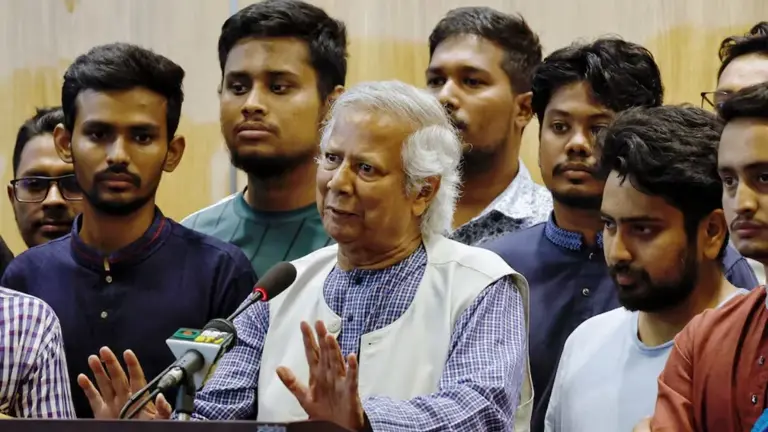
Dhaka, December 22, 2024 — An inquiry commission established by Bangladesh’s interim government has delivered a damning report suggesting that India played a role in enforced disappearances during the tenure of former Prime Minister Sheikh Hasina. The commission, led by retired Supreme Court judge Mainul Islam Chowdhury, presented its findings in a report titled “Unfolding the Truth,” submitted to Chief Adviser Professor Muhammad Yunus on December 21, 2024.

The revelations have sent shockwaves through both domestic and international circles, as the findings implicate foreign involvement in human rights violations that have marred Bangladesh’s political landscape. The commission’s conclusions raise questions about state accountability and the complex dynamics of Bangladesh-India relations.

Evidence of Indian Involvement

The commission’s report asserts that substantial intelligence points to India’s role in enforced disappearances within Bangladesh. According to Judge Chowdhury, “This is no longer speculation but a matter of public record.” The report, based on intelligence documents, eyewitness testimonies, and case analyses, suggests a coordinated effort involving cross-border complicity.

The findings specifically cite cases where victims were abducted from Bangladeshi soil and subsequently found in Indian detention facilities. This narrative aligns with longstanding allegations by various human rights groups and opposition parties about India’s involvement in Bangladesh’s internal security matters.

Highlighted Cases

Two cases in particular underscore the gravity of these allegations:

  1. Sukharanjan Bali: A witness in the controversial trial of Delwar Hossain Sayeedi by Bangladesh’s International Crimes Tribunal, Bali was reportedly abducted from the Supreme Court premises in 2012. He later surfaced in an Indian prison, where he alleged mistreatment and wrongful detention. The commission has flagged this case as a glaring example of transnational abduction.
  2. Salahuddin Ahmed: A senior leader of the Bangladesh Nationalist Party (BNP), Ahmed was allegedly abducted in 2015. After weeks of being unaccounted for, he was found in India, claiming he had been forcibly transported across the border and subjected to harsh conditions.

Statistics on Enforced Disappearances

The commission estimates that over 3,500 enforced disappearances have occurred in Bangladesh since 2009. Of these, 1,676 complaints have been formally registered, and the commission has investigated 758 cases. Preliminary findings reveal that approximately 27% of those reported missing have never returned, raising serious concerns about the fate of these individuals.

Recommendations from the Commission

The report provides a series of recommendations aimed at addressing the systemic issues underlying these disappearances:

  1. Identification of Detainees: The Ministries of Foreign Affairs and Home Affairs have been urged to identify Bangladeshi citizens who may still be imprisoned in India. This initiative would involve diplomatic engagement and intelligence-sharing to trace the missing individuals.
  2. Abolition of the Rapid Action Battalion (RAB): The commission recommends disbanding the RAB, a paramilitary force implicated in many enforced disappearances. The report criticizes the RAB’s lack of accountability and its role in perpetuating a culture of impunity.
  3. Legal Reforms: The Anti-Terrorism Act of 2009, which has often been used to justify extrajudicial actions, should undergo significant amendments to ensure compliance with international human rights standards.
  4. International Oversight: The commission suggests involving international human rights organizations to monitor the implementation of these recommendations and to provide an impartial perspective on future investigations.

Context and Political Implications

The commission’s findings come at a time of heightened political uncertainty in Bangladesh. Sheikh Hasina’s departure to India following widespread protests against her government’s alleged authoritarian practices has left a power vacuum that the interim government is struggling to fill. The report’s allegations of foreign involvement further complicate the political scenario, casting a shadow over Bangladesh-India relations.

Past Captive Exchange Practices

The report sheds light on a pattern of captive exchanges between India and Bangladesh, where individuals apprehended in one country were covertly transferred to the other. This practice, often justified under the guise of counterterrorism, has led to significant human rights abuses.

The commission notes that these exchanges were not always formalized through legal channels, thereby violating both countries’ domestic laws and international conventions. The case of Salahuddin Ahmed exemplifies this practice, as he alleged being handed over without due process.

Domestic Response to the Findings

Actions by the Interim Government

In response to the commission’s report, the interim government has initiated the following measures:

  • Formation of a Task Force: A high-level task force has been established to liaise with Indian authorities and investigate the allegations.
  • Diplomatic Engagement: Bangladesh’s Ministry of Foreign Affairs has summoned the Indian High Commissioner to discuss the findings and seek clarification.
  • Legislative Reforms: Lawmakers are considering amendments to existing legal frameworks to prevent future occurrences of enforced disappearances.

Public and Political Reactions

The revelations have sparked outrage among the Bangladeshi populace, particularly the families of the disappeared. Opposition parties, including the BNP, have seized upon the findings to demand accountability from both the interim government and India.

Human rights organizations, both local and international, have called for independent investigations into the allegations. Amnesty International and Human Rights Watch have emphasized the need for transparency and justice for the victims.

Impact on Bangladesh-India Relations

The commission’s report has introduced a new layer of complexity to the historically multifaceted relationship between Bangladesh and India. While the two nations share deep economic, cultural, and security ties, the allegations of Indian involvement in Bangladesh’s internal affairs risk straining this relationship.

Indian Government’s Stance

As of now, the Indian government has not officially responded to the commission’s findings. However, analysts predict that New Delhi will likely deny the allegations to preserve its regional standing and bilateral relations with Dhaka.

Potential Fallout

  • Diplomatic Tensions: The report could lead to a cooling of diplomatic ties, with both countries potentially reassessing their security and intelligence-sharing arrangements.
  • Regional Implications: The findings may also affect India’s broader relations with South Asian nations, as the allegations raise questions about its role in regional stability.
  • Economic Repercussions: Trade agreements and joint development projects may face delays or renegotiations as trust between the two governments erodes.

The Road Ahead

The commission’s report represents a critical step in addressing a dark chapter of Bangladesh’s history. However, its impact will depend on the interim government’s ability to implement the recommendations and hold accountable those responsible for these human rights violations. International oversight and support will be crucial in ensuring justice for the victims and preventing future abuses.

As Bangladesh navigates this challenging period, the revelations underscore the importance of upholding the rule of law and safeguarding human rights, both domestically and in its bilateral engagements. The path forward will require courage, transparency, and a commitment to justice, not only for the victims of enforced disappearances but also for the nation as a whole.


ईडी को अरविंद केजरीवाल के खिलाफ मुकदमा चलाने की मंजूरी, आप ने बताया साजिश

0

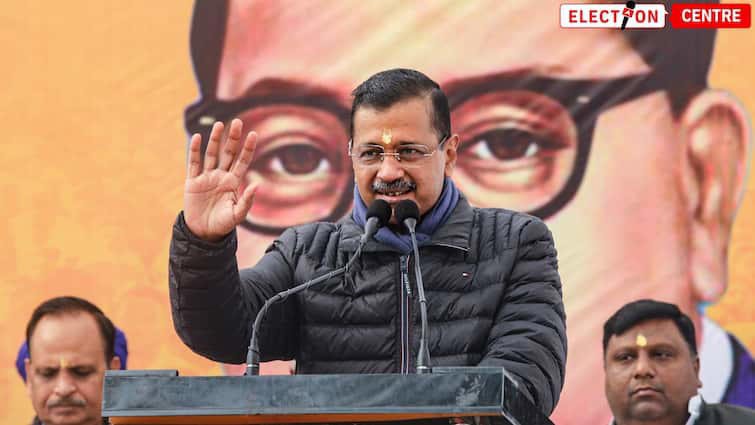
आज हम बात कर रहे हैं दिल्ली के मुख्यमंत्री अरविंद केजरीवाल के खिलाफ प्रवर्तन निदेशालय (ईडी) को मिली कानूनी मंजूरी की। ये मामला दिल्ली की 2021-22 की विवादित आबकारी नीति से जुड़ा है और चुनावी राजनीति के लिए बहुत अहम बन गया है।

क्या है पूरा मामला?

दिल्ली सरकार ने 2021-22 में एक नई आबकारी नीति लागू की थी, जिसका उद्देश्य शराब कारोबार को सुधारना था। लेकिन आरोप लगे कि इस नीति से कुछ निजी कंपनियों को फायदा पहुंचाया गया। ईडी का कहना है कि इस घोटाले में अरविंद केजरीवाल की भूमिका रही है।
ईडी ने 5 दिसंबर 2024 को दिल्ली के उपराज्यपाल (एलजी) वीके सक्सेना से अनुमति मांगी थी, जो अब मंजूर हो गई है। इसका मतलब है कि ईडी अब उनके खिलाफ अदालत में मुकदमा चला सकती है।

आप पार्टी का पक्ष

आम आदमी पार्टी (आप) ने इन आरोपों को सिरे से खारिज कर दिया है। उनका कहना है कि ये सब राजनीति से प्रेरित है।

  • राजनीतिक साजिश का आरोप: आप पार्टी का कहना है कि भाजपा केंद्र की एजेंसियों का इस्तेमाल करके उनकी सरकार को बदनाम करने की कोशिश कर रही है।
  • सबूत का अभाव: आप ने कहा कि अब तक इस मामले में कोई ठोस सबूत या पैसों की बरामदगी नहीं हुई है।

चुनावी माहौल में क्या असर पड़ेगा?

यह मामला चुनावों से ठीक पहले आया है, जिससे राजनीति गरमा गई है।

  • आप के लिए चुनौती: यह मामला पार्टी की छवि को नुकसान पहुंचा सकता है।
  • भाजपा का हमला: भाजपा इसे आप की नीतियों और पारदर्शिता पर सवाल उठाने के लिए इस्तेमाल कर रही है।

क्या होगा आगे?

यह मामला अब अदालत में जाएगा, जहां आप को अपनी बेगुनाही साबित करनी होगी। हाई कोर्ट में भी सुनवाई होनी है, और इस पर सभी की नजरें टिकी हुई हैं।

राजनीति में इस तरह की खींचतान लोकतंत्र के लिए अच्छी नहीं है। अगर कोई गड़बड़ी हुई है, तो न्यायिक प्रक्रिया के तहत सच्चाई सामने आनी चाहिए। लेकिन अगर यह सिर्फ राजनीति का हिस्सा है, तो यह जनता के समय और संसाधनों की बर्बादी है।

आप क्या सोचते हैं? क्या ये सही में घोटाला है या राजनीति का एक और खेल?

“Impact of One Nation, One Election on Regional Parties: Challenges and Opportunities”

0

The One Nation, One Election proposal has sparked significant debate regarding its implications for India’s electoral and political landscape. Regional parties, which play a critical role in representing localized issues and state-level governance, could face considerable challenges if the proposed reforms are implemented. Here’s a detailed breakdown:

Arguments Against One Nation, One Election for Regional Parties

1. Centralization of Power

  • Marginalization of Regional Voices: With simultaneous elections, national-level campaigns and issues might dominate, overshadowing the local concerns that regional parties typically champion.
  • National Narrative Dominance: The synchronization of state and national elections could lead to voters aligning state-level choices with national parties, reducing the relevance of regional agendas.

2. Electoral Dynamics

  • Resource Disparity: Regional parties often operate with limited financial and logistical resources compared to national parties. Competing in a consolidated election cycle might intensify the disparity.
  • Impact on Localized Campaigns: Campaigns tailored to local issues might struggle to gain traction amidst the noise of a large-scale national election.

3. Voter Behavior and Fatigue

  • National Issues Over Local Concerns: Voters might be influenced by broader national issues, sidelining local governance questions that are central to regional parties.
  • Dilution of Regional Identity: The focus on national leadership could dilute the unique identity and appeal of regional parties.

4. Political Representation

  • Reduced Emergence of Local Leaders: A synchronized election timeline might limit the opportunities for state-level leaders to gain prominence, as the focus would often shift to national figures.
  • Potential Homogenization: Diverse political representation might diminish, as larger national parties could dominate electoral outcomes in states where they historically faced strong regional opposition.

Potential Logistical Challenges

  • Administrative Complexity: Conducting simultaneous elections across the Lok Sabha and state assemblies would require significant coordination, including massive deployment of election personnel and security forces.
  • Ensuring a Level Playing Field: Addressing disparities in campaign resources between national and regional parties would be crucial to maintaining fair competition.

Adapting to the New Landscape

Despite the challenges, regional parties might find ways to navigate the new system:

  • Strategic Alliances: Forming coalitions with like-minded parties, including national parties, could strengthen their electoral prospects.
  • Innovative Campaigning: Leveraging technology and social media to amplify regional concerns could help them reach a wider audience effectively.
  • Issue-Based Mobilization: Doubling down on unique regional issues and showcasing their governance achievements could attract voter attention despite a national narrative.

The One Nation, One Election initiative promises administrative efficiency but raises concerns about its potential to centralize power and diminish the role of regional parties. While national parties might benefit from the alignment, regional parties could face an uphill battle to maintain their influence and relevance. The ultimate success of this initiative will depend on careful consideration of these dynamics and mechanisms to ensure equitable representation for all political entities.

Former Cricketer Robin Uthappa Faces Arrest Warrant Over Provident Fund Fraud

0

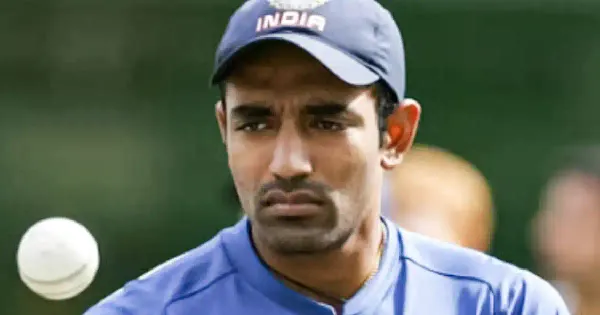
In a surprising turn of events, former Indian cricketer Robin Uthappa is facing an arrest warrant over allegations of fraud related to employee provident fund (EPF) contributions. The warrant was issued by Regional PF Commissioner Sadakshari Gopal Reddy following accusations of unpaid dues amounting to approximately ₹24 lakh (around $29,000) at Centaurus Lifestyle Brands Pvt Ltd, a company Uthappa manages.

Key Details of the Case

Allegations:
The allegations against Uthappa revolve around claims that provident fund contributions were deducted from employees’ salaries but were not deposited into their respective accounts. The total unpaid amount has been reported to be ₹23,36,602.

Payment Deadline:
Uthappa has been granted until December 27, 2024, to clear the outstanding dues. Failure to comply with the deadline could result in law enforcement moving forward with his arrest.

Current Status:
Efforts to locate Uthappa have been unsuccessful so far. Reports suggest that he was not at his residence in Pulakeshinagar, Bengaluru, when authorities attempted to serve the warrant. Uthappa is currently believed to be residing in Dubai with his family.

A Cricketer Under Fire

Robin Uthappa, who represented India in 59 international matches and had a successful career in the Indian Premier League (IPL), is now embroiled in a legal controversy that could damage his public image and business ventures. Known for his charismatic presence on the cricket field, Uthappa’s current predicament marks a challenging chapter in his post-cricket career.

Legal and Reputational Risks

If Uthappa fails to pay the dues by the stipulated deadline, he could face legal consequences, including arrest and potential criminal charges. Beyond the legal implications, the scandal threatens to tarnish his reputation, impacting both his business dealings and public standing.

No Public Response Yet

As of now, Uthappa has not made any public statements addressing the allegations or the arrest warrant. Observers are closely monitoring developments to see how the cricketer and his legal team respond to the unfolding situation.

Looking Ahead

This incident raises serious questions about corporate responsibility and transparency in managing employee benefits. For Robin Uthappa, the clock is ticking as he faces not only a legal battle but also a test of his integrity and accountability in the public eye.

India Protests Controversial Remarks by Bangladeshi Interim Government Aide

0

India has officially lodged a strong protest with Bangladesh, regarding controversial remarks made by Mahfuj Alam, a key aide in the country’s interim government. The Ministry of External Affairs (MEA) expressed concerns over Alam’s statements, which were perceived as provocative and irresponsible, especially given the sensitive nature of India-Bangladesh relations at this time.

Remarks by Mahfuj Alam: In a now-deleted Facebook post, Alam suggested that India should acknowledge the uprising that led to the resignation of former Prime Minister Sheikh Hasina. He also included a map that depicted parts of Indian territory, specifically West Bengal, Assam, and Tripura, as part of Bangladesh, which sparked significant backlash.

India’s Response: MEA spokesperson, Randhir Jaiswal, emphasized the need for responsibility in public statements made by leaders of Bangladesh. He reiterated India’s commitment to fostering bilateral relations but cautioned that such comments could undermine diplomatic efforts.

Concerns Over Minority Safety: The protest also highlighted India’s worries regarding a rise in violence against minorities in Bangladesh. Reports indicated that incidents targeting Hindus surged from 302 in 2023 to 2,200 in 2024, raising alarms about the safety and rights of minority communities under the current interim administration.

Diplomatic Communication: The Indian high commission in Dhaka formally communicated these concerns through a note verbale, underscoring the seriousness with which India views these comments, and their potential impact on bilateral ties.

This incident reflects ongoing tensions between India and Bangladesh, particularly following the political upheaval in Bangladesh, which led to Sheikh Hasina’s departure, and the establishment of an interim government led by Nobel laureate Muhammad Yunus.

Bangladesh Faces Financial Crossroads Over Power Deal Renegotiation with Adani Power

0

Bangladesh’s ongoing attempts to renegotiate a high-stakes power purchase agreement with India’s Adani Power are poised to have significant financial and economic implications. The deal, which originally required Bangladesh to pay $23.87 billion over 25 years, has faced growing criticism over its high costs and alleged irregularities.

Mounting Costs and Financial Strain

The electricity supplied from Adani’s Godda coal-fired power plant has drawn fire for being disproportionately expensive. Reports indicate that the power costs about three times more than electricity sourced from other Indian suppliers and nearly 1.5 times the cost of domestic production. This has left the Bangladesh Power Development Board (BPDB) facing annual projected losses of $81.34 million.

Adding to the strain, Bangladesh’s foreign currency reserves have declined, complicating its ability to make payments in U.S. dollars—a stipulation of the agreement. The BPDB reportedly owes Adani hundreds of millions of dollars in arrears, further exacerbating the financial tension.

Potential Savings Through Renegotiation

In its bid to alleviate these financial burdens, Bangladesh is seeking to renegotiate key terms of the agreement. Officials have estimated potential savings of $28.6 million by addressing the tax exemptions granted to Adani under India’s special economic zone policies, which were allegedly not passed on to Bangladesh as stipulated in the contract.

The renegotiation push comes amid legal and political scrutiny. The Bangladesh High Court has ordered a review of the agreement, questioning its validity due to alleged irregularities, including claims of bribery during its formation in 2017.

Adani Power’s Response

Adani Power has denied any allegations of misconduct, stating that it has adhered to all contractual obligations. The company has also dismissed claims related to tax benefits and contractual breaches as baseless. Despite this, tensions have escalated, with Adani recently reducing its power supply to Bangladesh by half, citing payment delays.

Broader Implications for Bangladesh

The reduced power supply, from approximately 1,400 megawatts (MW) to 700-800 MW, has deepened an already critical energy shortfall in Bangladesh, where demand continues to rise. This has disrupted industries, particularly in the manufacturing and textile sectors, and led to widespread blackouts affecting millions.

To mitigate these issues, Bangladesh has increased coal-fired power generation domestically but at a significant environmental and financial cost. Experts argue that long-term investments in renewable energy and energy efficiency are vital to reduce dependence on costly imports and stabilize the sector.

Looking Ahead

The outcome of the renegotiation could shape the trajectory of Bangladesh’s energy policy and economic stability. Success in revising the deal might provide much-needed fiscal relief and pave the way for investments in sustainable energy. However, failure to reach an agreement could leave the country grappling with continued financial and energy challenges.

As the interim government navigates these negotiations, the stakes remain high, with potential ramifications for both Bangladesh’s economy and its bilateral relations with India. Observers will be watching closely to see whether the country can secure a more equitable energy deal.


Manoj Jha’s Stirring Defense of Nehru’s Legacy in Rajya Sabha

0

In December 2024, Rashtriya Janata Dal (RJD) leader Manoj Kumar Jha delivered a compelling speech in the Rajya Sabha, passionately defending the legacy of India’s first Prime Minister, Jawaharlal Nehru. The address came during a parliamentary discussion commemorating the 75th anniversary of the Indian Constitution. Jha took aim at the Bharatiya Janata Party (BJP), accusing it of systematically undermining Nehru’s contributions to India’s democratic fabric.

“You may win elections for another 100 years, but you will find Nehru still standing because he is a symbol of parliamentary democracy against authoritarianism,” Jha proclaimed. His powerful words struck a chord, portraying Nehru as a steadfast “shield” and “protector” of democratic values—ideals Jha argued are more relevant than ever in today’s polarized political landscape.

Nehru’s Legacy as a Pillar of Democracy

Jha’s address underscored Nehru’s enduring legacy as a defender of constitutional governance. He emphasized that Nehru’s vision remains unscathed by recent electoral defeats suffered by opposition parties. “Nehru did not lose the general elections of 2014, 2019, or 2024,” Jha remarked. “It was the opposition, including the Congress, that faced defeat.”

By framing Nehru as a timeless symbol of democracy, Jha sought to highlight the stark contrast between India’s founding principles and what he described as the BJP’s authoritarian tendencies.

A Speech That Resonated Nationwide

The speech quickly went viral on social media, earning widespread praise for its eloquence and conviction. Many users applauded Jha for his unyielding defense of India’s democratic ideals, while videos of the address sparked intense debates about Nehru’s lasting impact on the nation.

Political analysts observed that Jha’s remarks come at a critical juncture, as discussions about the Constitution and India’s democratic institutions grow increasingly contentious. By invoking Nehru, Jha aimed to remind both Parliament and the public of the values enshrined in the Constitution—values that, he argued, are under threat.

A Warning Against Authoritarianism

Jha’s rhetoric also served as a broader critique of the BJP’s governance. Warning against authoritarian tendencies, he declared, “The spirit of the Constitution demands that we resist any attempts to dilute its core values.” His speech was not just a defense of Nehru but a call to uphold the democratic principles that form the bedrock of India’s political system.

A Divisive Impact

As the parliamentary session concluded, Jha’s address remained a focal point of debate. While BJP members dismissed his comments as partisan posturing, opposition leaders hailed them as a timely reminder of the need to protect democratic ideals in challenging times.

Jha’s stirring defense of Nehru’s legacy and his critique of contemporary politics have sparked a renewed conversation about the role of democratic institutions in India’s future. His speech stands as a potent reminder of the enduring relevance of constitutional values in an ever-changing political landscape.

Parliament Winter Session Day 20 Highlights FIR Filed Against Rahul Gandhi Amid Escalating Tensions

0

New Delhi, December 20, 2024 – The 20th day of the Winter Session of the Indian Parliament was marked by escalating political tensions. An FIR (First Information Report) was filed against Rahul Gandhi, the Congress leader, after a violent altercation outside Parliament. This incident, which led to injuries among two BJP MPs, has added fuel to the already heated political atmosphere between the ruling BJP and the opposition Congress. As the session nears its end, these developments, along with the controversy surrounding Home Minister Amit Shah’s remarks on Dr. B.R. Ambedkar, are expected to dominate political discussions.


The FIR Against Rahul Gandhi

On Day 20 of the Winter Session, the Delhi Police filed an FIR against Rahul Gandhi. The police accused him of inciting a violent clash outside Parliament. The altercation involved scuffles between BJP and Congress MPs. BJP leaders claimed that Congress MPs physically assaulted them, while Congress MPs argued that the BJP started the fight. Two BJP MPs were injured during the scuffle.

The Congress party quickly rejected these charges, calling the FIR a political attack. Rahul Gandhi argued that the ruling BJP was using the police to target opposition leaders. He also suggested that the FIR was a tactic to distract from the growing controversy over Amit Shah’s recent comments on Dr. B.R. Ambedkar.


Amit Shah’s Controversial Comments on Ambedkar

The controversy began on December 17, 2024, during a Rajya Sabha debate. Home Minister Amit Shah made controversial remarks about Dr. B.R. Ambedkar, who is known as the architect of India’s Constitution. Shah said, “It has become a fashion to say Ambedkar, Ambedkar, Ambedkar. If they had taken God’s name as many times, they would have earned a place in heaven.”

Opposition leaders, especially those from Congress, reacted strongly. They accused Shah of disrespecting Ambedkar. His words were seen as an insult to the man who fought for social justice and the rights of Dalits. Congress leaders, including Rahul Gandhi, called for Shah’s resignation and demanded an apology.


Congress Defends Rahul Gandhi

After the filing of the FIR, the Congress party came out in strong support of Rahul Gandhi. KC Venugopal, the Congress General Secretary, criticized the FIR. He argued that it was part of a larger plan by the BJP to suppress opposition voices. He said that the BJP wanted to distract from the real issues, like Shah’s comments on Ambedkar.

Venugopal also pointed out that Gandhi had been speaking out for the rights of marginalized communities, including Dalits, OBCs, and other backward classes. He framed the filing of the FIR as political revenge, designed to silence Congress leaders.


Alleged Bias in Police Actions

The Congress also raised concerns about the Delhi Police’s impartiality. They claimed that the police had acted too quickly in filing the FIR against Rahul Gandhi. However, when Congress women MPs complained about BJP leaders physically assaulting them, the police had not acted with the same urgency. This, according to the Congress, showed a bias in how law enforcement was handling the situation.


Protests and Tensions Outside Parliament

Following the filing of the FIR, Congress MPs held protests outside Parliament. They demanded an apology from Amit Shah for his remarks about Ambedkar. These protests were, however, banned by Lok Sabha Speaker Om Birla, who cited concerns over growing tensions. Despite this, the protests continued. Congress leaders emphasized their commitment to defending Ambedkar’s legacy and questioned the BJP’s attitude toward him.


BJP’s Defense of Amit Shah

On the other side, BJP leaders defended Amit Shah. They argued that his remarks were misinterpreted and that he never intended to insult Ambedkar. Shah himself clarified that his comments were aimed at criticizing the Congress for ignoring Ambedkar’s contributions.

The BJP also accused the Congress of misusing Ambedkar’s name for political gain. They suggested that the Congress had historically neglected Ambedkar’s work and that it had been anti-reservation. BJP leaders emphasized that their party had done more to honor Ambedkar’s legacy.


The Scuffle Outside Parliament: An Escalating Conflict

The scuffle outside Parliament escalated quickly. Both the BJP and Congress accused each other of starting the fight. While the Congress claimed that the BJP MPs were the aggressors, the BJP alleged that Rahul Gandhi and his colleagues provoked the violence. The situation became chaotic, with MPs from both parties calling for action against the individuals involved in the clash.


The One Nation, One Election Bill

As the Winter Session approaches its end, the BJP is planning to introduce a crucial bill: One Nation, One Election. This proposal seeks to hold state and national elections at the same time, thereby saving costs and reducing the frequency of elections. The BJP argues that this will streamline the electoral process and improve governance.

However, opposition parties, particularly the Congress, are concerned. They argue that such a system could undermine the autonomy of state governments and lead to a centralization of power. They also argue that it may hurt smaller, regional parties that rely on local elections to gain influence.


 Growing Divisions in Parliament

The Winter Session of Parliament has been marked by rising political tensions. The altercation outside Parliament, along with the FIR against Rahul Gandhi and the controversy surrounding Amit Shah’s remarks on Ambedkar, has divided the political landscape. The Congress continues to challenge the BJP, demanding action over Shah’s comments and the handling of the FIR. Meanwhile, the BJP remains firm in defending its stance and shifting the narrative toward Congress’s own record.

As the Winter Session nears its conclusion, the political climate in India remains highly charged. The outcome of the One Nation, One Election proposal could further increase the divide between the ruling party and the opposition. With both sides entrenched in their positions, the coming weeks will be crucial for shaping India’s political future.