Saturday, June 27, 2026
Home Blog Page 17

Hemant Soren Begins Fourth Term as Jharkhand Chief Minister A Vision for Inclusive Growth

0

Hemant Soren has officially assumed office for his fourth term as the Chief Minister of Jharkhand following a decisive electoral victory. With a robust mandate, his administration is poised to prioritize welfare, tribal empowerment, employment generation, and governance efficiency. Here’s an in-depth look at the key focus areas for Soren’s leadership this term:

1. Welfare Schemes and Freebies

  • Health Insurance: A new comprehensive health insurance scheme will offer benefits of up to ₹15 lakh per annum, surpassing the central Ayushman Bharat scheme’s₹5 lakh coverage.
  • Electricity Subsidies: Families consuming up to 200 monthly units will receive it free, benefiting over 41 lakh households.
  • Loan Waivers for Farmers: The administration plans to waive farm loans up to ₹2 lakh, supporting nearly 1.91 lakh farmers and strengthening the rural economy.
  • Financial Support for Women: The ‘Mukhya Mantri Bahan Beti Maiqui Swabalamban Protsahan Yojana’ promises ₹1,000 per month to women aged 21-50, benefiting 45 lakh women and costing ₹5,500 crore annually.

2. Focus on Tribal Welfare

  • Empowerment Initiatives: Proposed legislation ensures tribal communities gain more control over local resources, reinforcing their socio-economic rights.
  • Unity Campaigns: The ‘Abhar Yatra’ will strengthen tribal identity and galvanize political support by addressing community grievances and celebrating their cultural heritage.

3. Employment and Infrastructure Development

  • Job Creation: Tackling unemployment is a priority, with initiatives to streamline recruitment and boost job opportunities for the youth.
  • Infrastructure Investment: The administration plans to improve education, healthcare, and public amenities, focusing on raising Jharkhand’s human development index.

4. Governance and Administrative Reforms

  • Effective Scheme Implementation: Addressing challenges in executing welfare programs will be key, with a balance required between fiscal prudence and social initiatives.
  • Administrative Efficiency: Ensuring responsive governance by reducing bureaucratic delays and enhancing service delivery mechanisms.

The Role of the ‘Abhar Yatra’ in Shaping Political Dynamics

The ‘Abhar Yatra,’ designed to thank voters and reinforce tribal unity, is central to Soren’s outreach strategy. By emphasizing tribal pride, welfare achievements, and his leadership’s resilience against political challenges, the campaign seeks to consolidate support ahead of future electoral battles.

  • Strengthened Tribal Identity: Soren’s narrative as a defender of Adivasi rights positions him as a unifying leader for tribal communities.
  • Economic and Social Outreach: Welfare schemes targeting women and farmers are expected to boost grassroots engagement.
  • Countering Opposition: The Yatra is a counter-narrative to the BJP’s strategy, uniting diverse tribal groups under the JMM’s banner.

Hemant Soren’s fourth term marks a pivotal phase for Jharkhand, emphasising inclusive growth, tribal empowerment, and systemic governance improvements. His administration’s ability to deliver on ambitious welfare programs while navigating fiscal and administrative challenges will define the success of his leadership. With initiatives like the ‘Abhar Yatra,’ Soren is poised to cement his legacy as a transformative leader for Jharkhand.

Priyanka Gandhi Vadra’s Parliamentary Debut- A Turning Point for Congress and Indian Politics

0

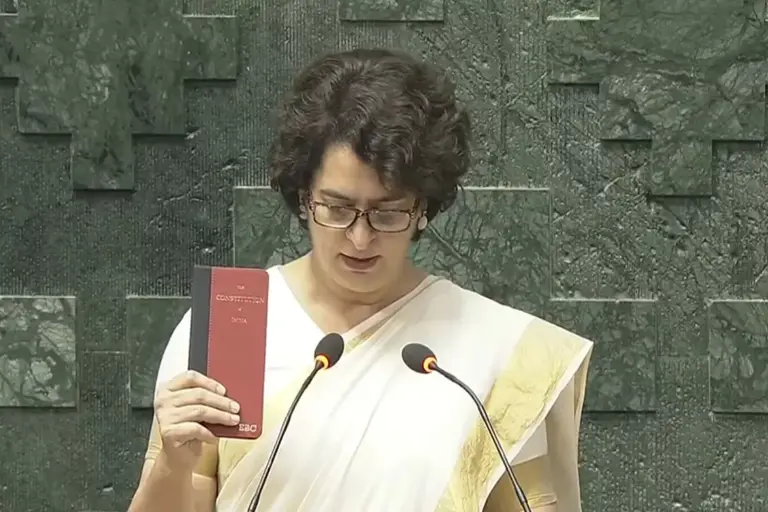
Priyanka Gandhi Vadra’s historic entry into Parliament marks a pivotal moment for the Indian National Congress (INC) and the broader political landscape of India. Her decisive victory in the Wayanad by-election not only secures her place in the Lok Sabha but also symbolizes the consolidation of the Nehru-Gandhi family’s influence, with all three prominent family members—Sonia Gandhi, Rahul Gandhi, and Priyanka Gandhi Vadra—now serving as Members of Parliament. This development comes at a time when the Congress party is seeking to redefine its strategy and reinvigorate its presence in national politics.

A Symbolic and Strategic Victory

Priyanka’s triumph in Wayanad has both symbolic and strategic implications. The seat, previously held by her brother Rahul Gandhi, was vacated following his disqualification, making her victory a crucial step in maintaining the party’s foothold in Kerala. The substantial margin of her win underscores her ability to connect with voters and demonstrates the party’s continuing relevance in the state.

Her entry into Parliament comes at a time when the Congress is striving to counter the Bharatiya Janata Party’s (BJP) dominance and regain its position as a formidable political force. As an MP, Priyanka is expected to play a vital role in reshaping the Congress’s policy focus, strengthening its grassroots efforts, and presenting a united opposition.

Strengthening Congress’s Political Clout

The presence of all three Gandhis in Parliament could significantly enhance the Congress’s political clout, providing a more coordinated leadership to address critical national issues. Priyanka’s ability to connect with the masses, combined with Rahul’s focus on economic equality and Sonia’s political experience, creates a dynamic leadership team capable of steering the party through challenging times.

Together, the siblings can drive discussions on key issues such as women’s empowerment, education, and economic justice. Priyanka’s entry adds a fresh dimension to these debates, particularly as a prominent female leader in Indian politics. Her charisma and empathetic approach to campaigning have the potential to attract younger voters and re-energize the party’s support base, especially in regions where it has struggled electorally.

Revitalizing the Party Image

Priyanka Gandhi Vadra’s political persona—rooted in her ability to connect with grassroots movements and address pressing local concerns—represents a significant opportunity for Congress to revitalize its image. Her campaign in Wayanad highlighted her focus on regional issues, such as disaster relief for landslide victims, which resonated with voters.

This grassroots approach is expected to be a cornerstone of her strategy as she works to rebuild the party’s support base. Priyanka’s efforts to engage with young voters and address their aspirations could help Congress position itself as a modern, inclusive alternative to the BJP, which has dominated the political narrative in recent years.

Challenges and Criticism

Despite the optimism surrounding Priyanka’s entry, it is not without challenges. Critics argue that the Congress’s continued reliance on the Gandhi family perpetuates dynastic politics, potentially stifling the emergence of new leadership within the party. This perception could alienate sections of the electorate, particularly those seeking a break from traditional political structures.

Internally, Priyanka will need to navigate complex party dynamics, balancing her responsibilities as an MP with broader leadership expectations. Her ability to manage these demands while addressing criticisms of dynastic politics will be critical to her success.

Externally, the Congress faces the daunting task of countering the BJP’s dominance, which extends across most of India’s key states. Priyanka’s ability to translate symbolic victories into substantive political gains will be closely scrutinized, as will her effectiveness in presenting a compelling alternative to the BJP’s majoritarian narrative.

Impact on Policy and Strategy

Priyanka’s presence in Parliament is expected to influence Congress’s stance on key policy issues, particularly those related to women’s empowerment and education. As a vocal advocate for gender equality, her leadership could invigorate discussions on increasing women’s representation in politics and addressing systemic barriers to their participation.

Regionally, her win in Wayanad highlights the importance of Congress’s strategy in Kerala and the South. Her focus on local issues may shape the party’s broader policy agenda, emphasizing the need for targeted solutions to regional challenges.

Within the framework of the INDIA bloc—a coalition of opposition parties—Priyanka’s role could be pivotal in fostering unity and shaping the coalition’s strategy against the BJP. However, this role will require careful navigation of inter-party dynamics and power-sharing arrangements.

Future Implications

Priyanka Gandhi Vadra’s successful entry into Parliament marks the beginning of a new chapter for the Congress party. Her role has the potential to redefine opposition politics, enhance Congress’s visibility on national issues, and reinvigorate its organizational structure.

Her transition from a campaign strategist to a frontline leader will be closely watched, as will her ability to deliver tangible results in Parliament. If she can effectively articulate a clear vision for the Congress and address the concerns of diverse voter groups, she could emerge as a key player in shaping the party’s future trajectory.

Priyanka Gandhi Vadra’s presence in Parliament represents a significant opportunity for the Indian National Congress to reassert itself in national politics. Her ability to navigate internal challenges, counter BJP dominance, and connect with a diverse electorate will determine her impact on the party’s fortunes.  As the Congress seeks to position itself as a credible alternative to the BJP, Priyanka’s leadership could be crucial in shaping its path forward. The coming months will be critical as she establishes her presence in Parliament and works to redefine the Congress’s role in Indian politics. Her journey has the potential to be transformative, not just for her party but for the broader political landscape of the country.

Explosions Rock Prashant Vihar- Investigation, Security Measures, and Community Response

0

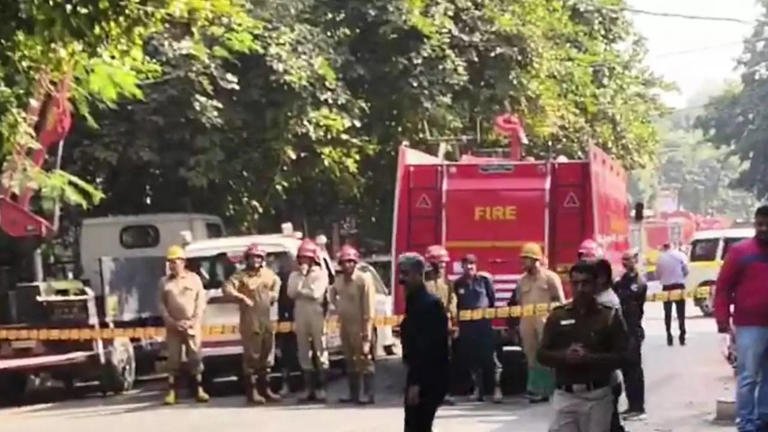
In a concerning series of events, Delhi’s Prashant Vihar area has witnessed two explosions in a month, sparking heightened security concerns and prompting extensive investigations. The latest incident occurred on November 28, 2024, near a sweet shop named Bansi Wala, close to a popular cinema. This follows an earlier explosion near a CRPF school on 20 October, raising questions about public safety and potential connections between the incidents.

Details of the Latest Explosion

The most recent blast occurred around 11:48 AM, sending shockwaves through the bustling neighbourhood. The explosion was reportedly loud, prompting immediate responses from the Delhi Police and the Fire Department. While there were no injuries or casualties, authorities discovered a white powder-like substance at the site, which is currently under forensic examination.

The incident site was swiftly cordoned off, with fire tenders and a Bomb Disposal Squad dispatched to ensure public safety and assist in investigations. Police teams are analyzing CCTV footage from the area to identify potential suspects or unusual activities leading up to the explosion.

The October Explosion

This blast follows a similar incident in the same area on 20 October 2024, near the CRPF school. That explosion damaged a portion of the school’s wall but fortunately caused no injuries. Preliminary investigations into that event suggested the use of a crude bomb, and a white powdery substance was also found at the scene, raising concerns about potential links between the two incidents.

Investigation in Progress

Law enforcement agencies, including the Special Cell of the Delhi Police and forensic experts, are actively investigating both explosions. While no group has claimed responsibility, authorities are exploring various angles, including possible connections to extremist activities.

CCTV footage, physical evidence, and witness statements are being analyzed to uncover the source and motive behind these incidents. Similar substances at both sites have further fueled speculation about a coordinated effort, though definitive conclusions are pending forensic analysis.

Community Reaction

The back-to-back incidents have left residents of Prashant Vihar anxious and unsettled. Local shopkeepers and residents have expressed concern over the recurring blasts in what was once considered a relatively peaceful neighbourhood.

“I have lived here for years and never imagined such incidents happening so close to home,” shared Ramesh Kumar, a shop owner near the blast site. Many residents have urged authorities to bolster security measures and provide regular updates to alleviate growing fears.

Local leaders have also called for immediate action to ensure safety in the area, especially with the festival season approaching, which typically sees increased public gatherings.

In response to the explosions, Delhi Police have implemented a series of measures to strengthen public safety in the area:

  1. Increased Patrols: Security personnel, including plainclothes officers, are conducting intensified patrols in crowded places such as markets, malls, and public transport hubs.
  2. Traffic Restrictions: In nearby high-density areas like Sadar Bazar, loading and unloading activities have been restricted during peak hours to allow thorough security inspections.
  3. Surveillance Upgrades: Continuous monitoring of CCTV footage has been prioritized, with police control rooms on high alert to respond quickly to emergencies.
  4. Railway Security: Anti-sabotage checks are being conducted at metro and railway stations with the assistance of dog squads and bomb disposal units.
  5. Community Awareness: Public announcements are being made to encourage residents to report suspicious activities or objects to the authorities.

Wider Implications

The explosions have also highlighted gaps in the city’s preparedness to handle such incidents. Questions have been raised about the adequacy of preventive measures and the need for more robust intelligence gathering to preempt such threats.

Authorities are not ruling out the possibility of a broader network being involved, especially given the use of similar substances in both incidents. The investigation into potential links with extremist groups or individuals is ongoing.

Call for Calm and Vigilance

Delhi Police have urged residents to remain vigilant but calm as investigations continue. “We are leaving no stone unturned to ensure the safety of the citizens,” a senior police official stated.

The blasts have sparked a renewed focus on urban security and the importance of public cooperation in preventing such incidents. With increased security presence and community awareness, authorities hope to reassure the residents of Prashant Vihar and prevent future occurrences.

Looking Ahead

Delhiites await answers as the forensic analysis progresses and investigations delve deeper into potential connections between the blasts. The city’s resilience is being tested, but the swift response from authorities and the community’s collective vigilance offer hope for a safer future.

The incidents in Prashant Vihar are a stark reminder of the importance of constant vigilance and proactive measures in ensuring public safety in urban areas. Authorities are expected to provide further updates as investigations unfold, bringing clarity and hopefully closure to the residents affected by these unsettling events.

“India’s Push for Modern Infrastructure: Smart Cities and Freight Corridors to Transform Logistics

0

India’s Minister for Railways and Commerce & Industry, Piyush Goyal, has unveiled ambitious infrastructure initiatives to bolster the nation’s logistics and industrial capabilities. Among the key measures is the development of 20 industrial smart cities, envisioned to foster advanced manufacturing and attract investments, aligning with India’s broader economic growth and job creation objectives. Another significant undertaking is the establishment of dedicated freight corridors (DFCs) designed to enhance the efficiency and speed of goods transportation across the country. Goyal emphasized that these corridors, part of a “Dedicated For Country” scheme, are vital to strengthening India’s economic framework.

To ensure timely progress, the government closely monitors and accelerates work on the DFCs, addressing bottlenecks and resolving challenges that have previously impeded their advancement. Once completed, these projects are expected to substantially reduce logistics costs and improve transportation speed, marking a critical step toward modernizing India’s infrastructure. These initiatives underscore the Modi government’s commitment to leveraging infrastructure development as a catalyst for economic growth and improved operational efficiency in the logistics sector.

India Welcomes Israel-Hezbollah Ceasefire Agreement, Hopes for Lasting Peace

0

India has expressed strong support for the recent ceasefire agreement between Israel and Hezbollah, hoping it will lead to lasting peace in the region. The Ministry of External Affairs (MEA) stated on November 27, 2024, reaffirming India’s long-standing position on the need for “de-escalation, restraint, and a return to dialogue and diplomacy” in the Middle East.

Ceasefire Agreement Announced
The ceasefire, brokered by the United States, aims to end nearly 14 months of hostilities between Israel and Hezbollah. It includes a 60-day truce during which both sides are expected to withdraw their forces from disputed areas along the border.

Call for Stability
The Indian government has expressed hope that this ceasefire will bring broader stability to the region despite ongoing tensions related to the Gaza conflict. India has consistently advocated for peaceful conflict resolution, emphasizing the importance of diplomatic efforts over military solutions.

Historical Context
India has been a vocal proponent of peaceful resolutions in the Middle East for years. This latest development is a crucial step in reducing violence and fostering dialogue among the nations involved. India hopes it will help promote regional peace and stability.

Key Terms of the Israel-Hezbollah Ceasefire

The ceasefire, which began on 27 November 2024, includes several essential terms aimed at halting hostilities between the two parties. Here are the main points of the agreement:

  • Duration: The ceasefire will last for an initial 60 days, during which both sides must cease all military operations.
  • Withdrawal of Forces:
    • Hezbollah: The group must withdraw its forces north of the Litani River, about 40 kilometers from the Israel-Lebanon border.
    • Israeli Forces: Israeli troops are required to retreat to their side of the Blue Line, the internationally recognized border between Israel and Lebanon.
  • Security Measures:
    • The Lebanese Army will deploy thousands of troops to oversee the ceasefire and ensure compliance.
    • United Nations peacekeepers will also monitor the situation and assist in maintaining peace.
  • International Oversight: An international monitoring panel, led by the United States, will be established to ensure that both sides adhere to the ceasefire terms. Representatives from France and other nations will also be part of the panel.
  • Response to Violations: Israel retains the right to respond militarily if Hezbollah violates the agreement. This provision has sparked concerns, as some Lebanese officials have opposed it.
  • Restoration of Stability: The goal is to create conditions that allow people on both sides of the border to return safely to their homes and restore peace.

Political Implications for Lebanon

The ceasefire has significant implications for Lebanon’s political landscape:

Strengthening of the Lebanese Army
Under the ceasefire terms, the Lebanese Armed Forces (LAF) will be deployed to southern Lebanon, overseeing Hezbollah’s withdrawal. This could increase the LAF’s legitimacy and reduce Hezbollah’s military influence, leading to a more stable political environment in Lebanon.

Political Shift for Hezbollah
Hezbollah has faced substantial losses during the conflict. The ceasefire may force the group to reassess its military stance, potentially shifting its focus toward political engagement. This shift could weaken Hezbollah’s support base, especially if its role as a defender of Lebanon is questioned.

Impact on Regional Dynamics
The ceasefire could alter Lebanon’s relationship with Iran, Hezbollah’s primary backer. If Hezbollah is weakened, Iran might have to adjust its strategy in Lebanon and the region. Additionally, Israel may feel more confident addressing other regional threats without fearing retaliation from Lebanon.

Humanitarian Concerns
The ongoing conflict has left approximately 1.2 million people displaced in Lebanon. The ceasefire offers a respite for these populations, allowing them to return home and rebuild their lives. Public sentiment is shifting towards support for peaceful resolutions, which may pressure political leaders to prioritize stability over continued conflict.

While the ceasefire offers immediate relief from violence, its long-term impact on Lebanon’s political situation will depend on how well the Lebanese government can assert control over security matters. It also hinges on Hezbollah’s adaptation to its new role and whether other political factions in Lebanon can promote stability. The situation remains fluid, and future developments will shape Lebanon’s trajectory in the coming years.

World Chess Championship 2024: Gukesh Challenges Ding Liren in Game 3

0

The highly anticipated Game 3 of the 2024 World Chess Championship is underway in Singapore, featuring Indian prodigy D. Gukesh and reigning champion Ding Liren. After two rounds, Ding holds a narrow lead with a score of 1.5 to 0.5, following his victory in the first game and a draw in the second.

Game Highlights
Gukesh, playing with the white pieces, opened aggressively, quickly gaining a time advantage as Ding Liren spent considerable time calculating his responses in the early stages. As of the latest update, Gukesh has completed 13 moves, demonstrating intense preparation and confidence in his approach. Meanwhile, Ding, known for his composure under pressure, has been navigating the game carefully, signalling his intent for a competitive battle despite his early disadvantage on the clock.

Strategic Dynamics
Ding, aware of Gukesh’s aggressive playstyle and the need to defend his one-point lead, described today’s match as a “big fight” and prepared for a challenging encounter. The championship’s time control—120 minutes for the first 40 moves, with an additional 30 minutes for the rest of the game and 30 30-second increments after move 41—adds complexity, emphasising precision and time management.

Championship Stakes
The World Chess Championship is a 14-game series, with the first player to reach 7.5 points claiming the title. The total prize pool of $2.5 million adds significant stakes to every match, incentivizing bold and strategic play.

As the game progresses, fans are keenly watching whether Gukesh can capitalize on his early momentum to level the score or if Ding’s resilience will help him extend his lead. With 11 games still to play after today, the championship promises to deliver high-stakes drama and exceptional chess artistry.

Rahul Gandhi Accuses Government of Shielding Adani Amid U.S. Bribery Allegations

0

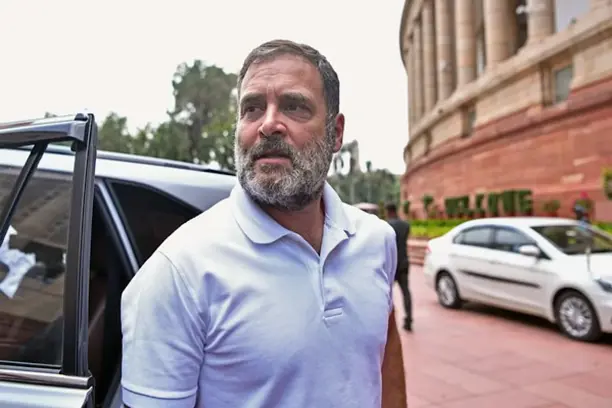
Congress leader Rahul Gandhi has accused the Indian government of protecting billionaire Gautam Adani despite serious bribery allegations outlined in a U.S. indictment. Speaking outside Parliament on November 27, 2024, Gandhi called for Adani’s arrest after U.S. authorities alleged that he and his associates orchestrated a scheme to pay approximately $265 million in bribes to Indian officials. The alleged scheme aimed to secure solar power contracts, potentially generating $2 billion in profits over the next two decades.

Gandhi criticized the government’s inaction: “Hundreds of people are being arrested on tiny charges… the gentleman has been indicted in the United States for thousands of crores; he should be in jail.” He also accused the government of shielding Adani from accountability, arguing that expecting the billionaire to face the charges without external pressure is unrealistic.

The Adani Group has denied the allegations, asserting that neither Gautam Adani nor his nephew, Sagar Adani, have been charged under the U.S. Foreign Corrupt Practices Act. However, they acknowledged facing securities fraud charges.

Gandhi’s remarks have intensified the political discourse in Parliament, where opposition parties demand a thorough investigation into the allegations by Indian authorities. The controversy adds to the mounting scrutiny surrounding the Adani Group and its ties to the government.

Police Release Suspect Photos After Violent Clashes Over Mosque Survey in Sambhal

0

Police in Sambhal, Uttar Pradesh, have released photographs of individuals suspected to be involved in the violent clashes that erupted on 24 November 2024, during a protest against a court-ordered survey of the Shahi Jama Masjid. The unrest, which left four people dead and many injured, has prompted authorities to seek public assistance in identifying suspects. So far, 27 arrests have been made, including three minors and prominent political figures such as Samajwadi Party MP Zia-ur-Rehman Barq and Sohail Iqbal, the son of a local MLA, both accused of inciting the violence. To encourage further identification, police plan to display posters of over 100 suspects at key locations in Sambhal. In response to the violence, the Yogi Adityanath government has implemented measures to recover damages from rioters, including financial penalties and public awareness initiatives. The clashes began when around 800 protesters gathered to oppose the mosque survey, which had been ordered following claims that the mosque was built on a demolished temple site. The protest escalated into violence, with reports of stone-pelting and attacks on law enforcement. Despite the unrest, local life is gradually returning to normal, with schools reopening and businesses resuming operations, though a heightened police presence remains in sensitive areas. Authorities continue their investigation, having filed multiple FIRs against named individuals and over 2,500 unidentified suspects, urging the public to restore peace by providing relevant information.

The Positive Path: Embracing Optimism for a Brighter Tomorrow

0

Adopting a positive path can serve as a beacon of hope and a source of strength in a world often dominated by challenges, uncertainties, and rapid change. Pursuing a positive path is not about ignoring life’s difficulties but cultivating resilience, optimism, and a proactive mindset to navigate them. This philosophy has profound implications for individual well-being and society at large, as it fosters growth, harmony, and innovation.

The Foundations of Positivity

  1. Optimism: viewing challenges as opportunities and believing in the potential for better outcomes.
  2. Resilience: Building the emotional strength to recover and learn from setbacks.
  3. Gratitude: recognizing and appreciating the good in life, no matter how small.
  4. Purpose: Aligning actions with values and long-term goals to create meaning.

When integrated into daily life, these principles can transform how individuals and communities face adversity.

The Science of Positivity

Scientific research underscores the benefits of maintaining a positive outlook. Studies in psychology and neuroscience reveal that optimism can lead to better mental health, stronger relationships, and even physical well-being. Positive emotions like joy, hope, and compassion have enhanced problem-solving skills, creativity, and decision-making.

For instance, the “broaden-and-build” theory by psychologist Barbara Fredrickson suggests that positive emotions expand our awareness and encourage us to think more broadly and creatively. Over time, this broader perspective helps individuals build emotional, intellectual, and social resources that can be drawn upon in times of need.

Adopting a Positive Path in Daily Life

  1. Mindfulness and Self-Awareness:
    Practising mindfulness allows individuals to remain present, appreciate the moment, and respond thoughtfully rather than react impulsively. Self-awareness helps identify negative thought patterns, enabling a shift toward constructive thinking.
  2. Setting Goals:
    Clear, achievable goals provide direction and purpose. Individuals can channel their energy into meaningful pursuits rather than dwelling on uncertainties by focusing on what can be controlled.
  3. Practising Gratitude:
    Daily gratitude exercises, such as journaling or expressing appreciation to others, can significantly enhance one’s outlook on life.
  4. Building a Support Network:
    Surrounding oneself with positive influences—friends, family, or mentors—creates a nurturing environment that fosters growth and resilience.
  5. Contributing to Others:
    Acts of kindness, volunteering, or mentoring not only uplift others but also reinforce a sense of community and purpose in the giver.

The Role of Positivity in Leadership

Leaders who adopt a positive path inspire others to excel and innovate. Positive leaders cultivate environments where individuals feel valued and motivated by focusing on strengths rather than weaknesses. This approach has been proven effective in various fields, from business to education.

Consider companies that prioritize employee well-being and foster a culture of positivity. These organizations often report higher productivity, lower turnover rates, and greater overall satisfaction. Similarly, educators who encourage students through positive reinforcement create classrooms where curiosity and creativity thrive.

Overcoming Obstacles on the Positive Path

Pursuing a positive path does not mean avoiding problems; rather, it involves facing challenges with determination and an open mind. Here are ways to overcome common obstacles:

  1. Dealing with Negativity:
    Negative emotions and experiences are inevitable. Instead of suppressing them, acknowledging and processing these feelings can lead to growth.
  2. Managing Stress:
    Stress is a natural part of life, but techniques like deep breathing, physical activity, and time management can help mitigate its effects.
  3. Addressing Failure:
    Failure is often seen as a setback, but it can be reframed as a valuable learning experience. Adopting a growth mindset ensures that mistakes are stepping stones to improvement.
  4. Navigating toxic environments:
    Focusing on personal values and boundaries can provide clarity and strength in situations where negativity is pervasive.

The Ripple Effect of Positivity

The benefits of a positive path extend beyond the individual, influencing families, workplaces, and communities. For example:

  • In Families:
    A positive household environment fosters trust, communication, and resilience among members. Parents who model optimism and problem-solving skills instil these traits in their children.
  • In Workplaces:
    A culture of positivity enhances collaboration and innovation. Teams that focus on solutions rather than problems are more likely to succeed.
  • In Communities:
    Acts of positivity—whether through service, advocacy, or simple gestures of kindness—build stronger, more connected communities.

Stories of the Positive Path

Throughout history, individuals and movements have embodied the principles of a positive path, transforming lives and societies:

  1. Mahatma Gandhi:
    Gandhi’s philosophy of nonviolence and truth demonstrated how positivity could lead to profound social change. His unwavering belief in justice inspired millions during India’s struggle for independence.
  2. Malala Yousafzai:
    Despite facing violence and oppression, Malala’s commitment to education and empowerment showcases how positivity and courage can create a global impact.
  3. Nelson Mandela:
    After spending 27 years in prison, Mandela emerged with a message of reconciliation and hope, leading South Africa through a transformative era.

Technology and Positivity

In today’s digital age, technology is crucial in shaping mindsets. Social media, often criticized for fostering negativity, can also be a powerful tool for spreading positivity. Platforms can amplify messages of hope, connect like-minded individuals, and provide resources for personal growth.

However, it’s essential to approach technology mindfully. Individuals can harness its potential without falling into comparison or negativity by curating digital consumption and engaging in meaningful interactions.

The Global Need for a Positive Path

The need for positivity has never been greater in a world facing challenges like climate change, inequality, and political unrest. Collective optimism can drive solutions to global problems, uniting people across boundaries to work toward shared goals.

Movements like sustainable development and social entrepreneurship exemplify how positivity can be channelled into action. These initiatives inspire hope and create tangible change by focusing on solutions rather than obstacles.


The Legacy of Positivity

Ultimately, the positive path is about leaving a legacy of hope and progress. Whether through small daily actions or large-scale initiatives, individuals have the power to shape a brighter future.

As poet Maya Angelou once said, “Try to be a rainbow in someone’s cloud.” This sentiment captures the positive path’s essence—being a light source, even in the darkest times.

Walking the positive path is not always easy, but it is enriching. Individuals and communities can navigate life’s challenges with grace and strength by embracing optimism, resilience, and purpose. The ripple effect of positivity creates a world where hope and possibility thrive, paving the way for a brighter tomorrow.

Choosing the positive path is more than an individual commitment; it is a collective journey toward a better, more harmonious world. Let us walk this path together, empowered by the belief that brighter days are always within reach.

BJP Accuses Rahul Gandhi of Disrespecting President Droupadi Murmu at Constitution Day Event

0

The political temperature in India soared on November 26, 2024, as the Bharatiya Janata Party (BJP) levelled sharp accusations against Congress leader Rahul Gandhi for allegedly disrespecting President Droupadi Murmu during the Constitution Day celebrations. The BJP, led by spokesperson Amit Malviya, claimed that Gandhi’s failure to greet the President and his behaviour during the event displayed “arrogance” and a “cheap mentality.”

The controversy began when a video from the Constitution Day event was shared on social media by BJP leaders. In the video, Gandhi was seen not participating in the customary greeting of President Murmu, the country’s first tribal woman to hold the highest constitutional office. The footage also suggested that Gandhi appeared distracted during the national anthem and left the stage without acknowledging the President.

BJP’s Allegations and Statements

BJP leaders wasted no time in framing the incident as emblematic of the Congress party’s alleged disregard for marginalized communities, particularly Scheduled Tribes (ST), Scheduled Castes (SC), and Other Backward Classes (OBC). Amit Malviya, a prominent BJP spokesperson, took to social media to criticize Gandhi, stating,

“What kind of a cheap mentality is this? Rahul Gandhi’s refusal to greet President Droupadi Murmu, a symbol of India’s tribal pride, reflects not just personal arrogance but a broader disdain for marginalized communities.”

Malviya argued that Gandhi’s behavior was part of a larger narrative of the Congress party’s neglect of tribal communities, pointing to historical instances where the party had been accused of sidelining tribal issues. He and other BJP leaders suggested that the perceived slight against President Murmu highlighted the Congress’s inability to embrace the growing representation of marginalized groups in Indian politics.

The BJP’s criticism extended beyond the individual to the Congress party as a whole. BJP leaders framed Gandhi’s actions as a continuation of what they claim is the Congress’s historical indifference towards the concerns of Scheduled Castes, Scheduled Tribes, and Other Backward Classes.

The Tribal Factor: A Key Political Narrative

The BJP’s framing of the incident as an affront to tribal dignity is politically significant. President Droupadi Murmu, a tribal leader from Odisha, represents a crucial electoral demographic. Tribals form a significant portion of the electorate in many states, including Chhattisgarh, Jharkhand, Odisha, and parts of northeastern India. By focusing on this incident, the BJP seeks to strengthen its outreach to tribal communities and position itself as the champion of their interests.

The BJP has made a concerted effort in recent years to appeal to tribal voters, as seen in the decision to nominate Murmu as the presidential candidate in 2022. Her election was celebrated as a historic moment for India’s tribal communities, and the BJP has frequently highlighted this as a symbol of its commitment to inclusivity.

Congress’s Response and Counter-Accusations

As of now, Rahul Gandhi has not publicly responded to the BJP’s allegations. The Congress party has also refrained from issuing an official statement addressing the specific accusations. However, Congress leaders have previously accused the BJP of hypocrisy in its treatment of President Murmu.

Congress leaders have pointed to incidents where the BJP allegedly undermined the President’s dignity. For instance, President Murmu was not invited to inaugurate the new Parliament building earlier in 2023, an event widely criticized by opposition parties. Similarly, she was also excluded from the consecration ceremony of the Ram Temple in Ayodhya, an event of immense political and religious significance. Congress leaders argue that these actions demonstrate the BJP’s selective respect for the President and her tribal identity.

In a statement earlier this year, Senior Congress leader Jairam Ramesh accused the BJP of using President Murmu’s identity for political gain while sidelining her in critical moments. “The BJP’s respect for the President is performative and selective,” Ramesh said in a past interview, reflecting the opposition’s narrative.

A Broader Pattern of Political Posturing

The incident has sparked renewed discussions about the political posturing surrounding marginalized communities in Indian politics. Critics argue that the BJP and Congress have selectively invoked tribal issues to suit their narratives.

The BJP, while championing tribal representation through the elevation of President Murmu, has faced criticism for its policies affecting tribal communities, including forest rights and land acquisition laws. Activists have accused the party of prioritizing corporate interests over tribal welfare in resource-rich states.

On the other hand, the Congress party, which has historically enjoyed support from tribal communities, has been criticized for failing to address systemic issues during its decades-long rule at the center. BJP leaders have accused the Congress of tokenism, pointing to the lack of significant tribal representation in key leadership roles within the party.

Historical Context: Tribal Representation in India

India’s tribal communities, constituting around 8.6% of the population, have long struggled with issues of marginalization, land rights, and access to education and healthcare. While the Indian Constitution protects and promotes tribal interests, implementing these provisions has often been inadequate.

The elevation of Droupadi Murmu to the presidency was seen as a watershed moment in Indian politics, symbolizing a step toward greater representation of marginalized groups. For the BJP, her nomination was a strategic move to consolidate tribal support ahead of critical elections in tribal-dominated states.

The Fallout: Implications for Congress and BJP

The BJP’s allegations against Rahul Gandhi come when both parties are gearing up for the 2024 general elections. For the BJP, the incident provides an opportunity to reinforce its narrative of the Congress being out of touch with the aspirations of marginalized communities.

For the Congress, the incident poses a challenge in countering the BJP’s claims without alienating key voter bases. The party has been attempting to revive its presence in tribal-dominated regions, as evidenced by Rahul Gandhi’s Bharat Jodo Yatra, which prominently focused on issues of social justice and equality. However, incidents like this threaten to undermine these efforts by giving the BJP ammunition to attack the Congress’s credibility.

Public Reactions and Social Media Debate

The incident has also sparked widespread debate on social media. While BJP supporters have criticized Gandhi’s actions as disrespectful, Congress supporters have dismissed the controversy as a manufactured distraction from pressing national issues.

Many neutral commentators have questioned the politicization of the incident, arguing that genuine respect for marginalized communities should be reflected in policies and actions rather than symbolic gestures.

The accusations against Rahul Gandhi and the broader narrative surrounding the incident underscore the highly charged nature of Indian politics, where symbolism often takes centre stage. As the BJP and Congress continue to trade barbs, the incident serves as a reminder of the complex interplay between identity politics and governance in India.

In the run-up to the 2024 general elections, both parties are likely to intensify their outreach to tribal communities, recognizing their critical role in shaping electoral outcomes. For now, the Constitution Day controversy has provided the BJP with a fresh opportunity to question the Congress’s commitment to inclusivity. At the same time, Congress must navigate the fallout carefully to avoid alienating key voter groups.

Whether this controversy will resonate with voters or fade into the more giant cacophony of electoral politics remains to be seen. However, it has once again highlighted the enduring importance of symbolic representation and respect in a diverse democracy like India.