Saturday, June 27, 2026
Home Blog Page 16

बाधाओं को तोड़ते हुए: विश्व एड्स दिवस 2024 स्वास्थ्य को मानव अधिकार के रूप में बढ़ावा देता है

0

1 दिसंबर 2024—हर साल विश्व एड्स दिवस का आयोजन HIV/AIDS से प्रभावित लोगों को सम्मान देने, जागरूकता फैलाने और इससे जान गंवाने वालों को याद करने के लिए होता है। इस साल का विषय है: “अधिकारों का रास्ता चुनें: मेरा स्वास्थ्य, मेरा अधिकार!”। यह विषय स्वास्थ्य को एक बुनियादी मानव अधिकार मानता है और हर किसी को बराबरी से स्वास्थ्य सेवाएं देने की मांग करता है।

आज भी लाखों लोग HIV के साथ जी रहे हैं, और हर साल नए मामले सामने आ रहे हैं। इसे रोकने के लिए हमें एकजुट होकर काम करना होगा।

स्वास्थ्य सबके लिए: समानता का अधिकार

सभी तक पहुंच बनाना

HIV से प्रभावित लोगों में कई बार यौनकर्मी, ट्रांसजेंडर समुदाय, और गरीब तबके के लोग होते हैं, जिन्हें सही इलाज नहीं मिल पाता। गरीबी, शिक्षा की कमी और भेदभाव उनकी मुश्किलें बढ़ाते हैं।

विश्व एड्स दिवस 2024 का उद्देश्य है कि हर किसी को बिना भेदभाव के स्वास्थ्य सेवाएं मिले। यह सुनिश्चित करने का प्रयास है कि जीवन बचाने वाली दवाइयां और इलाज हर जरूरतमंद तक पहुंचे।

सामुदायिक भागीदारी

समुदाय के लोग ही सबसे बेहतर जानते हैं कि उनकी क्या जरूरतें हैं। सामुदायिक भागीदारी के जरिए स्वास्थ्य सेवाओं की गुणवत्ता बढ़ाई जा सकती है। “सामुदायिक चैंपियन” नाम के लोग अपने समुदाय में स्वास्थ्य सेवाओं पर निगरानी रखते हैं और जरूरत के हिसाब से सुझाव देते हैं।


समुदायों को सशक्त बनाना

समुदाय-आधारित संगठन HIV से बचाव और जागरूकता फैलाने में अहम भूमिका निभाते हैं। ये संगठन लोगों के बीच भरोसा बढ़ाते हैं और उन्हें सही जानकारी देते हैं।

सुधार के उपाय

  1. जागरूकता अभियान: HIV से जुड़े सही संदेश लोगों तक पहुंचाने से डर और कलंक को दूर किया जा सकता है। यह लोगों को अपनी सेहत को लेकर जागरूक बनाता है।
  2. जांच की सुविधा बढ़ाना: मोबाइल क्लीनिक और सामुदायिक केंद्रों के जरिए HIV जांच को आसान और सुलभ बनाया जा सकता है।
  3. भरोसा कायम करना: खुलकर चर्चा करने से लोगों में विश्वास बढ़ता है। इससे लोग बिना डर के अपनी जांच और इलाज के लिए आगे आते हैं।
  4. संपूर्ण स्वास्थ्य सेवा: HIV रोकथाम को अन्य स्वास्थ्य सेवाओं, जैसे परिवार नियोजन और मानसिक स्वास्थ्य सहायता, के साथ जोड़ने से लोगों को बेहतर सेवाएं मिलती हैं।

HIV से जुड़े कलंक को खत्म करना

HIV/AIDS से जुड़े डर और भेदभाव की वजह से लोग अक्सर इलाज से दूर रहते हैं।

जागरूकता बढ़ाना

HIV के साथ भी लोग एक सामान्य और स्वस्थ जीवन जी सकते हैं, इस संदेश को फैलाना बहुत जरूरी है। जागरूकता अभियान के जरिए भेदभाव को खत्म करने की कोशिश की जा रही है।

सामुदायिक नेताओं का योगदान

सामुदायिक नेता और पारंपरिक चिकित्सक लोगों पर बड़ा असर डाल सकते हैं। इन्हें HIV के बारे में सही जानकारी देकर प्रशिक्षित किया जाए तो यह बड़े पैमाने पर बदलाव ला सकते हैं।


साझेदारी को मजबूत करना

HIV/AIDS के खिलाफ लड़ाई में सरकार, गैर-सरकारी संगठन और समुदाय को मिलकर काम करना होगा।

कानून में सुधार

HIV से प्रभावित लोगों को भेदभाव से बचाने के लिए मजबूत कानून की जरूरत है। इसमें उनकी नौकरी की सुरक्षा और बिना डर के स्वास्थ्य सेवाएं हासिल करने का अधिकार शामिल है।

जमीनी स्तर पर प्रयास

नीतियां बनाने में समुदायों की भागीदारी जरूरी है। इससे यह सुनिश्चित होगा कि योजनाएं उनकी वास्तविक जरूरतों के अनुसार बनाई जाएं।

आगे का रास्ता: एड्स मुक्त भविष्य की ओर

विश्व एड्स दिवस 2024 केवल एक दिन मनाने के लिए नहीं है, बल्कि यह लोगों को HIV/AIDS के खिलाफ कदम उठाने के लिए प्रेरित करता है। जब तक सभी लोगों को समान स्वास्थ्य सेवाएं नहीं मिलतीं, तब तक HIV को खत्म करना मुश्किल है।

आइए, इस दिन पर हम सभी यह संकल्प लें कि मिल-जुलकर एड्स को खत्म करेंगे और हर किसी को स्वस्थ जीवन जीने का अधिकार देंगे। 2030 तक एड्स को खत्म करने का लक्ष्य तभी पूरा होगा जब हम एकजुट होकर काम करेंगे।

“Breaking Barriers: World AIDS Day 2024 Champions Health as a Human Right”

0

December 1, 2024—World AIDS Day, observed annually, shines a spotlight on the global fight against HIV/AIDS, remembers those lost to the epidemic, and supports those living with the virus. This year’s theme, “Take the Rights Path: My Health, My Right!” emphasizes health as a fundamental human right, advocating for equity in healthcare access and a global commitment to eradicating the disease.

With 38 million people living with HIV worldwide and approximately 1.5 million new infections annually, the need for decisive action is more pressing than ever. The 2024 campaign highlights four primary goals: promoting health equity, empowering communities, combating stigma, and fostering collaborative partnerships.


Health Equity: A Fundamental Right

Breaking Down Barriers

HIV disproportionately affects marginalized populations, including sex workers, men who have sex with men (MSM), transgender individuals, and young key populations. Structural inequalities—such as poverty, gender-based violence, and limited access to education—compound the challenges faced by these groups.

Promoting health equity means ensuring that healthcare services are accessible to all, irrespective of socioeconomic status, geographic location, or HIV status. The 2024 campaign calls for action to dismantle discriminatory practices in healthcare systems and ensure that life-saving services like antiretroviral therapy (ART) are universally available.

Community-Led Monitoring (CLM)

Programs like CLM engage community members to assess the quality of healthcare services, providing actionable insights to improve care delivery. Training “Community Champions” to gather feedback ensures that services align with the needs of those most affected by HIV. This participatory approach fosters accountability among providers while empowering communities to advocate for their rights.


Empowering Communities: The Heart of Prevention

Community-led organizations are essential in addressing HIV prevention and care. These groups often bridge the gap between formal healthcare systems and underserved populations by delivering culturally sensitive interventions tailored to local needs.

Key Strategies for Community Empowerment

  1. Health Communication: Effective campaigns that resonate with local values and norms can drive behavior change. Tailored messages addressing HIV testing, condom use, and safe sex practices reduce stigma and encourage healthier behaviors.
  2. Accessible Screening: Mobile clinics, partnerships with local businesses, and outreach programs make HIV testing and prevention services more accessible. These initiatives are particularly effective in reaching populations often excluded from mainstream healthcare.
  3. Building Trust: Community-led organizations foster trust by providing safe spaces for open discussions about HIV. This reduces stigma, encouraging individuals to seek testing and treatment without fear of judgment.
  4. Integrated Services: Holistic approaches that combine HIV prevention with broader health services—such as family planning, STI testing, and mental health support—improve treatment adherence and overall well-being.

Combating Stigma and Discrimination

Stigma remains one of the most significant barriers to combating HIV/AIDS. Fear of discrimination often deters individuals from seeking testing and treatment.

Public Awareness Campaigns

Raising awareness about HIV is critical to dispelling myths and reducing stigma. Campaigns should focus on educating the public about the realities of living with HIV, emphasizing that people with the virus can lead healthy, productive lives with proper care.

Role of Community Leaders

Traditional healers and community leaders hold significant influence in many regions. Training them to deliver accurate information about HIV prevention and treatment can create a ripple effect, fostering acceptance and reducing discrimination at the grassroots level.


Strengthening Partnerships and Advocacy

Collaboration among governments, NGOs, healthcare providers, and community-led organizations is vital for effective HIV/AIDS responses. The 2024 theme highlights the importance of amplifying marginalized voices, particularly those of sex workers, MSM, and transgender individuals, in policy-making and program implementation.

Legislative Advocacy

Laws protecting the rights of people living with HIV are essential. This includes eliminating discriminatory laws, ensuring workplace protections, and guaranteeing access to healthcare services without fear of reprisal.

Grassroots Engagement

Community-based organizations are crucial in ensuring that policies reflect local realities. Grassroots advocacy efforts can push for reforms that address systemic inequities and secure funding for essential services.


Community-Based Strategies: A Proven Approach

Integrating community-based strategies into HIV prevention efforts has proven highly effective, particularly in resource-limited settings.

Traditional Healthcare Practitioners

In many regions, traditional healers are trusted figures within their communities. Training these practitioners to deliver HIV prevention messages and refer clients for testing can significantly enhance outreach efforts. Collaborative models that bridge traditional and biomedical approaches can address cultural barriers and improve health outcomes.

Mass Media Campaigns

Targeted media campaigns have successfully raised awareness about HIV prevention methods. Utilizing platforms like radio, social media, and television ensures that messages reach diverse audiences, especially younger demographics.

Pre-Exposure Prophylaxis (PrEP) Programs

PrEP is a game-changer in HIV prevention. Community-based programs that educate about and facilitate access to PrEP can dramatically reduce new infections. However, awareness and uptake remain low, necessitating targeted outreach to high-risk populations.


Tailored Interventions for High-Risk Groups

Populations at higher risk for HIV, such as MSM and injection drug users, require interventions that address their unique needs. For example:

  • Syringe Service Programs (SSPs) provide sterile needles and reduce HIV transmission among drug users.
  • School-Based Programs educate adolescents on safe practices and provide access to testing and referrals.

These interventions must be culturally sensitive, recognizing and addressing the barriers faced by these groups in accessing care.


The Path Forward: Toward an AIDS-Free Future

World AIDS Day 2024 is not just a day of remembrance but a rallying cry for action. By prioritizing health equity, empowering communities, reducing stigma, and fostering partnerships, we can make significant strides toward ending the HIV epidemic.

The global community must remain steadfast in its commitment to UNAIDS’ goal of ending AIDS as a public health threat by 2030. Achieving this vision requires not only political will and financial investment but also the collective effort of individuals, communities, and organizations worldwide.

As we honor those lost to AIDS and support those living with HIV, let us reaffirm our commitment to the principles of equality, dignity, and health as a fundamental right for all.

Imran Khan Convicted- Former Prime Minister Faces Legal Turmoil Amid Charges of Incitement and Conspiracy

0

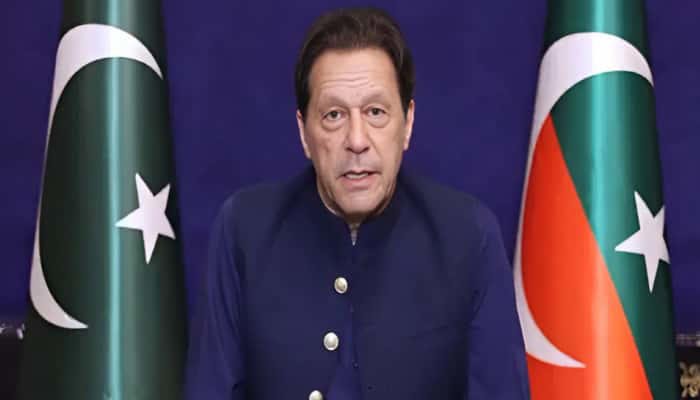
Imran Khan, the former Prime Minister of Pakistan and leader of the Pakistan Tehreek-e-Insaf (PTI) party, faces one of the most challenging chapters of his political career. On November 30, 2024, an Anti-Terrorism Court (ATC) in Lahore found him guilty of orchestrating and inciting violence during the protests that erupted on May 9, 2023. The court’s ruling, delivered by Judge Manzar Ali Gill, also revoked Khan’s bail in eight related cases, marking a significant escalation in his legal troubles.

The conviction, based on substantial evidence presented by the prosecution, has deepened the political crisis in Pakistan. Khan’s supporters decry the decision as politically motivated, while his detractors argue that it reflects accountability for actions that threatened the country’s stability.


The May 9 Protests: A Turning Point

The violent protests of May 9, 2023, were triggered by Khan’s arrest on corruption charges. These demonstrations quickly escalated into violent attacks on state institutions, including military installations and government buildings. The protests, unprecedented in their intensity, left a lasting impact on Pakistan’s political landscape and law enforcement priorities.

The ATC’s ruling asserts that these acts of violence were not spontaneous but the result of a calculated conspiracy led by Khan and his close associates. Judge Gill noted that the prosecution presented irrefutable evidence linking Khan to the incitement and orchestration of these events.


Key Evidence Presented Against Khan

Audio Recordings

A cornerstone of the prosecution’s case was a series of leaked audio recordings that allegedly captured Khan’s discussions with PTI leaders. These recordings revealed conversations about leveraging public sentiment and orchestrating protests in anticipation of his arrest.

In one recording, Khan purportedly strategized on how to portray his legal challenges as part of a larger political conspiracy, stating, “We need to play on this narrative.” Another recording allegedly captured PTI leaders discussing plans to mobilize supporters for demonstrations targeting military and government institutions.

Witness Testimonies

The prosecution also relied on testimonies from witnesses, including undercover police officers, who claimed to have overheard discussions at Khan’s Zaman Park residence. These testimonies described meetings where plans for violence were allegedly finalized, with instructions to attack key state symbols if Khan were detained.

Visual Evidence

While not elaborated in detail, the prosecution indicated that visual recordings complemented the audio evidence. These visuals reportedly documented the coordination and execution of violent acts during the May 9 protests.

Defense Arguments and Dismissal

Khan’s legal team argued that the charges were baseless and politically motivated, emphasizing that Khan was in custody during the violence and could not have directed events on the ground. However, the court rejected these claims, citing evidence that the conspiracy was premeditated and that directives were issued before his arrest.

The defense also raised concerns about the admissibility of the audio recordings, suggesting they could have been manipulated. The court, however, ruled that the recordings were authentic and corroborated by other evidence.

Political Context and Repercussions

Khan’s Other Legal Troubles

This conviction is the latest in a series of legal challenges for Khan, who is also facing charges in the Toshakhana case. In this case, Khan is accused of misappropriating state gifts during his tenure as prime minister. These mounting legal battles have compounded his political woes, limiting his ability to mobilize his party effectively.

Claims of Political Persecution

Khan’s supporters have dismissed the court’s verdict as a tactic to undermine his political influence. They argue that the judiciary is being used as a tool to suppress dissent and silence the most prominent opposition leader in Pakistan.

PTI spokesperson Shireen Mazari stated, “This is not about justice; it’s about removing Imran Khan from the political equation. The establishment is afraid of his popularity and is using the courts to achieve their goals.”

Impact on PTI

The PTI, once a formidable political force, has faced significant setbacks since the May 9 protests. Many of its senior leaders have either been arrested or distanced themselves from the party amid mounting pressure. This erosion of leadership, coupled with Khan’s legal troubles, has left the party struggling to regain its footing.

Broader Implications for Pakistan

Judiciary and Accountability

The ruling has sparked debates about the independence of Pakistan’s judiciary. Critics argue that the courts are increasingly influenced by political agendas, undermining their role as impartial arbiters. Supporters of the verdict, however, see it as a necessary step toward ensuring accountability for actions that threaten national security.

Civil-Military Relations

The May 9 protests marked a turning point in civil-military relations in Pakistan. The attacks on military installations were unprecedented and deeply symbolic, challenging the institution’s long-standing dominance in the country’s political framework. Khan’s conviction is likely to further strain these relations, as his supporters view the military as complicit in his political downfall.

Public Sentiment

Khan’s conviction has polarized public opinion. While his critics view the verdict as justice served, his supporters see it as an attack on democracy and a warning to other political dissenters. The situation remains volatile, with potential for further unrest as Khan’s legal battles continue.

Cipher Controversy: Another Cloud Over Khan

Adding to Khan’s legal troubles is the ongoing investigation into the cipher controversy. Leaked audio recordings purportedly show Khan discussing a diplomatic cable with his former principal secretary, Azam Khan. The recordings suggest that Khan planned to manipulate the cipher to allege a foreign conspiracy against his government.

The government has labeled this act as a violation of national security, while Khan maintains that he was exposing external interference in Pakistan’s politics. The case has further complicated Khan’s legal and political standing, as it raises questions about his handling of sensitive state matters.

What Lies Ahead?

Khan’s conviction and the revocation of his bail in eight cases represent a critical juncture in his career. With multiple legal battles still ahead, his ability to lead PTI and mount an effective opposition campaign is in jeopardy.

For Pakistan, the case underscores deeper political and institutional challenges. The intersection of judicial processes, political rivalry, and civil-military dynamics continues to shape the country’s volatile political landscape.

While the court’s ruling is a setback for Khan, it is unlikely to end his political journey. Known for his resilience, Khan may seek to rally his supporters around the narrative of victimhood and political persecution. The coming months will be crucial in determining not only Khan’s future but also the broader trajectory of democracy and accountability in Pakistan.

Imran Khan’s conviction is a landmark moment in Pakistan’s political and legal history. It highlights the tensions between accountability and political maneuvering, raising critical questions about the country’s democratic and judicial institutions. As Khan continues to navigate these turbulent waters, his supporters and detractors alike will watch closely, knowing that his fate could have far-reaching implications for Pakistan’s political future.

Trudeau and Trump Discuss Tariff Threats and Border Security in High-Stakes Dinner Meeting

0

Canadian Prime Minister Justin Trudeau and U.S. President-elect Donald Trump held a critical three-hour dinner meeting on November 29, 2024, at Trump’s Mar-a-Lago estate in Florida. This high-profile engagement came amid heightened tensions following Trump’s announcement of a proposed 25% tariff on imports from Canada and Mexico, a move he justified as necessary to curb drug trafficking and illegal immigration. The dinner marked Trudeau’s proactive response to address these challenges head-on, emphasizing the importance of the Canada-U.S. trade relationship.

A Critical Moment for North American Trade

The proposed tariffs are part of Trump’s broader economic strategy, which he unveiled as one of his primary post-election commitments. He argued that the tariffs would protect American industries, reduce drug trafficking, and secure borders. However, Trudeau arrived in Florida prepared to counter these claims with data and diplomacy, underscoring the risks of such measures for both nations.

“Imposing tariffs of this magnitude would not just harm Canadians; it would also raise prices for American families and disrupt industries on both sides of the border,” Trudeau said. The Prime Minister highlighted the intertwined nature of the two economies, stressing that punitive trade actions would have cascading effects on supply chains, employment, and consumer prices.

Trade Relations and Tariff Threats

Trade relations dominated the evening’s agenda, with Trudeau warning that the proposed tariffs would jeopardize the United States-Mexico-Canada Agreement (USMCA), the trilateral trade deal renegotiated during Trump’s previous term. Trudeau characterized the agreement as a “win-win” for all three nations and urged Trump to reconsider actions that could destabilize this hard-won accord.

Trudeau argued that tariffs on Canadian imports would not only undermine trust but also exacerbate economic challenges in the U.S. He pointed out that essential goods such as groceries and household items would see significant price increases. “Our economies are deeply connected,” he noted, adding, “Actions like these don’t just hurt one country; they hurt us all.”

Border Security and Drug Trafficking

Trump has linked his tariff threats to broader concerns about border security, particularly drug trafficking. The fentanyl crisis in the U.S. has become a focal point of his policy agenda, with Trump citing Canada as a potential transit point for illegal substances.

Trudeau acknowledged the seriousness of the crisis and proposed increased bilateral cooperation to address the issue. He suggested joint initiatives, including intelligence sharing and strengthened enforcement mechanisms at ports of entry, as more effective solutions than economic penalties.

Defense and International Relations

The two leaders also discussed broader geopolitical concerns, including the situation in Ukraine, relations with China, and NATO commitments. Trudeau emphasized the need for a united North American stance on global issues, particularly in the face of increasing challenges from authoritarian regimes.

Economic Implications of Proposed Tariffs

Impact on Consumers

If enacted, Trump’s proposed tariffs could have severe consequences for American consumers. Experts predict that prices for various goods—including groceries, electronics, and footwear—could rise significantly. For example:

  • Electronics: A 25% tariff could lead to price hikes of up to 45% for laptops and tablets, with smartphones potentially costing $200 more per device.
  • Groceries: Canadian agricultural exports, including dairy and produce, could see price surges, affecting food affordability in the U.S.
  • Household Goods: Retailers like Ikea have already warned that tariffs would make it challenging to keep prices low, forcing higher costs onto consumers.

The Consumer Technology Association estimates that the tariffs could reduce American consumers’ spending power by approximately $90 billion annually. Inflationary pressures, driven by these tariffs, are projected to increase by at least one percentage point, compounding financial strain on households.

Impact on U.S. Industries

American industries reliant on Canadian imports would also feel the pinch. The automotive and construction sectors, for instance, heavily depend on Canadian steel and aluminum. Any disruptions to this supply chain could lead to job losses and project delays in the U.S.

Moreover, Canada is a critical export market for many U.S. states. Retaliatory measures from Canada, should tariffs be imposed, could further strain these industries, making the situation a lose-lose scenario.

Political Dynamics

Trudeau as the First G7 Leader to Meet Trump Post-Election

Trudeau’s decision to meet Trump shortly after his election victory underscores the importance Canada places on maintaining strong bilateral relations. The timing of this meeting, before Trump’s inauguration, signals an attempt to shape the administration’s approach to Canada-U.S. relations early on.

The conversation was described as productive by both leaders, with Trudeau emphasizing the importance of dialogue and collaboration. However, the meeting also reflects the delicate balance Trudeau must navigate—defending Canadian interests while maintaining a constructive relationship with a president known for his unpredictable policy moves.

Reactions from Officials

Trudeau’s visit follows a wave of concern among Canadian and Mexican officials regarding Trump’s tariff threats. Mexican President Claudia Sheinbaum expressed optimism that diplomatic engagement could avert a trade war, echoing Trudeau’s calls for constructive dialogue.

Domestically, Canadian business leaders and provincial premiers have backed Trudeau’s efforts, emphasizing the need to protect Canada’s economic interests while advocating for mutual benefit.

Future Cooperation and Challenges Ahead

Trudeau has committed to a “Team Canada” approach to address these challenges, engaging with U.S. officials, business leaders, and stakeholders to find common ground. He plans to continue advocating for cooperative solutions that strengthen North American trade without resorting to punitive measures.

Despite the positive tone of their meeting, uncertainty lingers. The stakes are particularly high for Canada, as over 75% of its exports are destined for the U.S. Trudeau’s ability to navigate these tensions effectively will be pivotal in safeguarding Canada’s economic stability.

Looking Ahead to the G7 Summit

The upcoming G7 Summit in Canada presents another opportunity for Trudeau to advocate for free trade and multilateral cooperation. Both leaders briefly discussed preparations for the summit, which is expected to focus on global economic recovery, climate change, and security challenges.

The dinner meeting between Trudeau and Trump represents a critical juncture in Canada-U.S. relations. While both leaders expressed optimism about addressing mutual concerns, the road ahead remains fraught with challenges. The proposed tariffs threaten to disrupt the economic balance of North America, making diplomatic engagement more important than ever.

Trudeau’s efforts to emphasize the interconnectedness of the two economies and propose cooperative solutions reflect his commitment to finding common ground. However, whether these discussions will translate into policy changes remains uncertain, leaving businesses and consumers on both sides of the border watching closely for what comes next.

Navjot Kaur Sidhu Faces ₹850 Crore Legal Notice Over Cancer Recovery Claims: Controversy Erupts Over Alternative Treatment Advocacy

0

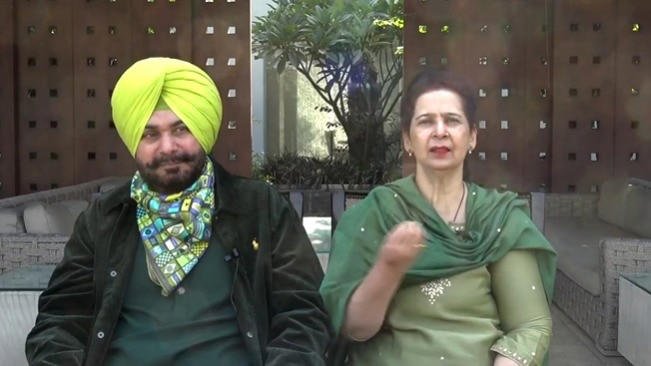
Navjot Kaur Sidhu, a former MLA and wife of ex-cricketer-turned-politician Navjot Singh Sidhu, has been issued a staggering ₹850 crore legal notice by the Chhattisgarh Civil Society (CCS). This legal action follows claims made by her husband regarding her recovery from stage 4 cancer. The controversy arises from assertions that a strict diet inspired by Ayurveda and lifestyle changes, such as intermittent fasting, played a pivotal role in her recovery. According to Sidhu, these practices were instrumental in saving Kaur’s life, despite doctors purportedly giving her only 40 days to live.

The Claims

Navjot Singh Sidhu attributed his wife’s recovery to a regimen that reportedly included:

  1. Dietary Adjustments: A strict diet devoid of refined carbohydrates, sugar, dairy, and packaged foods, instead focusing on lentils, quinoa, fruits like berries and pomegranates, and nuts such as walnuts and Brazil nuts.
  2. Morning Rituals: Starting the day with warm lemon water, apple cider vinegar, raw garlic, raw turmeric, and neem leaves.
  3. Intermittent Fasting: Observing a fasting window of 12 to 17 hours after dinner.
  4. Anti-inflammatory Ingredients: Incorporating turmeric, holy basil (tulsi), and other herbal remedies.
  5. Alkaline Water: Drinking water with a pH level of 7.

Sidhu emphasized that these measures were undertaken in consultation with doctors and were part of a broader treatment plan that also included surgeries and chemotherapy. However, his focus on these alternative methods has sparked widespread criticism.

The Legal Notice

The CCS has demanded that Navjot Kaur Sidhu provide evidence to substantiate these claims within seven days, failing which they have threatened legal repercussions. Their notice outlines concerns over the potential harm that such statements could cause:

  1. Public Misleading: The CCS alleges that Sidhu’s statements could mislead cancer patients into abandoning proven medical treatments in favor of unverified dietary regimens.
  2. Impact on Allopathic Medicine: The society argues that these claims undermine public confidence in allopathic treatments, which are supported by rigorous clinical research.
  3. Potential Public Health Risks: The promotion of unproven remedies could endanger lives by discouraging timely and evidence-based medical interventions.

The ₹850 crore compensation demand is intended to account for the potential damages caused by such misinformation. Additionally, the CCS has urged Kaur to publicly clarify her stance on her husband’s claims.

Medical Community’s Response

Medical professionals and oncologists have strongly criticized Sidhu’s assertions, warning against the dangers of promoting unverified treatments. Experts from premier institutions such as AIIMS and Tata Memorial Hospital have stated:

  • Diet as a Support, Not a Cure: While dietary and lifestyle changes can complement cancer treatment, they cannot replace established therapies like chemotherapy, surgery, or radiation.
  • Lack of Scientific Evidence: The claims lack backing from peer-reviewed research and clinical trials.
  • Risk of Misinformation: Highlighting anecdotal success stories without scientific validation can lead to poor treatment decisions among patients.

Dr. Sunil Rao, an oncologist at Tata Memorial Hospital, remarked, “Cancer is a complex disease that requires a multidisciplinary approach. While good nutrition can help during treatment, it is not a substitute for medical interventions.”

Potential Legal Ramifications

If Navjot Kaur fails to provide the requested evidence, the CCS is prepared to escalate the matter. The consequences could include:

  • Financial Penalties: The ₹850 crore demand is a significant claim, highlighting the perceived gravity of the issue.
  • Public Accountability: The CCS may push for Kaur to publicly retract or clarify her position to mitigate the misinformation’s impact.
  • Legal Actions: The society could initiate defamation lawsuits or pursue action under laws related to public health and safety.

Legal experts suggest that if the matter proceeds to court, it could set a precedent for holding public figures accountable for making unverified health claims.

Broader Implications

The controversy raises important questions about the role of public figures in shaping health narratives, particularly regarding alternative medicine.

Impact on Public Perception

  1. Skepticism Toward Alternative Remedies: The legal notice may prompt heightened scrutiny of alternative cancer treatments, discouraging patients from pursuing unverified options.
  2. Erosion of Trust: Public trust in proponents of alternative medicine may decline, especially when claims are not supported by evidence.

Reinforcement of Evidence-Based Medicine

The case underscores the importance of evidence-based approaches in healthcare. Medical experts hope it will encourage patients to rely on scientifically validated treatments rather than anecdotal claims.

Media and Narrative Shaping

Extensive media coverage has brought the debate into the spotlight. Critics argue that sensationalizing anecdotal recovery stories without context could mislead vulnerable individuals, particularly those battling life-threatening illnesses.

Public Health Concerns

The CCS’s notice highlights a critical public health issue: the dissemination of unverified health information. In a country like India, where access to accurate medical advice can be challenging for many, such claims carry the risk of significant harm.

Dr. Meenakshi Sharma, a public health expert, commented, “Misinformation about cancer treatments can delay timely medical care and lead to irreversible consequences. We must prioritize science over anecdotes.”

Navjot Kaur Sidhu’s Next Steps

As the deadline set by the CCS approaches, all eyes are on Navjot Kaur Sidhu. Her response could determine the legal and public fallout from this controversy. Key questions remain:

  • Will she provide evidence supporting her husband’s claims?
  • Will she issue a public clarification to address the CCS’s concerns?

Failure to address these demands could result in legal battles, financial liabilities, and reputational damage.

The legal notice against Navjot Kaur Sidhu serves as a stark reminder of the responsibilities that public figures bear when making health-related claims. While stories of recovery and resilience can inspire hope, they must be shared responsibly, with due regard for scientific evidence and public safety.

This incident has sparked a broader conversation about the intersection of medicine, alternative therapies, and the role of public discourse in shaping healthcare decisions. As the debate unfolds, the case may set a significant precedent for accountability in health advocacy.

Sunita Williams: An Overview of Her Journey, Health Challenges, and Daily Life on the International Space Station (ISS)

0

Sunita Williams, an Indian-American astronaut with NASA, is currently aboard the International Space Station (ISS) alongside her colleague Barry “Butch” Wilmore. This mission, which began in June 2024, has faced unexpected extensions due to technical issues with their original spacecraft, Boeing’s Starliner. As their return is now scheduled for February 2025, public attention has turned toward the physical and mental toll of long-duration spaceflight. Williams’ recent public appearances have raised questions about astronaut health in microgravity environments and how such challenges are addressed.

Addressing Health Concerns

Recent images of Sunita Williams have sparked concern due to her seemingly gaunt appearance and reports of noticeable weight loss. These concerns are not unusual for astronauts during extended missions. Williams has been proactive in addressing these speculations, attributing her physical changes to the unique effects of microgravity rather than any significant health issues.

Fluid Shifts in Microgravity

In the microgravity environment of the ISS, bodily fluids redistribute from the lower to the upper body, a phenomenon known as fluid shifting. This results in astronauts appearing puffier in the face and leaner in the lower body. Williams explained, “I’m the same weight that I was when I got up here.” She emphasized that these changes are cosmetic rather than indicative of a health crisis. NASA scientists continuously monitor fluid shifts as they can have implications for vision, cardiovascular health, and intracranial pressure.

Rigorous Exercise Routine

Maintaining muscle mass and bone density is critical for astronauts in space. Without the gravitational forces of Earth, the human body begins to decondition rapidly. To counteract this, Williams adheres to a strict two-hour daily exercise regimen, including weightlifting and cardiovascular workouts.

The equipment onboard the ISS is designed specifically for microgravity conditions:

  • Advanced Resistive Exercise Device (ARED): Simulates weightlifting, allowing astronauts to maintain muscle strength.
  • Treadmill and Stationary Bike: Used for cardiovascular endurance, vital for heart health and overall fitness.

Nutrition and Diet

Nutrition is a cornerstone of astronaut health. On the ISS, Williams relies on a carefully balanced diet designed to meet the caloric and nutritional needs of astronauts.

Diet Composition

  • Packaged and Freeze-Dried Foods: Staples include freeze-dried casseroles, soups, and protein-rich items such as tuna, shrimp cocktail, and chicken.
  • Limited Fresh Produce: Fresh fruits and vegetables are delivered during resupply missions but deplete quickly. After several months, astronauts rely entirely on prepackaged meals.
  • Hydration: The ISS features an advanced water recycling system that converts sweat and urine into drinkable water. This system is essential for rehydrating freeze-dried foods and maintaining hydration levels.

Williams has joked about her diet, saying, “My thighs are actually a little bigger because of all the squats I’ve been doing.”

Caloric Intake

Astronauts require between 2,500 and 3,800 calories daily to sustain energy levels during exercise and other activities. Meals are carefully calibrated:

  • 50% Carbohydrates
  • 17% Protein
  • 31% Fat

Thanksgiving in Space

Despite being far from Earth, Williams and her team recently celebrated Thanksgiving aboard the ISS. Their meal included smoked turkey and other traditional dishes, adapted for space consumption. In a video message, Williams reassured viewers about their well-being: “We’re feeling good, working out, eating right… Really, don’t worry about us.”

Celebrations like Thanksgiving play a crucial role in maintaining morale during extended missions, underscoring the importance of psychological well-being alongside physical health.

Extended missions on the ISS present unique health challenges that NASA actively monitors and addresses.

Common Health Issues

  1. Bone Density Loss: Astronauts lose about 1%–1.5% of bone density per month in microgravity, increasing the risk of fractures upon return to Earth.
  2. Muscle Atrophy: Lack of gravity leads to significant muscle loss, especially in the lower body. Regular resistance training is critical to mitigating this effect.
  3. Vision Problems: Fluid shifts can lead to increased intracranial pressure, potentially causing vision issues—a condition known as Spaceflight-Associated Neuro-Ocular Syndrome (SANS).
  4. Radiation Exposure: Astronauts are exposed to higher levels of cosmic radiation, which increases long-term cancer risks despite protective shielding.
  5. Immune System Changes: Space radiation and stress can weaken the immune system, reactivating dormant viruses and increasing susceptibility to infections.
  6. Psychological Challenges: Isolation and confinement can lead to anxiety, stress, and depression, making mental health support essential.
  7. Sleep Disruptions: Altered day-night cycles on the ISS can affect circadian rhythms, leading to sleep difficulties.

NASA’s Health Monitoring Protocols

To address these risks, NASA employs advanced monitoring systems and preventive measures to ensure astronaut health during missions.

  1. Regular Health Assessments:
    • Routine medical evaluations include blood tests, ultrasounds, and fitness assessments.
    • Astronauts also collect their own blood, urine, and saliva samples for analysis.
  2. Personalized Care:
    • Each astronaut is assigned a flight surgeon who monitors their health and provides private medical consultations.
  3. Emergency Preparedness:
    • Astronauts are trained in basic medical procedures and equipped with emergency kits to handle potential health crises aboard the ISS.
  4. Technological Innovations:
    • NASA is testing devices like the rHEALTH One flow cytometer, which analyzes biological samples to detect changes in bone density, immune function, and radiation exposure.

Future Implications for Space Travel

The challenges faced by Sunita Williams and her crewmates highlight the complexities of long-term space travel. These experiences are invaluable for planning future missions to Mars and beyond, where astronauts may face even greater health risks due to longer durations and harsher environments.

  1. Countermeasures: Rigorous exercise and balanced nutrition are essential to counteract microgravity’s effects.
  2. Monitoring Systems: Continuous health monitoring and technological innovations are critical for identifying and addressing health issues early.
  3. Psychological Well-being: Maintaining social connections and celebrating milestones helps mitigate the mental strain of isolation.

Sunita Williams’ ongoing mission aboard the ISS underscores the resilience and adaptability required for extended spaceflight. While concerns about her health reflect the inherent risks of living in space, her reassurances, combined with NASA’s robust support systems, demonstrate how these challenges are managed effectively.

As space exploration advances, lessons learned from Williams and her colleagues will pave the way for safer and more sustainable missions, ensuring that astronauts remain healthy and productive as humanity ventures further into the cosmos.

Supreme Court Slams GRAP Stage IV Implementation as “Abject Failure” Amid Delhi’s Air Pollution Crisis

0

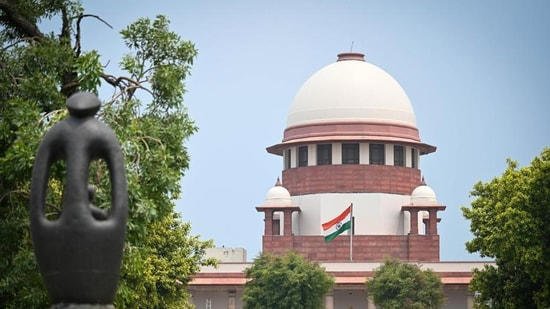
The Supreme Court of India recently issued a harsh critique of the implementation of the Graded Response Action Plan (GRAP) Stage IV, calling it an “abject failure” in addressing the severe air pollution in Delhi and the National Capital Region (NCR). In a hearing on November 28, 2024, Justices Abhay S. Oka and Augustine George Masih highlighted significant lapses in enforcing essential pollution control measures. The court’s ruling underscores the urgent need for accountability and swift action to combat air pollution in one of the world’s most polluted urban regions.

Extension of GRAP Measures
The court ordered that all GRAP Stage IV measures continue, excluding those affecting schools, until December 2, 2024. These measures include:

  • Ban on Construction Activities: A complete halt on non-essential construction and demolition to control dust pollution.
  • Restrictions on Vehicles: A ban on non-essential vehicles entering Delhi, except trucks carrying essential goods.

Criticism of Authorities

The bench expressed frustration with the lack of compliance and enforcement, pointing out the following issues:

  • Ongoing construction in prominent areas despite bans.
  • Insufficient surveillance at Delhi’s borders allowed trucks to bypass restrictions.
  • Lax vehicle checks and weak penalties for violators were major concerns.

Accountability for Failures

The court called the show cause notices under the Commission for Air Quality Management Act insufficient and demanded immediate action. This includes prosecuting errant officials responsible for the failure to enforce GRAP effectively. Additionally, the court flagged reports from Punjab, where officials allegedly advised farmers to burn stubble after 4 PM to evade satellite detection. The court has ordered the Punjab government to stop such practices.

Impact of GRAP Stage IV on Daily Life

  • Transportation Disruptions: The truck entry ban has led to long queues at Delhi’s borders, disrupting essential supply chains. Public transportation, especially buses and metro services, has become overcrowded as people shift from private vehicles.
  • Education Adjustments: Most schools have shifted to online classes, affecting students’ learning experiences. Only Classes 10 and 12 are holding physical classes, which has raised concerns about educational disparities.
  • Workplace Changes: With offices operating at half capacity, many employees are working remotely, affecting business operations and productivity.
  • Construction and Development Delays: The halt on construction has caused delays in key infrastructure projects, such as highways and hospitals.
  • Health and Lifestyle: Vulnerable populations, including children, the elderly, and those with respiratory conditions, face heightened health risks due to poor air quality. Smog and fog have also reduced visibility, complicating travel.

Systemic Failures in GRAP Enforcement

A report by court commissioners revealed multiple violations of GRAP Stage IV:

  • Illegal Construction: Construction continued at residences of senior officials, defying bans.
  • Industrial Emissions: Factories in Greater Noida were found emitting smoke, breaching GRAP regulations.
  • Waste Burning: Open waste burning occurred, directly violating pollution control rules.
  • Inadequate Dust Control: Limited deployment of water sprinklers failed to adequately address dust pollution.

The Supreme Court described these lapses as systemic failures, demanding corrective action.

Recommendations for Improvement

Court commissioners proposed the following measures to improve enforcement:

  • Accountability: Initiate contempt proceedings against officials violating GRAP rules.
  • Enhanced surveillance: Use CCTV cameras at key checkpoints to monitor compliance.
  • Increased Resources: Deploy more water sprinklers and other dust control resources.
  • Improved Vehicle Monitoring: Strengthen coordination between traffic personnel to enforce vehicle restrictions.

Transitioning from GRAP IV

The court urged the Commission for Air Quality Management (CAQM) to assess whether GRAP Stage IV could be downgraded to Stage III or II based on real-time air quality assessments. A meeting was ordered to review the current measures and propose a hybrid approach combining elements of Stage IV and Stage III. A detailed report is due by December 2, 2024.

Action Against Errant Officials

The court emphasized that show-cause notices alone were not enough and directed authorities to pursue prosecutions against responsible officials. The Delhi Police Commissioner and the MCD Commissioner were issued notices for non-compliance.

Addressing Stubble Burning and the “Satellite Scam”

The court flagged reports of stubble burning being manipulated to evade detection, with Punjab officials allegedly advising farmers to burn stubble after 4 PM. The Punjab government was ordered to take immediate action to stop these practices.

The Supreme Court’s strong rebuke of GRAP Stage IV emphasizes the urgency of addressing Delhi’s air pollution crisis. The ruling highlights the need for effective enforcement, accountability, and long-term solutions to combat pollution. With strict measures disrupting daily life, authorities must balance immediate interventions with sustainable strategies to improve air quality in one of the world’s most polluted cities.

The next few days, leading up to the December 2 review, will be crucial in determining whether Delhi-NCR can adopt more effective pollution control measures, ensuring accountability and safeguarding public health.

Jharkhand Government to Pursue Legal Action to Recover Rs 1.36 Lakh Crore in Coal Dues from Centre

0

The Jharkhand government, led by Chief Minister Hemant Soren, has decided to take legal action to recover approximately Rs 1.36 lakh crore in unpaid coal dues owed by the central government. This decision was made following Soren’s re-election and oath-taking ceremony, marking his administration’s firm resolve to tackle the state’s financial challenges. Soren has stressed that these dues are a rightful entitlement of Jharkhand, and their non-clearance has severely impacted the state’s ability to advance socio-economic projects.

In recent statements, Soren reiterated that his government had repeatedly requested the central government to settle these dues, which are crucial for Jharkhand’s growth and development. He highlighted the dire consequences of further delays, describing the situation as causing “irreparable harm” to the state’s progress.

The legal action follows a favorable Supreme Court ruling that confirmed Jharkhand’s right to claim mining and royalty dues. This ruling strengthens the state’s case, particularly against central public sector undertakings such as Coal India, which is responsible for a significant portion of the dues. According to Soren, the state’s legal action will now be backed by this judicial affirmation.

Plans for Legal Action

Soren has made it clear that the state will formally initiate legal proceedings against the central government to recover the outstanding coal dues. This decision comes after a Supreme Court ruling that affirmed Jharkhand’s legal right to collect these dues, which the state has been unable to access for years. The focus of the legal action is likely to be central public sector undertakings like Coal India, which is responsible for the largest portion of these outstanding payments.

The decision to pursue legal action was made during Soren’s first cabinet meeting after his re-election, underscoring the priority this issue holds for his administration. The Jharkhand government is now determined to push forward with legal avenues to recover the funds that have been owed for an extended period.

Impact of Supreme Court Ruling on the Dispute

The Supreme Court’s ruling regarding retrospective taxes on mining royalties has far-reaching implications for the dispute over coal dues. In a landmark decision in July 2024, the Supreme Court ruled that states have the right to collect unpaid royalties on mining dating back to 2005. This decision has provided Jharkhand with a solid legal foundation to assert its claims for the recovery of the outstanding dues from the central government.

For Coal India and its subsidiaries, this ruling is expected to have a significant financial impact. The company anticipates a burden of over Rs 6,000 crore in liabilities, including payments owed to subsidiaries like Mahanadi Coalfields and Central Coalfields. The Supreme Court has mandated that these payments be made over a 12-year period, starting in 2026, which should help the companies manage the financial strain over time.

The ruling could also impact other mining companies across India, as the retrospective tax imposition may increase operational costs, leading to potential price hikes for coal. This could have a knock-on effect on the power generation sector, as companies in this industry might pass on the added costs to consumers through higher electricity tariffs.

Evolving Relationship Between Jharkhand and the Centre

The relationship between Jharkhand and the central government has evolved significantly over the years, shaped by a range of issues, from tribal rights and resource management to political disputes. Since its formation in 2000, Jharkhand has struggled to secure its rightful share of mineral revenues, particularly coal royalties, which the state claims have been unfairly withheld.

Chief Minister Hemant Soren has been vocal in his criticism of the central government’s handling of Jharkhand’s financial claims, especially regarding the unpaid coal dues. These dues, Soren argues, are vital for the state’s development and have hindered projects aimed at improving infrastructure, education, and healthcare.

The tensions between the state and the Centre are not limited to financial disputes. There have been political differences as well, with Jharkhand’s leadership advocating for greater political autonomy and local governance. The Jharkhand Mukti Morcha (JMM), under Soren’s leadership, has built alliances with regional parties, positioning itself in opposition to the national parties, particularly the Bharatiya Janata Party (BJP). These alliances have strengthened the state’s position on local issues, including resource management and tribal rights.

Socio-Economic Impact of Unpaid Dues

The non-clearance of the coal dues has had a direct and negative impact on several socio-economic projects in Jharkhand. Chief Minister Soren has highlighted the toll that the outstanding dues have taken on critical developmental programs, including those in education, healthcare, and infrastructure.

  • Education: The lack of funds has caused delays in the implementation of educational programs aimed at improving literacy and skill development among Jharkhand’s youth.
  • Healthcare: The health sector, particularly in rural areas, has been severely impacted by the absence of necessary funding. The state has struggled to provide adequate healthcare services, which are crucial for the well-being of its population.
  • Women and Child Welfare: Several programs designed to support women and children have been stalled, affecting their development and welfare in a state that has one of the highest rates of poverty and malnutrition in India.
  • Clean Drinking Water: One of the most pressing concerns is the lack of progress in providing clean drinking water to the population, which affects public health and sanitation.
  • Infrastructure: Vital infrastructure projects, such as road construction and public transport development, have been delayed due to the lack of funds, which has a ripple effect on economic activities and connectivity within the state.

These delays in funding have worsened Jharkhand’s socio-economic conditions, preventing the state from fulfilling its developmental goals. Soren’s decision to pursue legal action is aimed at securing the resources necessary to tackle these challenges and improve the quality of life for Jharkhand’s residents.

The decision by the Jharkhand government to pursue legal action over the Rs 1.36 lakh crore in coal dues reflects a turning point in the state’s relationship with the central government. With the Supreme Court ruling strengthening Jharkhand’s position, the state is now prepared to take decisive action to recover its rightful share of the coal royalties. The financial resources recovered through this legal battle will be crucial in addressing the state’s urgent developmental needs.

However, the road ahead is fraught with challenges, as the legal and political dynamics continue to evolve. The outcome of this dispute will not only shape Jharkhand’s financial future but also influence the broader relationship between state governments and the Centre. As Jharkhand navigates these complexities, the pursuit of justice for the state’s rightful dues could set a precedent for other states facing similar financial challenges.

The state’s leadership, under Hemant Soren, remains resolute in its pursuit of greater financial autonomy and development, and this legal battle may prove to be a defining moment in Jharkhand’s journey toward achieving long-term socio-economic progress.

भारत में शरण और प्रवास का मुद्दा: नागरिकों का पलायन और सरकार की प्रतिक्रिया

0

भारत, जिसे दुनिया का सबसे बड़ा लोकतंत्र होने का गौरव प्राप्त है, लंबे समय से शरणार्थियों और प्रवासियों का गंतव्य रहा है। यह विविधता और सहिष्णुता के लिए जाना जाता है। दशकों से, भारत ने विभिन्न देशों से आने वाले लाखों शरणार्थियों को अपने देश में शरण दी है। तिब्बत, श्रीलंका, अफगानिस्तान, और बांग्लादेश जैसे देशों से आने वाले शरणार्थियों के लिए यह देश एक सुरक्षित ठिकाना साबित हुआ है। लेकिन हाल के वर्षों में एक नई प्रवृत्ति सामने आई है, जिसमें भारतीय नागरिक खुद विदेशों में शरण लेने का प्रयास कर रहे हैं।

यह प्रवृत्ति भारत सरकार के लिए चिंता का विषय बन गई है। विदेश मामलों के राज्य मंत्री ने हाल ही में राज्यसभा में इस मुद्दे पर सरकार की चिंता व्यक्त की। उन्होंने बताया कि कुछ भारतीय नागरिक, जो विदेशों में शरण लेने का प्रयास कर रहे हैं, भारत की लोकतांत्रिक व्यवस्था और कानून-व्यवस्था की आलोचना को अपनी शरण पाने की प्रक्रिया का हिस्सा बना रहे हैं। उनका मानना है कि भारत जैसे लोकतांत्रिक देश में, जहां नागरिकों के अधिकार संरक्षित हैं और शिकायतों के समाधान के लिए कानूनी तंत्र मौजूद है, ऐसे कदम अनावश्यक हैं।

हालांकि, यह समस्या केवल भारतीय नागरिकों की आलोचना या उनकी नीतियों तक सीमित नहीं है। इसके पीछे कई गहरे और बहुआयामी कारण हैं, जिनमें सामाजिक, राजनीतिक, और आर्थिक कारक शामिल हैं। इन कारणों को समझना इस जटिल समस्या का समाधान निकालने के लिए आवश्यक है।

भारतीय नागरिक क्यों मांग रहे हैं शरण?

पिछले कुछ वर्षों में, संयुक्त राज्य अमेरिका, कनाडा, और यूरोपीय देशों जैसे पश्चिमी देशों में भारतीय नागरिकों द्वारा शरण के लिए आवेदन करने की संख्या में उल्लेखनीय वृद्धि हुई है। इन नागरिकों का दावा है कि वे अपने देश में उत्पीड़न, भेदभाव, और हिंसा का सामना कर रहे हैं। यह प्रवृत्ति विभिन्न कारकों से प्रेरित है:

1. धार्मिक और सामाजिक उत्पीड़न

धार्मिक और जातीय अल्पसंख्यकों का शोषण भारतीय नागरिकों के विदेश में शरण लेने के सबसे आम कारणों में से एक है। भारत की जनसंख्या में विविधता होने के बावजूद, सामाजिक असमानता और भेदभाव की घटनाएँ व्यापक हैं।

पिछले कुछ वर्षों में, मुसलमान, ईसाई, सिख, और एलजीबीटीक्यू समुदाय जैसे अल्पसंख्यक समूहों के खिलाफ हिंसा और भेदभाव की घटनाएँ बढ़ी हैं। चरमपंथी समूहों द्वारा की गई हिंसा, घृणा अपराधों, और सामाजिक बहिष्कार के चलते इन समुदायों ने अपनी सुरक्षा को लेकर गहरी चिंता व्यक्त की है।

भारत की कानूनी प्रणाली में सुधार के बावजूद, कई बार पीड़ितों को न्याय मिलने में वर्षों लग जाते हैं। इस दौरान, उत्पीड़न झेल रहे व्यक्ति या समुदाय अपने लिए सुरक्षित स्थान की तलाश करते हैं, और ऐसे में विदेशों में शरण लेना एक व्यवहारिक विकल्प बन जाता है।

2. राजनीतिक उत्पीड़न

भारत में राजनीतिक असहमति और आलोचना का दमन एक गंभीर समस्या बन गया है। वर्तमान में सत्तारूढ़ दल की नीतियों की आलोचना करने वाले पत्रकार, लेखक, मानवाधिकार कार्यकर्ता, और राजनीतिक प्रतिद्वंद्वी अक्सर निशाना बनाए जाते हैं।

कई बार, इन आलोचकों को धमकियाँ दी जाती हैं, उनके खिलाफ झूठे मामले दर्ज किए जाते हैं, और उनकी स्वतंत्रता को बाधित किया जाता है। सरकार और प्रशासन पर इन घटनाओं में शामिल होने के आरोप लगते रहे हैं, जिससे यह धारणा बनती है कि भारत में असहमति का अधिकार तेजी से खतरे में है।

राजनीतिक असहमति के लिए उपयुक्त माहौल की कमी कई राजनीतिक कार्यकर्ताओं और सामाजिक सुधारकों को विदेशों में शरण लेने के लिए मजबूर करती है। उनके लिए, यह कदम अपने जीवन को सुरक्षित रखने और स्वतंत्र रूप से काम करने का एकमात्र तरीका बन जाता है।

3. आर्थिक अवसरों की कमी

भारत में बढ़ती बेरोजगारी, आर्थिक असमानता, और सीमित अवसरों ने भी विदेशों में शरण लेने के मामलों को बढ़ावा दिया है।

हालांकि आर्थिक कारणों से विदेश जाना शरण के लिए आवेदन करने का प्रत्यक्ष कारण नहीं हो सकता, लेकिन कई लोग बेहतर जीवन स्तर और स्थिरता की तलाश में विदेशों का रुख करते हैं। अमेरिका और यूरोप में मजबूत सामाजिक सुरक्षा, बेहतर शिक्षा प्रणाली, और रोजगार के अवसर उन लोगों के लिए आकर्षण का केंद्र बनते हैं, जो भारत में इन सुविधाओं की कमी महसूस करते हैं।

4. स्मगलिंग नेटवर्क का योगदान

भारत से शरणार्थी बनने वालों के लिए एक और महत्वपूर्ण पहलू अवैध स्मगलिंग नेटवर्क का होना है। ये नेटवर्क भारतीय नागरिकों को अमेरिका, कनाडा, या यूरोप तक पहुँचाने में मदद करते हैं।

ऐसे मामलों में, लोग अक्सर भारी शुल्क देकर इन नेटवर्क का सहारा लेते हैं। ये नेटवर्क उन्हें विदेशों में सुरक्षित पहुँचाने का आश्वासन देते हैं, लेकिन कई बार उन्हें जोखिमपूर्ण और खतरनाक परिस्थितियों का सामना करना पड़ता है।

5. बिगड़ती सामाजिक स्थिति

भारत में कमजोर वर्गों और अल्पसंख्यकों के खिलाफ सामाजिक स्थिति बिगड़ रही है। दलित, आदिवासी, और अन्य हाशिए के समुदायों को हिंसा, भेदभाव, और शोषण का सामना करना पड़ता है।

कई घटनाएँ, जैसे सांप्रदायिक दंगे, जाति-आधारित हिंसा, और ऑनर किलिंग, यह दर्शाती हैं कि भारतीय समाज में अब भी गहरी समस्याएँ मौजूद हैं। यह बिगड़ती सामाजिक स्थिति नागरिकों को विदेशों में शरण लेने के लिए प्रेरित करती है।

भारत सरकार की नीति और शरणार्थियों पर दृष्टिकोण

भारत सरकार ने इस समस्या को गंभीरता से लिया है। लेकिन यह भी स्पष्ट है कि शरणार्थियों और प्रवासियों के मामले में भारत के पास कोई ठोस कानूनी ढाँचा नहीं है।

कानूनी ढाँचे की कमी

भारत 1951 के शरणार्थी कन्वेंशन या 1967 के प्रोटोकॉल का हस्ताक्षरकर्ता नहीं है। इसका अर्थ है कि भारत पर शरणार्थियों के अधिकारों की रक्षा करने की कोई कानूनी बाध्यता नहीं है।

शरणार्थियों को अन्य विदेशी नागरिकों के समान ही देखा जाता है, और उनके पास कोई विशेष कानूनी अधिकार नहीं होते। इस स्थिति से शरणार्थियों को सामाजिक सुरक्षा और सेवाओं तक पहुँचने में कठिनाई होती है।

विदेशी शरणार्थियों के साथ संपर्क का अभाव

सरकार का कहना है कि विदेशों में शरण लेने वाले भारतीय नागरिकों के साथ संपर्क बनाना चुनौतीपूर्ण होता है। उदाहरण के लिए, संयुक्त राज्य अमेरिका जैसे देशों के गोपनीयता कानून भारतीय सरकार को ऐसे नागरिकों की जानकारी प्राप्त करने से रोकते हैं।

स्वदेश लौटने वाले शरणार्थियों के लिए सहायता

सरकार उन नागरिकों को कुछ हद तक सहायता प्रदान करती है, जो विदेशों में शरण लेने में विफल होकर भारत लौटते हैं। लेकिन यह सहायता सीमित होती है और इसमें सुधार की आवश्यकता है।

आलोचना और छवि का सवाल

भारत सरकार का यह भी मानना है कि विदेशों में शरण पाने के लिए नागरिक अक्सर भारत की लोकतांत्रिक प्रणाली और कानून-व्यवस्था की आलोचना करते हैं। यह न केवल देश की छवि को नुकसान पहुँचाता है, बल्कि सरकार के लिए अंतरराष्ट्रीय मंचों पर शर्मिंदगी का कारण बनता है।

भारत को इस समस्या का समाधान कैसे करना चाहिए?

शरण लेने के मामलों में वृद्धि भारत के लिए एक चेतावनी है कि उसे अपने नागरिकों की सुरक्षा और अधिकार सुनिश्चित करने के लिए ठोस कदम उठाने होंगे। इसके लिए निम्नलिखित उपाय अपनाए जा सकते हैं:

  1. कानूनी ढाँचा तैयार करना
    भारत को शरणार्थियों और प्रवासियों के लिए एक मजबूत और समग्र कानूनी ढाँचा तैयार करना चाहिए। इससे शरणार्थियों के अधिकार सुनिश्चित किए जा सकते हैं और उनकी स्थिति को लेकर स्पष्टता बढ़ेगी।
  2. सामाजिक सुरक्षा में सुधार
    धार्मिक और जातीय अल्पसंख्यकों के लिए बेहतर सुरक्षा उपाय लागू करना जरूरी है। यह सरकार की जिम्मेदारी है कि वह सभी नागरिकों को बिना भेदभाव के समान सुरक्षा प्रदान करे।
  3. आर्थिक अवसरों का विस्तार
    बेरोजगारी को कम करने और नागरिकों को बेहतर आर्थिक अवसर प्रदान करने के लिए नई नीतियाँ लागू की जानी चाहिए।
  4. शासन व्यवस्था में पारदर्शिता
    राजनीतिक असहमति और आलोचना को कुचलने की बजाय, सरकार को लोकतांत्रिक मूल्यों को प्रोत्साहित करना चाहिए। इससे नागरिकों का विश्वास बढ़ेगा और शरण लेने की घटनाएँ कम होंगी।
  5. अंतरराष्ट्रीय सहयोग बढ़ाना
    विदेशी सरकारों के साथ मिलकर उन भारतीय नागरिकों की पहचान करना और उनकी सहायता करना महत्वपूर्ण है, जो शरण पाने में विफल होते हैं और स्वदेश लौटने की प्रक्रिया में होते हैं।

Rising Communal Tensions in Bangladesh, Arrest of Hindu Leader Sparks Protests and International Concern

0

Recent developments in Bangladesh have brought significant attention to the plight of religious minorities, particularly in the wake of political upheaval and the arrest of a prominent Hindu leader. This escalating crisis has drawn international criticism and raised questions about communal harmony and minority rights in the country.

Political Context

Since the resignation of Prime Minister Sheikh Hasina on 5 August 2024, Bangladesh has witnessed a surge in violence targeting religious minorities, notably Hindus, the largest minority group in the predominantly Muslim nation. Reports indicate that between August 5 and 8, over 200 incidents of vandalism against temples and places of worship occurred, with at least four fatalities among minority communities.

The newly installed interim government, led by Nobel laureate Muhammad Yunus, has pledged to address these attacks and safeguard the rights of all citizens. However, this commitment is being tested amid ongoing unrest and violence.

The Arrest of Chinmoy Krishna Das

The situation escalated further with the arrest of Chinmoy Krishna Das, a prominent Hindu leader associated with the International Society for Krishna Consciousness (ISKCON). He was detained on charges of sedition linked to his participation in a rally advocating for minority rights. The arrest, which took place at Dhaka airport, has been criticized as politically motivated and discriminatory.

  • Protests and Violence: Demonstrations erupted in cities such as Dhaka and Chattogram, with protesters demanding Das’s release. These protests turned violent, with police using tear gas to disperse crowds. At least one person, a lawyer, was killed, and several others were injured in the clashes.
  • Reactions from Minority Groups: Organizations like the Hindu Buddhist Christian Unity Council condemned the arrest, calling it a violation of human rights and freedom of expression. They also highlighted the broader pattern of violence and discrimination faced by minorities in Bangladesh.

Government and International Responses

The interim government has sought to downplay allegations of religious discrimination, asserting that Das’s arrest is unrelated to his faith and stems from specific legal charges. In a statement, Chief Advisor Muhammad Yunus emphasized the government’s commitment to communal harmony and criticized international reactions as “misconstrued.”

  • Bangladeshi Government: Officials have dismissed reports of widespread violence against minorities, claiming some incidents have been exaggerated. They reiterated that all citizens have the right to practice their religion freely.
  • India’s Concern: India’s Ministry of External Affairs expressed deep concern over the arrest and the broader violence against minorities in Bangladesh. India urged Bangladeshi authorities to ensure justice and the safety of minority communities, citing a troubling pattern of discrimination and attacks.

Ongoing Communal Tensions

The arrest of Chinmoy Krishna Das has become a flashpoint for broader communal tensions in Bangladesh. Minority communities have long faced issues of violence, displacement, and lack of accountability for attacks on their places of worship and property.

Activists and rights groups have called for stronger protections and immediate action to ensure justice for victims of recent violence. Meanwhile, the interim government is under pressure to demonstrate its ability to address these issues effectively amidst rising unrest.

Bangladesh’s current political and social climate highlights deep-seated challenges surrounding religious tolerance and minority rights. The arrest of Chinmoy Krishna Das and subsequent protests have underscored the urgency of addressing these issues to ensure communal harmony. While the interim government has pledged action, the effectiveness of its measures remains uncertain as tensions continue to simmer, both domestically and internationally.