
Saturday, June 27, 2026
Home Blog Page 15

The One Nation-One Subscription (ONOS) Scheme: A Revolutionary Leap for Indian Research

0

India is set to embark on an ambitious journey to revolutionize its research landscape with the One Nation-One Subscription (ONOS) scheme. The initiative, a hallmark of forward-thinking educational reform, aims to provide free access to nearly 13,000 high-impact journals from leading international publishers such as Elsevier, Springer Nature, and Wiley. With a substantial allocation of ₹6,000 crore over three years, the scheme promises transformative outcomes for academia, researchers, and India’s global research standing. This article explores the multifaceted impacts, challenges, and opportunities associated with ONOS.

Elevating India’s Research Ecosystem

Democratizing Access to High-Quality Research

One of the most significant benefits of ONOS is its potential to eliminate financial barriers that have long hindered access to high-quality research resources. By enabling researchers across India, including those in tier-2 and tier-3 cities, to access world-class academic journals, the initiative democratizes knowledge.

Historically, limited access to these resources has disproportionately affected institutions outside metropolitan hubs, restricting their ability to participate in cutting-edge research. ONOS levels the playing field, fostering inclusivity in academic discourse and enabling researchers from diverse backgrounds to contribute meaningfully to the global body of knowledge.

Boosting Research Output and Global Presence

India ranks fourth globally in research publications, yet the impact and quality of these outputs often lag behind global benchmarks. With the enhanced accessibility provided by ONOS, experts project a 38% increase in publication output among participating institutions.

This surge is likely to enhance India’s visibility in international academic circles. Moreover, the ONOS framework encourages interdisciplinary collaboration, breaking down silos between fields and fostering innovation. By providing a unified platform for knowledge sharing, the scheme could lead to groundbreaking research that attracts global attention and elevates India’s academic reputation.

Aligning with Global Standards

By sourcing journals from publishers adhering to stringent academic benchmarks, ONOS ensures that Indian research aligns with global standards. This alignment is critical for fostering credibility and competitiveness in international academic discussions.

As researchers gain access to better resources, they can enhance the quality of their work, making it more impactful and influential. Over time, this improvement could position India as a key player in shaping global policies and research trends.

Economic and Strategic Significance

A Substantial Investment in Research

The ONOS scheme represents one of the largest investments in academic resources globally, signaling the Indian government’s commitment to fostering a robust research ecosystem. The allocated ₹6,000 crore not only underscores this dedication but also highlights the strategic importance of research and development (R&D) in national growth.

Such significant funding is expected to strengthen India’s innovation landscape, a key goal of the National Education Policy (NEP) 2020. By integrating research as a cornerstone of educational excellence and development, the scheme aligns with broader national aspirations of becoming a global knowledge hub.

Fostering Innovation and Economic Growth

India’s innovation landscape has immense untapped potential. ONOS can serve as a catalyst for innovation by providing researchers with the resources they need to tackle complex challenges.

From developing cutting-edge technologies to addressing pressing societal issues, the ripple effects of enhanced research capacity can drive economic growth and improve India’s rankings in global innovation indices.

Challenges in Implementation

Despite its transformative potential, the ONOS scheme is not without challenges.

Resource Allocation and Funding Constraints

Ensuring the equitable distribution of resources across India’s vast and diverse academic ecosystem is a daunting task. Smaller institutions, particularly in rural areas, may struggle to fully leverage the scheme’s benefits due to infrastructural and technical limitations.

Additionally, while the ₹6,000 crore allocation is significant, sustained funding will be necessary to ensure the scheme’s long-term viability and success.

Administrative and Coordination Issues

The implementation of ONOS requires seamless coordination between multiple stakeholders, including educational institutions, publishers, and government agencies. Bureaucratic delays and inefficiencies could hamper the scheme’s effectiveness, particularly in its initial stages.

Effective monitoring mechanisms will also be crucial to prevent misuse and ensure that the intended beneficiaries—researchers and students—receive the full advantages of the scheme.

Technological and Infrastructure Challenges

Access to digital resources requires robust technological infrastructure. Many institutions in tier-2 and tier-3 cities, as well as rural areas, lack the necessary infrastructure, such as high-speed internet and well-equipped libraries. Addressing these gaps will be essential for maximizing the scheme’s impact.

Reactions from International Publishers

The ONOS scheme represents a paradigm shift in the relationship between Indian academia and international publishers. Reactions from publishers have been mixed:

  • Opportunities for Collaboration: Leading publishers view ONOS as an opportunity to expand their reach in one of the world’s largest academic markets. By collaborating with the Indian government, these publishers can play a pivotal role in shaping the future of academic research in India.
  • Concerns Over Revenue Models: The scheme’s emphasis on centralized subscription models raises questions about the sustainability of traditional revenue streams for publishers. Balancing accessibility with financial viability will be a key challenge.

Impact on Research Quality in India

ONOS is poised to address several longstanding issues in India’s research ecosystem:

  • Combating Predatory Publishing: By providing access to high-quality journals, the scheme can discourage researchers from publishing in predatory journals, which have undermined the credibility of Indian research in the past.
  • Encouraging Quality Over Quantity: With access to better resources, researchers can focus on producing impactful studies rather than prioritizing publication volume.
  • Fostering a Culture of Excellence: Enhanced access to global research standards will inspire a shift toward more rigorous and innovative approaches to academic inquiry.

Long-Term Implications

The success of the ONOS scheme could set a precedent for other nations grappling with similar challenges in academic accessibility. By demonstrating the viability of centralized subscription models, India could lead a global movement toward more equitable knowledge sharing.

Moreover, the scheme’s alignment with the NEP 2020 ensures that its benefits will extend beyond academia, influencing sectors such as industry, healthcare, and public policy.

The One Nation-One Subscription (ONOS) scheme is a groundbreaking initiative that has the potential to transform India’s research landscape. By democratizing access to high-quality academic resources, fostering collaboration, and aligning with global standards, ONOS can elevate India’s position as a global research leader.

While challenges remain, the scheme represents a bold step toward realizing the vision of an inclusive and innovative academic ecosystem. With sustained commitment and strategic implementation, ONOS could become a cornerstone of India’s journey toward becoming a knowledge superpower.

Rahul Gandhi and Priyanka Gandhi’s Visit to Sambhal Amid Rising Tensions , A Test for Democracy and Law Enforcement

0

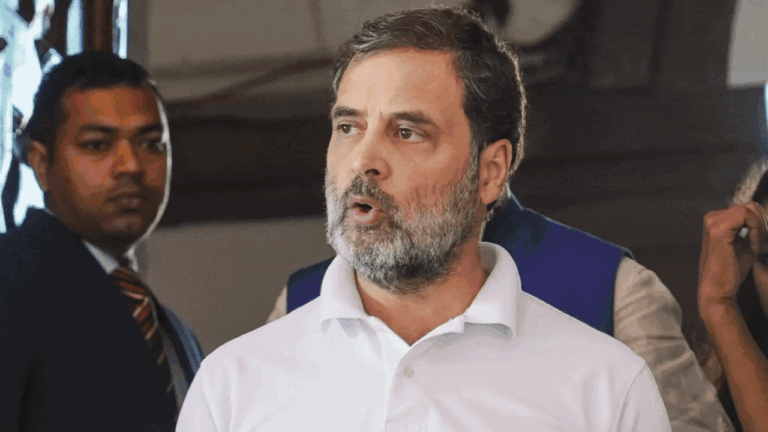
Sambhal, Uttar Pradesh – In the midst of heightened political and communal tensions, Rahul Gandhi, Leader of the Opposition, along with Congress General Secretary Priyanka Gandhi and a delegation of Congress leaders, is scheduled to visit Sambhal today. The visit follows violent clashes on November 24 during protests against a controversial court-ordered survey of the Shahi Jama Masjid. The violence led to the tragic deaths of four individuals and left dozens injured, including police officers.

With tensions running high, the district administration has imposed a ban on outsiders entering Sambhal until December 10, citing the need to maintain law and order and ensure the safety of residents. Despite these restrictions, the Congress delegation has announced its intention to proceed with the visit, framing it as an essential stand for democratic values.

Background of the Violence

The unrest in Sambhal erupted after a court ordered a survey of the Shahi Jama Masjid. The directive was issued following claims that the mosque was constructed on the site of a former temple. This contentious issue has deepened religious divides, sparking protests that escalated into violence.

Eyewitness accounts describe stone-pelting, gunfire, and chaos as police attempted to disperse protestors. In response, security forces intensified their presence, leading to a series of arrests. A forensic investigation has since revealed the presence of cartridges of both Pakistani and American origin at the scene, raising serious questions about external influences and the potential use of smuggled arms.

The violence has amplified communal tensions, creating a volatile atmosphere that persists nearly two weeks after the incident.

Rahul Gandhi and Priyanka Gandhi’s Defiance

Rahul Gandhi, known for his Bharat Jodo Yatra aimed at promoting unity, has framed his visit as an effort to support the victims and address concerns about justice and equality. Congress leaders have accused the ruling government of using the mosque survey as a pretext to stoke communal tensions, thereby deflecting attention from pressing governance issues.

Speaking ahead of the visit, Priyanka Gandhi stated:

“We cannot allow democracy to be undermined by fear and divisive politics. Our visit to Sambhal is not just a political act; it is a moral obligation to stand with the people who are suffering.”

The Congress party has called on its workers and supporters to gather at the Ghazipur border, where the Gandhis’ delegation plans to commence its journey to Sambhal. The rallying cry has resonated with Congress supporters across Uttar Pradesh, many of whom view this visit as a litmus test for their party’s commitment to justice and secularism.

Security Measures and Administrative Concerns

Sambhal’s district administration has doubled down on security, imposing strict restrictions to control the influx of outsiders and prevent potential flashpoints. The decision to ban entry into the district until December 10 is rooted in three key concerns:

  1. Maintaining Law and Order: The violent clashes on November 24 resulted in the deaths of five individuals and injuries to several police officers. The administration’s immediate priority is to prevent any further escalation and maintain peace.
  2. Facilitating Investigations: Authorities are probing the violence, including examining the involvement of minors and possible political motivations. Restricting access is viewed as a necessary measure to ensure that investigations proceed without interference or external provocation.
  3. Avoiding Provocation: Officials have expressed concerns that high-profile visits, particularly by political leaders, could reignite tensions in an already sensitive situation.

In preparation for the Congress delegation’s visit, police from neighboring districts have been instructed to block their entry if necessary. Sambhal’s District Magistrate has emphasized that the primary focus is on preserving order and preventing any provocation that could lead to further unrest.

Public Sentiment and Political Reactions

Public opinion in Sambhal remains sharply divided. For many residents, the mosque survey represents a challenge to communal harmony, while others view it as a legitimate legal exercise. Amid this polarization, the Congress delegation’s visit has drawn both support and skepticism.

Local BJP leaders have criticized the Congress visit, accusing the party of exploiting the situation for political gain. A BJP spokesperson stated:

“Instead of calming tensions, the Congress is attempting to inflame them further. This is irresponsible and dangerous.”

Conversely, Congress supporters argue that the visit is a necessary response to what they perceive as state-sponsored suppression of democratic freedoms.

Congress’s Broader Strategy

The Congress party has used the situation in Sambhal to spotlight what it alleges are broader failures of the BJP-led government in Uttar Pradesh. These include accusations of communal polarization, erosion of democratic norms, and neglect of governance.

In recent weeks, Congress leaders have amplified their criticism of the restrictions imposed on Sambhal, labeling them as an assault on democracy. The party has pointed to similar incidents in other states, arguing that such measures are becoming a pattern under BJP rule.

Rahul Gandhi himself has framed the issue in stark terms, declaring:

“Democracy cannot survive in an atmosphere of fear and intimidation. What is happening in Sambhal is a microcosm of the broader challenges facing India today.”

The Role of Communal Politics

The underlying trigger for the violence – the claim that the Shahi Jama Masjid was built over a temple – is emblematic of the deep-seated religious and cultural tensions in India. Court-ordered surveys and disputes over religious sites have become flashpoints in recent years, often leading to polarization and violence.

In Sambhal, the situation is further complicated by the discovery of foreign-origin cartridges at the violence site. This revelation has raised alarms about potential external interference, adding another layer of complexity to an already volatile issue.


Future Implications

The outcome of the Congress delegation’s visit to Sambhal is likely to have far-reaching implications. For the Congress party, it represents an opportunity to demonstrate its commitment to secularism and justice, potentially bolstering its support base ahead of the 2024 general elections.

For the BJP, the situation poses a challenge to its governance narrative in Uttar Pradesh, where it has consistently emphasized law and order. The handling of the Sambhal crisis will be closely watched as a test of its ability to manage communal tensions without alienating key voter bases.

As Rahul Gandhi and Priyanka Gandhi prepare to visit Sambhal, the district finds itself at the intersection of politics, religion, and law enforcement. The visit, if allowed, will not only shape the narrative around the November 24 violence but also serve as a broader commentary on the state of democracy in India today.

For the residents of Sambhal, the stakes are both immediate and profound: peace, justice, and the preservation of communal harmony in a district now under the national spotlight.

Vikrant Massey’s Break from Acting: Personal Struggles, Industry Pressures, and the Importance of Mental Health

0

Vikrant Massey recently stirred significant attention with a social media post that many interpreted as an announcement of his retirement from acting. However, he clarified that he is not retiring, but rather taking a temporary break to focus on his health and family. Let’s take a closer look at the factors influencing his decision and the reactions from both fans and industry peers.

Background of the Announcement

On December 2, 2024, Massey shared a heartfelt message on Instagram. He expressed gratitude for his supporters and mentioned that he needed to “recalibrate” his life. He hinted at meeting his fans “for one last time” in 2025, which sparked widespread speculation about his career intentions. Many interpreted this as a retirement announcement, which caused concern among his fanbase.

Clarifying His Intentions

Following the uproar, Massey quickly took to interviews to clarify that he is simply “burned out” and needs a break to reconnect with his personal life after years of intense work. He emphasized that acting remains his passion, and he plans to return to the industry when he feels rejuvenated. In his own words, he explained, “I’m not retiring… Just burned out. Need a long break. Miss home, and health is also acting up.”

Massey’s decision to step back and prioritize his health and family received support from many industry colleagues, including director Sanjay Gupta and actress Dia Mirza. They publicly praised his choice to focus on mental health, which is often overlooked in the demanding world of entertainment.

Factors Behind the Decision

Several factors appear to have influenced Massey’s decision to take a break from acting. One major reason is the overwhelming pressure of the entertainment industry. With a rapid rise to fame, Massey has had to juggle constant public attention, numerous projects, and high expectations. The intense pace took a toll on his physical and emotional well-being.

In addition, Massey has recently become a father, and his responsibilities as a parent have shifted his priorities. He expressed a strong desire to be more present in his family’s life during this transformative period.

Massey also faced significant emotional distress after receiving threats following the release of The Sabarmati Report. The film’s sensitive political themes led to backlash, including threats directed at him and his family. Massey openly discussed his concerns about the safety of his young son, which contributed to his decision to step away from the spotlight.

Industry Reactions: Support and Skepticism

While many fans expressed concern, others have shown their support. Fans have praised Massey for prioritizing his mental health during such a busy career phase. Many pointed out how important it is for celebrities to take care of their well-being, given the constant pressure they face in the industry.

However, some fans remain skeptical about his announcement. The timing of the post, just before the release of his upcoming film Zero Se Restart, led to speculation that the retirement news could be a publicity stunt. Some questioned whether this was a strategic move to drum up interest in his projects, especially given his recent success.

Upcoming Projects: Balancing Career and Personal Life

Despite the break, Massey’s fans can expect to see him in upcoming projects. He has roles in Don 3 alongside Ranveer Singh, as well as two films set to release in 2025. This ensures that his fans will see him on screen before he takes his hiatus, which adds an interesting layer to the speculation surrounding his decision.

The timing of his announcement has caused a division in his fanbase. While some view this as a brave decision that reflects personal growth, others suspect ulterior motives. The entertainment industry has seen similar instances where actors made such announcements, only to return later. This leaves many wondering if Massey’s break is truly a step away from the industry or just a strategic pause to reinvigorate his career.

Mental Health: A Growing Concern in the Entertainment Industry

Massey’s announcement highlights an important issue that is slowly gaining attention: the mental health challenges that come with fame. The entertainment industry is notorious for its high-pressure environment, where public scrutiny and constant work demands can take a toll on an actor’s emotional state. Massey’s openness about feeling “burned out” is a reminder that even successful actors face mental and physical health struggles.

The support Massey has received from colleagues like Gupta and Mirza is part of a larger shift in the industry, where mental health is being given more recognition. More actors are beginning to acknowledge the importance of self-care and taking time off to preserve their well-being.

The Future of Vikrant Massey’s Career

As Massey reassures fans that he will return to acting, it’s clear that his decision to take a break is motivated by a desire for personal growth and rejuvenation. His statement about needing to “better his craft” and reconnect with his roots shows his commitment to not just his career but to his own development as a person.

In the coming months, as he spends more time with his family and recharges, it’s likely that Massey will come back stronger, with a renewed passion for acting. The entertainment world will be watching, waiting to see how he navigates this break and what projects he will take on once he is ready to return.

Vikrant Massey’s decision to take a break from acting has sparked mixed reactions, with some fans expressing concern, others offering support, and a few questioning the timing of his announcement. Behind this decision is a combination of factors, including emotional distress from threats, the overwhelming pressures of fame, his new role as a father, and a strong desire to reconnect with his personal life. While skepticism remains, Massey’s clarification that he is not retiring but taking a temporary break has put some of the rumors to rest. It’s clear that this decision is rooted in a need for self-care, and fans can look forward to his eventual return when the time feels right.

Restoration of Barapullah Bridge: A Glimpse into Delhi’s Mughal Heritage

0

The Barapullah Bridge, an iconic 400-year-old Mughal-era structure in the heart of Delhi, has recently captured the public’s attention due to ongoing restoration efforts that aim to bring it back to its original glory. This bridge, originally constructed during the reign of Emperor Jahangir between 1621 and 1622, has long been an important part of the city’s historical fabric. Once a vital pathway for Mughal travelers, the bridge is now undergoing a major restoration that seeks to preserve its historical significance while addressing the challenges of modern-day Delhi.

Historical Context: The Origins of Barapullah Bridge

The Barapullah Bridge was constructed by Mihr Banu Agha, a prominent figure under Emperor Jahangir’s rule. The bridge was designed to connect two important historical sites—Humayun’s Tomb and Nizamuddin Dargah—facilitating the movement of pilgrims and travelers between these landmarks. Its strategic location and architectural significance made it a key feature in Mughal Delhi. The bridge is 200 meters long, with 12 piers and 11 arches, and was once part of a picturesque, tree-lined path that was one of the most beautiful routes in Delhi.

However, over the centuries, Barapullah Bridge, like many other historical monuments in the city, faced neglect. The surrounding area became increasingly urbanized, leading to encroachments and environmental degradation. The accumulation of garbage, untreated sewage, and various forms of waste over time obscured the bridge’s historical value. As a result, the once-beautiful bridge became nearly unrecognizable as a heritage site.

The Restoration Effort: A New Chapter for Barapullah Bridge

In August 2024, following an inspection by Delhi’s Lieutenant Governor VK Saxena, the Archaeological Survey of India (ASI) launched an extensive restoration project to revive the bridge. The restoration aims not only to conserve the bridge’s original architectural features but also to ensure that it serves as a functional part of the city’s modern infrastructure while maintaining its historical essence.

The restoration efforts are focused on several key aspects: desilting operations, removal of encroachments, and a careful examination of the bridge’s structural integrity. The primary goal is to make the bridge accessible as a pedestrian pathway, returning it to its original state as a scenic route while preserving its Mughal architectural heritage.

Key Restoration Actions:

  1. Desilting and Garbage Removal: The restoration process began with de-silting operations to remove accumulated waste and debris from beneath the bridge. This includes clearing the drains that have become clogged with untreated sewage and trash. Environmental cleanup is a crucial first step in preparing the site for further restoration work.
  2. Dismantling Modern Additions: Over the years, various modern structures, including bituminous layers and unauthorized additions, have been added to the bridge. These additions obscured the original materials and architecture of the bridge. A significant part of the restoration process involves removing these modern elements to expose the traditional construction materials, such as Delhi quartzite and lakhori bricks—distinctive features of Mughal-era construction.
  3. Restoration of Original Materials: Once the original structure is revealed, the next step is to restore damaged sections. The ASI plans to replace broken stones and bricks with ones that match the historical specifications, sourced from nearby quarries. This ensures that the restoration remains authentic and true to the original design of the bridge.
  4. Lime and Surkhi Plastering: To repair cracks and restore structural integrity, traditional plastering techniques using lime and surkhi (a mixture of lime and brick powder) will be applied. This method is essential for both maintaining the bridge’s aesthetic appeal and ensuring its stability.
  5. Masonry Restoration: The ASI will also undertake extensive masonry work to repair or replace damaged brickwork. The use of lime mortar for these repairs is vital to ensure that the bridge retains its historical character while remaining structurally sound.
  6. Fencing and Safety Measures: Given the bridge’s age and the need for public safety, iron grills will be installed along both sides of the bridge. This fencing will not only protect visitors but also prevent further damage to the structure. The goal is to balance safety measures with aesthetic appeal, ensuring that the fence complements the historical significance of the site.
  7. Lighting and Visitor Facilities: Once the restoration is complete, plans include the addition of appropriate lighting and seating areas to make the bridge more accessible to visitors. These amenities are intended to enhance the experience for tourists while showcasing the bridge’s historical significance.
  8. Environmental Cleanup: Before beginning restoration, the ASI has undertaken significant environmental cleanup efforts. The removal of silt and waste has been a crucial part of the process, addressing the deterioration caused by untreated sewage and garbage accumulation.

By employing these techniques, the ASI aims to restore the Barapullah Bridge to its former glory while ensuring that it remains an integral part of Delhi’s cultural heritage. The bridge is expected to become a popular tourist destination, providing visitors with a glimpse into the grandeur of Mughal-era architecture.

The Challenges of Restoration

Restoring the Barapullah Bridge presents a range of challenges, many of which stem from its long-standing neglect and the encroaching urban development surrounding it. Some of the most significant challenges include:

  1. Severe Encroachments: Over the years, the bridge has been heavily encroached upon by illegal constructions, such as shops and settlements. These structures obstructed access to the bridge and caused significant damage to its foundations. The first step in the restoration process involved clearing over 120 such encroachments, which was a complex and time-consuming task.
  2. Structural Degradation: The bridge has suffered extensive physical damage due to neglect, including broken piers and damaged arches. The restoration efforts must address these issues by removing later additions and using traditional construction materials to repair the damage.
  3. Environmental Concerns: The bridge is situated above a drain that has accumulated untreated sewage, causing further deterioration of the structure. The de-silting operations are crucial not only for restoring the bridge but also for addressing the environmental hazards that contribute to its damage.
  4. Maintaining Historical Integrity: A key aspect of the restoration project is maintaining the historical integrity of the bridge. The challenge lies in preserving the bridge’s architectural features while making necessary upgrades to ensure public safety. Balancing modern safety standards with the bridge’s historical authenticity is a delicate task that requires careful planning.
  5. Funding and Resource Allocation: The restoration project is a massive undertaking that requires significant funding. The estimated cost of the conservation work is approximately ₹1.5 crores. Securing sufficient funding and ensuring that resources are allocated efficiently are critical to the project’s success.
  6. Public Accessibility and Safety: After the restoration is complete, the bridge must be made accessible to the public while maintaining its historical charm. This involves installing safety features such as railings, providing adequate lighting, and ensuring that the site is free from overcrowding and vehicle traffic.

Future of the Barapullah Bridge

Once the restoration is complete, the Barapullah Bridge is expected to serve as a major tourist attraction, drawing visitors interested in Delhi’s Mughal heritage. It will stand as a testament to the architectural genius of the Mughal Empire and a reminder of the city’s rich cultural history. The restoration is also expected to improve the surrounding area, making it more accessible and aesthetically pleasing for residents and visitors alike.

The ASI’s efforts to restore the Barapullah Bridge are part of a broader initiative to preserve and promote Delhi’s historical landmarks. The bridge’s revival will not only protect an important piece of Delhi’s heritage but also contribute to the city’s tourism industry, offering visitors a unique glimpse into its Mughal past.

The Barapullah Bridge restoration is a significant step in preserving Delhi’s rich Mughal heritage. While the bridge has long been neglected, the ongoing restoration efforts are designed to return it to its former glory, ensuring that it remains a vital part of the city’s cultural landscape. Despite the many challenges, the restoration project holds promise for the future, offering a glimpse of Delhi’s glorious past while enhancing the city’s modern identity. Through careful restoration techniques and a commitment to preserving the bridge’s historical integrity, the Barapullah Bridge will once again become a cherished symbol of Delhi’s Mughal heritage for generations to come.

Prime Minister Modi Attends Screening of “The Sabarmati Report” in Parliament A Milestone for Politics and Cinema

0

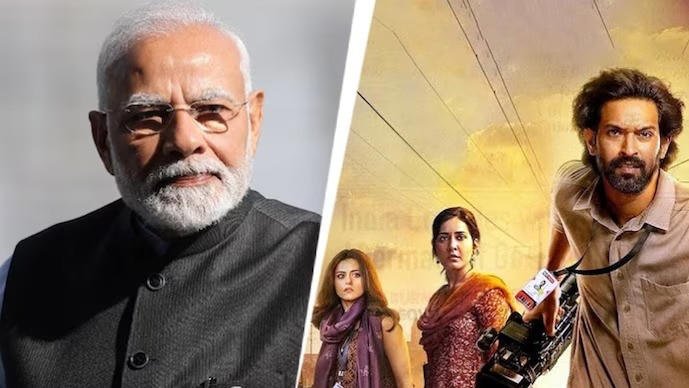
Prime Minister Narendra Modi will attend a screening of the film The Sabarmati Report today at 4 PM in the Parliament complex. The event will take place at the Balyogi Auditorium, where Modi will be joined by several Cabinet members and MPs from the ruling alliance. This screening is significant as it marks the first film that Modi has watched since taking office.

The Focus of The Sabarmati Report

Directed by Dheeraj Sarna, The Sabarmati Report portrays the tragic events of the Godhra train burning incident, which occurred on February 27, 2002. The incident led to the deaths of 59 people returning from a religious ceremony in Ayodhya. The film has sparked widespread attention due to its controversial portrayal of the event. Modi has praised the film for revealing what he calls the “truth” behind the incident, countering what he describes as “fake narratives” surrounding it.

Modi’s endorsement of the film highlights the ongoing political debate about the Godhra incident and its portrayal in public discourse. He emphasized the importance of presenting historical facts to the public, especially regarding events that have shaped the nation’s political landscape.

The Impact of Modi’s Endorsement

This screening is especially noteworthy because it marks the first film that Prime Minister Modi has watched since assuming office. Following the screening, Modi shared his appreciation for the filmmakers, writing on social media, “I commend the makers of the film for their effort.” His words underscore the importance of shedding light on critical historical events for the public’s awareness.

Modi’s endorsement of The Sabarmati Report also signals a shift in how political narratives are shaped through media. By supporting the film, Modi is not only engaging with a significant part of India’s history but also positioning himself as a leader who values transparency and historical truth.

A Momentous Occasion for Vikrant Massey

For actor Vikrant Massey, starring in the film and attending the screening with Modi was a career-defining moment. He described the experience as the “highest point” of his professional life. Massey was overwhelmed with happiness, sharing that it was a special experience to watch the film alongside the Prime Minister and key political leaders. “I watched the film with the Prime Minister and all cabinet ministers and many MPs. It was a special experience. I am so happy I cannot express it in words,” said Massey.

This event was not only a significant moment for Massey but also for the entire team involved in the film. It reinforced the political relevance of the movie and its cultural impact.

Attendees and Political Significance

The screening also saw the presence of other prominent figures from the political and film industries. Defence Minister Rajnath Singh and Home Minister Amit Shah were in attendance, further elevating the importance of the event. These figures’ participation demonstrates the political and cultural weight the film carries.

For Vikrant Massey, having such high-profile political figures present at the screening added to the significance of the moment. “It was an unforgettable day. I will remember this for the rest of my life,” he said.

The Legacy of The Sabarmati Report

The Sabarmati Report has made a significant mark both in the film industry and on the national political stage. By blending historical events with cinema, the film opens up discussions on one of the most controversial incidents in modern Indian history. Its portrayal of the Godhra train incident provides a platform for re-examining national narratives and shaping public opinion.

Prime Minister Modi’s direct engagement with the film signals a broader cultural shift, where politics and cinema increasingly intersect. As the country grapples with historical interpretations, The Sabarmati Report serves as a reminder of the power of film in shaping national discourse.

 A Landmark in Politics and Cinema

The screening of The Sabarmati Report in Parliament is a landmark event that highlights the growing relationship between politics and cinema in India. Prime Minister Modi’s support for the film gives it a political edge that could influence public understanding of the Godhra incident for years to come.

For Vikrant Massey, this moment represents the culmination of years of hard work and dedication. Watching the film with the Prime Minister and other political leaders was a profound experience, one that he will cherish throughout his career. As the film continues to stir discussions about India’s history, it has already made an indelible impact on both the cultural and political fabric of the nation.

Harbhajan Singh Endorses the World Tennis Cricket League (WTCL): A Game-Changer in Sports Entertainment

0

On December 2, 2024, former Indian cricket star Harbhajan Singh endorsed the World Tennis Cricket League (WTCL) at a press conference in New Delhi. This announcement has sparked excitement as it brings together the fast-paced worlds of tennis and cricket. WTCL aims to create a new entertainment category by merging the two sports, offering something fresh to fans across the globe.

Harbhajan Singh’s Vision for the WTCL

As the brand ambassador for the WTCL, Harbhajan Singh shared his excitement about the league’s potential to change sports entertainment. He is known for his remarkable cricket career, and his endorsement adds credibility to the league. Harbhajan said, “This league represents a bold new vision that pushes cricket to newer depths.” His involvement is expected to draw attention from both cricket and tennis fans, creating a crossover appeal between the two sports.

Harbhajan’s endorsement will also boost the WTCL’s visibility, attracting more media coverage and sponsorships. With his global fan base, Harbhajan can help grow the league’s reach and encourage fans to explore the hybrid format.

Insights from Shivain Sharma, WTCL Director

Shivain Sharma, the league director, described the WTCL T10 format as a revolutionary step for sports entertainment. He believes the combination of cricket and tennis will appeal to a broad, global audience. According to Sharma, “Our goal is to deliver a truly unique experience that brings together the thrill of both sports in a format that is fast, fun, and easy to consume.”

The WTCL aims to offer a fresh, exciting viewing experience that can attract viewers who enjoy dynamic sports. The league will appeal to modern audiences who are interested in quick, high-energy games, a growing trend in sports today.

The WTCL Format: Merging Tennis with Cricket

The WTCL is unique because it integrates elements from both tennis and cricket. The T10 format is the league’s standout feature, combining the fast pace of T10 cricket with tennis scoring systems. This hybrid format is a new venture in sports entertainment.

Features of the WTCL T10 Format

Innings Structure
Each team plays a single inning, limited to 10 overs (60 balls). This gives each match a duration of about 90 minutes. Unlike traditional formats like Test matches and ODIs, the T10 format allows multiple games in one day, making it perfect for fans who enjoy short and exciting matches.

Bowling Restrictions
In the WTCL, each bowler can bowl a maximum of two overs. This restriction forces teams to strategize carefully about player selection and bowling rotations. It adds a layer of excitement to the game, as teams must make quick decisions on the field. Traditional formats like T20 cricket allow bowlers up to four overs, while ODIs and Tests have fewer limits.

Powerplay Rules
The WTCL T10 format introduces a powerplay that consists of the first two overs, during which only two fielders can be outside the 30-yard circle. This encourages aggressive batting right from the start. There’s also an option for a “floating” powerplay over, which teams can use later in the innings to boost scoring. In contrast, T20 cricket has a six-over powerplay, and ODIs have a more complex powerplay system.

Match Duration and Format Appeal
The short duration of the WTCL T10 format is its main draw. Modern sports fans increasingly prefer fast-paced games, and T10 fits this need perfectly. With its quick action, the league could also find a place in large multi-sport events like the Olympics.

The Appeal of the WTCL

The WTCL T10 format stands out by combining two well-loved sports into an engaging new format. It offers fans a fresh way to experience cricket and tennis. By merging aspects of both games, the league can attract fans from both sports, offering something for everyone.

Harbhajan Singh’s endorsement only adds to the excitement. His involvement could bring a huge audience from the cricket world while sparking interest from tennis fans. The WTCL has a chance to become a popular new addition to the global sports scene.

Overcoming Challenges in Combining Tennis and Cricket

Integrating tennis and cricket into one sport comes with several challenges, including technical, cultural, and logistical hurdles.

Technical Challenges

  1. Different Game Mechanics
    Tennis and cricket have very different gameplay mechanics. Tennis is a continuous rally sport, while cricket involves distinct phases like batting, bowling, and fielding. Combining these mechanics into one format will require significant innovation in rules and game structure.
  2. Equipment Compatibility
    The equipment used in tennis and cricket is quite different. Tennis requires rackets and lightweight balls, while cricket uses heavy bats and hard balls. Creating hybrid equipment that suits both sports will be a challenge, as it must maintain performance standards for both games.
  3. Scoring Systems
    Tennis uses a game/set/match scoring system, while cricket uses runs and overs. A new scoring system will need to be designed that incorporates the best of both games while maintaining engagement for viewers.

Cultural Challenges

  1. Fan Base Divergence
    Cricket and tennis attract different fan bases. Cricket has a deep cultural connection in countries like India and Australia, while tennis is enjoyed worldwide but lacks the same national passion in many regions. Merging these fan bases will require careful marketing and outreach strategies to ensure both groups feel included.
  2. Tradition vs. Innovation
    Both tennis and cricket are rooted in tradition, and some purists may resist a new format. It will be essential to strike a balance between innovation and respect for the sports’ rich histories. The challenge is to make the hybrid format appealing without alienating traditional fans.

Logistical Challenges

  1. Scheduling Conflicts
    Both sports have crowded professional calendars, with numerous tournaments and international events. Scheduling WTCL matches without conflicting with other competitions could be difficult, especially if the league wants to include global teams.
  2. Resource Allocation
    Integrating two sports will require shared resources such as venues, coaching staff, and training facilities. Managing these resources to support both tennis and cricket elements without overburdening one sport will be a logistical challenge.
  3. Governance and Regulation
    A governing body for the WTCL will need to manage the interests of both tennis and cricket. This body will have to ensure fair play, consistent rules, and effective management of the hybrid league.

The Path Forward: What Lies Ahead for the WTCL?

Despite the challenges, the WTCL offers an exciting new direction for sports entertainment. The T10 format is fast-paced and engaging, with the potential to attract fans from both cricket and tennis. Harbhajan Singh’s endorsement adds to the excitement and helps raise the league’s profile on the global stage.

The integration of tennis and cricket into one sport represents an innovative approach to sports entertainment, and the WTCL has the potential to thrive by offering something unique and fresh. As the league develops, it will need to overcome the technical, cultural, and logistical challenges that come with merging two major sports. If successful, the WTCL could become a major global fixture in the sports world.

Nagaland: Falcon Capital of the World Leading Conservation Efforts for Amur Falcons

0

Nagaland, often celebrated as the Falcon Capital of the World, plays a critical role in the conservation of the Amur Falcon (Falco amurensis), a remarkable migratory bird that travels thousands of kilometers annually. From its breeding grounds in East Asia to wintering sites in Southern Africa, the bird’s journey exemplifies nature’s resilience. However, threats such as habitat loss and illegal hunting have highlighted the importance of conservation efforts in the region.

Conservation Efforts in Nagaland

Legal Protections

Nagaland’s proactive approach to safeguarding Amur Falcons begins with legal frameworks. The birds are protected under India’s Wildlife Protection Act of 1972, which imposes strict penalties for hunting, trapping, or possession of these migratory raptors. Although classified as Least Concern on the IUCN Red List, the Amur Falcon faces local threats that necessitate robust protections to prevent population declines.

Community Engagement

The cornerstone of Nagaland’s conservation success lies in its community-driven initiatives. Recognizing that local buy-in is crucial, the government and NGOs have organized awareness campaigns to educate the public on the ecological importance of Amur Falcons. Festivals like the Amur Falcon Festival celebrate the birds’ arrival, turning a past narrative of exploitation into one of pride and conservation.

Local leaders and conservationists have also worked to transform former hunters into stewards of wildlife. These efforts not only foster environmental awareness but also strengthen community bonds around shared natural heritage.

Monitoring and Research

Scientific research plays an integral role in conservation. Researchers have equipped Amur Falcons with satellite transmitters to track their migratory routes and better understand their ecology. This data has proven invaluable for developing informed strategies to protect their roosting and feeding sites in Nagaland.

Such initiatives also serve as educational tools for communities, showcasing the interconnectedness of ecosystems and the critical role that migratory species play in biodiversity.

Enforcement Measures in Neighboring Manipur

Manipur, particularly in the Tamenglong district, has adopted stringent measures to curb hunting during the Amur Falcon migration season.

  1. Regulatory Actions: The district administration enforces a strict ban on hunting, capturing, and trading Amur Falcons. Compliance is ensured through the Wildlife Protection Act of 1972.
  2. Disarmament Initiatives: Authorities have implemented innovative steps like air gun collection drives, requiring villagers to deposit firearms to deter hunting activities.
  3. Monitoring and Patrolling: Special enforcement teams and regular patrols in falcon roosting areas prevent illegal activities.
  4. Community Awareness: Educational campaigns highlight the ecological and economic benefits of protecting these birds, while eco-tourism initiatives provide alternative livelihoods.

These efforts, coupled with collaborations with wildlife organizations, have led to a sharp decline in hunting incidents, turning Manipur into another bastion for Amur Falcon conservation.


Conservation Success Stories

From Mass Hunting to Conservation

Nagaland’s past witnessed widespread hunting of Amur Falcons, particularly in areas like Doyang Reservoir. In 2012, international attention spotlighted the mass trapping of tens of thousands of these birds. This catalyzed a global outcry and spurred local action. Today, Doyang is a celebrated roosting site and a model for community-driven conservation.

Armed Forest Protection Force

To combat illegal activities, an armed Forest Protection Force was deployed to patrol sensitive areas during the migration season. Their vigilance, combined with community support, has nearly eradicated illegal hunting.


Celebrating Amur Falcons: An Ecological Spectacle

The arrival of Amur Falcons in Nagaland has transformed into an ecological celebration. Communities host marathons, cultural events, and birdwatching activities during the migration season. These events not only boost eco-tourism but also deepen the connection between people and their natural environment.


Broader Impacts

Nagaland’s efforts demonstrate how a combination of legal protections, scientific research, and community involvement can lead to successful wildlife conservation. The state’s model has inspired similar measures in other regions, including Manipur.


Challenges Ahead

Despite significant progress, challenges remain. Habitat degradation, climate change, and potential resurgence of illegal hunting require vigilance. Sustained funding for conservation programs and continuous community engagement will be vital for maintaining current successes.

Nagaland’s journey from a region once infamous for mass hunting to a global leader in Amur Falcon conservation is a testament to the power of collective action. By blending traditional knowledge, legal enforcement, and scientific research, Nagaland ensures that these incredible migratory birds continue to thrive.

The state’s efforts not only protect a species but also foster environmental stewardship, creating a legacy that aligns with the principles of sustainable development and biodiversity preservation. Future generations will look to Nagaland’s skies and see not just falcons but a symbol of hope and harmony between humans and nature.

Maharashtra Politics in Transition: Devendra Fadnavis Poised for Chief Ministerial Role Amid Coalition Negotiations

0

Maharashtra’s political landscape is undergoing a significant transformation as the BJP-led Mahayuti alliance—comprising the Bharatiya Janata Party (BJP), Eknath Shinde-led Shiv Sena faction, and Ajit Pawar’s Nationalist Congress Party (NCP)—readies itself to form the next government following a resounding victory in the state assembly elections. With 230 out of 288 seats under its belt, including 132 seats won solely by the BJP, the alliance’s electoral success has paved the way for a new government under the probable leadership of Devendra Fadnavis.

As the coalition prepares to assume power, several factors—ranging from leadership decisions and portfolio allocations to coalition dynamics and governance challenges—are shaping the contours of Maharashtra’s political future.

Leadership Dynamics: Devendra Fadnavis’s Ascension

Devendra Fadnavis, a former Chief Minister and the BJP’s key strategist, is widely expected to reclaim the Chief Ministerial position. Senior BJP leaders have unofficially confirmed his candidacy, with the legislature party set to formally elect him as their leader on December 2 or 3. The swearing-in ceremony is scheduled for December 5 at Azad Maidan, Mumbai, with Prime Minister Narendra Modi likely to attend.

Despite Fadnavis’s looming return to power, the transition has not been devoid of complexities. Eknath Shinde, the outgoing Chief Minister, has expressed his full support for the BJP’s decision but remains an influential figure within the Shiv Sena faction. Reports suggest that Shinde has been advocating for his son, Shrikant Shinde, to be appointed as one of the Deputy Chief Ministers—a demand that has sparked internal debates within the coalition.

The Deputy CM Conundrum: Shrikant Shinde’s Speculated Role

Eknath Shinde’s push for his son’s elevation to the position of Deputy Chief Minister has added another layer of intrigue to the coalition’s internal negotiations. Shrikant Shinde, a two-term Member of Parliament, has been positioned as a capable candidate by his father. However, the BJP’s leadership is reportedly cautious about endorsing dynastic politics, wary of potential backlash from within its ranks and among voters.

The Shiv Sena itself appears divided on the issue. Some party members fear that appointing Shrikant Shinde could tarnish their image, particularly given their past criticism of Uddhav Thackeray’s promotion of his son, Aaditya Thackeray. The BJP has sought to strike a balance, reportedly offering Eknath Shinde either a Union Cabinet berth or the Deputy CM role for his son—but not both.

Shiv Sena’s Position: A Balancing Act

The Shiv Sena faction led by Eknath Shinde finds itself in a precarious position. While publicly supporting the BJP’s leadership decisions, internal discussions reflect growing concerns about the party’s diminishing influence in the coalition. Key demands, such as retaining the Home portfolio, underscore the Shiv Sena’s attempts to assert its relevance in the new government.

Shiv Sena leaders have also emphasized the need for equitable power-sharing within the alliance. Some have suggested adopting a “Bihar model,” where a smaller coalition partner holds the Chief Ministerial post, as a way to ensure balance. However, with the BJP’s dominant position following the elections, such proposals appear unlikely to gain traction.

NCP’s Pragmatic Approach

Ajit Pawar’s NCP faction has been more pragmatic in its approach. Several NCP leaders have voiced support for Fadnavis, citing his administrative acumen and ability to manage coalition dynamics. This alignment reflects the NCP’s focus on stability and effective governance, even as it navigates its reduced influence within the alliance.

The NCP’s support for Fadnavis also highlights a strategic shift, as the party seeks to safeguard its interests in a coalition where the BJP wields significant power. Ajit Pawar’s involvement in key decision-making processes, particularly in portfolio allocations, underscores his intent to remain a key player in the government.

Coalition Dynamics: Striking a Delicate Balance

The Mahayuti alliance’s overwhelming electoral mandate masks underlying tensions among its constituents. Portfolio allocations have emerged as a contentious issue, with each party vying for influential ministries. The BJP is expected to secure a majority of the cabinet positions, but demands from the Shiv Sena and NCP for key portfolios like Home, Finance, and Urban Development have intensified negotiations.

Union Home Minister Amit Shah has been instrumental in navigating these discussions, holding meetings with coalition leaders to address power-sharing arrangements and caste dynamics. Shah’s involvement reflects the BJP’s recognition of the need to maintain coalition unity while asserting its leadership.

Governance Challenges: Delivering on Promises

As the Mahayuti alliance prepares to govern, it faces significant challenges in meeting voters’ expectations. The coalition’s campaign was anchored in ambitious welfare schemes, such as the Ladki Bahin Yojana, which promises monthly financial assistance to women. However, the estimated ₹63,000 crore annual cost of such programs raises questions about their fiscal sustainability.

Beyond financial constraints, the new government must navigate Maharashtra’s complex caste dynamics. Recent elections underscored polarization between the Maratha and OBC communities, fueled by ongoing reservation agitations. Addressing these tensions will be critical for maintaining social harmony and political stability.

Efficient governance will also be under scrutiny, with voters expecting tangible outcomes from the coalition’s policies. Ensuring transparency, reducing bureaucratic delays, and tackling corruption will be key to the government’s success.

Opposition’s Role: Maha Vikas Aghadi’s Resurgence

While the Mahayuti alliance enjoys a strong mandate, the opposition Maha Vikas Aghadi (MVA)—comprising Uddhav Thackeray’s Shiv Sena faction, the Congress, and the Sharad Pawar-led NCP—remains a formidable force. Though weakened, the MVA has retained significant influence and could regroup to challenge the ruling coalition’s policies.

The opposition’s ability to capitalize on any missteps by the Mahayuti government will be pivotal in shaping the political discourse in Maharashtra. Issues such as welfare scheme implementation, caste dynamics, and economic management are likely to serve as flashpoints for opposition criticism.

 A Critical Juncture for Maharashtra Politics

Maharashtra stands at a critical juncture as the Mahayuti alliance assumes power under Devendra Fadnavis’s likely leadership. The coalition’s ability to navigate internal dynamics, fulfill campaign promises, and address governance challenges will determine its success in the coming years.

While the BJP’s dominant position provides a strong foundation, the coalition’s longevity will depend on its capacity to maintain unity and address the aspirations of its constituents. The political landscape remains fluid, with opportunities and challenges shaping the trajectory of governance in Maharashtra. As the swearing-in ceremony approaches, all eyes are on the Mahayuti alliance to deliver on its promises and steer Maharashtra towards stability and progress.

भारत का GDP आधार वर्ष बदलने की योजना: अर्थव्यवस्था की नई तस्वीर

0

भारत सरकार का केंद्रीय सांख्यिकी कार्यालय (CSO) 2011-12 को GDP के मौजूदा आधार वर्ष के रूप में बदलकर 2017-18 को अपनाने की योजना बना रहा है। इस बदलाव का उद्देश्य आर्थिक आंकड़ों को अधिक सटीक और अद्यतन बनाना है। यह कदम न केवल भारत की आर्थिक स्थिति को बेहतर ढंग से प्रतिबिंबित करेगा, बल्कि वैश्विक मानकों के अनुरूप आंकड़े प्रस्तुत करने में भी सहायक होगा। इसके अलावा, यह पहल नीति निर्माताओं को अधिक प्रभावी निर्णय लेने में मदद करेगी।

आधार वर्ष और उसका महत्व

आधार वर्ष किसी भी देश के आर्थिक मूल्यांकन का एक प्रमुख घटक है। यह वह संदर्भ वर्ष है, जिसके आधार पर राष्ट्रीय खातों की गणना होती है। GDP और अन्य आर्थिक सूचकांक, जैसे कि सकल घरेलू बचत और सकल पूंजी निर्माण, इसी वर्ष की कीमतों पर आधारित होते हैं।

  • नॉमिनल GDP: यह वर्तमान कीमतों पर वस्तुओं और सेवाओं का कुल मूल्य है।
  • वास्तविक GDP: यह आधार वर्ष की स्थिर कीमतों पर मापा गया मूल्य है, जो मुद्रास्फीति के प्रभाव को हटाकर वास्तविक आर्थिक गतिविधि को दर्शाता है।

आधार वर्ष का समय-समय पर अद्यतन होना आवश्यक है। ऐसा इसलिए है क्योंकि अर्थव्यवस्था में बदलाव, जैसे सेवाओं और उद्योगों की बढ़ती भूमिका, को ठीक से मापने के लिए नवीनतम संदर्भ आवश्यक है।

2017-18 को आधार वर्ष बनाने की आवश्यकता

1. बदलती आर्थिक संरचना

भारत की अर्थव्यवस्था में पिछले दशक में कई महत्वपूर्ण बदलाव हुए हैं। सेवाओं और उद्योगों की GDP में हिस्सेदारी तेजी से बढ़ी है। हालांकि, मौजूदा आधार वर्ष 2011-12 इन बदलावों को पर्याप्त रूप से प्रतिबिंबित नहीं करता।

2. वैश्विक मानकों के साथ तालमेल

संयुक्त राष्ट्र के राष्ट्रीय खाते के दिशा-निर्देश (SNA-2018) के अनुसार GDP की गणना करना, भारत को अंतरराष्ट्रीय स्तर पर तुलनात्मक और मान्यता प्राप्त आंकड़े प्रस्तुत करने में मदद करेगा।

3. सटीक नीतिगत निर्णय

GDP के अधिक सटीक आंकड़े नीति निर्माताओं को मौजूदा आर्थिक स्थिति का बेहतर आकलन करने में मदद करेंगे। इसके परिणामस्वरूप, योजनाएं और नीतियां वास्तविक आवश्यकताओं को पूरा करने में अधिक प्रभावी होंगी।

4. जलवायु परिवर्तन का प्रभाव

जलवायु परिवर्तन की वजह से अर्थव्यवस्था पर बढ़ते प्रभाव को ध्यान में रखते हुए GDP की गणना में नए मापदंड जोड़ना आवश्यक है। इससे पर्यावरणीय और आर्थिक स्थिरता के बीच संतुलन बनाने में मदद मिलेगी।

आधार वर्ष बदलने के संभावित लाभ

1. GDP में सटीकता और वृद्धि

आधार वर्ष में बदलाव के बाद, GDP की गणना में सुधार होने की संभावना है। नए डेटा और उन्नत पद्धतियों के उपयोग से GDP के आकार में मामूली वृद्धि हो सकती है।

2. सेवाओं और उद्योगों का समुचित आकलन

आधार वर्ष के अद्यतन होने से आर्थिक गतिविधियों, खासकर सेवाओं और उद्योगों के सही योगदान को मापना आसान होगा।

3. अंतरराष्ट्रीय स्तर पर विश्वसनीयता

भारत के आर्थिक आंकड़े अधिक विश्वसनीय और तुलनात्मक होंगे। इससे विदेशी निवेशकों का भरोसा बढ़ेगा और भारत की वैश्विक प्रतिस्पर्धा में सुधार होगा।

4. नीति सुधारों को बढ़ावा

सटीक आंकड़ों के आधार पर सरकार सुधारात्मक नीतियां बना सकेगी, जो विकास की गति को तेज करने में मदद करेंगी।

वर्तमान विवाद और चुनौतियां

1. डेटा की विश्वसनीयता

कुछ विशेषज्ञों ने GDP गणना में उपयोग किए गए डेटा स्रोतों पर सवाल उठाए हैं। विशेष रूप से, CSO द्वारा कॉर्पोरेट मामलों के मंत्रालय (MCA) के आंकड़ों पर निर्भरता की आलोचना की गई है।

2. गणना की प्रक्रिया

GDP आकलन के तरीके को लेकर भी विवाद है। विशेषज्ञों का मानना है कि वर्तमान विधियां आर्थिक वास्तविकताओं को ठीक से प्रतिबिंबित नहीं करतीं।

3. तुलनात्मक कठिनाई

नए आधार वर्ष को अपनाने के बाद पिछले आंकड़ों की तुलना चुनौतीपूर्ण हो जाती है। इसे हल करने के लिए पुराने डेटा को नए मापदंडों के अनुसार समायोजित करना होगा।

4. राजनीतिक हस्तक्षेप

आलोचकों का कहना है कि GDP आंकड़ों में राजनीतिक हस्तक्षेप की संभावना है। इस मुद्दे को हल करने के लिए स्वतंत्र विशेषज्ञों की निगरानी आवश्यक है।

जलवायु परिवर्तन का GDP पर प्रभाव

1. आर्थिक नुकसान का आकलन

जलवायु परिवर्तन के कारण भारत की अर्थव्यवस्था को गंभीर नुकसान हो सकता है। उदाहरण के लिए, एशियन डेवलपमेंट बैंक (ADB) ने अनुमान लगाया है कि 2070 तक भारत का GDP 24.7% तक घट सकता है।

2. कृषि और उद्योगों पर प्रभाव

कृषि उत्पादन में गिरावट और प्राकृतिक आपदाओं की बढ़ती आवृत्ति आर्थिक स्थिरता को कमजोर कर सकती हैं। इससे न केवल कृषि, बल्कि उद्योगों को भी नुकसान होगा।

3. निजी खपत में सुधार

हालांकि, निजी खपत और निर्माण गतिविधियों में सुधार जैसे सकारात्मक संकेत, अर्थव्यवस्था को आंशिक रूप से संतुलित कर सकते हैं।

पारदर्शिता सुनिश्चित करने के उपाय

  • स्वतंत्र विशेषज्ञों की भागीदारी: GDP गणना प्रक्रिया में विशेषज्ञों को शामिल करना।
  • डेटा स्रोतों की समीक्षा: अधिक विश्वसनीय और व्यापक डेटा का उपयोग।
  • पारदर्शी कार्यप्रणाली: GDP गणना के तरीकों को सार्वजनिक रूप से उपलब्ध कराना।
  • आंकड़ों का तिमाही अपडेट: नियमित रूप से GDP आंकड़ों को अद्यतन करना।

2017-18 को GDP का आधार वर्ष बनाना भारत की आर्थिक रिपोर्टिंग में एक महत्वपूर्ण कदम है। यह न केवल अधिक सटीक और अद्यतन आंकड़े प्रदान करेगा, बल्कि वैश्विक मानकों के अनुरूप भी होगा। हालांकि, इसके साथ कुछ चुनौतियां भी हैं, जिन्हें पारदर्शी प्रक्रिया और सटीक डेटा संग्रहण के माध्यम से हल किया जा सकता है। इसके अलावा, जलवायु परिवर्तन और आर्थिक संरचना में हो रहे बदलावों को ध्यान में रखते हुए, यह पहल नीतिगत सुधारों के लिए एक मजबूत आधार तैयार करेगी। इससे भारत की आर्थिक प्रगति और वैश्विक प्रतिस्पर्धा को नई दिशा मिलेगी।