
Saturday, June 27, 2026
Home Blog Page 14

RBI’s CRR Cut: Implications for Borrowers, Banks, and the Economy

0

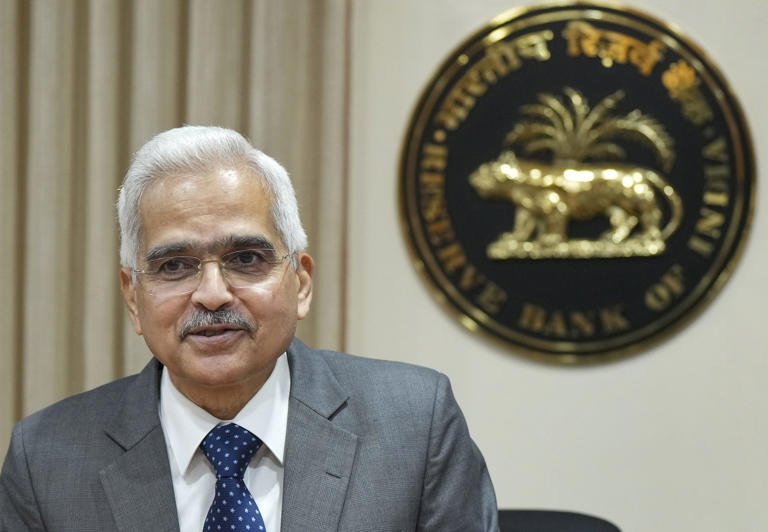
The Reserve Bank of India (RBI) has taken a significant step by reducing the Cash Reserve Ratio (CRR) by 50 basis points, lowering it from 4.5% to 4%. This move, expected to release ₹1.16 trillion into the banking system, is poised to impact interest rates, borrowing costs, and economic growth dynamics. Here’s a closer look at the ripple effects of this decision on borrowers, banks, and the broader economy.


How Borrowers Will Benefit

1. Increased Liquidity Boosts Lending Capacity

The CRR cut infuses liquidity into the banking system, enabling banks to increase their lending capabilities. Borrowers across various segments—home loans, car loans, personal loans, and corporate credit—can expect an easier flow of funds as banks compete to extend credit. This measure is particularly crucial as it aligns with the RBI’s goal of spurring economic activity amid signs of a slowdown.

2. Lower Interest Rates on Loans

Enhanced liquidity is expected to lead to a reduction in the cost of funds for banks. This, in turn, could prompt banks to lower their lending rates, especially loans linked to the Marginal Cost of Funds-Based Lending Rate (MCLR). A decline in interest rates translates into reduced Equated Monthly Installments (EMIs) for borrowers. However, the extent and timing of these reductions will depend on individual banks’ policies and their assessment of market conditions.

3. Stability in Repo-Linked Loans

Since the RBI has kept the repo rate unchanged at 6.5%, borrowers with loans tied to the repo rate will not see immediate changes in their EMIs. This stability offers a reprieve to borrowers, particularly those with home loans or business loans pegged to the central bank’s benchmark rate.

4. Improved Affordability for Big-Ticket Purchases

Sectors such as real estate and automobile are likely to benefit from lower borrowing costs. With banks passing on the liquidity advantage to customers, prospective homebuyers and car buyers may find loans more affordable, potentially boosting demand in these key industries.

5. Accessibility of Credit for MSMEs

Micro, Small, and Medium Enterprises (MSMEs), which rely heavily on bank credit, are expected to benefit from improved liquidity. Easier access to loans can help these businesses address working capital needs and invest in growth, further contributing to economic recovery.


Implications for Banks

1. Enhanced Liquidity and Profitability

The release of ₹1.16 trillion boosts banks’ liquidity reserves, allowing them to lend more freely. This could improve their Net Interest Margins (NIMs), a key profitability metric. Banks with a larger focus on retail lending are particularly well-positioned to benefit from this measure.

2. Positive Market Sentiment

The banking sector has already responded positively to the CRR cut, with stocks of major banks witnessing an uptick. Analysts view this as a sign of confidence in the RBI’s measures to support financial stability and economic growth.

3. Competitive Interest Rates

With more liquidity, banks might engage in competitive interest rate adjustments to attract borrowers, especially in the retail and SME segments. This competitive environment can be advantageous for consumers seeking loans.

4. Reduced Deposit Rates

While borrowers benefit from lower loan rates, depositors might face marginal reductions in deposit rates as banks adjust to increased liquidity. This could affect savers but is unlikely to impact the broader lending landscape significantly.


Broader Economic Impact

1. Stimulating Growth Amid a Slowdown

India’s GDP growth has dipped to 5.4%, its lowest in seven quarters, raising concerns about the economy’s trajectory. The CRR reduction aims to counter this slowdown by enhancing credit flow, boosting consumption, and encouraging investment in key sectors.

2. Support for Key Industries

Increased credit availability is expected to benefit credit-intensive sectors such as:

  • Real Estate: Easier home loans could stimulate housing demand.
  • Automobiles: Affordable car loans may boost vehicle sales.
  • Consumer Durables: Lower EMIs can drive purchases of high-value items like appliances and electronics.
  • Infrastructure: Access to cheaper credit can accelerate ongoing and planned projects.

3. Balancing Growth and Inflation

The RBI’s decision reflects a cautious balancing act. While fostering economic expansion, the central bank remains vigilant about inflationary pressures. By maintaining the repo rate, the RBI signals its intent to ensure growth does not come at the expense of price stability.

4. Strengthening Financial Stability

The CRR cut aligns with the RBI’s broader objectives of ensuring financial system resilience. Increased liquidity can bolster banks’ ability to meet credit demands, absorb economic shocks, and maintain stability in the face of global uncertainties.


Potential Challenges

1. Inflationary Risks

While the CRR cut enhances liquidity, it may exert upward pressure on inflation if the additional money supply leads to excessive demand. The RBI’s decision to hold the repo rate steady indicates its awareness of this risk.

2. Delayed Impact on Borrowers

The transmission of benefits from the CRR cut to borrowers depends on banks’ readiness to adjust their lending rates. Some borrowers may experience a lag before witnessing tangible reductions in loan costs.

3. Deposit Rate Reductions

Savers could face lower returns on fixed deposits as banks recalibrate deposit rates in response to increased liquidity. While this may not directly impact borrowers, it could influence savings behavior in the economy.


Sectoral Analysis

Real Estate

The sector is poised for a revival as lower home loan rates improve affordability for buyers. Developers may also find it easier to secure project financing.

Automobiles

Easier access to car loans could drive sales, particularly in the passenger and commercial vehicle segments, which have been recovering from pandemic-induced slumps.

MSMEs

Enhanced credit flow can help small businesses expand operations, hire more workers, and invest in technology, contributing to overall economic recovery.

Consumer Durables

Lower EMIs could spur demand for high-ticket items, benefiting manufacturers and retailers in this segment.

The RBI’s 50 basis point CRR cut is a strategic move designed to address the dual challenges of slowing growth and inflationary pressures. By injecting ₹1.16 trillion into the banking system, the central bank aims to stimulate credit flow, support key sectors, and foster economic resilience.

For borrowers, the CRR cut promises potential relief in terms of lower interest rates and improved access to credit. Banks, on the other hand, stand to benefit from enhanced liquidity and profitability. However, the success of this measure hinges on its effective implementation and the banking sector’s responsiveness.

As the economy navigates this critical juncture, the RBI’s focus on liquidity management, financial stability, and balanced growth underscores its commitment to steering India towards sustained recovery and development.

Farmers Gather at Shambhu Border to March Towards Delhi, Pressing 12 Key Demands

0

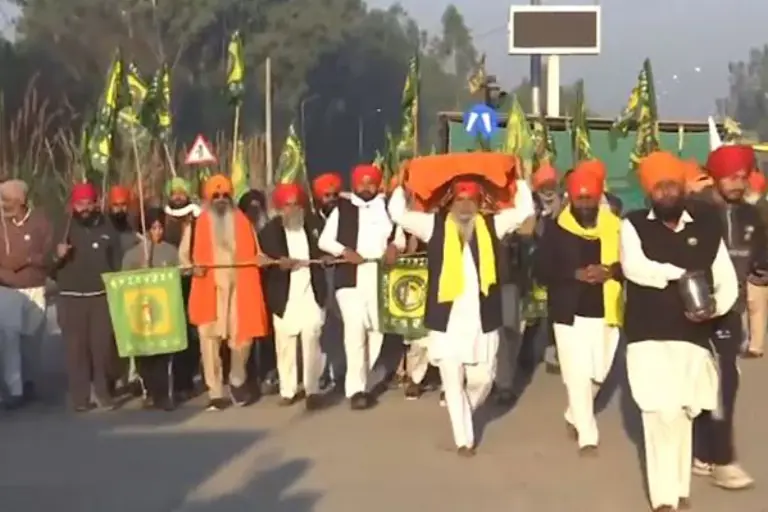
In a display of determination and solidarity, hundreds of farmers have assembled at the Shambhu border, preparing for a protest march towards Delhi on December 6, 2024. This mobilization, spearheaded by organizations such as the Samyukta Kisan Morcha (Non-Political) and Kisan Mazdoor Morcha, seeks to highlight 12 pressing demands aimed at safeguarding the livelihood and dignity of India’s agrarian community.

The Farmers’ Demands: A Fight for Livelihoods

At the heart of the farmers’ agitation is the demand for a legal guarantee on Minimum Support Price (MSP), which they argue is crucial for ensuring fair compensation for their crops. Other significant demands include:

  1. Waivers on farm loans to alleviate debt burdens.
  2. Pensions for farmers and laborers to ensure post-retirement security.
  3. A rollback of proposed increases in electricity tariffs.
  4. Withdrawal of police cases filed against protesting farmers during past agitations.
  5. Fair compensation for crop losses caused by natural disasters.
  6. Enhanced subsidies for agricultural inputs, including fertilizers and seeds.
  7. Protection against land acquisition without adequate compensation.
  8. Reforms in irrigation systems and availability of water for agriculture.
  9. Stricter regulations on corporate exploitation in agriculture.
  10. Better pricing policies for dairy and allied sectors.
  11. Comprehensive crop insurance schemes to mitigate risks.
  12. Immediate payment of pending dues to farmers, especially in the sugarcane sector.

The demands reflect widespread grievances, underscoring the challenges faced by farmers across India’s agricultural heartlands.

Security Tightened: A March Under Watch

The Ambala district administration, anticipating a large-scale gathering, has implemented strict security measures at the Shambhu border. Prohibitory orders under Section 163 of the Bharatiya Nagarik Suraksha Sanhita have been enforced, restricting assemblies of five or more individuals.

Additional barricades and a heightened police presence are in place, supported by central paramilitary forces to manage the situation and ensure law and order. Authorities cite public safety concerns, but farmer leaders have criticized these measures as excessive, likening the scene to an international border.

Voices from the Ground

Farmer leader Sarwan Singh Pandher expressed frustration at the heavy security deployment. “This is not a war zone; it is a peaceful protest for our rights. If they stop us, it will be a moral victory for the farmers,” Pandher stated.

The first group of marchers, referred to as a “jatha,” consists of 101 farmers who will lead the procession towards Delhi. Protesters have been stationed at the Shambhu border since February 2024, following previous attempts to reach the national capital that were thwarted by security forces.

Historical Resonance and Symbolic Significance

The march coincides with Guru Teg Bahadur Ji’s martyrdom day, adding symbolic depth to the farmers’ cause. Protesters see this alignment as a reflection of their fight for justice and equality, drawing inspiration from the historical legacy of sacrifice and resistance.

The movement has now persisted for nearly 300 days, demonstrating the resilience of India’s farmers in their struggle for equity and recognition.

Government’s Stance: Measures to Prevent the March

The Haryana government has taken stringent steps to prevent the march from reaching Delhi. In addition to enforcing Section 163, officials have warned protesters of legal repercussions for violating prohibitory orders.

Haryana Chief Minister Manohar Lal Khattar has called for dialogue, urging farmers to engage in discussions rather than disruptive demonstrations. However, farmer groups have expressed skepticism, citing unmet promises from previous negotiations.

Public Sentiment and Reactions

The protest has garnered mixed reactions from the public. While many urban residents express frustration over potential disruptions to daily life, there is widespread sympathy for the farmers’ plight in rural areas. Social media platforms are abuzz with hashtags like #FarmersMarchToDelhi and #SupportFarmers, reflecting both solidarity and criticism.

Local communities near the Shambhu border have extended support to the protesters by providing food and shelter, showcasing grassroots-level solidarity with the farmers’ cause.

Safety and Organization

Despite the potential for confrontation, farmer groups have emphasized the peaceful nature of their protest. Volunteers have been assigned to ensure discipline during the march, and leaders have repeatedly urged participants to avoid any actions that could lead to violence.

The Road Ahead

As the clock ticks towards the march’s commencement at 1 PM, the spotlight remains on the Shambhu border. The farmers’ resolve to march towards Delhi, despite legal and logistical hurdles, underscores the depth of their grievances.

Notable Figures in the Protest

Prominent leaders from the agrarian community, including Sarwan Singh Pandher and representatives from the Kisan Mazdoor Morcha, are leading the charge. Though the protest is labeled “non-political,” its scale and implications have drawn attention from political parties and civil society organizations alike.

Broader Implications

The farmers’ march is not just a protest; it is a reflection of the systemic challenges plaguing Indian agriculture. The outcome of this march will have far-reaching implications for government policies, rural livelihoods, and the broader discourse on India’s agrarian economy.

As the march unfolds, all eyes will be on Delhi, where the farmers hope to make their voices heard. Whether their demands are met remains uncertain, but their determination to fight for their rights remains unwavering.

This protest, steeped in symbolism and driven by necessity, represents a pivotal moment in the ongoing struggle for justice and equity in Indian agriculture.

Rising Tensions in Bangladesh: Muhammad Yunus Calls for Unity Amid Allegations of Indian Aggression

0

Muhammad Yunus, the interim leader of Bangladesh, has issued a strong call for national unity in response to what he has described as “Indian aggression.” His statement comes during a volatile period marked by rising tensions between Bangladesh and India, driven largely by concerns over the safety of Hindu minorities in Bangladesh. Yunus’s comments highlight the complex interplay of domestic unrest, minority rights issues, and strained international relations.

The Current Landscape of Tensions

Yunus made his remarks on December 4, 2024, during a meeting with political leaders. Addressing growing political divides, Yunus accused India of spreading disinformation to destabilize his government, formed in the wake of the ousting of long-time Prime Minister Sheikh Hasina. “This is a question of our existence,” Yunus stated, emphasizing the urgency for Bangladeshi political factions to put aside differences and unite against perceived external threats.

The situation follows months of unrest, with reports of over 2,000 attacks on Hindu minorities since August 2024. These incidents, including vandalism, arson, and assaults, have sparked widespread condemnation from international human rights organizations. However, Yunus has framed the violence as politically motivated, alleging that India is exaggerating the scale of attacks to discredit his administration.

Political and Religious Undertones

Yunus has sought to address concerns by meeting with religious leaders across Bangladesh’s diverse faith communities. On December 5, 2024, he convened discussions aimed at promoting interfaith cooperation and gathering accurate data on violence against minorities. This approach, according to Yunus, is essential to counter the “distorted narratives” being circulated by international media.

While acknowledging the severity of the attacks, Yunus has argued that they are rooted in political motives rather than religious animosities. He contends that remnants of the previous government and their allies are exploiting religious tensions to undermine his interim administration.

Historical Context of Minority Rights in Bangladesh

The Hindu minority in Bangladesh, which makes up approximately 8% of the population, has historically faced periods of violence and discrimination. Incidents of communal violence often escalate during times of political instability, with religious minorities becoming scapegoats for broader socio-political grievances.

The recent spate of attacks has included high-profile incidents such as the destruction of Hindu homes and temples in Sunamganj district. Activists from the Bangladesh Hindu Buddhist Christian Unity Council estimate damages exceeding 1.5 million Bangladeshi taka. Meanwhile, a young Hindu man, Akash Das, has become a focal point of controversy, with allegations of blasphemy preceding one of the most severe waves of violence.

International and Domestic Reactions

India’s Role in the Narrative

India’s response has been sharp, with officials expressing concern over the safety of Hindus in Bangladesh. Indian media, particularly nationalist outlets, have amplified reports of violence, often portraying Bangladesh as hostile to minorities. This coverage has fueled diplomatic tensions, with Yunus accusing Indian media of sensationalism and propaganda.

The Global Community’s Stance

The international community has voiced alarm over the violence. Human rights organizations have criticized the Bangladeshi government for failing to protect its minorities. The UN High Commissioner for Human Rights has called for an immediate investigation into the attacks, while the United States and the European Union have urged Bangladesh to uphold its commitments to minority rights.

However, Yunus’s government faces challenges in countering these narratives. Funding shortfalls for humanitarian programs, particularly those supporting Rohingya refugees, have compounded Bangladesh’s international image problems.

A Balancing Act for the Interim Government

The interim government, formed following student-led protests that ended Sheikh Hasina’s 15-year rule, has promised democratic reforms. However, its legitimacy is under scrutiny as it navigates internal political challenges and external pressures.

Yunus has focused on promoting a vision of national unity and democratic renewal. He has introduced measures aimed at increasing government transparency and has pledged to crack down on corruption. His administration has also reached out to political groups across the spectrum, including traditionally conservative factions, in an effort to stabilize the nation.

Yet, Yunus’s leadership has drawn criticism for its handling of violence against minorities. Protesters, particularly students, have demanded stronger actions to protect vulnerable communities. While Yunus has assured demonstrators that their concerns are being addressed, his rhetoric has not quelled widespread discontent.

Media Coverage and Public Perception

Media reporting on the violence reflects the polarized nature of Bangladeshi politics. Domestic outlets often frame the attacks on Hindus as part of broader political unrest, avoiding explicit acknowledgment of communal violence. This contrasts with Indian and international media, which frequently emphasize the religious dimension of the attacks.

Local Hindu leaders and activists have expressed frustration with the portrayal of their plight, arguing that both underreporting and sensationalism hinder efforts to address the violence.

Future Challenges and Opportunities

As Bangladesh prepares for elections under Yunus’s interim leadership, the country faces significant challenges. The need to protect minority communities, restore public confidence, and mend diplomatic ties with India will require deft political maneuvering. Yunus’s call for unity underscores the precarious position of his administration as it seeks to steer Bangladesh through this turbulent period.

The path forward will depend on whether Yunus can balance domestic stability with international accountability, ensuring that Bangladesh emerges as a stronger and more inclusive nation.

Rising Concerns Over Early Menopause Among Indian Women Factors and Preventive Strategies

0

Early menopause, defined as the onset of menopause before the age of 45, is increasingly becoming a health concern among Indian women, particularly those aged 40–45. This trend carries profound implications for women’s health, encompassing physical, mental, and emotional well-being. Experts identify a multifaceted interplay of lifestyle, genetics, medical interventions, and socioeconomic factors contributing to this phenomenon.

Understanding Early Menopause

Menopause marks the end of a woman’s reproductive years, signified by the cessation of menstruation. While the average age of menopause globally is 51, an alarming number of Indian women are experiencing it earlier. This trend is concerning because early menopause is associated with a heightened risk of health issues, including osteoporosis, cardiovascular disease, and mental health challenges such as anxiety and depression.

Key Factors Contributing to Early Menopause

1. Lifestyle and Environmental Influences

Diet and Nutrition:
The rise of unhealthy dietary habits and widespread nutritional deficiencies in India is a significant driver of early menopause. Diets lacking essential nutrients such as calcium, vitamin D, and omega-3 fatty acids can impact ovarian function, accelerating the onset of menopause. Poor nutrition often leads to a decrease in estrogen levels, disrupting the hormonal balance essential for reproductive health.

Smoking:
Research has consistently linked smoking to early menopause. Tobacco accelerates ovarian aging, depletes the reserve of eggs, and disrupts hormonal regulation. Women who smoke are more likely to experience menopause up to two years earlier than non-smokers. Encouragingly, quitting smoking can reverse some of these adverse effects, offering a pathway to delaying menopause.

2. Genetic and Biological Factors

Genetic Predisposition:
Family history plays a pivotal role in determining when a woman will enter menopause. Women whose mothers or sisters experienced early menopause are at a higher risk of encountering the same condition. Genetic predisposition not only affects ovarian function but also amplifies susceptibility to related health conditions.

Primary Ovarian Insufficiency (POI):
POI, characterized by the premature depletion of ovarian follicles, is another contributing factor. Affecting a small percentage of Indian women, POI often leads to menopause before age 40. The causes of POI range from autoimmune disorders to chromosomal abnormalities, requiring medical attention for management.

3. Medical and Surgical Interventions

Hysterectomy and Oophorectomy:
The surgical removal of the uterus (hysterectomy) or ovaries (oophorectomy) is a significant contributor to early menopause in India. Such procedures are often performed to address gynecological conditions like fibroids or endometriosis. However, they directly impact hormonal regulation, leading to premature menopause. Women from lower socioeconomic backgrounds report higher rates of surgical menopause, reflecting disparities in access to preventive healthcare.

4. Socioeconomic Status and Education

Lower Educational Attainment:
Women with limited education often face barriers to understanding reproductive health and accessing timely medical interventions. A lack of awareness about nutrition, contraception, and reproductive disorders exacerbates the risk of early menopause.

Economic Instability:
Financial constraints frequently translate into poor health choices, inadequate access to healthcare, and higher exposure to environmental stressors. Studies reveal a correlation between lower socioeconomic status and higher rates of early menopause, underlining the need for targeted public health initiatives.

Health Implications of Early Menopause

Women experiencing early menopause face a range of health challenges:

Osteoporosis:
Reduced estrogen levels contribute to decreased bone density, making women more vulnerable to fractures. The risk of developing osteoporosis is significantly higher in women who undergo early menopause.

Cardiovascular Disease:
Estrogen plays a protective role in heart health by maintaining healthy cholesterol levels and vascular function. Early menopause increases the risk of cardiovascular issues, including heart attacks and hypertension.

Mental Health Concerns:
The sudden hormonal changes associated with early menopause can trigger psychological conditions such as depression, anxiety, and mood swings. These issues are compounded by societal stigmas and a lack of mental health resources.

Sexual Health:
Declining estrogen levels can lead to vaginal dryness, reduced libido, and discomfort during intercourse, impacting intimate relationships and overall quality of life.

Strategies to Prevent or Delay Early Menopause

While some factors contributing to early menopause are beyond control, lifestyle modifications and medical interventions can play a crucial role in delaying its onset and managing symptoms effectively.

1. Adopt a Balanced Diet

Nutritional Awareness:
A diet rich in fruits, vegetables, whole grains, lean proteins, and healthy fats can promote hormonal balance and overall health. Foods high in phytoestrogens, such as soy products and flaxseeds, can mimic estrogen’s effects and potentially delay menopause.

Calcium and Vitamin D:
To combat osteoporosis, women should include calcium-rich foods like dairy products, leafy greens, and fortified cereals in their diet. Adequate vitamin D levels, obtained from sunlight exposure and supplements, are also critical for bone health.

2. Engage in Regular Physical Activity

Exercise Regimen:
Incorporating at least 150 minutes of moderate exercise weekly can enhance cardiovascular health, regulate weight, and improve mood. Activities such as yoga, brisk walking, and strength training are particularly beneficial.

Weight-Bearing Exercises:
Weight-bearing exercises, including jogging and resistance training, help maintain bone density, reducing the risk of osteoporosis associated with menopause.

3. Avoid Smoking and Limit Alcohol Consumption

Quit Smoking:
Smoking cessation programs can be life-changing, reducing the risk of early menopause and associated health conditions.

Moderate Alcohol Intake:
Limiting alcohol consumption to moderate levels can help manage menopause-related symptoms and lower the risk of breast cancer and other complications.

4. Manage Stress

Mindfulness Practices:
Techniques such as meditation, yoga, and deep-breathing exercises can significantly reduce stress, which is a known trigger for hormonal imbalances.

Adequate Sleep:
Prioritizing quality sleep helps regulate cortisol levels, improving overall hormonal health and emotional well-being.

5. Consider Medical and Nutritional Supplements

Hormone Replacement Therapy (HRT):
Under medical supervision, HRT can alleviate symptoms of early menopause by replenishing declining estrogen levels.

Supplements:
Supplements like omega-3 fatty acids, magnesium, and B-complex vitamins can support hormonal health and mitigate menopause symptoms. Always consult a healthcare provider before starting any supplementation regimen.

Policy Recommendations and Public Health Interventions

Addressing the growing prevalence of early menopause in India requires coordinated efforts from healthcare providers, policymakers, and civil society organizations:

  • Education Campaigns: Public awareness initiatives should emphasize the importance of nutrition, regular health check-ups, and early detection of reproductive disorders.
  • Healthcare Accessibility: Expanding access to affordable healthcare services, particularly in rural and underserved areas, can mitigate disparities in treatment outcomes.
  • Research and Data Collection: Further studies are needed to understand the regional and cultural variations in early menopause prevalence, enabling tailored interventions.
  • Support Networks: Establishing community support groups can provide women with the resources and emotional support needed to navigate early menopause.

The rising incidence of early menopause among Indian women is a complex issue rooted in lifestyle, genetics, medical history, and socioeconomic factors. While the challenges are significant, targeted interventions focusing on education, nutrition, lifestyle modification, and healthcare accessibility offer a path forward. By addressing the root causes and providing holistic support, stakeholders can empower women to manage menopause with dignity and improved quality of life.

Empowering women to prioritize their health and well-being through informed choices is essential for combating the growing concerns surrounding early menopause in India. The collective efforts of individuals, communities, and policymakers are crucial in reversing this trend and fostering a healthier future for women across the nation.

Internal Tensions within Karnataka BJP Over Waqf Land Issue: A Deep Dive into the Emerging Political Landscape

0

Recent developments in Karnataka’s political scene have revealed significant discord within the Bharatiya Janata Party (BJP), particularly over the contentious Waqf land issue. This internal conflict is playing out against a backdrop of electoral challenges and evolving strategies, with implications for the state’s political trajectory and community dynamics.

Internal Struggles: Vijayendra vs. Yatnal

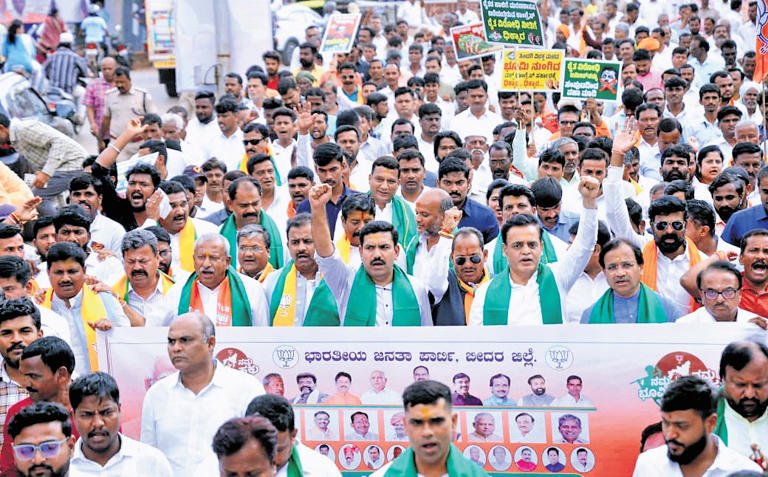
A rift within the Karnataka BJP has come to light, centering on disagreements between state president B.Y. Vijayendra and MLA Basanagouda Patil Yatnal. Yatnal, a seasoned politician known for his bold rhetoric, organized a protest in Bidar to address alleged encroachments on Waqf land. However, this protest raised eyebrows due to the unauthorized use of party symbols and images of BJP leaders, while conspicuously excluding Vijayendra.

The Bidar protest was widely seen as a challenge to Vijayendra’s authority, signaling deeper divisions within the state unit. Political analysts suggest that Yatnal’s actions may reflect a growing factionalism in the party, with certain leaders seeking to assert their influence at Vijayendra’s expense.

BJP’s Strategic Response: “Namma Bhoomi, Namma Hakku”

In response to the unrest, Vijayendra convened a high-level meeting with senior BJP leaders to devise a counter-strategy. The party announced a state-wide awareness campaign titled “Namma Bhoomi, Namma Hakku” (Our Land, Our Right). The initiative aims to draw attention to Waqf land encroachments and consolidate support for the BJP by appealing to concerns over land management and fairness.

The campaign is part of a broader strategy to address internal dissent, rebuild the party’s image, and counter the narratives presented by opposing factions. Vijayendra emphasized the importance of unity within the party, calling for a focus on the larger goal of reclaiming political dominance in Karnataka.

Congress Capitalizes on BJP’s Infighting

The Congress party has not missed the opportunity to exploit the BJP’s internal strife. Senior Congress leaders accused Yatnal of using the Waqf land issue as a tool to undermine Vijayendra and other prominent BJP figures. Congress also highlighted inconsistencies in the BJP’s stance, referencing a recommendation made by the Kumar Bangarappa committee during a previous BJP government to classify certain lands as Waqf properties.

By pointing out these contradictions, Congress has sought to discredit the BJP’s claims of prioritizing transparency and fairness in land management. The party is also leveraging the issue to strengthen its outreach to minority communities, positioning itself as a defender of equitable governance.

The Waqf Land Controversy: A Closer Look

Waqf lands are properties endowed for religious or charitable purposes in Islamic law. In Karnataka, controversies surrounding Waqf lands have persisted for years, often becoming flashpoints for political and communal tensions.

During his campaign in Bidar, Yatnal made inflammatory remarks, alleging that certain Muslim IAS officers had converted government lands into Waqf properties. He framed these actions as a threat to national integrity, drawing sharp criticism from political opponents and civil society groups.

Yatnal’s remarks have fueled debates about the politicization of Waqf properties and their implications for community relations. Critics argue that such statements could deepen communal divides and detract from efforts to find balanced solutions to complex land management challenges.

Public Reactions and Grassroots Impacts

The Waqf land protests in Bidar have elicited mixed reactions from the public. Supporters of Yatnal’s campaign view it as a necessary step to address longstanding grievances about land encroachments. Many see the issue as emblematic of larger concerns about governance, transparency, and community equity.

Conversely, critics have condemned the campaign for its divisive rhetoric, warning that it could exacerbate communal tensions. Civil society organizations have called for a more constructive approach to addressing Waqf land disputes, emphasizing the need for dialogue and legal recourse rather than public confrontations.

The Role of the Kumar Bangarappa Committee

The Waqf land issue in Karnataka cannot be fully understood without considering the findings of the Kumar Bangarappa committee, established during a previous BJP government. The committee was tasked with examining the management and classification of Waqf properties in the state.

One of its key recommendations was to classify certain disputed lands as Waqf properties, a proposal that sparked controversy and political backlash. While some saw the recommendation as a pragmatic solution to complex legal disputes, others criticized it as a concession to vested interests.

Yatnal’s recent actions appear to contradict the committee’s findings, further complicating the BJP’s position on the issue. This inconsistency has provided ammunition for opposition parties, particularly Congress, to question the BJP’s credibility and governance track record.

Implications for Upcoming Elections

The internal rift within the BJP and the controversies surrounding the Waqf land issue could have far-reaching implications for Karnataka’s political landscape. With elections on the horizon, the BJP faces the dual challenge of resolving internal disputes and countering opposition narratives.

Political analysts suggest that the “Namma Bhoomi, Namma Hakku” campaign could serve as a litmus test for the BJP’s ability to consolidate its base and reclaim lost ground. However, the party must tread carefully to avoid alienating key constituencies, particularly minority communities and undecided voters.

The Larger Context: Land Management and Governance

The Waqf land controversy underscores broader challenges in land management and governance in Karnataka. Issues such as encroachments, lack of transparency, and political interference have long plagued the state’s land administration.

Addressing these challenges requires a multi-pronged approach that includes:

  • Strengthening Institutional Mechanisms: Enhancing the capacity of agencies responsible for land management, including the Karnataka State Waqf Board, to ensure transparency and accountability.
  • Promoting Legal Reforms: Revisiting outdated laws and regulations governing land ownership and management to address emerging challenges.
  • Fostering Community Dialogue: Encouraging constructive engagement among stakeholders to find equitable solutions to land disputes.

Navigating a Complex Political Terrain

The ongoing tensions within the Karnataka BJP over the Waqf land issue highlight the complexities of the state’s political dynamics. As leaders like Vijayendra and Yatnal vie for influence, the party must grapple with internal dissent, external criticism, and the challenges of governing a diverse and dynamic state.

For voters, the controversy serves as a reminder of the importance of accountability, transparency, and inclusivity in governance. As Karnataka prepares for the next electoral cycle, the outcomes of these developments will undoubtedly shape the state’s political trajectory and its vision for the future.

Ultimately, how the BJP navigates this crisis—and how its rivals capitalize on it—will determine the course of Karnataka’s political landscape in the months and years to come.

Uttar Pradesh CM Yogi Adityanath Prepares Prayagraj for Mahakumbh-2025-A Transformative Initiative

0

The Mahakumbh-2025, a confluence of spirituality, tradition, and human congregation, is set to begin on January 13, 2025, with the auspicious Paush Purnima bathing festival. As one of the largest religious gatherings globally, this event is a logistical marvel, anticipated to attract approximately 40 crore devotees from across the world. In preparation for this massive influx, Uttar Pradesh Chief Minister Yogi Adityanath will visit Prayagraj on December 7, 2024. His visit aims to oversee the progress of critical infrastructure projects, inaugurate key facilities, and address stakeholders to ensure seamless execution of this monumental event.

The preparations for Mahakumbh-2025 have triggered an unprecedented transformation in Prayagraj’s urban and rural landscapes, with a strong focus on infrastructure, safety, and visitor convenience. CM Yogi’s visit marks a pivotal moment in these preparations, as he inspects and inaugurates projects that are vital to accommodating the millions of pilgrims expected in the city.

Key Projects to Be Inaugurated

During his visit, CM Yogi will inaugurate several vital projects designed to address the unique demands of an event of such scale.

Central Hospital

The newly constructed Central Hospital stands as a beacon of healthcare readiness, ensuring that emergency medical services are available at a moment’s notice. Equipped with state-of-the-art technology and staffed with skilled professionals, the hospital will cater to medical emergencies arising from overcrowding, fatigue, or other health issues. This initiative underscores the government’s commitment to safeguarding the well-being of pilgrims.

Khoya-Paya Kendra (Lost and Found Centre)

The innovative Khoya-Paya Kendra is a testament to the integration of technology into crowd management. With 328 AI-enabled cameras and advanced facial recognition software, this center aims to reunite lost individuals with their families efficiently. By leveraging social media platforms for real-time updates, the system ensures swift communication, enabling the identification of missing persons among millions of attendees. This initiative is particularly critical for vulnerable groups, including children and the elderly, offering them a safety net amidst the vast gathering.

Public Accommodation Centre in Tent City

To address lodging needs, a dedicated Public Accommodation Centre has been established in Sector-1 of the tent city. This facility provides pilgrims with temporary yet comfortable housing options, ensuring a pleasant stay during their spiritual journey.

Sanitation and Safety Equipment

With a focus on cleanliness and safety, the government has allocated over ₹400 crore for advanced sanitation and firefighting equipment. These resources are vital for maintaining hygiene and mitigating risks in a densely populated environment.

Inspection of Critical Infrastructure Projects

Beyond inaugurations, CM Yogi will inspect several ongoing projects pivotal to the Mahakumbh’s success.

Six-Lane Ganga Bridge

The construction of a six-lane bridge over the Ganga River is a cornerstone of the connectivity plan. This project aims to alleviate congestion and streamline access to the Sangam area, facilitating smoother transportation for pilgrims.

Alopibagh Flyover

Designed to enhance urban mobility, the Alopibagh flyover will connect key routes, ensuring uninterrupted traffic flow and reducing bottlenecks during peak hours.

Road Widening and Beautification

Major roads leading to Sangam, such as Triveni Road and Lal Sadak, are undergoing widening and beautification. These projects include the installation of interlocking footpaths, landscaping, and proper signage, creating a visually appealing and functional environment for visitors.

Challenges in Timely Completion

While the infrastructure upgrades are ambitious, they face several challenges:

  • Land Acquisition Delays: Negotiations and legal clearances for land acquisition often slow project timelines.
  • Budget Constraints: Unforeseen expenses and inflation can lead to cost overruns, impacting the scope of projects.
  • Design Complexities: Modern infrastructure requires intricate designs, which can lead to mid-project modifications and delays.
  • Labor Shortages: A scarcity of skilled labor has hindered progress, particularly in specialized construction areas.
  • Regulatory Hurdles: Lengthy approval processes for environmental and safety clearances can further stall projects.

Addressing these challenges requires effective planning, robust project management, and coordination among stakeholders.

Advanced Safety Measures

Ensuring the safety of millions of attendees is a monumental task, and the Prayagraj Mela Authority is employing cutting-edge technology and meticulous planning to achieve this goal.

AI-Driven Surveillance Systems

Facial recognition cameras and AI-enabled CCTV systems will monitor the event area. These technologies will help identify potential threats and manage crowd movements, enhancing overall security.

Integrated Command and Control Centre (ICCC)

The ICCC will serve as the nerve center for security and logistics during the Mahakumbh. Equipped with real-time video analytics, automatic number plate recognition, and variable message displays, the center will facilitate efficient crowd management and rapid response to emergencies.

Medical and Emergency Services

Multiple medical camps and emergency response teams will be deployed across the Mela area. These facilities will provide immediate care and specialized treatment for health crises, ensuring that pilgrims receive prompt assistance.

Fire Safety Protocols

Modern firefighting equipment and trained personnel will be stationed at strategic locations to address fire hazards effectively. Evacuation plans have been integrated into the design of ghats to ensure safety during emergencies.

Transforming Prayagraj: Long-Term Benefits

The preparations for Mahakumbh-2025 are not limited to short-term goals. They are part of a broader vision to transform Prayagraj into a model city.

Road Infrastructure Upgrades

The ongoing road widening and beautification projects will have lasting benefits, improving traffic flow and accessibility even after the event. Interlocking footpaths and signage systems will enhance pedestrian safety and convenience.

Riverfront Development

The construction of the Riverfront Road in Daraganj, connecting Prayagraj Junction to Sangam, is a significant step toward improving connectivity while preserving the city’s cultural heritage.

Economic Boost

The Mahakumbh is expected to generate substantial economic activity, benefiting local businesses, vendors, and tourism. The demand for goods, services, and temporary employment opportunities will provide a significant boost to Prayagraj’s economy.

Cultural and Religious Significance

The Mahakumbh is not merely an event; it is a spiritual phenomenon deeply rooted in Indian culture and tradition. The gathering symbolizes unity, faith, and devotion, attracting people from diverse backgrounds to seek blessings and immerse themselves in the sanctity of the Sangam—the confluence of the Ganga, Yamuna, and Saraswati rivers.

A Global Showcase of Indian Heritage

Mahakumbh-2025 offers a platform to showcase India’s rich cultural and spiritual heritage to the world. The event draws international tourists, scholars, and media, highlighting the country’s unique blend of tradition and modernity.

Countdown to Mahakumbh-2025

As the clock ticks closer to January 13, 2025, the Uttar Pradesh government’s efforts to prepare Prayagraj for the Mahakumbh are reaching a crescendo. CM Yogi Adityanath’s visit on December 7 will mark a critical juncture, reflecting the state’s commitment to delivering an event that is safe, organized, and spiritually enriching for all attendees.

With its blend of meticulous planning, advanced technology, and cultural reverence, Mahakumbh-2025 is poised to be a milestone in India’s journey of preserving its heritage while embracing progress.

Devendra Fadnavis From Local Politician to Maharashtra’s Powerhouse Leader

0

Devendra Fadnavis, a name that has become synonymous with political resilience and strategic acumen in Maharashtra, embodies the journey of a leader who rose from grassroots politics to become one of the state’s most influential figures. From his early days as a councillor in Nagpur to being the youngest mayor of the city, and eventually serving two terms as Chief Minister of Maharashtra, Fadnavis’s career is a testament to his determination, adaptability, and leadership in challenging political landscapes.


Early Life and Education: Foundations of Leadership

Born on July 22, 1970, in Nagpur, Maharashtra, Devendra Gangadharrao Fadnavis grew up in a politically active family. His father, Gangadharrao Fadnavis, was a member of the Maharashtra Legislative Council, while his mother, Sarita Fadnavis, was a homemaker with strong cultural roots. This environment shaped Devendra’s early interest in public service and politics.

Fadnavis attended Saraswati Vidyalaya in Nagpur, where he displayed an early aptitude for academics and leadership. He pursued a law degree at Government Law College, Nagpur, building a strong foundation in legal and administrative principles. Not one to stop there, he further honed his skills with a postgraduate degree in Business Management and a diploma in Project Management from DSE Berlin, equipping himself with a global perspective on governance and development.


Political Beginnings: The Young Leader in Nagpur

Devendra Fadnavis’s formal entry into politics came in 1992, when he was elected as a councillor in the Nagpur Municipal Corporation. At the age of 27, he achieved a significant milestone, becoming Nagpur’s youngest mayor in 1997. This early success highlighted his leadership qualities and earned him recognition within the Bharatiya Janata Party (BJP), where he quickly became a rising star.

As mayor, Fadnavis introduced several initiatives aimed at urban development and efficient governance, showcasing his commitment to addressing the needs of the common citizen. His work in Nagpur laid the groundwork for his future political ascent, as he became known for his ability to execute development-oriented policies while maintaining transparency and accountability.


The 2014 Landmark: Becoming Maharashtra’s Chief Minister

Fadnavis’s political career reached new heights in 2014, when the BJP emerged victorious in the Maharashtra Assembly elections. With the party securing a decisive mandate, Fadnavis was sworn in as the Chief Minister of Maharashtra on October 31, 2014, becoming the second-youngest person to hold the position in the state’s history.

Achievements as Chief Minister

Fadnavis’s tenure as Chief Minister was marked by several transformative initiatives:

  1. Jalyukt Shivar Abhiyan
    One of his flagship programs, the Jalyukt Shivar Abhiyan, aimed to make Maharashtra drought-free by improving water conservation through small-scale irrigation and groundwater recharge projects. This initiative benefitted thousands of farmers, particularly in the state’s drought-prone regions.
  2. Infrastructure Development
    Under Fadnavis’s leadership, Maharashtra saw rapid expansion in urban infrastructure. Projects like the Mumbai Metro, Nagpur Metro, and Mumbai-Nagpur Expressway (Samruddhi Mahamarg) were initiated to modernize the state’s transport systems and boost economic activity.
  3. Ease of Doing Business
    Recognizing the importance of industrial growth, Fadnavis focused on improving Maharashtra’s ease-of-doing-business rankings. His administration streamlined regulatory approvals and attracted significant investments, cementing the state’s position as a leading industrial hub.
  4. Digital Maharashtra
    Fadnavis emphasized the use of technology to improve governance. Initiatives like Aaple Sarkar, an online platform for citizen services, were launched to enhance transparency and efficiency.

Challenges During His Tenure

Despite his achievements, Fadnavis’s administration faced several challenges. Farmer distress and agrarian crises remained persistent issues, with critics arguing that the government’s measures fell short of addressing the root causes of rural poverty. Additionally, his handling of drought relief efforts drew mixed reviews, as some areas saw delayed responses to water scarcity.

Nevertheless, Fadnavis’s ability to lead Maharashtra through these challenges underscored his resilience as a leader.

2019 Elections: A Tumultuous Period

The 2019 Maharashtra Assembly elections marked a turning point in Fadnavis’s career. Although the BJP emerged as the single largest party, its alliance with the Shiv Sena fractured over power-sharing disagreements. In a dramatic sequence of events, Fadnavis briefly returned as Chief Minister but resigned after just five days when the Shiv Sena-NCP-Congress coalition formed the government.

This political setback was accompanied by public ridicule of his earlier campaign slogan, “Mi Punha Yaeel” (“I Will Return”). Despite this, Fadnavis maintained a strong presence in state politics, working diligently to strengthen the BJP’s position and navigate the complexities of opposition alliances.

The Resilient Leader: Deputy Chief Minister in 2022

In June 2022, Fadnavis demonstrated his political maturity by accepting the role of Deputy Chief Minister under Chief Minister Eknath Shinde, following a BJP-backed realignment in the state government. This decision showcased his ability to prioritize party interests over personal ambition, reinforcing his reputation as a team player.

During his tenure as Deputy Chief Minister, Fadnavis continued to focus on development-oriented policies while playing a key role in stabilizing the coalition government. His ability to manage alliances and navigate political challenges further solidified his standing as a seasoned leader.

December 2024: The Return to Power

The 2024 Maharashtra Assembly elections proved to be a defining moment for Devendra Fadnavis. The BJP-led Mahayuti alliance achieved a sweeping victory, paving the way for his return as Chief Minister. On December 4, 2024, Fadnavis was sworn in, marking a new chapter in his political journey.

The Significance of His Comeback

Fadnavis’s return was celebrated across Maharashtra, particularly in his hometown of Nagpur. Billboards proclaiming “Mi Punha Yaeel” adorned the city, signaling the culmination of his promise to return. His comeback reflects not only his personal resilience but also his ability to adapt to changing political dynamics and reassert his influence.

A Vision for Maharashtra’s Future

As he begins his second term, Fadnavis is expected to focus on a range of priorities, including:

  1. Agriculture and Rural Development
    Addressing farmer distress and ensuring sustainable rural development will likely be at the forefront of his agenda.
  2. Economic Growth and Job Creation
    Fadnavis aims to attract more investments and boost industrial growth, creating opportunities for employment and economic advancement.
  3. Infrastructure Expansion
    The continuation of mega projects like the Samruddhi Mahamarg and urban metro systems will remain key to his vision for modernizing Maharashtra.
  4. Climate Resilience
    With climate change posing significant challenges, Fadnavis is expected to prioritize policies that enhance environmental sustainability and disaster preparedness.
  5. Social Welfare
    Strengthening healthcare, education, and social welfare programs will be crucial in ensuring inclusive development.

 A Legacy in the Making

Devendra Fadnavis’s journey from a young councillor in Nagpur to a two-time Chief Minister of Maharashtra exemplifies the qualities of a visionary leader. His focus on development, ability to navigate political challenges, and commitment to public service have cemented his place in Maharashtra’s political history.

As he embarks on his second term, Fadnavis faces the dual challenge of addressing pressing issues while delivering on the promise of a brighter future for Maharashtra. His story is not just one of political success but also of perseverance and adaptability in the face of adversity, making him a true powerhouse in Indian politics.

Ensuring Healthy Vitamin D Levels During Winter- Strategies and Importance

0

As the days grow shorter and sunlight becomes scarce, maintaining adequate vitamin D levels becomes a health priority. Known as the “sunshine vitamin,” vitamin D is vital for bone strength, immune function, and mental well-being. In winter, low sunlight can lead to deficiencies, making it essential to adopt strategies that ensure sufficient intake. This article explores the importance of vitamin D, how to maintain its levels, and potential challenges during the colder months.


Understanding Vitamin D and Its Importance

Vitamin D is a fat-soluble vitamin that supports calcium absorption, promoting bone density and preventing conditions like osteoporosis. Beyond bones, vitamin D strengthens the immune system, reducing susceptibility to infections and chronic illnesses. It also influences mood regulation by affecting serotonin production, which is particularly relevant during Seasonal Affective Disorder (SAD).

The Challenge of Winter and Low Sunlight Conditions

In winter, sunlight exposure diminishes due to shorter days, increased indoor living, and the need to bundle up against the cold. Since ultraviolet B (UVB) rays are necessary for the skin to produce vitamin D, this reduction can lead to lower levels of the vitamin. Without adequate strategies, individuals are at risk of developing deficiencies, particularly those in higher latitudes or with darker skin tones, as they require more UVB exposure to synthesize the same amount of vitamin D.


Dietary Sources: The Foundation of Vitamin D Intake

Diet is a reliable way to maintain vitamin D levels during winter when sunlight is limited. Incorporating vitamin D-rich foods into daily meals can significantly boost intake.

  1. Fatty Fish
    • Options such as salmon, mackerel, sardines, and trout are excellent sources.
    • A single serving of cooked salmon (about 100 grams) can provide up to 600–1000 IU of vitamin D.
  2. Fortified Foods
    • Many dairy products (milk, yogurt) and plant-based alternatives (soy, almond, and oat milk) are fortified with vitamin D.
    • Breakfast cereals often include added vitamin D, making them a convenient option.
  3. Egg Yolks and Mushrooms
    • Egg yolks contain small amounts of vitamin D, especially when sourced from free-range hens exposed to sunlight.
    • Mushrooms, particularly those exposed to UV light, are plant-based sources of vitamin D.
  4. Liver
    • Beef liver is nutrient-dense and contains vitamin D. However, it should be consumed in moderation due to high levels of vitamin A, which can be toxic in excess.

Maximizing Sunlight Exposure During Winter

While UVB rays are less potent in winter, strategic exposure to sunlight can still help:

  1. Timing Matters
    • Aim for sunlight exposure during midday when UVB rays are strongest.
    • Spending 15–20 minutes outdoors, several times a week, with uncovered face and hands can be beneficial.
  2. Outdoor Activities
    • Engage in outdoor activities such as brisk walks or winter sports to combine exercise with sunlight exposure.
    • Even on overcast days, some UVB rays can penetrate the clouds.
  3. Limitations of Indoor Living
    • UVB rays cannot penetrate glass, so sitting by a window won’t suffice. Make a habit of stepping outside regularly.

Supplementation: A Reliable Backup

For many, especially those with limited sun exposure, supplementation is a practical solution:

  1. Daily Vitamin D Intake
    • General guidelines recommend at least 10 micrograms (400 IU) daily during winter.
    • Higher doses, such as 2000–5000 IU, may be necessary for individuals at risk of deficiency, such as older adults, those with darker skin, or individuals with absorption issues.
  2. Consultation and Monitoring
    • Always consult a healthcare provider before starting supplements to determine the appropriate dosage.
    • Over-supplementation can lead to toxicity, causing symptoms like nausea, kidney stones, or hypercalcemia.

The Role of Light Therapy

Light therapy boxes are a popular remedy for SAD but have limited impact on vitamin D levels.

  1. Benefits for Mood
    • Exposure to bright artificial light can alleviate symptoms of depression and improve energy levels during the darker months.
  2. Limitations for Vitamin D
    • Light therapy boxes emit visible light, not UVB rays, which are essential for vitamin D synthesis.
    • They are a supplementary tool for well-being rather than a replacement for vitamin D sources.

Monitoring Vitamin D Levels

Regular testing can help tailor strategies to individual needs:

  1. Blood Tests
    • A blood test measuring 25-hydroxyvitamin D levels provides an accurate picture of vitamin D status.
    • Ideal levels typically range between 30–50 ng/mL.
  2. Risk Factors for Deficiency
    • Groups at higher risk include older adults, people with obesity, and those with malabsorption syndromes (e.g., celiac or Crohn’s disease).

Potential Challenges and Misconceptions

  1. Vitamin D Toxicity
    • Over-supplementation can lead to adverse effects. Stick to recommended doses and consult a healthcare provider.
  2. Misjudging Sunlight Exposure
    • Many underestimate the time needed for effective sunlight exposure, especially in winter.
    • Wearing sunscreen blocks UVB rays, which is crucial for preventing skin damage in summer but may hinder vitamin D synthesis in low-light months.
  3. Overreliance on Diet Alone
    • While diet helps, it is unlikely to meet all vitamin D needs, especially in individuals with higher requirements.

The Global Perspective on Vitamin D Deficiency

Vitamin D deficiency is a global issue, affecting over 1 billion people worldwide. Regions with limited sunlight, such as Northern Europe, face higher rates of deficiency during winter. Public health initiatives, such as fortifying foods and raising awareness about supplementation, have helped mitigate the problem in some areas.

India, despite its sunny climate, reports significant vitamin D deficiency due to indoor lifestyles and cultural factors limiting sun exposure. Similar trends are observed in the Middle East, where conservative clothing reduces UVB exposure.


Strategies for Special Populations

  1. Children and Adolescents
    • Encourage outdoor play and provide fortified foods.
    • Pediatric supplements, often in chewable or liquid form, can address specific needs.
  2. Older Adults
    • Aging reduces the skin’s ability to synthesize vitamin D.
    • Supplements, combined with moderate outdoor activity, can help maintain levels.
  3. Pregnant and Lactating Women
    • Vitamin D is crucial for fetal bone development and maternal health.
    • Healthcare providers may recommend higher doses during pregnancy and breastfeeding.

 A Comprehensive Approach to Vitamin D Health

Maintaining healthy vitamin D levels during winter requires a multifaceted approach, combining diet, sunlight exposure, supplementation, and regular monitoring. As awareness of vitamin D’s role in overall health grows, individuals are better equipped to navigate seasonal challenges.

By adopting these strategies, we can ensure not only bone and immune health but also enhance mood and energy levels, enabling us to thrive during the colder, darker months.

India’s GDP Growth Slows to 5.4%: Key Insights and Implications

0

India’s GDP growth fell to 5.4% in the July-September quarter of 2024, marking a seven-quarter low. This decline follows 6.7% growth in the previous quarter and 8.1% during the same period in 2023, raising concerns about the trajectory of Asia’s third-largest economy. The slowdown has brought a mix of challenges and opportunities for policymakers, industries, and investors.

 Factors Contributing to the Slowdown

1. Weak Manufacturing Sector Performance

The manufacturing sector, a cornerstone of India’s economy, recorded only 2.2% growth, significantly down from 7% in the previous quarter and a remarkable 14.3% a year ago. Analysts attribute this decline to several factors:

  • Rising Input Costs: High prices for raw materials and energy have eroded profit margins.
  • Reduced Consumer Demand: Sluggish urban spending and cautious rural consumption have dented manufacturing output.
  • Global Supply Chain Issues: Lingering disruptions from geopolitical tensions and post-pandemic recovery have affected production schedules.

2. Contraction in Mining and Quarrying

The mining sector, which posted a robust 7.2% growth in the April-June quarter, shrank by 0.1% in the July-September period.

  • Adverse Weather: Extended rainfall during the monsoon disrupted mining activities.
  • Global Commodity Prices: Fluctuations in demand for key exports like coal and iron ore added to the challenges.

3. Moderation in Investment Demand

A decline in investment demand, traditionally a driver of economic growth, has raised concerns.

  • Government Capital Expenditure: Reduced spending by 15% in the first half of FY25 compared to FY24 exacerbated the slowdown.
  • Private Sector Hesitation: High borrowing costs and global uncertainties have discouraged private investments.

Sectoral Bright Spots Amid the Slowdown

Despite the overarching economic challenges, some sectors showed resilience:

Agriculture

Agriculture grew by 3.5%, benefiting from favorable monsoon conditions. The sector remains a vital support for rural livelihoods and demand.

Construction

The construction industry posted a steady 7.7% growth. Government infrastructure projects and urban housing demand continue to support this sector.

Information Technology (IT)

Driven by increased digital adoption and export demand, IT companies have maintained strong growth.

Pharmaceuticals

With expanding capacities post-pandemic and rising healthcare needs, the pharmaceutical sector is poised for sustained growth.

Implications for the Indian Economy

1. Policy Adjustments by the RBI

The slowdown could push the Reserve Bank of India (RBI) toward accommodative measures to stimulate growth.

  • Interest Rates: While a rate cut appears unlikely due to persistent inflation (currently at 6.2%), a reduction in the Cash Reserve Ratio (CRR) to boost liquidity is being considered.
  • Targeted Support: Sectors like manufacturing and MSMEs may benefit from credit schemes.

2. Fiscal Measures

The government may need to step up capital expenditure in infrastructure and social programs to offset the private sector’s hesitancy.

3. Job Market Challenges

The slowdown in manufacturing and investment has implications for job creation, especially in labor-intensive industries like textiles and automotive. Addressing skill gaps and promoting employment in resilient sectors will be critical.

Future Growth Prospects

Revised Growth Projections

The disappointing GDP numbers have led to downward revisions in growth forecasts for FY25:

  • S&P Global: Reduced estimates to 6.7% for FY26 and 6.8% for FY27.
  • Analysts’ Consensus: Growth may average between 6.5% and 6.8% for FY25, contingent on policy interventions.

Drivers of Recovery

Economists see potential for a rebound in the second half of FY25:

  • Public Spending: Increased government expenditure, particularly in infrastructure, could stimulate economic activity.
  • Rural Demand Recovery: A strong kharif harvest may boost rural consumption.
  • Global Trade Stabilization: Easing of geopolitical tensions could revive export demand.

Strategic Insights for Key Stakeholders

Businesses

  • Diversification: Companies should explore emerging sectors like renewable energy and digital services to mitigate risks.
  • Cost Optimization: Adopting efficient technologies and practices can offset rising input costs.

Investors

  • Sectoral Opportunities: Pharmaceuticals, IT, and infrastructure remain attractive for long-term investments.
  • Risk Management: Diversifying portfolios across defensive and high-growth sectors can reduce volatility exposure.

Policymakers

  • Regulatory Reforms: Simplifying tax structures and reducing red tape can support business growth.
  • Skilling Initiatives: Bridging the gap between workforce capabilities and industry requirements is crucial for sustained industrial growth.

Global Perspective

India’s slowdown is reflective of broader global challenges, including inflationary pressures, energy crises, and geopolitical uncertainties. As a major emerging market, India’s growth trajectory will have significant implications for global trade and investment flows.

Social Impact

The slowdown could exacerbate income inequality, particularly if job creation remains sluggish. Strengthening social safety nets and improving access to education and healthcare will be critical to maintaining social stability.

India’s GDP slowdown to 5.4% in Q2 2024 highlights the complex interplay of domestic and global economic challenges. While the deceleration raises immediate concerns, the resilience of certain sectors and targeted policy measures provide avenues for recovery. By prioritizing structural reforms, fostering innovation, and investing in human capital, India can navigate this challenging phase and chart a path toward sustainable growth in the years ahead.

Sector Key Trends Recent Performance
Healthcare Inelastic demand; essential services Strong during downturns
Information Technology Growth in digital services and cybersecurity Resilient performance
Real Estate Demand for specific REITs; 5G rollout High returns over recent years
Consumer Staples Essential goods remain in demand Consistent performance
Automobile Recovery driven by income growth and urbanization Positive outlook
Pharmaceuticals Expansion post-pandemic; increasing healthcare needs Expected growth
Infrastructure Government focus on development Promising potential

Avadh Ojha Joins Aam Aadmi Party Ahead of 2025 Delhi Assembly Elections: A Journey from Educator to Politician

0

Avadh Ojha, widely known as “Ojha Sir,” has become a familiar name among students and educators across India, thanks to his role as a motivational speaker and online educator. His recent entry into politics as a member of the Aam Aadmi Party (AAP) marks a new chapter in his professional journey. Ojha’s decision to join AAP ahead of the 2025 Delhi Assembly elections signals his ambition to bring educational reforms to the forefront of political discourse.

This article explores the personal, professional, and political journey of Avadh Ojha, his motivations for joining AAP, and his potential impact on the upcoming elections.

Personal Background

Born in Gonda, Uttar Pradesh, Avadh Ojha comes from a humble background that shaped his deep understanding of the challenges faced by students in rural India. Ojha credits his upbringing in a small town for instilling in him a passion for education and self-improvement.

Ojha’s early life was marked by struggles, particularly in accessing quality educational resources. These challenges motivated him to pursue excellence in his studies and later inspired him to help others overcome similar obstacles. A firm believer in hard work and perseverance, Ojha often shares anecdotes from his life during his motivational talks, connecting with millions of students across India.

Ojha is also a family man, often emphasizing the importance of family values in his speeches. He frequently attributes his success to the unwavering support of his parents and siblings.

Professional Journey

Motivational Speaker and Online Educator

Avadh Ojha gained prominence as a motivational speaker and educator, especially through his work in online coaching. His unique teaching style, which combines humor, relatability, and deep insights, has resonated with students preparing for competitive exams such as the UPSC Civil Services Examination.

Ojha’s online coaching platform has attracted a massive following on platforms like YouTube and Instagram, where he regularly uploads educational videos, motivational speeches, and practical advice for aspirants. His candid approach, often addressing the struggles of rural and underprivileged students, has earned him a reputation as a mentor who genuinely cares about his audience.

Commitment to Educational Development

Ojha’s professional endeavors have always centered around the idea that education is the foundation of a prosperous nation. He has consistently advocated for reforms in the Indian education system, emphasizing equitable access, innovative teaching methods, and the need to integrate technology into learning.

Ojha’s initiatives include organizing free online classes for underprivileged students, providing career guidance, and encouraging holistic development among youth. His focus on education as a tool for social transformation laid the groundwork for his eventual entry into politics.

Political Journey

Early Aspirations in Politics

Avadh Ojha’s political aspirations began to take shape over the last decade. His growing popularity as an educator and influencer led him to believe that he could leverage his platform to bring about meaningful change in society.

Ojha initially sought political opportunities with the Bharatiya Janata Party (BJP) and the Indian National Congress (INC):

  1. BJP Connection: Ojha reportedly sought a BJP ticket for the 2024 Lok Sabha elections, aspiring to contest from a seat in Uttar Pradesh. However, his bid was unsuccessful, possibly due to the high level of competition and internal party dynamics.
  2. Congress Aspirations: Following his rejection by the BJP, Ojha approached the Congress party, aiming to secure a nomination to run against Smriti Irani in Amethi. Despite his enthusiasm and growing public recognition, Congress also declined to endorse him.

Ojha has publicly acknowledged his frustration with the traditional political system, which he believes prioritizes established power structures over merit and fresh perspectives.

Joining the Aam Aadmi Party

After facing setbacks with BJP and Congress, Ojha turned to the Aam Aadmi Party, a political organization known for its focus on education, healthcare, and governance reforms. He officially joined the party in late 2024, just months before the Delhi Assembly elections scheduled for 2025.

In his statement about joining AAP, Ojha expressed his admiration for the party’s commitment to educational reform, a cause that aligns perfectly with his lifelong mission. “The biggest reason for joining AAP was the assurance given to me that we will work on education,” Ojha stated, highlighting his confidence in the party’s vision for transforming India’s education system.

Political Strategy and Future Aspirations

Upcoming Role in Delhi Elections

As a new member of AAP, Ojha is expected to play a key role in the party’s campaign for the 2025 Delhi Assembly elections. Political analysts speculate that he may contest from the Patparganj constituency, a critical seat currently represented by senior AAP leader Manish Sisodia.

Ojha’s involvement is seen as a strategic move to strengthen AAP’s educational agenda. His background as an educator and influencer is likely to attract young voters, parents, and education-focused stakeholders who resonate with his message of reform.

Long-Term Vision

Ojha’s entry into AAP also signifies a broader ambition to influence national policy on education. While his immediate focus is on contributing to AAP’s success in Delhi, he has hinted at aspirations to bring systemic changes at the national level. Ojha envisions a future where education becomes the central pillar of India’s development strategy, with increased funding, innovative teaching methods, and equitable access for all.

Challenges and Criticisms

Ojha’s decision to join AAP has not been without controversy. Critics have questioned his sudden shift from being an educator to a politician, with some accusing him of opportunism. Others have pointed out his earlier attempts to join BJP and Congress, suggesting that his alignment with AAP may be driven more by political convenience than ideological commitment.

Ojha has responded to these criticisms by emphasizing his unwavering focus on education. He argues that his primary goal has always been to improve India’s educational landscape, and he sees AAP as the most suitable platform to achieve this vision.

Public and Political Reactions

Support from Followers

Ojha’s followers have largely welcomed his decision to enter politics, expressing hope that his expertise in education will lead to meaningful reforms. Social media platforms have been flooded with messages of encouragement, with many calling him a “teacher-turned-reformer” who can bridge the gap between policy and practice.

Reactions from Other Parties

Rival political parties, including BJP and Congress, have remained relatively silent about Ojha’s move to AAP. However, political insiders suggest that his departure from BJP and Congress circles reflects growing dissatisfaction among grassroots leaders with traditional party structures.

Avadh Ojha’s transition from educator to politician represents a significant development in the Indian political landscape. His decision to join the Aam Aadmi Party is not just a personal milestone but also a strategic move that highlights the growing importance of education in electoral politics.

As Delhi gears up for the 2025 Assembly elections, Ojha’s role in AAP’s campaign will be closely watched. Whether he can successfully translate his vision for educational reform into tangible political achievements remains to be seen. However, his journey thus far reflects a deep commitment to societal progress and a willingness to adapt in pursuit of his goals.