

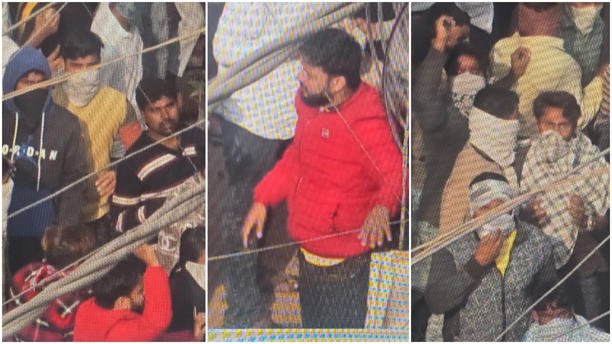
Police in Sambhal, Uttar Pradesh, have released photographs of individuals suspected to be involved in the violent clashes that erupted on 24 November 2024, during a protest against a court-ordered survey of the Shahi Jama Masjid. The unrest, which left four people dead and many injured, has prompted authorities to seek public assistance in identifying suspects. So far, 27 arrests have been made, including three minors and prominent political figures such as Samajwadi Party MP Zia-ur-Rehman Barq and Sohail Iqbal, the son of a local MLA, both accused of inciting the violence. To encourage further identification, police plan to display posters of over 100 suspects at key locations in Sambhal. In response to the violence, the Yogi Adityanath government has implemented measures to recover damages from rioters, including financial penalties and public awareness initiatives. The clashes began when around 800 protesters gathered to oppose the mosque survey, which had been ordered following claims that the mosque was built on a demolished temple site. The protest escalated into violence, with reports of stone-pelting and attacks on law enforcement. Despite the unrest, local life is gradually returning to normal, with schools reopening and businesses resuming operations, though a heightened police presence remains in sensitive areas. Authorities continue their investigation, having filed multiple FIRs against named individuals and over 2,500 unidentified suspects, urging the public to restore peace by providing relevant information.
The Positive Path: Embracing Optimism for a Brighter Tomorrow

Adopting a positive path can serve as a beacon of hope and a source of strength in a world often dominated by challenges, uncertainties, and rapid change. Pursuing a positive path is not about ignoring life’s difficulties but cultivating resilience, optimism, and a proactive mindset to navigate them. This philosophy has profound implications for individual well-being and society at large, as it fosters growth, harmony, and innovation.
The Foundations of Positivity
- Optimism: viewing challenges as opportunities and believing in the potential for better outcomes.
- Resilience: Building the emotional strength to recover and learn from setbacks.
- Gratitude: recognizing and appreciating the good in life, no matter how small.
- Purpose: Aligning actions with values and long-term goals to create meaning.
When integrated into daily life, these principles can transform how individuals and communities face adversity.
The Science of Positivity
Scientific research underscores the benefits of maintaining a positive outlook. Studies in psychology and neuroscience reveal that optimism can lead to better mental health, stronger relationships, and even physical well-being. Positive emotions like joy, hope, and compassion have enhanced problem-solving skills, creativity, and decision-making.
For instance, the “broaden-and-build” theory by psychologist Barbara Fredrickson suggests that positive emotions expand our awareness and encourage us to think more broadly and creatively. Over time, this broader perspective helps individuals build emotional, intellectual, and social resources that can be drawn upon in times of need.
Adopting a Positive Path in Daily Life
- Mindfulness and Self-Awareness:
Practising mindfulness allows individuals to remain present, appreciate the moment, and respond thoughtfully rather than react impulsively. Self-awareness helps identify negative thought patterns, enabling a shift toward constructive thinking. - Setting Goals:
Clear, achievable goals provide direction and purpose. Individuals can channel their energy into meaningful pursuits rather than dwelling on uncertainties by focusing on what can be controlled. - Practising Gratitude:
Daily gratitude exercises, such as journaling or expressing appreciation to others, can significantly enhance one’s outlook on life. - Building a Support Network:
Surrounding oneself with positive influences—friends, family, or mentors—creates a nurturing environment that fosters growth and resilience. - Contributing to Others:
Acts of kindness, volunteering, or mentoring not only uplift others but also reinforce a sense of community and purpose in the giver.
The Role of Positivity in Leadership
Leaders who adopt a positive path inspire others to excel and innovate. Positive leaders cultivate environments where individuals feel valued and motivated by focusing on strengths rather than weaknesses. This approach has been proven effective in various fields, from business to education.
Consider companies that prioritize employee well-being and foster a culture of positivity. These organizations often report higher productivity, lower turnover rates, and greater overall satisfaction. Similarly, educators who encourage students through positive reinforcement create classrooms where curiosity and creativity thrive.
Overcoming Obstacles on the Positive Path
Pursuing a positive path does not mean avoiding problems; rather, it involves facing challenges with determination and an open mind. Here are ways to overcome common obstacles:
- Dealing with Negativity:
Negative emotions and experiences are inevitable. Instead of suppressing them, acknowledging and processing these feelings can lead to growth. - Managing Stress:
Stress is a natural part of life, but techniques like deep breathing, physical activity, and time management can help mitigate its effects. - Addressing Failure:
Failure is often seen as a setback, but it can be reframed as a valuable learning experience. Adopting a growth mindset ensures that mistakes are stepping stones to improvement. - Navigating toxic environments:
Focusing on personal values and boundaries can provide clarity and strength in situations where negativity is pervasive.
The Ripple Effect of Positivity
The benefits of a positive path extend beyond the individual, influencing families, workplaces, and communities. For example:
- In Families:
A positive household environment fosters trust, communication, and resilience among members. Parents who model optimism and problem-solving skills instil these traits in their children. - In Workplaces:
A culture of positivity enhances collaboration and innovation. Teams that focus on solutions rather than problems are more likely to succeed. - In Communities:
Acts of positivity—whether through service, advocacy, or simple gestures of kindness—build stronger, more connected communities.
Stories of the Positive Path
Throughout history, individuals and movements have embodied the principles of a positive path, transforming lives and societies:
- Mahatma Gandhi:
Gandhi’s philosophy of nonviolence and truth demonstrated how positivity could lead to profound social change. His unwavering belief in justice inspired millions during India’s struggle for independence. - Malala Yousafzai:
Despite facing violence and oppression, Malala’s commitment to education and empowerment showcases how positivity and courage can create a global impact. - Nelson Mandela:
After spending 27 years in prison, Mandela emerged with a message of reconciliation and hope, leading South Africa through a transformative era.
Technology and Positivity
In today’s digital age, technology is crucial in shaping mindsets. Social media, often criticized for fostering negativity, can also be a powerful tool for spreading positivity. Platforms can amplify messages of hope, connect like-minded individuals, and provide resources for personal growth.
However, it’s essential to approach technology mindfully. Individuals can harness its potential without falling into comparison or negativity by curating digital consumption and engaging in meaningful interactions.
The Global Need for a Positive Path
The need for positivity has never been greater in a world facing challenges like climate change, inequality, and political unrest. Collective optimism can drive solutions to global problems, uniting people across boundaries to work toward shared goals.
Movements like sustainable development and social entrepreneurship exemplify how positivity can be channelled into action. These initiatives inspire hope and create tangible change by focusing on solutions rather than obstacles.
The Legacy of Positivity
Ultimately, the positive path is about leaving a legacy of hope and progress. Whether through small daily actions or large-scale initiatives, individuals have the power to shape a brighter future.
As poet Maya Angelou once said, “Try to be a rainbow in someone’s cloud.” This sentiment captures the positive path’s essence—being a light source, even in the darkest times.
Walking the positive path is not always easy, but it is enriching. Individuals and communities can navigate life’s challenges with grace and strength by embracing optimism, resilience, and purpose. The ripple effect of positivity creates a world where hope and possibility thrive, paving the way for a brighter tomorrow.
Choosing the positive path is more than an individual commitment; it is a collective journey toward a better, more harmonious world. Let us walk this path together, empowered by the belief that brighter days are always within reach.
BJP Accuses Rahul Gandhi of Disrespecting President Droupadi Murmu at Constitution Day Event
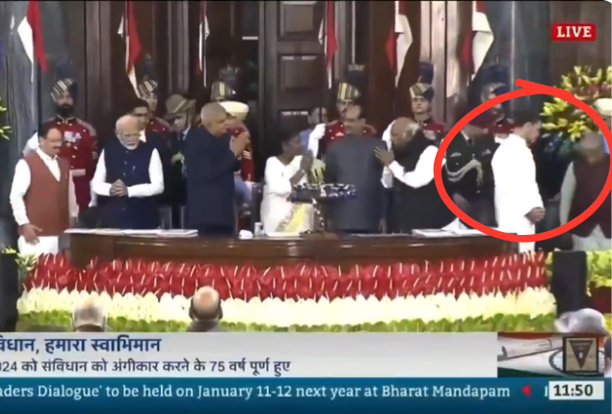
The political temperature in India soared on November 26, 2024, as the Bharatiya Janata Party (BJP) levelled sharp accusations against Congress leader Rahul Gandhi for allegedly disrespecting President Droupadi Murmu during the Constitution Day celebrations. The BJP, led by spokesperson Amit Malviya, claimed that Gandhi’s failure to greet the President and his behaviour during the event displayed “arrogance” and a “cheap mentality.”
The controversy began when a video from the Constitution Day event was shared on social media by BJP leaders. In the video, Gandhi was seen not participating in the customary greeting of President Murmu, the country’s first tribal woman to hold the highest constitutional office. The footage also suggested that Gandhi appeared distracted during the national anthem and left the stage without acknowledging the President.
BJP’s Allegations and Statements
BJP leaders wasted no time in framing the incident as emblematic of the Congress party’s alleged disregard for marginalized communities, particularly Scheduled Tribes (ST), Scheduled Castes (SC), and Other Backward Classes (OBC). Amit Malviya, a prominent BJP spokesperson, took to social media to criticize Gandhi, stating,
“What kind of a cheap mentality is this? Rahul Gandhi’s refusal to greet President Droupadi Murmu, a symbol of India’s tribal pride, reflects not just personal arrogance but a broader disdain for marginalized communities.”
Malviya argued that Gandhi’s behavior was part of a larger narrative of the Congress party’s neglect of tribal communities, pointing to historical instances where the party had been accused of sidelining tribal issues. He and other BJP leaders suggested that the perceived slight against President Murmu highlighted the Congress’s inability to embrace the growing representation of marginalized groups in Indian politics.
The BJP’s criticism extended beyond the individual to the Congress party as a whole. BJP leaders framed Gandhi’s actions as a continuation of what they claim is the Congress’s historical indifference towards the concerns of Scheduled Castes, Scheduled Tribes, and Other Backward Classes.
The Tribal Factor: A Key Political Narrative
The BJP’s framing of the incident as an affront to tribal dignity is politically significant. President Droupadi Murmu, a tribal leader from Odisha, represents a crucial electoral demographic. Tribals form a significant portion of the electorate in many states, including Chhattisgarh, Jharkhand, Odisha, and parts of northeastern India. By focusing on this incident, the BJP seeks to strengthen its outreach to tribal communities and position itself as the champion of their interests.
The BJP has made a concerted effort in recent years to appeal to tribal voters, as seen in the decision to nominate Murmu as the presidential candidate in 2022. Her election was celebrated as a historic moment for India’s tribal communities, and the BJP has frequently highlighted this as a symbol of its commitment to inclusivity.
Congress’s Response and Counter-Accusations
As of now, Rahul Gandhi has not publicly responded to the BJP’s allegations. The Congress party has also refrained from issuing an official statement addressing the specific accusations. However, Congress leaders have previously accused the BJP of hypocrisy in its treatment of President Murmu.
Congress leaders have pointed to incidents where the BJP allegedly undermined the President’s dignity. For instance, President Murmu was not invited to inaugurate the new Parliament building earlier in 2023, an event widely criticized by opposition parties. Similarly, she was also excluded from the consecration ceremony of the Ram Temple in Ayodhya, an event of immense political and religious significance. Congress leaders argue that these actions demonstrate the BJP’s selective respect for the President and her tribal identity.
In a statement earlier this year, Senior Congress leader Jairam Ramesh accused the BJP of using President Murmu’s identity for political gain while sidelining her in critical moments. “The BJP’s respect for the President is performative and selective,” Ramesh said in a past interview, reflecting the opposition’s narrative.
A Broader Pattern of Political Posturing
The incident has sparked renewed discussions about the political posturing surrounding marginalized communities in Indian politics. Critics argue that the BJP and Congress have selectively invoked tribal issues to suit their narratives.
The BJP, while championing tribal representation through the elevation of President Murmu, has faced criticism for its policies affecting tribal communities, including forest rights and land acquisition laws. Activists have accused the party of prioritizing corporate interests over tribal welfare in resource-rich states.
On the other hand, the Congress party, which has historically enjoyed support from tribal communities, has been criticized for failing to address systemic issues during its decades-long rule at the center. BJP leaders have accused the Congress of tokenism, pointing to the lack of significant tribal representation in key leadership roles within the party.
Historical Context: Tribal Representation in India
India’s tribal communities, constituting around 8.6% of the population, have long struggled with issues of marginalization, land rights, and access to education and healthcare. While the Indian Constitution protects and promotes tribal interests, implementing these provisions has often been inadequate.
The elevation of Droupadi Murmu to the presidency was seen as a watershed moment in Indian politics, symbolizing a step toward greater representation of marginalized groups. For the BJP, her nomination was a strategic move to consolidate tribal support ahead of critical elections in tribal-dominated states.
The Fallout: Implications for Congress and BJP
The BJP’s allegations against Rahul Gandhi come when both parties are gearing up for the 2024 general elections. For the BJP, the incident provides an opportunity to reinforce its narrative of the Congress being out of touch with the aspirations of marginalized communities.
For the Congress, the incident poses a challenge in countering the BJP’s claims without alienating key voter bases. The party has been attempting to revive its presence in tribal-dominated regions, as evidenced by Rahul Gandhi’s Bharat Jodo Yatra, which prominently focused on issues of social justice and equality. However, incidents like this threaten to undermine these efforts by giving the BJP ammunition to attack the Congress’s credibility.
Public Reactions and Social Media Debate
The incident has also sparked widespread debate on social media. While BJP supporters have criticized Gandhi’s actions as disrespectful, Congress supporters have dismissed the controversy as a manufactured distraction from pressing national issues.
Many neutral commentators have questioned the politicization of the incident, arguing that genuine respect for marginalized communities should be reflected in policies and actions rather than symbolic gestures.
The accusations against Rahul Gandhi and the broader narrative surrounding the incident underscore the highly charged nature of Indian politics, where symbolism often takes centre stage. As the BJP and Congress continue to trade barbs, the incident serves as a reminder of the complex interplay between identity politics and governance in India.
In the run-up to the 2024 general elections, both parties are likely to intensify their outreach to tribal communities, recognizing their critical role in shaping electoral outcomes. For now, the Constitution Day controversy has provided the BJP with a fresh opportunity to question the Congress’s commitment to inclusivity. At the same time, Congress must navigate the fallout carefully to avoid alienating key voter groups.
Whether this controversy will resonate with voters or fade into the more giant cacophony of electoral politics remains to be seen. However, it has once again highlighted the enduring importance of symbolic representation and respect in a diverse democracy like India.
Tensions in Sambhal: Understanding the Recent Violence
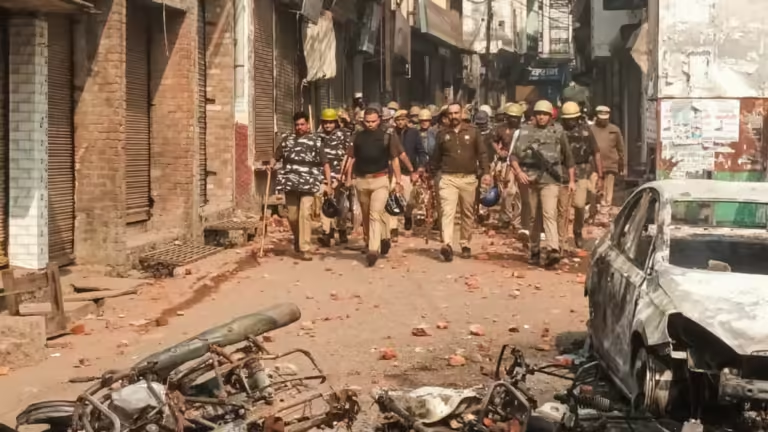
Lucknow, November 26 — The recent violence in Sambhal, Uttar Pradesh, has sparked political outrage and heightened communal tensions across the state. The unrest, which occurred during a court-mandated survey of the Shahi Jama Masjid, left at least four people dead and several injured, including police officers. The incident has intensified the political blame game, with the ruling Bharatiya Janata Party (BJP) and the opposition Samajwadi Party (SP) trading accusations.
Background of the Violence
The clashes erupted on November 24 during a second survey of the Shahi Jama Masjid, ordered by a local court following petitions alleging that the mosque was built over a demolished Hindu temple. The survey drew protests from local residents, leading to violent confrontations with police forces. The situation escalated when the police attempted to disperse the gathering, resulting in casualties and widespread unrest.
Political Fallout
The incident has become a flashpoint in Uttar Pradesh’s political landscape:
- Samajwadi Party’s Allegations
SP chief Akhilesh Yadav accused the BJP government of orchestrating the violence to divert attention from alleged electoral malpractices. “The incident in Sambhal was deliberately carried out to mask their rigging and theft in elections,” Yadav said during his visit to Delhi for the Parliament’s Winter Session.Adding to the controversy, the SP’s student wing in Prayagraj displayed provocative posters accusing the BJP of undermining democracy. The posters, which featured images of the Sambhal violence, described the BJP’s governance as “gun-tantra” (rule of the gun) and alleged that the state was engulfed in communal tensions.
- BJP’s Response
The BJP has dismissed these allegations, accusing the SP of inciting violence for political gain. Authorities have filed FIRs against SP leaders, including Sambhal MP Ziaur Rahman Barq, for allegedly making inflammatory statements that fueled the unrest.
Security Measures and Police Action
In response to the violence, authorities have implemented stringent security measures:
- Heightened Patrolling: Police presence has been intensified in Sambhal and other sensitive areas, particularly in regions with mixed populations.
- Internet Shutdowns: Internet services have been temporarily suspended in Sambhal to curb the spread of rumors and misinformation.
- Public Gatherings Restricted: Section 144 has been imposed to prevent large gatherings and further escalation of tensions.
- Arrests and Investigations: Over 50 arrests have been made, with police stating that they are investigating the involvement of more than 2,000 individuals. Those found spreading misinformation or inciting violence will face strict action under the National Security Act (NSA).
The controversial poster in Prayagraj was promptly removed by authorities, who labeled it as inflammatory and announced an investigation into those responsible for its creation and display.
Public Reaction and Community Impact
The violence has left the community in Sambhal deeply divided. While some leaders have called for calm and dialogue, others are leveraging the incident to further political and communal narratives. Residents have expressed concerns over the heightened police presence and disruptions to daily life, including the closure of schools and marketplaces.
Judicial Oversight and Broader Implications
As political tensions mount, leaders from both parties are calling for judicial inquiries into the violence and the circumstances surrounding the mosque survey. Observers note that the incident has amplified communal divisions, with political parties framing the events to align with their respective narratives.
The Sambhal violence and its aftermath underscore the challenges of maintaining communal harmony and political neutrality in Uttar Pradesh, particularly as the state gears up for crucial elections. As investigations continue, the focus remains on ensuring accountability and preventing further unrest.
The violence in Sambhal and the ensuing political controversy have spotlighted the deep fissures in Uttar Pradesh’s social and political fabric. As the BJP and SP intensify their rhetoric, the state faces a critical test in balancing law enforcement, justice, and community reconciliation. Authorities urge citizens to refrain from provocative actions and maintain peace as efforts are underway to address the crisis.
Indian Government Approves PAN 2.0 Project-A Modernized Taxation System

New Delhi — The Indian government has officially approved the PAN 2.0 Project, a transformative initiative to upgrade the Permanent Account Number (PAN) system to enhance security, efficiency, and user convenience. This modernization effort introduces advanced features such as QR codes, a unified digital portal, and improved data protection measures, marking a significant step forward in the nation’s financial infrastructure.
- QR Code Integration
A standout feature of the PAN 2.0 initiative is the inclusion of QR codes on all new and existing PAN cards. This feature aims to streamline financial transactions and ensure seamless integration with the tax department, improving data verification and minimizing fraud. - Unified Digital Portal
The government will establish a centralized online portal for all PAN-related services. This platform will simplify processes such as application, updates, and re-issuance, significantly enhancing the user experience by reducing paperwork and delays. - Mandatory Data Vault System
A mandatory Data Vault System will be implemented for entities handling PAN data to strengthen data security. This measure safeguards sensitive taxpayer information and bolsters cybersecurity protocols across financial systems. - Cost-Free Upgrade
Current PAN holders can upgrade their cards to include QR codes at no additional cost. The government has ensured that this upgrade process will be hassle-free, underscoring its commitment to making the transition convenient for taxpayers.
Impact on Current PAN Holders
The government has clarified that existing PAN cards will remain valid indefinitely, even after the rollout of PAN 2.0. Cardholders are not required to apply for a new PAN number or card unless they wish to access the upgraded features. The option to upgrade is entirely voluntary and will be available at no cost.
Advantages of PAN 2.0
The PAN 2.0 project promises several benefits:
- Enhanced Security: QR codes and the data vault system will reduce the risks of identity theft and data breaches.
- Increased Efficiency: A centralized digital platform will streamline operations, making tax-related tasks quicker and more accessible.
- Improved User Experience: Simplified procedures and free upgrades will minimize taxpayers’ hassles.
- Future-Ready Infrastructure: The upgraded PAN system lays the groundwork for integrating emerging technologies and future developments.
The PAN 2.0 initiative represents a milestone in India’s journey toward a modern, secure, and efficient taxation framework. By introducing cutting-edge features and prioritizing user convenience, the government aims to enhance interactions between taxpayers and financial authorities while ensuring robust data security. As the project rolls out, it is poised to transform how individuals and businesses engage with India’s tax system.

Winter Session of Parliament 2024: Disruptions Mark Day 1 as Key Issues Surface
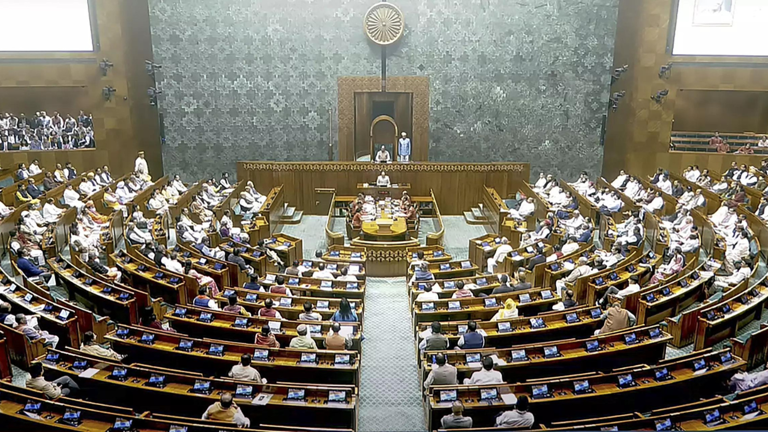
The first day of the 2024 winter session of Parliament, held on November 25, began on a tense note, marked by debates on critical national issues and persistent disruptions leading to multiple adjournments. Both the Lok Sabha and Rajya Sabha saw heated exchanges as opposition members raised pressing matters, including allegations of corruption against the Adani Group and the ongoing violence in Manipur. The session is expected to run until December 20, with 25 sittings planned, but the opening day highlighted the stark differences between the government and the opposition
1. Adani Bribery Allegations
A significant focus of the opposition, particularly the INDIA bloc, was the recent bribery allegations against the Adani Group. The controversy stems from a U.S. indictment implicating Gautam Adani and others in an alleged scheme to bribe Indian officials to secure solar energy contracts. Opposition members argued that these allegations if left unaddressed, could tarnish India’s global reputation and erode public trust in governance.
Demand for Accountability:
The opposition demanded an immediate discussion and sought a government response. They criticized the lack of transparency and called for investigations to ensure accountability. Members also linked the allegations to broader concerns about crony capitalism, questioning the government’s ties with major corporations.
Government’s Stance:
While the government refrained from commenting on the allegations directly, ruling party members dismissed the opposition’s demands as politically motivated distractions.
2. Violence in Manipur
Another prominent topic was the ongoing unrest in Manipur. Opposition leaders demanded a thorough discussion on the government’s handling of the situation, emphasizing its impact on local communities and the urgent need for reconciliation.
Calls for Action:
The INDIA bloc expressed concern over the prolonged violence and alleged lapses in the central and state government’s response. They accused the administration of failing to maintain law and order and demanded clarity on measures to restore peace.
Government’s Response:
Government representatives maintained that efforts were underway to stabilize the region, highlighting initiatives aimed at dialogue and rehabilitation. However, opposition members criticized the explanations as insufficient.
3. The Waqf (Amendment) Bill
The proposed Waqf (Amendment) Bill also drew attention, particularly from members of the opposition who expressed concerns about its implications for the Muslim community.
Opposition’s Concerns:
Opposition leaders called for an extension of deliberations in the parliamentary committee reviewing the bill. They argued that the legislation required a more comprehensive discussion to address its potential socio-political and legal ramifications.
Legislative Priorities:
While open to discussions, the government indicated that it was eager to move forward with the bill during the session. This created another point of contention between the ruling party and opposition members.
Adjournments and Chaos
The session began with high hopes for meaningful dialogue but quickly became disorder. Opposition members disrupted proceedings in both Houses, demanding immediate discussions on the Adani allegations and violence in Manipur.
- Lok Sabha:
The Lower House faced disruptions shortly after Prime Minister Narendra Modi addressed the media. Opposition protests led to an early adjournment until noon and another adjournment for the day. - Rajya Sabha:
The Upper House was adjourned multiple times amid similar disruptions. Despite efforts to resume proceedings, repeated demands from opposition leaders eventually forced the day’s session to conclude without significant progress.
Prime Minister’s Address
Before the session began, Prime Minister Narendra Modi addressed the media, criticizing the opposition for what he described as their attempt to disrupt Parliament through “hooliganism.” He emphasized the importance of constructive debate and urged all parties to prioritize discussions over disruptions.
Modi also highlighted the government’s legislative agenda for the session, which includes significant bills such as the Waqf (Amendment) Bill and measures related to economic and social reforms. His remarks set the tone for the government’s approach, which seeks to position itself as focused on governance amid opposition critiques.
Parliamentary Dynamics and Day 1 Conclusion
Opposition’s Strategy
The opposition’s demands centered on two key themes: accountability and transparency. Leaders from the INDIA bloc sought to leverage public attention on the Adani controversy and Manipur unrest to pressure the government. Their strategy involved persistent demands for adjournment motions, which were ultimately rejected by the presiding officers in both Houses.
Government’s Counter
The government maintained that the opposition’s actions were obstructive and counterproductive. Ministers accused the opposition of politicizing sensitive issues, such as the Manipur violence, for electoral gains. Ruling party leaders urged the opposition to participate in structured debates rather than resorting to disruptions.
Day 1 Ends Without Resolution
Despite the contentious exchanges, no substantive discussions occurred on the floor of Parliament. Both Houses were adjourned for the day, with the Rajya Sabha set to reconvene on November 27, following a break for Constitution Day celebrations on November 26.
Looking Ahead: The Winter Session Agenda
The Winter Session of Parliament will continue until December 20, with 25 sittings planned. Key legislative priorities include:
- Waqf (Amendment) Bill: Aiming to revise regulations governing Waqf properties, this bill is expected to be a focal point of debate, given its implications for minority communities.
- Economic Reform: Proposed measures related to taxation, infrastructure, and social welfare are on the docket, with the government emphasizing their importance for India’s growth trajectory.
- Defense and Security: Discussions on national security, particularly in light of geopolitical tensions, are expected to feature prominently.
- Environment and Climate: Bills addressing renewable energy targets and environmental conservation are anticipated, aligning with India’s commitments under international agreements.
Broader Implications
Opposition’s Growing Unity
The disruptions on Day 1 underscored the growing unity among opposition parties under the INDIA bloc umbrella. Their coordinated efforts on issues such as the Adani allegations and Manipur violence signal a more organized approach to challenging the government’s narrative.
Government’s Focus on Governance
The government will likely emphasize its legislative achievements and initiatives during the session. By pushing forward with crucial bills and resisting opposition disruptions, it aims to project an image of competence and stability.
A Contentious Start
The first day of the 2024 Winter Session of Parliament offered a glimpse into the charged political atmosphere likely to define the weeks ahead. While significant issues like the Adani allegations and Manipur violence demand attention, the persistent disruptions reflect a deep divide between the government and the opposition.
As the session progresses, the ability of both sides to engage in constructive debate will be critical. For the government, addressing public concerns effectively while advancing its legislative agenda will be key. For the opposition, maintaining pressure on contentious issues without alienating public sentiment will be a delicate balancing act.
The coming days will determine whether this session serves as a meaningful dialogue platform or becomes another battleground of partisan conflict.
Jasprit Bumrah Channels Brett Lee’s Spirit in Memorable Perth Test Moment

During the ongoing Test match in Perth, Indian skipper Jasprit Bumrah treated fans to a delightful and lighthearted moment as he paid tribute to Australian cricket legend Brett Lee. The incident occurred before Day 3 of the match when Bumrah humorously imitated Lee’s iconic bowling action and followed it up with the legendary chainsaw celebration. This entertaining gesture showcased Bumrah’s skills and camaraderie with one of cricket’s most celebrated pace bowlers.
The light moment offered a refreshing glimpse into the mutual admiration shared by cricketers across eras and added an engaging subtext to a fiercely competitive match.
A Playful Imitation of a Legend
Bumrah’s imitation of Brett Lee’s bowling action was a testament to his admiration for the Australian fast-bowling great. The mimicry included Lee’s signature run-up and swift follow-through, capturing the essence of the pacemaker’s distinctive style. Known for his unorthodox yet highly effective bowling action, Bumrah’s attempt reflected humour and respect for Lee’s legacy in the sport.
The playful gesture delighted Lee, who was present at the stadium as a commentator. The former Australian speedster, renowned for his pace and aggression during his cricketing career, appeared to enjoy Bumrah’s tribute, smiling and applauding the effort.
The Legendary Chainsaw Celebration
Bumrah completed his imitation with the “chainsaw” celebration, a move synonymous with Brett Lee’s fiery personality on the field. This celebration, characterized by a dramatic upward swing of the arm mimicking a chainsaw, was a hallmark of Lee’s wicket celebrations during his career. By adopting it, Bumrah showcased his admiration and entertained the crowd, which responded with cheers and applause.
This moment of levity underscored the unifying spirit of cricket, where players can set aside competitive pressures to celebrate shared experiences and memories.
Bumrah’s Stellar Performance as Captain
While Bumrah’s imitation was lighthearted, his on-field performance was anything but. Leading the Indian team without regular skipper Rohit Sharma, Bumrah has risen to the occasion, delivering an exceptional performance with the ball. His five-wicket haul in the first innings was instrumental in restricting Australia to a paltry 104 runs, putting India in a commanding position in the match.
Bumrah’s scalps included vital dismissals of Australian stalwarts Steve Smith and Pat Cummins. His precise and relentless bowling showcased why he is regarded as one of the premier fast bowlers in world cricket today. This performance underlined his ability to lead by example, setting the tone for the team with his skill and determination.
Team India’s Strong Position
His teammates’ strong performances have complemented Bumrah’s leadership. After bundling Australia for a low total, India’s top order, led by Yashasvi Jaiswal and KL Rahul, capitalized on the opportunity to build a substantial lead. Fresh off his impressive century in the first innings, Jaiswal continued to impress with his aggressive yet composed batting. Playing a steady hand, Rahul ensured that India tightened its grip on the match.
The collective effort highlights the depth and balance of the Indian squad, with young talent and experienced players combining seamlessly under Bumrah’s captaincy.
Camaraderie Across Eras
Bumrah’s interaction with Brett Lee is a reminder of the camaraderie and mutual respect among cricketers, transcending generational and national boundaries. Lee, who faced India as a fierce competitor during his playing days, has often expressed his admiration for the current crop of Indian players, including Bumrah.
For Bumrah, who grew up watching legends like Lee, the moment offered an opportunity to celebrate one of his idols while showcasing his playful side. Such exchanges contribute to the spirit of the game, offering moments of joy and connection for fans and players alike.
Impact on Fans and the Cricketing World
The light-hearted interaction between Bumrah and Lee resonated widely among fans, who took to social media to praise the moment. Many applauded Bumrah for his humility and ability to connect with legends of the game while maintaining his focus and intensity on the field.
The chainsaw celebration also became a trending topic, sparking nostalgia among fans who remembered Lee’s iconic performances. The incident highlighted how cricket continues to build bridges across generations, creating shared memories that enrich the sport.
Bumrah’s Leadership Evolution
The Perth Test has also been a milestone in Bumrah’s journey as a cricketer. Known primarily for his exceptional bowling skills, Bumrah’s leadership qualities have come to the fore in this match. His calm demeanor, tactical acumen, and ability to inspire his teammates have drawn praise from fans and experts alike.
This stint as captain could serve as a stepping stone for Bumrah in taking on greater responsibilities in the future. His ability to manage pressure, adapt to situations, and maintain camaraderie within the team reflects his potential to be a long-term leader for Indian cricket.
A Moment to Remember
Jasprit Bumrah’s tribute to Brett Lee during the Perth Test will be remembered as a delightful interlude in a fiercely contested match. Beyond the entertainment, it showcased the deep respect and admiration that connects cricketers across generations. Bumrah’s playful imitation and the subsequent chainsaw celebration brought a touch of humor and humanity to the high-stakes world of Test cricket.
On the field, Bumrah’s stellar performance and leadership have set a high benchmark, reinforcing his status as one of the game’s finest talents. As Team India continues its pursuit of victory in the Border-Gavaskar Trophy, this memorable interaction serves as a reminder of cricket’s ability to unite, inspire, and entertain.
India’s Triumph in Perth: A Testament to Youth and Resilience in Cricket

India’s resounding victory at the Optus Stadium in Perth during the Border-Gavaskar Trophy is being celebrated as a landmark moment in Indian cricket. The win, characterized by stellar performances from young players and seasoned veterans alike, has underscored the rising dominance of India’s youth in the sport. Beyond the record-breaking margins and strategic brilliance, the triumph is a testament to the evolving strength and depth of Indian cricket, a blend of youthful energy and experienced leadership.
A Historic Win in Perth
India’s 295-run victory against Australia at the Optus Stadium was a moment of glory that will be etched in cricketing history. This victory marked India’s first-ever win at the Perth venue, making it a defining moment in the Border-Gavaskar Trophy. Not only was the margin of victory significant, but the manner in which the team dominated across all aspects of the game made it one of India’s most comprehensive overseas wins.
The Perth pitch, known for its pace and bounce, has often posed a challenge for visiting teams. India’s ability to adapt to these conditions, coupled with strategic planning and effective execution, set them apart. The win was a combination of sharp cricketing acumen, disciplined performances, and a fearless attitude exhibited by the younger players.
Youthful Brilliance Steals the Show
The victory was fueled by remarkable performances from India’s younger players, led by the prodigious Yashasvi Jaiswal. At just 22 years old, Jaiswal played a masterful knock of 161 runs, demonstrating exceptional technique and composure against Australia’s formidable bowling attack. His innings not only showcased his individual brilliance but also reflected the depth of talent in India’s batting lineup.
Jaiswal’s rise in international cricket has been meteoric. From humble beginnings to becoming a key figure in India’s Test squad, his journey is an inspiration for aspiring cricketers across the nation. His performance in Perth cemented his place as a vital cog in India’s cricketing machinery, signaling the arrival of a new generation ready to shoulder the team’s batting responsibilities.
Another standout was Jasprit Bumrah, who took on the mantle of captaincy for the first time. Bumrah’s leadership was calm, strategic, and impactful, leading the bowling attack with precision. His ability to handle pressure and inspire his teammates was evident throughout the match. Under Bumrah’s guidance, the bowling unit dismantled Australia’s lineup, showcasing a perfect balance of aggression and control.
Veteran Experience Complements Youthful Exuberance
While the young players shone brightly, the seasoned campaigners provided the much-needed backbone. Virat Kohli, one of the greatest batters of his generation, added yet another milestone to his illustrious career with his 30th Test century. Kohli’s century, crafted with patience and determination, demonstrated his enduring class and ability to deliver in challenging conditions.
Kohli’s knock was a masterclass in adapting to the conditions, combining aggression with calculated defense. His ability to guide younger players like Jaiswal and support them at crucial junctures was a testament to his role as a mentor within the team. The synergy between Kohli’s experience and the youthful energy of players like Jaiswal encapsulated the team’s dynamic blend of old and new.
Strategic Mastery: A Team Effort
India’s victory in Perth wasn’t just about individual brilliance; it was a triumph of strategy and teamwork. The bowling unit, spearheaded by Jasprit Bumrah and Mohammed Siraj, executed their plans flawlessly. The inclusion of Washington Sundar, an all-rounder known for his adaptability, proved to be a masterstroke. Sundar’s contributions in seam-friendly conditions added depth to India’s bowling attack and offered crucial breakthroughs at pivotal moments.
Australia’s batting lineup, known for its resilience, was dismantled systematically. Bumrah’s leadership ensured disciplined bowling, with each bowler contributing significantly to the team’s success. The spinners, though operating on a pitch favoring seamers, played a supportive role by maintaining pressure and containing runs.
The team’s fielding was another highlight, with sharp catches and athletic saves setting the tone for the match. India’s ability to maintain intensity across all departments was a key factor in their dominance.
Setting a Benchmark for Future Success
The victory in Perth is more than just a win; it sets a benchmark for the team’s future performances. Analysts and cricketing experts have praised India’s depth in talent and resilience, emphasizing that this match serves as a blueprint for success in overseas conditions. The combination of young talent stepping up in high-pressure situations and experienced players providing guidance creates a strong foundation for sustained excellence.
The match also highlights the importance of nurturing young talent and providing them with opportunities to shine on the international stage. Players like Jaiswal represent the fruits of India’s robust domestic cricket system, which continues to produce world-class cricketers capable of excelling in diverse conditions.
Inspiration for the Next Generation
India’s performance in Perth has inspired not just cricket fans but also aspiring players across the country. The success of young players like Jaiswal and Bumrah demonstrates that with hard work, determination, and the right opportunities, the sky is the limit. The win has reinforced the idea that age is no barrier to success, and young players can thrive in high-stakes environments when given the chance.
Moreover, the team’s camaraderie and unity have set an example for how a collective effort can lead to extraordinary results. The support shown by senior players like Kohli for the younger members of the team exemplifies the spirit of mentorship and collaboration.
The Broader Implications for Indian Cricket
The victory in Perth comes at a time when Indian cricket is witnessing a generational shift. As stalwarts like Kohli continue to deliver, a new crop of players is emerging, ready to take the reins. This blend of youth and experience is crucial for maintaining India’s dominance on the global stage.
The win also reflects India’s ability to adapt to different conditions and challenges. Whether it’s the pace and bounce of Australian pitches or the turning tracks of the subcontinent, the team’s versatility is a testament to its preparation and resilience.
A Triumph for the Ages
India’s victory in Perth during the Border-Gavaskar Trophy is a defining moment in the annals of Indian cricket. It is a celebration of youth, strategy, and teamwork, showcasing the strength of a team that combines raw talent with seasoned expertise. Players like Yashasvi Jaiswal and Jasprit Bumrah have proven that the future of Indian cricket is in safe hands, while veterans like Virat Kohli continue to inspire with their brilliance.
This win enhances India’s standing in the ongoing series and serves as a beacon of hope for aspiring cricketers. It is a reminder that with determination, resilience, and the proper support, extraordinary achievements are possible. As the team looks ahead to the remaining matches, the victory in Perth will undoubtedly serve as a source of motivation and pride, setting the stage for even greater accomplishments.
Abhishek Bachchan’s Heartfelt Tribute to Aishwarya Rai: A Story of Love, Parenthood, and Gratitude

In the bustling world of Bollywood, where careers often demand relentless attention and long hours, balancing professional commitments with personal responsibilities can be a daunting task. Abhishek Bachchan, a celebrated actor and son of cinematic icons Amitabh and Jaya Bachchan, recently spoke about the crucial role his wife, Aishwarya Rai Bachchan, plays in maintaining their family’s harmony. At a promotional event for his film, I Want to Talk, Abhishek shared heartfelt reflections on parenting, family, and the sacrifices made by those closest to him, offering a rare glimpse into the dynamics of one of India’s most admired families.
Aishwarya Rai: The Pillar of Their Household
Abhishek’s admiration for Aishwarya was evident as he expressed gratitude for her unwavering support in raising their daughter, Aaradhya. Since they were married in 2007, the couple has often been seen as a symbol of love and mutual respect. Abhishek spoke about how Aishwarya prioritizes their daughter’s upbringing, enabling him to focus on his demanding acting career.
“I’m fortunate to go out and make movies, knowing that Aishwarya is at home with Aaradhya,” he remarked. This statement highlights the quiet yet significant sacrifices Aishwarya makes daily. Despite her illustrious career as an actress and former Miss World, she has embraced motherhood with dedication, often putting family above her professional ambitions.
This partnership reflects a modern take on traditional parenting roles. While Abhishek remains the public face of their family, Aishwarya’s behind-the-scenes contribution ensures a stable and nurturing environment for their daughter. This balance is vital in the high-pressure environment of Bollywood, where personal lives are often scrutinized.
The Role of Sacrifice in Parenting
Abhishek’s reflections extended beyond his immediate family to his upbringing. He drew parallels between Aishwarya’s commitment and the sacrifices his mother, Jaya Bachchan, made during his childhood. Jaya, a renowned actress in her own right, stepped back from her career after Abhishek and his sister Shweta were born. Her decision to prioritize her children over her professional aspirations was a pivotal moment that shaped the Bachchan family’s dynamic.
Abhishek shared how he always made time for his children despite Amitabh Bachchan’s demanding career as one of Bollywood’s most iconic actors. This balance of professional success and personal involvement left a lasting impression on Abhishek, influencing his own approach to fatherhood. “Children don’t see their parents as providers or third persons,” Abhishek explained. “They see them as their world, their first person.”
This perspective underscores the universal truth about parenting: it is as much about presence as provision. Abhishek’s acknowledgment of this dynamic sheds light on the emotional labor involved in raising a child, often undertaken by mothers but increasingly shared by fathers in modern families.
Aishwarya Rai’s Dual Role: Career and Motherhood
Aishwarya Rai’s journey as a mother and career woman is a testament to her resilience and adaptability. Known globally for her beauty, talent, and grace, Aishwarya has successfully balanced her public persona with her responsibilities as a parent. Since Aaradhya’s birth in 2011, Aishwarya has often chosen projects that align with her priorities as a mother, demonstrating her commitment to giving Aaradhya a stable upbringing.
Her appearances with Aaradhya at events and public outings have showcased a deep bond between mother and daughter. Whether attending international film festivals or school functions, Aishwarya seamlessly shifts between her roles as a global icon and a devoted mother. This duality resonates with many working mothers who strive to balance their careers with family life.
Modern Parenting in the Spotlight
The Bachchans’ approach to parenting reflects broader societal shifts in India, where traditional family structures are evolving. Today’s parents, especially those in high-profile professions, face unique challenges in raising children amidst public scrutiny and professional demands. Abhishek and Aishwarya’s story highlights the importance of partnership, where each parent’s contribution complements the other.
Abhishek’s recognition of Aishwarya’s sacrifices is a significant step in normalizing conversations around shared responsibilities in parenting. While mothers have historically borne the brunt of child-rearing duties, there is a growing acknowledgment of fathers’ roles in modern families. Abhishek’s reflections serve as a reminder that parenting is a shared journey, requiring collaboration, empathy, and mutual respect.
Parental Sacrifices Across Generations
The Bachchan family’s multigenerational experience offers valuable lessons in parenting. Amitabh Bachchan’s ability to balance his career with family time, Jaya Bachchan’s decision to prioritize her children, and now Aishwarya’s commitment to Aaradhya reflect a consistent emphasis on family values.
Abhishek’s comments also highlight how these sacrifices are often invisible to the outside world. While the spotlight often shines on the achievements of public figures, the quiet efforts made by their loved ones form the backbone of their success. Aishwarya’s role in creating a nurturing environment for Aaradhya exemplifies this dynamic.
The Broader Theme of Gratitude in Relationships
Abhishek’s heartfelt acknowledgment of Aishwarya’s role is a powerful reminder of the importance of gratitude in relationships. In a world where individual achievements are celebrated, recognizing the contributions of those who support us behind the scenes is crucial. Abhishek’s words resonate with anyone who has witnessed or experienced the quiet strength of a partner, parent, or caregiver.
His reflections also serve as a call to action for society to value and support the efforts of mothers, fathers, and caregivers. Whether through workplace policies, community initiatives, or personal gestures, acknowledging and supporting these contributions can create a more inclusive and compassionate world.
Addressing Speculations: A Strong Bond Amid Public Scrutiny
Abhishek’s public tribute comes amidst ongoing speculation about his relationship with Aishwarya. While celebrity couples often find themselves at the center of rumors, Abhishek’s comments underline the strength of their bond. By focusing on their shared values and mutual respect, the Bachchans continue to defy stereotypes and set an example of a modern, supportive partnership.
Their ability to maintain a united front amidst constant media attention is a testament to their resilience and shared commitment to their family. Abhishek’s gratitude not only strengthens their narrative as a couple but also inspires others to appreciate and celebrate the partnerships in their own lives.
Lessons for Society: Valuing Family and Parenthood
Abhishek’s reflections offer valuable lessons for families, parents, and individuals navigating the complexities of modern life. His emphasis on gratitude, partnership, and shared responsibility provides a blueprint for balancing personal and professional commitments.
- For Parents: Abhishek’s story highlights the importance of being present in a child’s life through active participation or supportive roles behind the scenes. His acknowledgement of Aishwarya’s sacrifices encourages parents to value each other’s contributions.
- For Couples: Bachchan’s partnership exemplifies the power of mutual respect and shared goals. Their story serves as a reminder that successful relationships require collaboration, empathy, and open communication.
- For Society: Abhishek’s tribute to Aishwarya sheds light on the often-overlooked contributions of caregivers, particularly mothers. By celebrating these efforts, society can create a more supportive family environment.
A Tribute to Love and Commitment
Abhishek Bachchan’s heartfelt acknowledgement of Aishwarya Rai’s role in their family is more than just a personal tribute; it is a celebration of the values that bind families together. In his reflections, Abhishek has highlighted the importance of gratitude, partnership, and sacrifice in parenting and relationships.
As the Bachchans continue to navigate their lives in the public eye, their story is an inspiring reminder of the enduring power of love, respect, and shared commitment. Through their example, they offer valuable insights into the challenges and joys of modern family life, resonating with audiences far beyond the glittering world of Bollywood.