Sunday, June 28, 2026
Home Blog Page 37

बहराइच में अवैध ढांचों की तोड़फोड़ पर बढ़ती हिंसा, अदालत ने दी रोक

0

हाल ही में उत्तर प्रदेश के बहराइच में अवैध ढांचों को तोड़ने के मामले में बढ़ती हिंसा के बाद अदालत के हस्तक्षेप से स्थिति ने नया मोड़ लिया है। इलाहाबाद हाईकोर्ट की एक विशेष पीठ ने राज्य प्रशासन को इन तोड़फोड़ की कार्यवाही पर रोक लगाने का आदेश दिया है। अदालत ने यह निर्देश दिया है कि इस प्रकार की कार्रवाईयों से पहले विधि का पूरा पालन और निवासियों के अधिकारों का सम्मान सुनिश्चित किया जाए।

बहराइच में अवैध ढांचों को तोड़ने को लेकर बढ़ती हिंसा के बीच इलाहाबाद हाईकोर्ट ने हस्तक्षेप किया। अदालत का यह आदेश इस उद्देश्य से जारी हुआ है कि राज्य प्रशासन की हर कार्रवाई विधिक प्रक्रियाओं के तहत हो और प्रभावित निवासियों के अधिकारों का उल्लंघन न हो। तोड़फोड़ के दौरान हुई हिंसक घटनाओं की खबरें आने के बाद अदालत ने यह फैसला लिया।

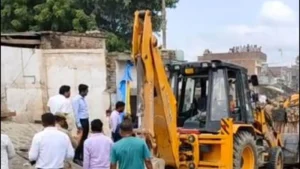
बहराइच में स्थानीय प्रशासन द्वारा अवैध घोषित ढांचों को गिराए जाने के बाद निवासियों और प्रशासन के बीच टकराव की घटनाएं सामने आईं। यह स्थिति तब गंभीर हो गई जब कानून-व्यवस्था की स्थिति बिगड़ने लगी और मानवाधिकार उल्लंघन की चिंताएं उठने लगीं। इन घटनाओं ने प्रशासन के तौर-तरीकों पर सवाल खड़े कर दिए हैं।हाईकोर्ट के आदेश में यह स्पष्ट किया गया है कि तोड़फोड़ की किसी भी कार्रवाई से पहले कानूनी प्रक्रिया का पूरी तरह से पालन करना आवश्यक है। इसमें प्रभावित निवासियों को पहले नोटिस देना और उन्हें इस कार्रवाई को कानूनी रूप से चुनौती देने का मौका देना शामिल है। अदालत ने यह सुनिश्चित किया है कि जब तक विधिक प्रक्रियाएं पूरी नहीं होतीं, तब तक ऐसी किसी भी कार्रवाई को अंजाम नहीं दिया जाएगा।इन तोड़फोड़ की घटनाओं का स्थानीय समुदाय पर गंभीर असर पड़ा है, विशेष रूप से उन लोगों पर जो इन ढांचों पर अपना निवास या व्यवसाय निर्भर करते हैं। अदालत का यह फैसला इस उद्देश्य से लिया गया है कि आगे किसी प्रकार की हिंसा न हो और भविष्य में प्रशासन की कार्यवाही विधि सम्मत हो। फिलहाल, अदालत के आदेश से निवासियों को अस्थायी राहत मिली है, हालांकि भविष्य की कार्रवाई को लेकर चिंताएं अभी भी बनी हुई हैं।राज्य प्रशासन को अदालत के आदेश का पालन करते हुए सभी तोड़फोड़ की गतिविधियों को रोकने का निर्देश दिया गया है, जब तक कि पूरे मामले की गहन समीक्षा नहीं की जाती। आने वाले समय में इस मुद्दे के कानूनी और सामाजिक पक्षों पर और बहस हो सकती है, क्योंकि इससे प्रभावित समुदाय के हितों और प्रशासन के कर्तव्यों का संतुलन स्थापित करना चुनौतीपूर्ण रहेगा। यह घटना शहरी विकास, कानूनी अधिकारों और सामुदायिक कल्याण के बीच नाजुक संतुलन की ओर इशारा करती है, जो अवैध ढांचों के मुद्दे को हल करने में महत्वपूर्ण है।

  1. कानूनी अनुपालन और सुरक्षा:
    प्रशासन स्थानीय निर्माण कानूनों का पालन करवाने के उद्देश्य से उन ढांचों को तोड़ रहा है, जिन्हें बिना उचित अनुमति के बनाया गया है, खासकर प्रमुख सड़कों के करीब स्थित ढांचों को। यह तोड़फोड़ सार्वजनिक सुरक्षा और बुनियादी ढांचे की सुरक्षा के लिए की जा रही है।
  2. साम्प्रदायिक हिंसा का प्रभाव:
    हाल ही में बहराइच में दुर्गा पूजा के दौरान साम्प्रदायिक हिंसा की घटनाओं के बाद अवैध ढांचों को तोड़ने की प्रक्रिया तेज कर दी गई है। हिंसा में शामिल लोगों से जुड़े अवैध निर्माणों को निशाना बनाकर प्रशासन कार्रवाई कर रहा है, जिससे इन ढांचों पर ध्यान केंद्रित किया जा रहा है।
  3. जनहित याचिकाएं:
    स्थानीय अदालतों में दायर जनहित याचिकाओं के जवाब में भी यह तोड़फोड़ की जा रही है, जिनमें अवैध ढांचों को हटाने का आदेश दिया गया है। अदालत ने अवैध निर्माणों को हटाने का निर्देश दिया है, ताकि भूमि उपयोग और निर्माण प्रथाओं के संबंध में कानून का पालन हो सके।
  4. समुदाय का दबाव:
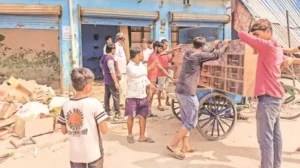
    तोड़फोड़ की नोटिस मिलने के बाद कई निवासियों ने खुद ही अपने निर्माणों को तोड़ना शुरू कर दिया है, ताकि प्रशासनिक कार्रवाई से बचा जा सके। यह कदम समुदाय के भीतर के दबाव और सरकारी कार्रवाई के डर को दर्शाता है।
  5. विशिष्ट क्षेत्रों को निशाना:
    कई रिपोर्टों में कहा गया है कि यह तोड़फोड़ खासतौर पर उन क्षेत्रों में हो रही है, जहां अवैध निर्माण अधिक हैं और इससे अल्पसंख्यक समुदाय, विशेषकर मुस्लिम निवासियों, पर अधिक असर पड़ रहा है। इससे चुनिंदा तरीके से कार्रवाई और भेदभाव की चिंताएं भी उठ रही हैं।

बहराइच में अवैध ढांचों की तोड़फोड़ एक जटिल मुद्दा है, जिसमें कानूनी अनुपालन, सामुदायिक हित और हालिया साम्प्रदायिक हिंसा के संदर्भ में प्रशासनिक कार्रवाई शामिल है। हालांकि, यह कदम सुरक्षा सुनिश्चित करने और कानून के पालन के लिए उठाए जा रहे हैं, लेकिन इससे समुदाय के भीतर की दरारें और प्रशासनिक व्यवस्था की निष्पक्षता पर सवाल भी खड़े हो रहे हैं।

Modi Likely to Skip COP29, Affecting Potential Meeting with Pakistan’s Shehbaz Sharif

0

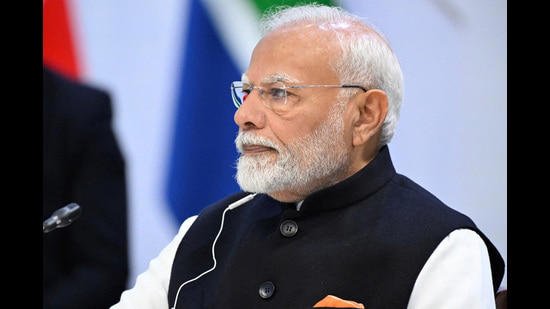
Prime Minister Narendra Modi is expected to miss the upcoming United Nations Climate Change Conference (COP29) in Azerbaijan next month due to scheduling conflicts, according to sources familiar with the matter. This development reduces the chances of a long-awaited meeting between Modi and Pakistani Prime Minister Shehbaz Sharif, a meeting that Pakistan was keen to facilitate following Indian External Affairs Minister S. Jaishankar’s recent visit to Pakistan for a Shanghai Cooperation Organisation (SCO) meeting.

India’s delegation at COP29 will reportedly be led by Environment and Climate Change Minister Bhupender Yadav, as confirmed by multiple anonymous sources. The absence of Modi, who has been a vocal advocate for climate action, raises questions about India’s leadership role at the conference.

A recent document from the United Nations Framework Convention on Climate Change (UNFCCC) detailing participation by heads of state indicates that several prominent leaders, including Chinese President Xi Jinping, US President Joe Biden, and French President Emmanuel Macron, are also anticipated to skip the conference. Currently, 106 heads of state or government have confirmed their attendance at COP29’s World Leaders Climate Action Summit, although Israeli Prime Minister Benjamin Netanyahu has yet to confirm his participation.

The expected absence of several key leaders, including Modi, could impact discussions on vital climate initiatives and collaborations at COP29, highlighting the challenges of aligning national schedules with global priorities.

India Brings 100 Tonnes of Gold Home: A New Era in Monetary Strategy

0

In a defining moment for India’s monetary strategy, the Reserve Bank of India (RBI) has repatriated 100 tonnes of gold from the United Kingdom, marking the first major transfer of its kind since 1991. This isn’t just about moving gold across borders—it’s a reflection of India’s growing economic strength and a strategic shift in how the nation manages its reserves.

A Glance Back at 1991

Back in 1991, India was in the grips of a severe economic crisis. To secure a crucial loan from the International Monetary Fund (IMF), the country was forced to pledge its gold. At the time, sending gold abroad was an act of economic survival. Fast forward to 2024, and the return of this gold tells a story of recovery and renewal. The country, once in crisis, now brings its assets home, with nearly half of the RBI’s 822.10 metric tonnes of gold reserves stored within India’s borders.

Why Now?

The decision to bring this large volume of gold back home was driven by both strategic and logistical reasons. As RBI Governor Shaktikanta Das explained, India’s growing gold purchases meant more of its reserves were being stored abroad. Now, with sufficient storage capacity available domestically, the central bank decided it was the right time to relocate some of its gold back to India.

There have been whispers that geopolitical tensions, such as the freezing of Russian assets, might have influenced the decision. However, RBI officials have been clear: the move was about improving logistical efficiency and reducing overseas storage costs, rather than responding to geopolitical risks.

A Balanced Approach to Gold Reserves

Following the repatriation, India’s gold holdings are now nearly evenly divided between domestic and international storage. Around 408.18 tonnes are now stored within the country, while 413.92 tonnes remain abroad. This balanced distribution not only enables the RBI to better control local gold prices but also supports the development of India’s bullion market. Additionally, cutting back on overseas storage helps lower associated costs, making the decision both practical and economical.

What Lies Ahead

This move is part of a broader global trend of central banks diversifying their reserves away from dollar assets, with India positioning itself in this shift. The RBI has been aggressively expanding its gold reserves, adding 27.47 tonnes of gold in the financial year 2024 alone. This proactive approach is seen as a safeguard against global economic uncertainties.

Ultimately, this repatriation represents more than just a return of physical assets; it is a symbol of India’s financial resilience and growing self-reliance. By learning from past challenges and positioning itself for the future, the RBI is steering the country toward greater economic independence and stability.

South India Faces Challenges of Low Fertility Rates and an Aging Population

0
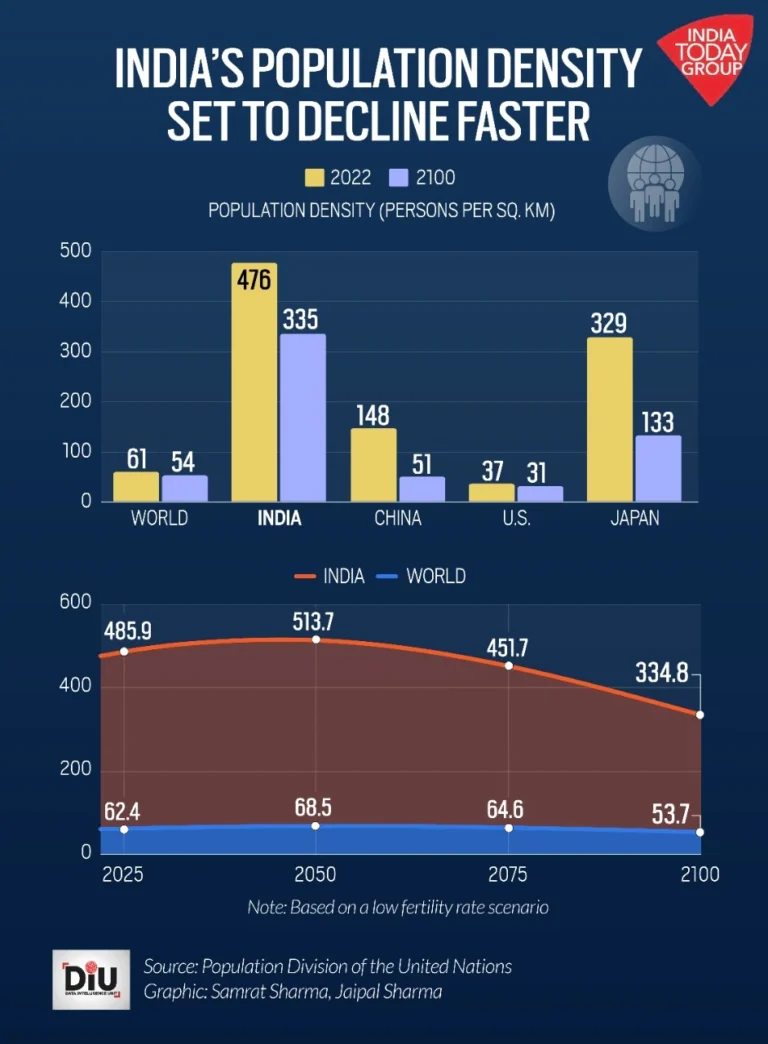
In recent years, South India has seen a dramatic decline in fertility rates, with states like Andhra Pradesh, Tamil Nadu, Kerala, Karnataka, and Telangana reporting numbers below the replacement level of 2.1 children per woman. These states now have fertility rates between 1.5 to 1.6 children per woman, significantly lower than India’s national average of 2. The drop is largely attributed to improved access to education, healthcare, and family planning services, leading to profound socio-economic changes across the region.

Demographic Shift Towards an Aging Population

With fertility rates declining, the demographic makeup of South India is shifting towards an aging population. A telling indicator of this is the old-age dependency ratio, which measures the number of elderly individuals (aged 60 and above) for every 100 people of working age (15 to 59 years). By 2036, South India is expected to have an old-age dependency ratio of 19.4, much higher than the projected 15.2 in Northern states.

This shift brings with it significant challenges. The region’s aging population is growing faster than that of other parts of India, potentially putting strain on public resources. As the proportion of working-age people shrinks, fewer individuals will be available to support a growing elderly population. This could burden healthcare systems and pension schemes, leading to calls for more social safety nets and healthcare services catering to older citizens.

Socio-Economic Impacts and Political Concerns

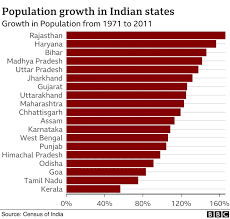
An aging population and reduced workforce also carry political ramifications. Southern states, traditionally more prosperous and with stronger infrastructure, could face reduced political representation in the future. As their population growth slows relative to Northern states, their influence in national affairs—particularly in Parliament—could diminish.

For South India, which has long been seen as an engine of economic growth, this demographic reality also affects future workforce availability and productivity. Fewer young people entering the job market could impact industries that rely on a steady stream of talent and labor, challenging the region’s economic resilience.

Future Projections and Policy Responses

Looking ahead, the United Nations Population Fund (UNFPA) estimates that by 2050, around 20% of India’s population will be aged 60 and above. In South India, where the fertility decline began earlier, this trend is expected to be even more pronounced. By 2036, the elderly population in India is projected to grow from 10 crore in 2011 to around 23 crore.

In response to these demographic changes, leaders in the South are already considering pro-natalist policies. In Andhra Pradesh, the Chief Minister has floated the idea of incentives for families who have more children, recognizing that boosting birth rates is one possible solution to offset the declining young population.

As South India grapples with the consequences of its low fertility rates, policymakers will need to carefully navigate the economic and social shifts that come with an aging population. While incentives to encourage larger families may address some concerns, a more comprehensive approach—focused on healthcare, social services, and economic reform—will be essential for the region to maintain both its economic strength and political relevance in the years ahead.


Jemimah Rodrigues’ Khar Gymkhana Membership Revoked Due to Father’s Alleged Religious Activities

0

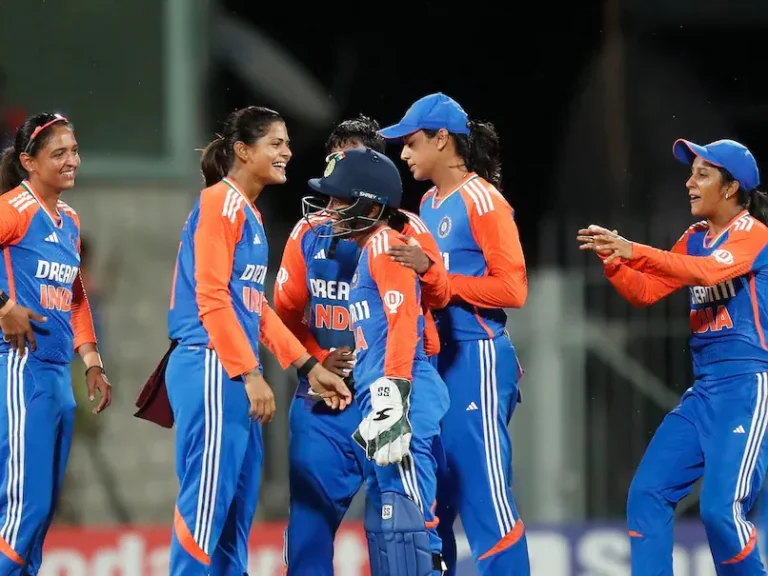
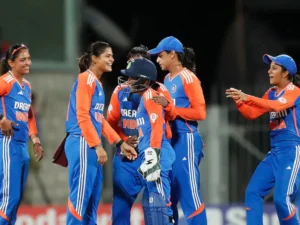
Indian cricketer Jemimah Rodrigues has had her honorary membership at Mumbai’s prestigious Khar Gymkhana revoked following allegations against her father, Ivan Rodrigues, regarding religious activities on club premises. The decision, made during a general body meeting on October 20, 2024, became public on October 22.

  • Membership Background: Jemimah, the first female cricketer to be granted a three-year honorary membership at Khar Gymkhana, joined the club in March 2023.
  • Allegations Against Ivan Rodrigues: Her father allegedly organized around 35 events at the club’s Presidential Hall over the past 18 months, associated with the evangelical group Brother Manuel Ministries. These events reportedly included religious conversions, violating the club’s strict prohibition on religious activities.
  • Club’s Response: Following complaints from members and scrutiny from local political figures, the gymkhana revoked Jemimah’s membership. Club officials emphasized that Ivan Rodrigues’ misuse of facilities, often booked at discounted rates, violated club policies. Shiv Malhotra, a member of the managing committee, highlighted that his actions limited other members’ access to the hall.

Khar Gymkhana’s president defended the decision, stating it was necessary to uphold the club’s constitution. As of now, neither Jemimah Rodrigues nor her family have issued a public statement on the matter.

The “Vishwaguru” Image of Modi Faces Global Scrutiny Amid Canada-India Diplomatic Row

0

For nearly a decade, Prime Minister Narendra Modi’s leadership has been marketed by the ruling BJP as the era of India’s emergence as a “Vishwa guru”—a source of global wisdom. The party’s massive propaganda machine has worked tirelessly to promote the narrative that India’s ascension on the world stage began with Modi, sidelining the international legacies of Jawaharlal Nehru and Indira Gandhi. In the eyes of Modi’s supporters, it is he who has made India a key player on the global map.

Events like the grand ‘Howdy Modi’ spectacle in Houston in 2019, with visuals of an ecstatic Indian diaspora cheering for Modi, helped cement this image. Modi’s portrayal as the ‘Covid savior’—sending vaccines to needy countries—added to the carefully crafted myth. There were images of Modi sitting on a swing with China’s Xi Jinping by the Sabarmati in 2014, and then hugging both Vladimir Putin and Volodymyr Zelenskyy, hinting at his perceived role in mending global conflicts.

But now, the “Vishwa guru” persona is being tested on the global stage. Canada’s Prime Minister Justin Trudeau recently accused the Indian government of being involved in the 2023 murder of pro-Khalistan leader Hardeep Singh Nijjar, setting off a diplomatic firestorm. Trudeau further alleged that a criminal gang, the Lawrence Bishnoi group, was carrying out violence on Canadian citizens, potentially with the knowledge of Indian officials. These accusations have left Modi’s carefully curated global image in question.

As the world watches, the cracks in the “Vishwa guru” myth are beginning to show.

Cyclone Dana to Impact Odisha and West Bengal within 48 Hours: IMD Warns of Severe Storm

0

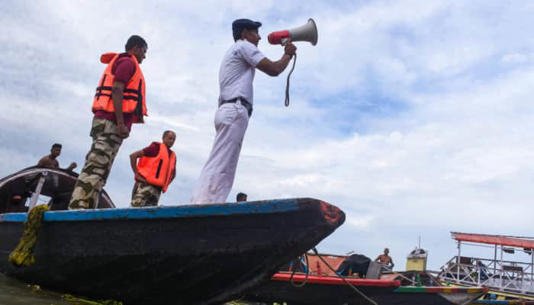
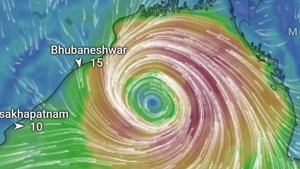
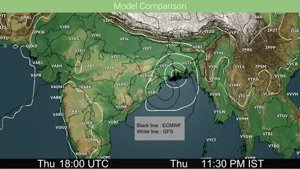
Cyclone Dana is set to make landfall in Odisha and West Bengal within the next 48 hours, as the India Meteorological Department (IMD) forecasts significant developments in the coming days. The cyclone is expected to bring extremely heavy rainfall and high winds, prompting authorities to take extensive precautionary measures.

Current Status

Cyclone Dana began as a low-pressure area over the Bay of Bengal, which intensified into a depression early Tuesday morning. The IMD has placed its location approximately 730 km from Paradip in Odisha and 740 km from Sagar Island in West Bengal. The depression is projected to evolve into a severe cyclonic storm by Wednesday, with landfall anticipated by Thursday night (October 24) or early Friday (October 25) in Odisha’s Puri and West Bengal’s Sagar Island.

Expected Impact

  • Rainfall: Both Odisha and West Bengal are bracing for heavy rainfall on October 24 and 25. The downpours are expected to continue through Friday, with areas forecast to experience extremely heavy rainfall, raising concerns about flooding and waterlogging.
  • Wind Speeds: High-speed winds are also predicted, with speeds expected to intensify as the cyclone approaches land. The storm could disrupt transportation systems, particularly road and rail services, and damage infrastructure.

Preparedness Measures

Authorities in both states are ramping up preparedness efforts to minimize the impact of Cyclone Dana.

  • Evacuations: Evacuations in vulnerable regions have already begun, with efforts underway to ensure the safety of residents in low-lying coastal areas.
  • Shelters: Around 800 cyclone shelters have been established in Odisha, with disaster management teams on high alert. The Odisha Disaster Rapid Action Force (ODRAF) has deployed 20 teams across affected regions to assist with preparedness operations and evacuations.

Authorities’ Response

IMD Director General Mrutyunjay Mohapatra emphasized that Odisha is likely to face the worst of the storm’s impact. State authorities are on high alert, closely monitoring the situation, and have initiated preparations to manage potential disruptions to roads, railways, and other essential services.

As Cyclone Dana inches closer to land, residents in affected areas are urged to stay updated via official government channels and to follow safety protocols issued by local authorities to ensure their safety.

Tragic Oxygen Cylinder Blast Claims Six Lives in Meerut Family, Including Pregnant Woman and Toddler

0

In a devastating incident in Meerut, an oxygen cylinder explosion claimed the lives of six family members, including a pregnant woman and a toddler. The blast, which occurred around 8 PM on Monday in Ashapuri Colony, Sikandrabad, Bulandshahr, partially collapsed their two-storey home, which also doubled as a warehouse for construction materials. The explosion was so intense that it was reportedly felt up to 500 meters away.

The deceased were identified as Mohd Riyazuddin (50), his wife Rukhsana (45), their sons Aas Mohammad (26) and Salman (16), daughter Tamanna (24), and her 3-year-old daughter Hifza. Two other sons, Shahrukh (26) and Siraj (30), sustained critical injuries, with Shahrukh being transferred to a hospital in Delhi for further treatment.

Tamanna’s husband, Mohd Rizwan, expressed his profound grief, revealing that his wife was nine months pregnant and had come to visit her ailing mother when the tragedy struck. Heartbroken, he mourned the loss of his wife, daughter, and unborn child.

Witnesses described the chaos following the explosion, with one local stating it felt like an earthquake due to the blast’s strength. Rescue teams, including local police and emergency services, worked tirelessly through the night to clear the rubble and recover the victims. The last rites for the family members were held on Tuesday afternoon.

Uttar Pradesh Chief Minister Yogi Adityanath has instructed officials to ensure the injured receive proper medical care. Bulandshahr District Magistrate Chandra Prakash Singh confirmed that 18 people were living in the house and that extensive rescue efforts were undertaken to find any survivors beneath the debris.

PM Modi Shares a Light-Hearted Moment with President Putin During Bilateral Meeting

0

During a recent bilateral meeting, Prime Minister Narendra Modi and Russian President Vladimir Putin shared a memorable lighthearted moment that captured the warmth of their relationship. As the two leaders discussed various matters of importance, Putin broke the formal atmosphere with a humorous remark that left everyone smiling.

In his characteristic style, Putin quipped, “We have such a relationship that I felt that you do not need any translation.” His words struck a chord, drawing laughter from Modi and others present. The moment was brief but significant, highlighting the easy camaraderie between the two leaders. Modi’s reaction showed not only amusement but also a sense of shared understanding.

The exchange was more than just a moment of humor. It reflected the deep diplomatic ties between India and Russia, cultivated over decades. The remark underscored how personal rapport can play a crucial role in international relations, where trust and mutual respect often pave the way for smoother negotiations and cooperation.

In a world where geopolitical relations can sometimes be fraught with tension, the friendly exchange between Modi and Putin stood out as a reminder that diplomacy isn’t just about formal discussions—it’s also about the human connection between leaders. Moments like these foster an atmosphere of trust, enhancing the cooperation that both nations have valued over the years.

Vinesh Phogat Responds to Allegations from Sakshi Malik Over Protest Participation

0

Wrestler Vinesh Phogat has addressed recent allegations made by fellow athlete Sakshi Malik regarding their participation in protests against former Wrestling Federation of India chief Brij Bhushan Sharan Singh. In her recently released book, Witness, Malik accused Phogat and fellow wrestler Bajrang Punia of undermining the protest’s credibility by opting for exemptions from the Asian Games trials, suggesting their actions were influenced by “greed.”

Malik criticized Phogat and Punia for their choices, arguing that these decisions portrayed the movement as “selfish” and led supporters to question the athletes’ motivations. She stated, “Nothing good came of Bajrang and Vinesh’s decision to take the exemption… it put us in a situation where many supporters started to think that we were actually in the protest for selfish reasons.”

In response, Phogat questioned the characterization of their actions as driven by greed. He remarked, “Greed for what? If speaking for the sisters is greed, I have this greed and this is good. If this is the greed—to bring an Olympic medal by representing the country—it’s a good greed.” He emphasized the importance of their fight for justice and representation in sports, asserting, “If standing up for fellow athletes and my sisters is greed, then I consider it good.”

Bajrang Punia also chimed in, downplaying any rift between himself and Malik. He reiterated that Malik’s opinions are her own but expressed confidence in their friendship, indicating that the controversy should not overshadow their shared goals.

This ongoing tension within the wrestling community highlights the challenges athletes face as they balance personal ambitions with collective advocacy against harassment in their sport. The athletes’ responses underscore a commitment to their cause while navigating the complexities of their relationships and public perceptions.