Sunday, June 28, 2026
Home Blog Page 36

Three Indian Schools Win World’s Best School Prizes 2024 for Excellence in Education and Innovation

0

In a remarkable achievement for India’s education sector, three Indian schools have been honored with the prestigious World’s Best School Prizes 2024. These accolades celebrate the schools’ excellence in addressing pressing societal and environmental challenges, further cementing India’s reputation for high educational standards.

The Winners

  • Ryan International School, Delhi: Recognized for its outstanding Environmental Action efforts, the school has made significant strides in fostering sustainability and environmental awareness among its students and the community.
  • CM RISE School Vinoba, Madhya Pradesh: This state-run institution, initially established to support tribal girls in an urban slum, won in the Innovation category. The school’s transformative work in providing quality education to underprivileged communities stands as a testament to the power of innovative educational practices.
  • Kalvi International Public School, Tamil Nadu: The school won the Community Choice Award—a category with 50 shortlisted contenders—highlighting its strong engagement with and support from the local community.

Each of these schools will receive USD 10,000 as part of the prize, helping further their ongoing efforts to improve educational outcomes and address community needs.

Celebrating India’s Success

Vikas Pota, Founder of T4 Education and the World’s Best School Prizes, expressed his pride in India’s accomplishment. “Having three schools from India win in this global competition is a tremendous achievement,” Pota said. “These schools set an example of how educational institutions can rise to societal challenges and commit to excellence. Governments around the world should look to them as models of what can be accomplished through dedication and innovation.”

This global recognition of Indian schools demonstrates the country’s growing influence in the field of education and its ongoing commitment to developing institutions that address social and environmental issues while providing world-class education to students.

Ian Bremmer Highlights India’s Strategic Rise on the Global Stage

0

In a recent interview, renowned American political scientist Ian Bremmer highlighted the unique geopolitical advantage that India currently holds. Bremmer remarked that among the world’s major countries, India stands out with its adept handling of international relations, maintaining a strong position across both Western and non-Western alliances. He sees India’s balanced approach as a testament to its strategic acumen in navigating the complex dynamics of global power.

Geopolitical Position: Bremmer described India as being “in the best geopolitical position among almost any major country in the world,” reflecting its success in securing its place on the global stage. He emphasized that India’s diplomatic finesse enables it to interact with a wide spectrum of global players, allowing it to remain neutral yet influential in an increasingly polarized world.

Strong Alliances: India’s robust alliances with the United States, Europe, and Japan were a central part of Bremmer’s insights. Describing these ties as “extremely strong,” he highlighted the economic, technological, and strategic benefits that these partnerships bring to India, strengthening its influence on issues from security to climate action.

Leadership of the Global South: Bremmer praised India’s leadership within the Global South, as recently demonstrated through its chairing of the G20 summit. India’s role as a bridge between developed and developing nations reinforces its identity as a voice for emerging economies, allowing it to balance the interests of different global blocs.

Engagement with China: Bremmer also discussed the recent bilateral talks between Prime Minister Narendra Modi and Chinese President Xi Jinping at the BRICS Summit. He viewed this engagement as an essential step toward stability, especially given China’s current economic challenges, which could lessen its desire for confrontation. According to Bremmer, India’s relationship with China is crucial, as it is both a significant economic partner and regional rival.

In Bremmer’s view, India’s balanced strategy positions it as a formidable player in global affairs, blending traditional diplomacy with modern partnerships. As India continues to maneuver the complexities of global power, its stance may serve as a model for countries striving to maintain influence in a rapidly changing world.

Reliance Industries to Relocate Dubai Crude Oil Trading Team Back to Mumbai

0

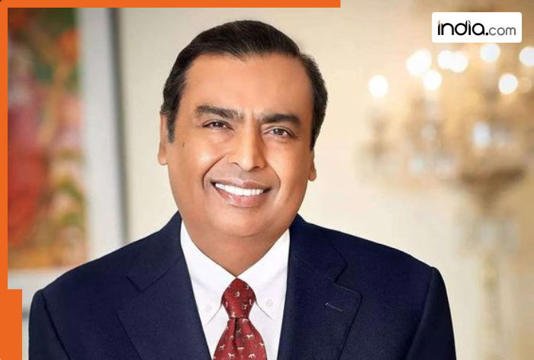
In a strategic move that underscores its adaptability in the global oil landscape, Mukesh Ambani’s Reliance Industries Ltd. is bringing its Dubai crude oil trading team back home to Mumbai. The decision, set to be implemented by the end of 2024, is an outcome of Reliance’s evolving partnerships with Russian and Middle Eastern oil suppliers, which have lessened its reliance on spot purchases, traditionally managed from the Dubai office.

Back in 2021, the story was quite different. The company’s decision to establish its trading base in Dubai came as the oil trade in the region exploded. The ongoing conflict in Ukraine turned Dubai into a critical hub for Russian oil, creating fertile ground for traders. Reliance moved swiftly, shifting its team to Dubai to seize the opportunity, embracing the bustling Middle Eastern trading environment with a goal to expand its presence in this growing market.

Now, three years later, things have shifted again. With long-term supply agreements from Russian and Middle Eastern producers now in place, Reliance is pivoting back to its roots in Mumbai. The restructuring will impact nearly 20 traders stationed in Dubai, most of whom will return to India. A handful will remain to handle product trading, ensuring Reliance’s strategic footprint remains intact in the region. This leaner Dubai operation aligns with the company’s focus on reducing operational costs associated with maintaining overseas teams, especially in light of current oil supply stability.

This move isn’t just a cost-saving measure; it signals a broader strategic shift for the company. Even as the crude team heads home, Reliance is planning to expand its trading presence in London, another pivotal step in its efforts to diversify and adapt to the global oil trade’s shifting sands.

For Reliance, this transition back to Mumbai reflects its relentless drive to adapt, responding to changing markets with a keen eye on operational efficiency. From Dubai to Mumbai, the company is forging ahead, fine-tuning its strategies to reinforce its position as a dominant force in the global oil industry.

Ratan Tata’s Will: Honoring Bonds and a Legacy of Compassion, Charity, and Generosity

0

Ratan Tata’s passing has brought renewed attention to his profound legacy, with the provisions in his will revealing the depth of his relationships and his commitment to philanthropy. Among the most striking inclusions is his trusted aide, Shantanu Naidu, a young engineer who became Tata’s close companion and executive assistant. Their bond, forged through Naidu’s innovative ideas in 2014, now finds a place in Tata’s final wishes. Tata’s will grants Naidu a remarkable gesture of support, relinquishing Tata’s stake in Goodfellows, Naidu’s companionship venture for the elderly, and waiving a personal loan Tata had extended for Naidu’s overseas education. These provisions underscore the trust and mentorship Tata extended, ensuring Naidu’s financial and professional growth is secure.


Beyond his personal connections, Tata’s will reflects his unwavering dedication to philanthropy. The bulk of his estate, an estimated ₹10,000 crore, is directed toward charitable initiatives managed by the Ratan Tata Endowment Foundation (RTEF), to be chaired by Tata Sons’ current chairman, N Chandrasekaran. This foundation will channel his wealth into causes close to his heart, ensuring his philanthropic mission continues for generations. Additionally, Tata’s family, including his half-sisters and brother, are provided for, while his beloved German Shepherd, Tito, will receive “unlimited care.” In every detail, Tata’s will reflects the values he upheld—compassion, loyalty, and a deep-seated belief in giving back—carrying his legacy far beyond his lifetime.

Supreme Court Slams CBI Over ‘Frivolous’ Petition Against Rhea Chakraborty: A Turning Point in High-Profile Legal Battle

0

In a landmark judgment on October 25, 2024, the Supreme Court of India provided a significant relief to actress Rhea Chakraborty and her family, dismissing a petition by the Central Bureau of Investigation (CBI) aimed at reinstating Look-out Circulars (LOCs) against them. The petition, stemming from the 2020 probe into actor Sushant Singh Rajput’s tragic death, came under sharp scrutiny from the bench of Justices BR Gavai and KV Viswanathan, who didn’t mince words, calling the CBI’s actions “frivolous” and cautioning against procedural misuse.

The court’s ruling backs a Bombay High Court decision from earlier this year, where the court questioned the necessity of travel restrictions imposed on Chakraborty, her brother Showik, and her father Lt. Col. Indrajit Chakraborty (retd.), given the lack of evidence suggesting any intent to evade the law.

Justice Gavai’s remarks highlighted broader issues surrounding judicial processes in cases involving public figures, emphasizing that justice should not be clouded by media hype or public attention. “The costs of filing petitions without substance could prove exemplary,” he noted sternly, directing his words at the CBI’s approach.

For Chakraborty and her family, this ruling marks a moment of respite amid years of intense scrutiny and legal battles. The Supreme Court’s comments underscore the fine line between diligent investigation and unnecessary judicial overreach, leaving a strong message about the importance of upholding justice without prejudice—no matter the fame of those involved.

The decision may prompt broader discussions about the legal treatment of high-profile individuals, shedding light on the need for a fair balance between public interest and individual rights within India’s justice system.

Delhi Shuts Schools After Diwali Due to Rising Pollution, Shifts to Online Classes

0

After Diwali, as Delhi’s air quality worsened, Chief Minister Arvind Kejriwal took swift action to protect the city’s children from the harmful effects of pollution. With the Air Quality Index (AQI) plunging into the “very poor” category, he announced the closure of primary schools for two days. This was followed by a decision to transition all classes up to Class V to online learning.


The move came as part of the Graded Response Action Plan (GRAP) Stage IV, aimed at combating severe air pollution. Schools were also instructed to minimize outdoor activities and encourage mask-wearing for older students to safeguard their health. As respiratory issues among students became a growing concern, the government’s quick response was seen as a necessary step to protect young lungs from the hazardous air, while ensuring that education could continue in a safer, virtual environment.

October is Breast Cancer Awareness Month: Yuvraj Singh’s Ad Sparks Controversy

0

As October unfolds, marking Breast Cancer Awareness Month, the initiative ‘You We Can,’ founded by former Indian cricketer Yuvraj Singh, has stirred controversy with its latest advertisement in the Delhi Metro. The ad, which featured provocative imagery, quickly ignited debates across social media, prompting many users to scrutinize its content and messaging.

In response to the growing backlash, the Delhi Metro announced the removal of the advertisement. The organization ‘You We Can’ issued a statement addressing the criticism, clarifying, “Our aim was to raise awareness about breast cancer through this advertisement. We did not intend to hurt anyone.”

This incident underscores the sensitivity surrounding health awareness campaigns and highlights the critical role of public perception. While the intention was to promote awareness, the execution has sparked discussions about the delicate balance between impactful messaging and the risk of objectification.

As the conversation continues, our News channel dedicated the one article every day for women health care  postive life you can join us here , emphasizing the need for education.


A Pivotal Encounter: Modi and Xi’s Meeting at BRICS 2024

0

Kazan, Russia – On October 23, 2024, the world watched as Prime Minister Narendra Modi and President Xi Jinping met for the first time in over five years, amid the backdrop of the BRICS summit. This meeting came after a tense period marked by the 2020 border clash in the Galwan Valley, which had strained relations between India and China.


The discussions aimed to address underlying fears and aspirations shared by both nations. Modi emphasized the significance of India-China relations for global peace and stability. He stressed the necessity for mutual respect and open dialogue, particularly concerning border issues, showcasing an optimistic outlook on the potential for strengthened ties.


Following the meeting, both leaders expressed support for a new border patrolling agreement, a development that hinted at a thaw in their historically fraught relationship. This encounter took place shortly after both countries reached a preliminary agreement regarding the patrolling of their Himalayan border, a long-standing source of tension.

However, as the dust settled, notable discrepancies in the statements from both nations emerged, reflecting the complexities of their diplomatic engagements.

In the aftermath of the meeting, PM Modi articulated a hopeful vision for India-China relations. He portrayed the discussions as a crucial step toward fostering friendship and cooperation. “Our relationship is vital for global peace,” he declared, underscoring the importance of dialogue to resolve issues amicable

In contrast, the Chinese Foreign Ministry took a more reserved approach. While acknowledging progress on border matters, they refrained from providing specific details. President Xi Jinping highlighted the necessity for both nations to manage their differences in pursuit of developmental goals but did not commit to any explicit agreements. This cautious tone suggested a desire to maintain strategic ambiguity.

The divergence in statements was striking. India embraced the meeting as a positive stride toward friendship, while China opted for a more measured response, simply recognizing progress without enthusiasm. Furthermore, China avoided discussing specifics such as troop withdrawals, whereas India actively supported the dialogue around border patrol agreements.


This contrast in rhetoric not only illustrates the complexities of India-China relations but also reflects their differing priorities and strategies in navigating diplomatic waters. As both nations move forward, the meeting at Kazan marks a critical juncture, offering a potential path for cooperation amid broader geopolitical dynamics, including India’s increasing alignment with the United States through alliances like the Quad.


As the world watches closely, the coming months will reveal whether this encounter will indeed pave the way for a new chapter in India-China relations or whether underlying tensions will continue to influence their interactions.

Nirmala Sitharaman Engages with World Bank President on Crucial Topics

0

Union Finance Minister Nirmala Sitharaman met with World Bank President Ajay Banga during the World Bank and International Monetary Fund (IMF) Annual Meetings 2024 in Washington, DC.The discussion centered on several important issues, including the involvement of private capital in global public goods, energy security, and the reforms needed for multilateral development banks (MDBs).Sitharaman expressed her anticipation for the World Bank to advance the recommendations from the Independent Evaluation Group (IEG) regarding MDB reforms stemming from India’s G20 Presidency. The Ministry of Finance shared on social media platform X: “Today, Union Minister for Finance and Corporate Affairs Smt. @nsitharaman met Mr. Ajay Banga, President @WorldBank, at the #AnnualMeetings2024 in Washington DC. The dialogue included private capital participation in global public goods, #Energy security, and #MDBs reforms. The statement further highlighted the Finance Minister’s eagerness for the World Bank to implement the IEG’s recommendations from India’s G20 Presidency, emphasizing the need for consistent monitoring of these initiatives in the future.

Cyclone Dana Intensifies, Evacuations Underway as Landfall Nears Odisha and West Bengal

0

Cyclone Dana is intensifying as it nears the Odisha and West Bengal coasts, with landfall expected between Bhitarkanika National Park and Dhamra Port early on Friday. The Indian Meteorological Department (IMD) has predicted wind speeds of up to 120 km/h and heavy rainfall across several states, triggering evacuation measures for nearly 1.5 million residents in vulnerable areas.


Landfall Timing: Cyclone Dana is forecasted to land on the night of 24 October, continuing into the morning of 25 October. The IMD estimates the landfall process will take approximately 5-6 hours.

Evacuations: A staggering number of over 300,000 people have already been evacuated from coastal regions in Odisha, with further evacuations underway. The state government is working tirelessly to relocate about 1 million residents from 14 districts, underscoring the gravity of the situation.

Weather Alerts: A red alert has been issued for seven districts in Odisha, while West Bengal and Jharkhand are also on high alert. Heavy to weighty rainfall is expected, especially in Balasore, Mayurbhanj, and Jajpur districts.

Government Response

Chief Minister Mohan Charan Majhi has taken proactive measures by convening high-level meetings to ensure the state’s preparedness, emphasizing the goal of zero casualties during the cyclone. Relief teams, including the National Disaster Response Force (NDRF), are on standby, ready to respond to affected areas, providing a sense of reassurance to the public.

Impact on Transportation

Flight operations at Bhubaneswar airport will be suspended for 16 hours starting Thursday evening, and train services have also been severely disrupted as the cyclone approaches.

Expected Conditions

In addition to strong winds, Cyclone Dana is expected to bring a tidal surge of up to 2 meters, creating a multi-hazard scenario for coastal communities. Heavy rainfall has already begun impacting parts of Odisha, with reports of blocked roads in several districts.

Residents are urged to stay indoors and comply with evacuation orders as Cyclone Dana approaches. With authorities working around the clock to minimize the storm’s impact, it’s crucial that everyone follows these orders to ensure their safety and the safety of others, underscoring the urgency of the situation.