Sunday, June 28, 2026
Home Blog Page 29

The Supreme Court Orders ₹25 Lakh Compensation Over Illegal Demolition by UP Government

0

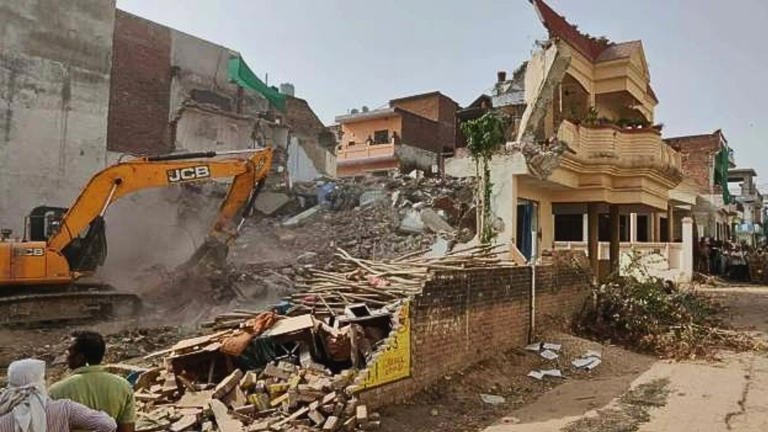
The Supreme Court of India criticized the Uttar Pradesh government for the illegal demolition of a house in Maharajganj district, ordering the state to pay ₹25 lakh in compensation. During a recent hearing on November 6, 2024, the court labeled the government’s actions as “high-handed” and lacking legal authority.

Key Points from the Supreme Court’s Ruling

Illegal Demolition: The court ruled that officials demolished the home without following due process. Notably, they served no formal notice to the homeowner, Manoj Tibrewal Aakash, beforehand. Instead, authorities announced the demolition through loudspeakers, which the court found unacceptable.

Compensation Ordered: The Supreme Court ordered the UP government to pay ₹25 lakh as punitive compensation to Aakash. This amount serves as interim compensation, allowing Aakash to seek further legal action if desired.

Accountability Demanded: The court directed UP’s Chief Secretary to investigate the officials involved in the demolition and to apply disciplinary actions if necessary. The court emphasized that such actions must face consequences.

New Guidelines for Future Actions: To prevent similar incidents, the Supreme Court outlined procedures that all states must follow before demolitions for road widening or similar projects. These include verifying road dimensions, issuing formal notices for encroachments, and giving residents a chance to respond.

Court’s Remarks

Chief Justice DY Chandrachud sharply criticized the UP government’s approach, stating, “You can’t just roll in with bulldozers and demolish homes overnight.” He stressed that demolishing homes without legal procedures violates citizens’ rights. Justice JB Pardiwala also pointed out the need for formal notifications over public announcements, urging legal adherence in such cases.

This ruling reinforces property rights and sets a precedent for state authorities, underscoring the need for due process in demolitions.

छठ पूजा का दूसरा दिन: श्रद्धा और आस्था से भरा खरणा का पर्व

0

6 नवंबर, 2024 की संध्या को, जैसे ही सूर्य क्षितिज के करीब पहुंचा, भारत के कई घरों में, विशेषकर बिहार और उत्तर प्रदेश में, श्रद्धा और उत्साह का वातावरण व्याप्त हो गया। यह छठ पूजा का दूसरा दिन, खरणा का अवसर था—एक ऐसा विशेष दिन, जो सूर्य देव और उनकी पत्नी उषा को समर्पित इस चार दिवसीय पवित्र पर्व में केंद्रीय भूमिका निभाता है।

खरणा का महत्व

खरणा का दिन परंपराओं और आध्यात्मिकता में गहराई से रचा-बसा होता है। यह आत्म-शुद्धि, आत्म-चिंतन, और आने वाले मुख्य अनुष्ठानों के लिए तैयारी का अवसर है। इस दिन व्रती सूर्योदय से सूर्यास्त तक निर्जल व्रत रखते हैं, जिसमें केवल जल और गुड़ का सेवन किया जाता है। यह उपवास न केवल शारीरिक तपस्या है, बल्कि एक आत्मिक शुद्धिकरण भी है, जो आने वाले दिनों की गहन भक्ति के लिए उन्हें मानसिक और आध्यात्मिक रूप से तैयार करता है।

सुबह की तैयारियाँ

सूर्योदय के साथ ही परिवारों ने विशेष गंभीरता और पवित्रता के साथ दिन की शुरुआत की। घरों में ताजे प्रसाद की सुगंध फैली हुई थी, क्योंकि महिलाएँ परंपरागत व्यंजन तैयार करने में जुट गई थीं। इस तैयारी का मुख्य केंद्र खरा था, जो गुड़, गेहूं के आटे और पानी से बना एक मीठा प्रसाद है। यह प्रसाद आभार और समर्पण का प्रतीक है और शाम को व्रत खोलने के लिए आवश्यक माना जाता है।

दिनभर, व्रती स्नान और घर की सफाई करते हैं ताकि एक पवित्र वातावरण का निर्माण हो सके। मान्यता है कि यह शुद्धि अनिवार्य है ताकि उनकी प्रार्थनाएँ पूर्णता को प्राप्त हों।

शाम की तैयारी

शाम का समय जैसे-जैसे करीब आता गया, वातावरण में एक उल्लासपूर्ण सजीवता थी। परिवारजन चूल्हों पर खरा पकाने में जुट गए, इसे अत्यंत स्नेह और भक्ति के साथ तैयार किया गया। व्रती स्वयं इस पकवान को बनाने का कार्य करते हैं, जिससे त्याग और समर्पण का भाव स्पष्ट रूप से झलकता है।

प्रार्थना के लिए एक पवित्र स्थान सजाया गया, जिसमें फल, मिठाइयाँ, और तैयार खरा प्रमुख रूप से रखा गया। सूर्य देव का प्रतीक एक पीतल या मिट्टी का पात्र वहां रखा गया, और परिवारजन उसके चारों ओर एकत्र हुए। भजनों के स्वर गूंज उठे, और वातावरण भक्तिमय हो गया।

व्रत का समापन

प्रार्थना के बाद, व्रत खोलने का समय आया। परिवार के हर सदस्य ने खरा और अन्य प्रसाद मिल बाँटकर ग्रहण किया। यह साझा भोजन एकता, पारिवारिक स्नेह, और सामूहिक आस्था का प्रतीक बना। प्रसाद का आनंद लेते हुए एक हंसी-खुशी का माहौल था, जो उनके विश्वास और भक्ति को दर्शाता था।

खरा ग्रहण करने के बाद, कई व्रती अपने दरवाजे बंद कर इस पवित्र क्षण की शांति को बरकरार रखते हैं। यह प्रथा उन्हें अपनी आध्यात्मिक यात्रा पर चिंतन का अवसर देती है और अगले दिन की कठिन साधना के लिए तैयार करती है।

सामुदायिक भावना

खरणा का दिन समाज में एकता और सामूहिकता का प्रतीक भी है। पड़ोसी एक-दूसरे के साथ प्रसाद और आशीर्वाद का आदान-प्रदान करते हैं। इस अवसर पर हर परिवार अपने धर्म और सांस्कृतिक धरोहर का उत्सव मानता है।

रात होते-होते, व्रती तीसरे दिन के कठिन व्रत की तैयारी में जुट जाते हैं। वे जानते हैं कि खरणा केवल एक व्रत नहीं है, बल्कि स्वास्थ्य, समृद्धि और आत्मिक उन्नति का संकल्प है।

इस प्रकार, छठ पूजा का दूसरा दिन श्रद्धा, अनुशासन, और सामुदायिक भावना की अद्वितीय अभिव्यक्ति बनकर सामने आता है। आस्था और कृतज्ञता से भरे हुए मन के साथ व्रती इस पवित्र पर्व के अगले चरण की ओर अग्रसर होते हैं। यह पर्व केवल प्रकृति की संपत्ति का सम्मान ही नहीं, बल्कि उन गहरी परंपराओं का भी उत्सव है, जो पीढ़ियों से भारतीय समाज का अभिन्न हिस्सा रही हैं। खरणा का असली सार है—हृदय की पवित्रता और सूर्य देव के दिव्य आशीर्वाद में अटूट विश्वास।

RBI Governor Warns of High October Inflation, Signals Cautious Approach on Interest Rates

0

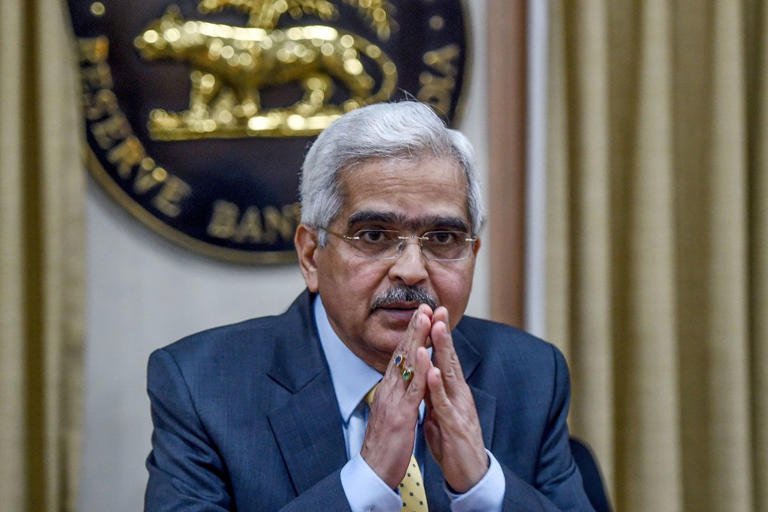
Reserve Bank of India (RBI) Governor Shaktikanta Das has issued a caution regarding a potential spike in inflation for October 2024, suggesting that the central bank remains alert to take necessary measures. Speaking at a recent event in Mumbai, Das emphasized the “significant upside risk to inflation,” indicating the RBI’s readiness to respond to any sustained inflationary pressures before revisiting interest rate adjustments.

  • Inflation Outlook: Das highlighted that October inflation is expected to be higher than in previous months, building on an unexpected inflation surge in September. This rising trend has raised concerns about enduring price pressures across the economy, necessitating continued vigilance.
  • Interest Rate Policy: Although the RBI recently shifted to a more neutral stance on monetary policy, Das dismissed the likelihood of an imminent rate cut. He stated that a rate reduction at this stage would be “very, very risky,” with inflation currently around 5.5% and projected to remain elevated in the near term.
  • Global Context: Das’s comments reflect a measured approach amidst global trends of central banks easing monetary policies. He clarified that the RBI’s policy decisions would be based on India’s economic conditions rather than blindly aligning with global easing trends, underscoring the need for cautious action.

Future Actions and Considerations

Das reiterated that any future monetary policy adjustments will rely heavily on incoming data and an assessment of inflation over the next 6–12 months. He stated that a rate cut would only be considered once there is greater confidence that inflation can sustainably align with the RBI’s target of 4%.

Donald Trump Makes Historic Comeback, Wins 2024 U.S. Presidential Election

0

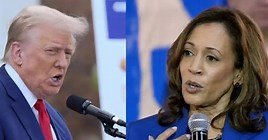
Donald Trump has made a historic comeback in the 2024 U.S. presidential election, defeating Vice President Kamala Harris to become the 47th President of the United States. This remarkable victory makes Trump the first president since Grover Cleveland to serve two non-consecutive terms, marking his return to the White House after his initial presidency from 2016 to 2020.

In response to Trump’s win, Indian Prime Minister Narendra Modi extended his congratulations, reaffirming the longstanding relationship between India and the United States. Modi expressed optimism for continued collaboration, noting that Trump’s leadership could further strengthen the strategic partnership between the two nations in areas such as trade, defense, and technology.

Key Highlights of Trump’s Victory

  • Election Outcome: Trump captured all seven key swing states, including Georgia, Pennsylvania, and North Carolina, securing a clear path to victory. His campaign centered on promises to restore the “American dream” through economic revitalization and strict immigration policies, including mass deportations of undocumented immigrants.
  • Campaign Dynamics: Trump’s campaign drew support from influential figures like billionaire Elon Musk. Despite facing numerous legal challenges and even an assassination attempt, Trump maintained a strong base, emerging from a competitive Republican primary and achieving victory in the general election.
  • Harris’s Historic Candidacy: Kamala Harris made history as the first woman of color to secure a major party’s presidential nomination. While her campaign focused on healthcare, reproductive rights, and economic equity, she ultimately fell short in crucial battleground states.
  • Public Reaction: Trump celebrated his victory in Florida with a message of unity, addressing an enthusiastic crowd. He declared the election part of “the greatest political movement of all time,” underscoring his resilience and the widespread support he received.

Implications of Trump’s Win

Trump’s return is expected to bring continuity to his hardline policies, especially in areas like immigration and foreign policy. He has already indicated plans to address international conflicts and reinforce U.S. borders. For the Republican Party, this victory solidifies a pathway forward as it seeks to expand its influence in Congress.

Prime Minister Modi’s congratulatory message also reflects the shared goals between India and the U.S. As Trump prepares for his second term, the focus will be on fostering cooperation and addressing global challenges together, as both nations continue to build on their strategic partnership.

2024 U.S. Presidential Election: Early Results Point to Tight Race Between Trump and Harris

0

As the 2024 U.S. presidential election unfolds, initial results reveal an intense contest between former President Donald Trump and Vice President Kamala Harris. Fox News has projected Trump as the likely winner, positioning him to become the 47th President of the United States.

Key Election Updates

  • Early Results: Trump has claimed victories in states such as Indiana and Kentucky, while Harris has won Vermont. Counting is still underway in key battlegrounds like Georgia, Michigan, and Pennsylvania, which are crucial for both candidates’ paths to victory.
  • Electoral Votes: To secure the presidency, each candidate needs at least 270 electoral votes. Trump is currently leading in multiple swing states, contributing to his projected edge, while Harris is focusing on her strongholds to bridge the gap.
  • Campaign Highlights: In their final campaign pushes, Harris focused on a vision of fresh leadership, while Trump underscored his dedication to issues like economic growth and immigration during rallies across various states.
  • Controversies: Trump has raised allegations of election fraud in cities such as Philadelphia and Detroit, though local officials have dismissed these claims as unfounded, echoing similar disputes from previous elections.

Developing Electoral Map

The electoral map remains fluid, with several states still too close to call. Early trends show Trump performing strongly in traditionally Republican states, while a fierce contest continues in critical swing states where both candidates are vying for essential electoral votes.

Looking Ahead

As more results are reported, attention is fixed on battleground states that will ultimately determine the election’s outcome. Both campaigns are bracing for potential scenarios as the vote count continues into the night, marking one of the most closely watched elections in recent history.

Rahul Gandhi Criticizes Monopolistic Practices, Calls for Support of Ethical Indian Businesses

0

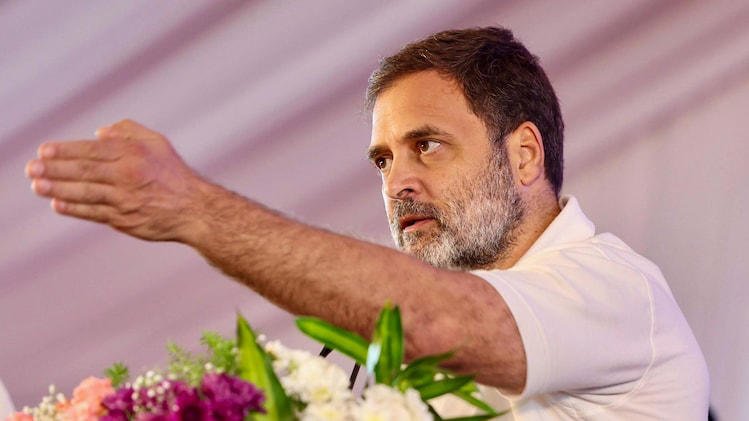
In a recent opinion piece, Rahul Gandhi, Leader of Opposition in the Lok Sabha and a senior Congress figure, expressed concern over monopolistic practices in the Indian corporate sector, drawing comparisons to the exploitative methods of the historical East India Company. Gandhi argues that a new class of monopolists is emerging, which he believes is undermining competition and innovation within India’s economy. At the same time, he applauds various “play-fair” businesses that have positively impacted the economy through ethical practices.

Key Points from Rahul Gandhi’s Commentary

  • Monopolistic Practices: Gandhi criticized certain corporations for creating an oppressive business landscape that stifles competition, echoing the dominance once exerted by the East India Company, which imposed harsh terms and devastated local industries.
  • Fear Among Entrepreneurs: He noted that many business leaders feel pressured to remain silent about such monopolistic tendencies due to fears of government reprisals, such as raids by tax and investigative agencies.
  • Support for Ethical Businesses: Gandhi acknowledged the resilience of many “play-fair” businesses, emphasizing entrepreneurs like Peyush Bansal of Lenskart and F.C. Kohli of Tata Consultancy Services, who have maintained ethical standards despite market challenges.

Examples of Ethical Indian Businesses

Gandhi highlighted companies across industries that demonstrate fair practices and contribute positively to India’s economy:

  • Startups and Emerging Firms: Tynor, InMobi, Zomato, Fractal Analytics, Araku Coffee.
  • Established Brands: L&T, Haldiram, Aravind Eye Hospital, Indigo Airlines, Asian Paints, HDFC Group, Bajaj Auto, Cipla, Mahindra & Mahindra, Titan.

A Call for Financial Institutions’ Support

Gandhi urged banks and financial institutions to diversify their support beyond a limited pool of powerful corporations and to extend it to ethical businesses that foster a fair and vibrant economic environment. He argued that nurturing a level playing field is essential for sustainable growth and social equity in India.

This commentary aligns with Gandhi’s broader vision to protect small enterprises and ensure equitable opportunities within India’s economic landscape.

Tensions Rise in Maha Vikas Aghadi as Rebel Candidates Complicate Maharashtra Assembly Elections

0

With the Maharashtra Assembly Elections set for November 20, 2024, tensions are brewing within the Maha Vikas Aghadi (MVA) coalition, which comprises the Shiv Sena (Uddhav Balasaheb Thackeray faction), Nationalist Congress Party (NCP), and Congress. The coalition faces unexpected challenges as rebel candidates refuse to withdraw their nominations, creating a complex electoral scenario for the alliance as it prepares to face off against the rival Mahayuti Alliance led by the BJP, Eknath Shinde’s Shiv Sena, and Ajit Pawar’s faction of the NCP.

  • Rebel Candidates: Certain MVA rebel candidates have refused to step down, complicating efforts to consolidate the alliance’s voter base. This dissent poses a significant obstacle as the coalition aims to present a unified front against the Mahayuti Alliance.
  • Seat Sharing Agreement: The MVA recently announced a seat-sharing arrangement, allocating 85 seats among its partners. However, internal dissent threatens to disrupt this fragile arrangement, reflecting a broader pattern of fragmentation and shifting loyalties within Maharashtra’s political landscape.
  • Election Timeline: The Election Commission has set important dates, with the final date for withdrawal of nominations on November 4, polling on November 20, and results expected on November 23.

Political Context and Historical Background

The current elections underscore a fractured political landscape following previous alliances and splits. The MVA formed after a historic realignment in Maharashtra politics, with Uddhav Thackeray’s Shiv Sena joining forces with long-time rivals Congress and the NCP after breaking ties with the BJP. This election cycle will be a litmus test for these unconventional alliances, as they face intense competition amid a potential for voter fragmentation.

Implications for the Election Outcome

The divisions within the MVA raise concerns over its electoral performance, as vote-splitting could weaken its position and potentially benefit the Mahayuti Alliance. Political analysts warn that the presence of independent candidates and rebels may further complicate the race, underscoring the need for the MVA to manage candidate lists and voter outreach effectively. The ability to contain internal dissent and present a cohesive front will be crucial for the coalition’s chances in this high-stakes election.

Celebrating Chhath puja : How India’s Festival Season Fuels Local Economies

0

As the Chhath Festival unfolds from November 5 to November 8, 2024, it promises to bring a substantial economic uplift, with the Confederation of All India Traders (CAIT) projecting trade volumes reaching around Rs 12,000 crore nationwide. This vibrant celebration, deeply rooted in the Purvanchali communities of Bihar, Jharkhand, and beyond, is expected to draw around 150 million people, uniting for rituals that honor the sun.

Economic Impact of Chhath Puja

  • Trade Volume: The Chhath festivities are projected to boost trade by an impressive Rs 12,000 crore, as per CAIT’s estimates.
  • Participants: Nearly 150 million people are anticipated to engage in the rituals and festive shopping, contributing significantly to local economies.

Shopping Trends Driving Markets

Markets across India are witnessing an influx of shoppers collecting traditional items essential for Chhath. Key purchases include:

  • Traditional Offerings: Items like bamboo baskets, banana leaves, sugarcane, coconuts, apples, bananas, sweets, and vegetables are flying off the shelves.
  • Festive Attire: The demand for traditional attire such as sarees and kurta-pajamas has surged, benefiting local artisans and small-scale industries.

Cultural Significance and Support for Local Economies

Chhath Puja transcends religious boundaries, emerging as a celebration of cultural unity and local economic vitality. CAIT highlights that the festival reinforces the “Vocal for Local” and “Aatmanirbhar Bharat” (Self-Reliant India) initiatives by fostering demand for locally produced goods, boosting small-scale industries, and creating seasonal job opportunities.

Legendary Folk Singer Sharda Sinha Passes Away at 72; Bihar and India Mourn an Iconic Voice

0

Delhi, November 5, 2024 – Sharda Sinha, the legendary folk singer whose soulful renditions of traditional songs became synonymous with the Bihar festival of Chhath, passed away at AIIMS Delhi at 9:20 PM today. Sinha, aged 72, had been on ventilator support in recent days, fighting multiple myeloma, a type of blood cancer. Her son, Anshuman Sinha, confirmed her passing, stating that she succumbed to complications from septic shock.

Known as the “Bihar Kokila,” Sinha’s voice brought the rich cultural heritage of Bihar to the national stage. Her contributions were recognized with the prestigious Padma Bhushan in 2018 and the Padma Vibhushan, India’s second-highest civilian award, honoring her enduring legacy in folk music. Her songs, especially during the Chhath Puja festival, became anthems of devotion and celebration, making her a household name among Biharis worldwide.

Earlier today, Prime Minister Narendra Modi reached out to her family, offering condolences and support in this difficult time. Bihar Chief Minister Nitish Kumar also expressed his sorrow, calling Sinha’s death an “irreplaceable loss” for both the state and the nation. “She was not only an artist but a cultural icon whose voice carried the spirit of Bihar,” Kumar said.

Sinha’s music career spanned over five decades, during which she captivated audiences with her authentic renditions of Bhojpuri, Maithili, and Magahi songs. Her voice was a bridge between generations, and her impact on Bihar’s cultural identity will continue to resonate for years to come. Fans across India are mourning the loss of this beloved artist, whose legacy will live on through her timeless music.

Indian MMA Fighter Sangram Singh Announces Second Fight in the U.S., Set for February 2025

0

Indian MMA fighter Sangram Singh has officially confirmed his second fight, scheduled for February 2025 in the United States, marking a pivotal moment in his career as he looks to build on his impressive journey in mixed martial arts. Singh, celebrated as the first Indian male wrestler to win an MMA bout, has successfully transitioned from wrestling to MMA, capturing attention and admiration worldwide.

Singh was recently recognized with the prestigious International Innovators Change Makers Award, highlighting his influence as an athlete who breaks boundaries and defies age-related expectations. Now in his 40s, Singh continues to push himself in the sport, reinforcing his belief that age should never limit aspirations or achievements.

While details of his opponent remain undisclosed, Singh’s dedication to rigorous training showcases his commitment to inspiring others to overcome personal challenges. His journey exemplifies resilience and serves as a reminder that it’s never too late to pursue dreams, no matter the obstacles.