Sunday, June 28, 2026
Home Blog Page 28

छठ पूजा के चौथे दिन: उषा अर्घ्य और अंतिम पूजा समारोह

0

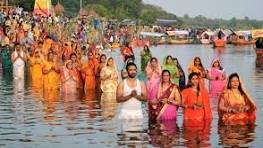
छठ पूजा का चौथा और अंतिम दिन, जिसे उषा अर्घ्य के नाम से जाना जाता है, श्रद्धालुओं द्वारा जलाशयों, नदियों या तालाबों के किनारे उगते सूर्य को अर्घ्य देने के साथ मनाया जाता है। यह दिन उषा, यानी प्रातः काल की पहली किरण की पूजा करने का होता है, जो आशा, पवित्रता और मनोकामनाओं की पूर्ति का प्रतीक मानी जाती है।

उषा अर्घ्य का महत्व और पूजन विधि
इस दिन, जो श्रद्धालु चार दिन तक उपवासी रहते हैं, वे उगते सूर्य को अर्घ्य अर्पित करते हैं। परिवार एकजुट होकर पारंपरिक वस्त्र पहनते हैं और दौरा (टोकरी) में फल, फूल और विशेष पकवान जैसे ठेकुआ (छठ का विशेष मिष्ठान), चावल, नारियल आदि लेकर नदी या तालाब के किनारे जाते हैं। श्रद्धालु मंत्रोच्चारण करते हुए ये अर्पण जल में प्रवाहित करते हैं, साथ ही अपने परिवार और समाज की सुख-समृद्धि, स्वास्थ्य और खुशहाली के लिए प्रार्थना करते हैं।

उषा अर्घ्य के बाद उपवास समाप्त होता है और श्रद्धालु पहला भोजन, जिसे परान कहा जाता है, ग्रहण करते हैं। यह भोजन साधारण और पारंपरिक होता है, जिसे परिवार के सदस्य मिलकर आनंद के साथ खाते हैं।

छठ पूजा और उषा अर्घ्य का धार्मिक महत्व
छठ पूजा हिंदू धर्म में विशेष स्थान रखती है, खासकर बिहार, उत्तर प्रदेश और झारखंड में। यह पूजा सूर्य देव और छठी मइया, जिन्हें देवी शष्टी का रूप माना जाता है, की पूजा होती है। उषा अर्घ्य सूर्य देव और जल के महत्व को स्वीकार करते हुए जीवन के संरक्षण और ऊर्जा के स्रोत के रूप में उनकी महिमा का acknowledgment है।

यह चार दिवसीय त्योहार मनुष्य और प्रकृति के बीच के रिश्ते को प्रदर्शित करता है, जो पवित्रता, धैर्य और श्रद्धा का प्रतीक है। उषा अर्घ्य का विशेष अर्थ यह है कि यह एक नई शुरुआत की ओर इशारा करता है, जब सूर्य देव की कृपा से जीवन और प्रकाश इस धरती पर आता है।

India Declines to Play ICC Champions Trophy Matches in Pakistan, Cites Security Concerns

0

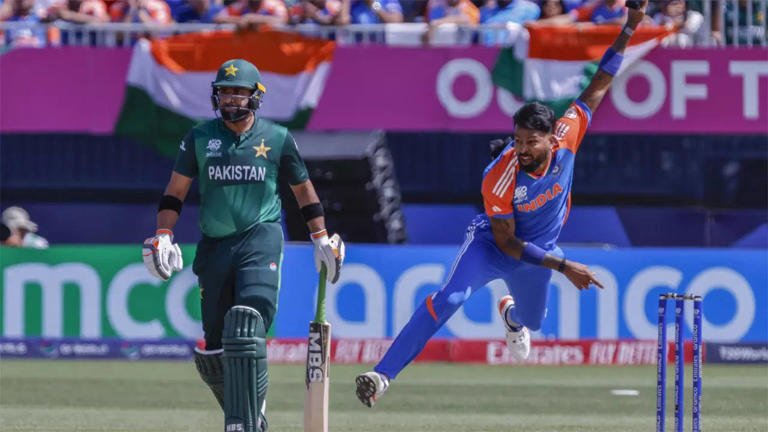
India has officially decided not to travel to Pakistan for the upcoming ICC Champions Trophy in 2025, citing security concerns as the reason behind this decision. Instead, the Board of Control for Cricket in India (BCCI) has requested that all its matches be held in Dubai.

A source close to the BCCI shared, “This has been our stance and there is no reason to change that. We have written to them and asked them to shift our games to Dubai.” The Champions Trophy is scheduled for February 19 to March 9, 2025, with matches set to take place in Karachi, Lahore, and Rawalpindi. However, India’s games will be relocated if the BCCI’s request is accepted.

The decision follows a recent meeting between India’s External Affairs Minister S. Jaishankar and Pakistan’s Deputy Prime Minister Muhammad Ishaq Dar, which briefly raised hopes for improved cricketing ties. Despite the Pakistan Cricket Board’s (PCB) efforts to accommodate India’s participation, including an option for the Indian team to return home after each match, the BCCI remains steadfast in its position.

Cricketing ties between India and Pakistan have long been strained, especially since the 2008 Mumbai attacks. While Pakistan has successfully hosted international teams in recent years, India has not toured Pakistan since the 2006 ODI series. The BCCI’s decision underscores the persistent security concerns and the ongoing complexities of diplomatic relations between the two neighbors.

Bollywood Actor Vikrant Massey Faces Death Threats Over New Film The Sabarmati Report on Godhra Train Incident

0

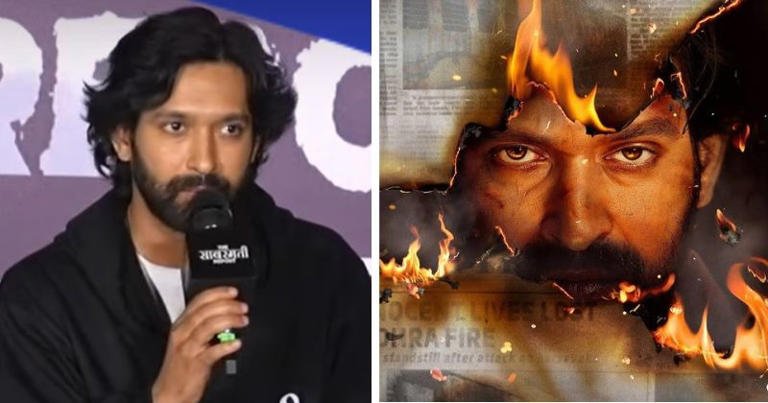
Bollywood actor Vikrant Massey has revealed that he is receiving death threats ahead of the release of his upcoming film, The Sabarmati Report. The film delves into the sensitive topic of the 2002 Godhra train burning, a tragedy that remains a subject of intense debate in India. This revelation comes on the heels of similar threats faced by actor Salman Khan from the Lawrence Bishnoi gang in connection to the Blackbuck case.

At the trailer launch for The Sabarmati Report, Massey, widely known for his roles in 12th Fail and the popular web series Mirzapur, addressed the threats head-on. “Yes, I have been receiving threats, and more are coming,” Massey confirmed, adding, “But we are artists, and we tell stories.” He emphasized that the film is based on documented events, and his team is prepared to navigate the challenges.

The trailer has been well-received by audiences, with fans praising its courage to confront difficult truths. Social media comments reflect viewers’ appreciation for films that explore critical historical events and their eagerness to see this approach more widely adopted in Bollywood.

Directed by Dheeraj Sarna and produced by Shobha Kapoor, Ektaa R Kapoor, Amul V Mohan, and Anshul Mohan, The Sabarmati Report is a tribute to those who lost their lives in the tragic incident. In the film, Massey plays a journalist dedicated to uncovering the truth behind the Godhra train tragedy. The cast also includes Raashi Khanna and Riddi Dogra, with the movie set for release in theaters on November 15, 2024.

Canada Bans Australia Today After Broadcasting Jaishankar’s Press Conference Amid Growing Diplomatic Tensions

0

In a surprising move, Canada has banned the Australian news outlet Australia Today shortly after it aired a press conference by Indian External Affairs Minister S. Jaishankar. This decision comes amid escalating diplomatic tensions between Canada and India over allegations that India was involved in the assassination of Khalistani separatist Hardeep Singh Nijjar.

Jaishankar’s remarks, made during a joint press event with Australian Foreign Minister Penny Wong, included pointed criticisms of Canada’s handling of accusations against India. He specifically questioned Canada’s lack of evidence in alleging India’s involvement in Nijjar’s death, raising further concerns about the treatment of Indian diplomats in Canada and the political support given to anti-India groups within Canadian borders. The minister referenced recent incidents, including vandalism at a Hindu temple in Brampton, as indicative of a growing problem of extremism.

Within hours of the broadcast, Australia Today was blocked from Canadian airwaves, sparking an immediate response from the outlet. Jitarth Jai Bharadwaj, the Managing Editor of Australia Today, stated that the platform remained “undeterred” by Canada’s decision and reaffirmed its commitment to free and transparent journalism. He emphasized that, despite obstacles, Australia Today would continue to report critical stories affecting the Indian diaspora and international audiences.

India’s Ministry of External Affairs also reacted strongly, calling the ban hypocritical in light of Canada’s claims to uphold freedom of speech. Ministry spokesperson Randhir Jaiswal expressed India’s frustration, pointing out that Canada often suppresses dissenting voices while simultaneously making unsubstantiated allegations against India.

This diplomatic flare-up comes after a series of tense exchanges between the two nations. Prime Minister Justin Trudeau previously accused India of involvement in Nijjar’s killing, leading to reciprocal diplomatic actions and heightened scrutiny on both sides. As relations sour, issues of national security and press freedom are now at the forefront of the Canada-India dispute, with both sides questioning each other’s commitment to transparency and the rule of law.

The ban on Australia Today is the latest development in an increasingly complex saga, raising important questions about the limits of freedom of expression in the midst of escalating international tensions

MHA Issues Advisory to States on Handling Media Reports Regarding Radioactive Material Seizures

0

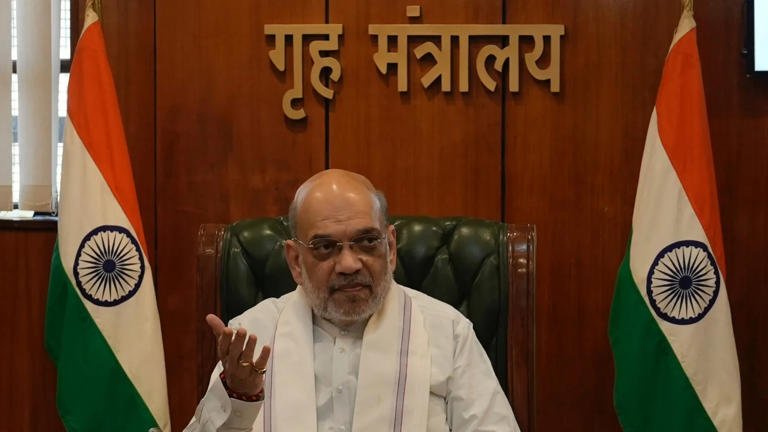
The Ministry of Home Affairs (MHA) of India has issued a directive to state governments advising them to refrain from hastily sharing details with the media regarding the seizure of radioactive materials. This advisory comes amid concerns about the potential for misinformation and public panic that could arise from premature disclosures.

Caution Against Rushed Media Communications
The MHA emphasized the need to carefully manage information and avoid premature announcements that could lead to public unrest or misinterpretation of the situation. The ministry’s guidance aims to ensure that only accurate and verified information is communicated once proper assessments have been conducted.

Adherence to Established Protocols
The advisory stresses the importance of states following established protocols when handling incidents involving radioactive materials. This includes ensuring that all relevant authorities are informed and involved in the response process before any information is made public.

Focus on Safety and Security
The MHA’s directive reflects the government’s broader commitment to maintaining public safety and security, especially when dealing with potentially hazardous materials. By controlling the flow of information, the government aims to prevent unnecessary alarm and ensure that responses are coordinated and effective.

This approach aligns with international best practices for handling sensitive incidents involving radioactive materials, where communication strategies play a crucial role in managing public perception and ensuring safety.

छठ पूजा का तीसरा दिन: डूबते सूर्य को अर्घ्य पारंपरिक तैयारी और आस्था का माहौल

0

छठ पूजा का तीसरा दिन विशेष रूप से महत्वपूर्ण होता है क्योंकि इस दिन सूर्यास्त के समय सूर्य देव को अर्घ्य अर्पित किया जाता है। यह एक ऐसा पर्व है, जो न केवल धार्मिक दृष्टिकोण से बल्कि आत्मिक शांति और परिवार की खुशहाली के लिए भी महत्वपूर्ण माना जाता है। सुमन और उनके परिवार ने इस दिन के लिए पूरी तरह से तैयारी की थी।

नदी किनारे का दृश्य

सुमन और उनका परिवार नदी के किनारे पूजा स्थल पर पहुंचे। रास्ते भर श्रद्धालु पारंपरिक पीले और नारंगी रंग की साड़ी में सजे हुए थे। महिलाएं और पुरुष एक साथ सूर्य देव की पूजा में लग गए थे, और उनका उत्साह देखते ही बनता था। महिलाएं अपने हाथों में पूजा का सामान लिए हुए थीं, जिसमें ठेकुआ, शकरकंद, गन्ना, फल और अन्य प्रसाद था।

अर्घ्य अर्पित करने का समय

सूर्यास्त के समय, जैसे ही सूर्य देव क्षितिज से नीचे जाने लगे, सुमन ने अपने हाथों में पकड़ी बांस की टोकरा (सूप) को उठाया और सूर्य देव की ओर अर्पित किया। उनके मन में एक ही प्रार्थना थी कि उनके परिवार में सुख-शांति बनी रहे और सभी की सेहत ठीक रहे। वह पूरे विश्वास और आस्था के साथ सूर्य देव को अर्घ्य अर्पित कर रही थीं।

आध्यात्मिक अनुभव और संतुष्टि

जैसे ही सूर्य की आखिरी किरणें नदी के पानी में समाने लगीं, सुमन ने महसूस किया कि जैसे उनके समस्त दुख और थकान समाप्त हो गए हों। अर्घ्य अर्पित करने का यह क्षण केवल पूजा का हिस्सा नहीं था, बल्कि यह एक दिव्य अनुभव था जो सुमन के शरीर, मन और आत्मा को शुद्ध कर रहा था।

पारिवारिक उत्सव और प्रसाद वितरण

अर्घ्य अर्पित करने के बाद, सुमन और उनके परिवार ने प्रसाद वितरित किया। सभी के चेहरे पर खुशी और संतुष्टि का अनुभव हो रहा था। इस दिन की पूजा ने न केवल सूर्य देव के प्रति श्रद्धा को बढ़ाया, बल्कि परिवार के बीच एकता और सामूहिक आस्था का संदेश भी दिया।

छठ पूजा का महत्व

छठ पूजा का तीसरा दिन न केवल एक दिन का धार्मिक आयोजन है, बल्कि यह एक यात्रा की तरह होता है, जो हर भक्त के मन, शरीर और आत्मा को शुद्ध करता है। यह पर्व समर्पण, तपस्या और आस्था का प्रतीक बनकर हर व्यक्ति के जीवन में सकारात्मक बदलाव लाता है।

छठ पूजा का यह दिन न केवल सूर्य देव की पूजा का प्रतीक था, बल्कि यह समाज और परिवार को जोड़ने वाली एक ऐसी धार्मिक यात्रा थी, जिसने सुमन और उनके परिवार को आत्मिक शांति और संतुष्टि दी। इस दिन की पूजा ने उनके जीवन को नया दृष्टिकोण और शक्ति प्रदान की, और यह संदेश दिया कि आस्था और समर्पण के साथ कोई भी लक्ष्य प्राप्त किया जा सकता है।

Neha Marda Celebrates Her Second Chhath Puja with Joy and Reverence

0

Actor Neha Marda is eagerly anticipating her second Chhath Puja celebration, a festival that holds deep significance for her. Reflecting on her experience, Neha shared, “I can’t explain what Chhath Puja means to me. It gives you immense peace, and worshipping the Sun God gives you power, light, and energy. You learn to control your mind and body, and there’s power in that. I pray for good health and prosperity for me and my loved ones.”

Neha’s Cultural Journey

Neha, originally from a Marwari family, married Ayushman Agrawal, a Bengali-Marwari businessman, in 2012. Ayushman’s family is deeply rooted in Patna, Bihar, where Chhath Puja is a major tradition. “I’ve seen people perform the puja very religiously in many places, including Kolkata. And after marriage, I saw every other family performing it in Patna,” Neha, 39, recalls.

Her first experience with the festival came when her mother-in-law fell ill. “When she was really unwell, I felt a strong inner voice telling me that if she recovered, I would perform the puja. And she did,” Neha shares. This year marks her second time participating in the sacred celebration.

A Rigorous yet Rewarding Ritual

Chhath Puja, known for its demanding fasting and the preparation of bhog (offerings) from scratch, is an important ritual for Neha. Despite the physical challenges, she draws strength from the support of her family and community. “I am in Patna and have my mother-in-law’s friends to guide me through everything,” she says.

The puja takes place at a kund (tank) on the terrace of their home, where Neha and her family prepare bhog and prasad in large quantities. “Both men and women fast and participate in this festival,” Neha explains, highlighting the collective effort that brings the community together in reverence.

Neha’s Chhath Puja celebration is a reflection of her deepening connection to both her marital roots and the spiritual significance of this ancient festival. For her, it is not just a religious observance, but a time of self-discipline, community bonding, and prayer for the well-being of loved ones.

BJP Criticizes J&K Assembly’s Resolution on Special Status

0

The Bharatiya Janata Party (BJP) has strongly criticized the Jammu and Kashmir (J&K) assembly’s resolution passed on November 6, 2024, advocating for the restoration of the region’s special status. The BJP has labeled the resolution as “illegal” and “unconstitutional,” fueling a renewed political debate.

BJP’s Legal and Procedural Criticisms

  1. Illegality Concerns: Sunil Sharma, the BJP leader and opposition head in the J&K assembly, condemned the resolution for lacking “legal sanctity.” He argued that the J&K assembly has no authority to challenge decisions made by Parliament or the Supreme Court. Sharma reiterated that Article 370, which granted special status to J&K, is now “history” and cannot be revived.
  2. Procedural Violations: Sharma also questioned the process by which the resolution was introduced. He pointed out that it was not listed in the day’s agenda, suggesting that the move was deliberate to bypass proper legislative procedures. He further accused the assembly speaker of collaborating with the government to advance the resolution, which undermines the integrity of the legislative process.

Political Context and Public Reaction

The resolution, proposed by the National Conference (NC), calls on the Government of India to engage in dialogue with J&K’s elected representatives about restoring the region’s special status. The NC believes this is necessary to safeguard the rights and identity of the people of J&K, a concern that has grown since the revocation of Article 370 in August 2019.

After the resolution passed, BJP members protested inside the assembly. They tore copies of the document and demanded clarity from other political parties, including Congress, about their stance on Article 370. This incident underscores the ongoing political divisions within J&K, particularly over the region’s future governance.

Broader Implications for Regional Autonomy

The BJP’s response highlights its commitment to the central government’s position on J&K’s integration into India. The assembly’s resolution could reignite discussions on regional autonomy, minority rights, and governance in the region. Political tensions between various factions are likely to continue as they navigate J&K’s complex future.

This controversy shows that debates about J&K’s status remain far from resolved. With different political forces holding competing views, the issue of special status and regional autonomy in J&K will continue to shape the region’s future. The BJP’s opposition further solidifies its stance, making clear that discussions surrounding Article 370 and J&K’s governance will remain a central topic in Indian politics.

AIMPLB Raises Concerns Over JPC’s Handling of Waqf (Amendment) Bill

0

The All India Muslim Personal Law Board (AIMPLB) has raised serious objections to the Joint Parliamentary Committee’s (JPC) approach to the Waqf (Amendment) Bill. According to the AIMPLB, the committee has violated procedural guidelines and excluded essential voices in discussions on Waqf property management.

Procedural Concerns

The AIMPLB has claimed that the JPC is not adhering to established rules. AIMPLB spokesperson Dr. SQR Ilyas argues that the JPC has primarily consulted with government bodies and organizations affiliated with the RSS. However, it has not sought input from Muslim organizations directly involved in Waqf property management. This approach, AIMPLB contends, ignores those with a legitimate stake in the issue. Dr. Ilyas believes that following these procedures would ensure fair representation for all groups affected by the Waqf (Amendment) Bill.

Demand for Inclusive Consultation

The AIMPLB has demanded that the JPC hold comprehensive discussions with all relevant stakeholders before making recommendations. Dr. Ilyas expressed concern about the JPC’s “hasty” approach, calling it a barrier to fair dialogue. The AIMPLB emphasizes the need for an inclusive approach, where all parties, especially those within the Muslim community, can voice their perspectives on the proposed changes.

Opposition to Non-Muslim Representation

One of the most debated aspects of the bill is a proposal to increase non-Muslim representation on Waqf boards. AIMPLB strongly opposes this provision. They believe it could weaken Waqf property management, which is crucial to the welfare of Muslim communities across India. The AIMPLB argues that non-Muslim representation could compromise the autonomy needed to protect religious endowments effectively.

Property Rights Concerns

The AIMPLB has also raised concerns about the impact of the bill on the property rights of Muslim communities. They argue that the proposed amendments aim to reduce Muslim control over Waqf assets, which have already faced challenges such as illegal encroachment. According to AIMPLB, this bill could threaten the religious and cultural autonomy of Muslim endowments.

Rising Tensions and Legislative Fairness

The AIMPLB’s concerns have added tension within the JPC. Some opposition members have even considered withdrawing from discussions, citing bias and underrepresentation of minority concerns. This development highlights a broader issue in India’s legislative process regarding minority rights and transparent practices.

Call for Procedural Fairness

In response, the AIMPLB urges the JPC to follow legislative rules and involve relevant stakeholders in a fair review process. The organization stresses that any changes affecting Waqf properties should be made only after meaningful dialogue with those who directly manage these assets.

The outcome of this debate will likely impact the future governance of Waqf properties and minority rights in India. The AIMPLB’s objections emphasize the need for transparency and inclusivity, both of which are essential to fair legislative practices in a diverse nation.