
Sunday, June 28, 2026
Home Blog Page 20

India’s Growing Role as a Leader of the Global South

0

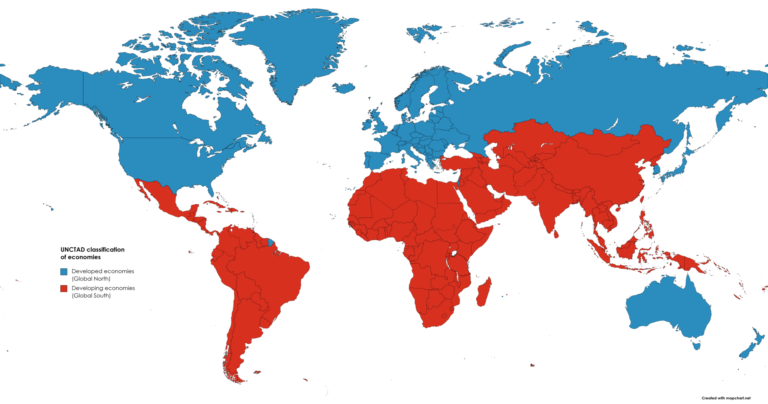
India’s bond with the Global South is more than just diplomacy; it’s a story of shared struggles and dreams. The term “Global South” refers to nations in Africa, Latin America, Asia, and parts of the Middle East that face challenges like poverty, inequality, and underdevelopment. These countries, many of which were once colonies, have come together to demand a fair voice in global affairs. India, with its unique journey from a struggling nation to a growing power, is stepping up as their voice on the world stage.

For India, the Global South is a partner in progress. These countries offer massive opportunities for trade and cooperation. Indian businesses are exporting everything from affordable medicines to technology, helping millions of people. In 2022 alone, India exported $18 billion worth of pharmaceuticals to Global South nations. Beyond trade, India has introduced initiatives like the International Solar Alliance, sharing its expertise in clean energy to help other nations tackle climate change.

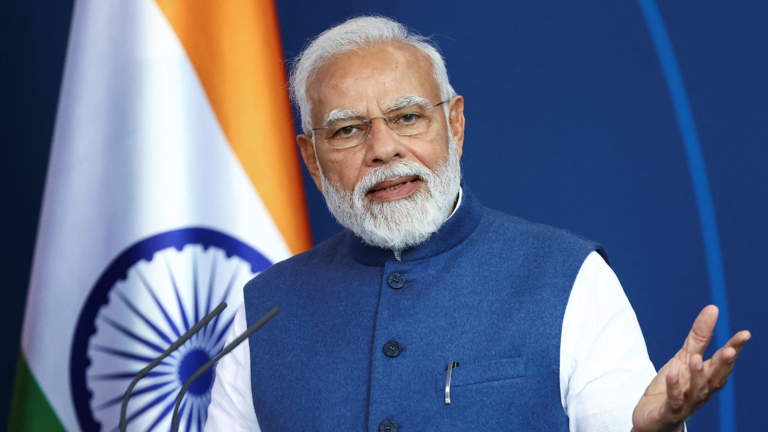
But India’s role goes beyond economics. Prime Minister Narendra Modi’s message to the Global South, “Your voice is India’s voice,” reflects a deeper connection. India has stood strong with these nations in global platforms like the G20 and BRICS, calling for fair treatment and reforms in global institutions. By advocating for issues like climate justice and food security, India shows it’s not just a participant but a leader pushing for a more equal world.

This leadership is rooted in history. India understands the pain of colonial exploitation and the challenges of building a nation. Its journey of progress inspires other Global South countries, showing them that growth and self-reliance are possible. Together, India and the Global South are working to rewrite the rules of global cooperation, proving that a united voice can shape a brighter future for all.

कॉप (COP) सम्मेलन “COP29: प्रदूषण से बचाव की दिशा में एक नई उम्मीद”

0

आज प्रदूषण दुनिया के लिए एक बड़ा खतरा बन चुका है, और पर्यावरण भी संकट में है। देश और दुनिया की हालत लगातार खराब होती जा रही है। दिल्ली में प्रदूषण की स्थिति दिन-ब-दिन गंभीर होती जा रही है। हाल ही में दिल्ली का एयर क्वालिटी इंडेक्स (AQI) 1100 तक पहुँच गया, जो कि एक खतरनाक स्तर है। इस प्रदूषण के कारण स्वास्थ्य समस्याएँ बढ़ रही हैं और लोगों की जान खतरे में है।

दुनिया के कई देशों में प्रदूषण के कारण लाखों लोगों की मौत हो चुकी है। वर्ल्ड हेल्थ ऑर्गनाइजेशन (WHO) के मुताबिक, हर साल 7 मिलियन से ज्यादा लोग प्रदूषण के कारण मारे जाते हैं, जिसमें अधिकांश विकासशील देशों के लोग शामिल हैं। यह प्रदूषण न केवल मानव स्वास्थ्य को प्रभावित करता है, बल्कि यह पर्यावरण और जीव-जंतुओं के लिए भी खतरनाक है।

इस खतरनाक स्थिति का समाधान ढूंढने के लिए दुनिया भर के देशों ने “कॉप” (Conference of the Parties – COP) नामक सम्मेलन शुरू किया है, जहाँ देशों के प्रतिनिधि मिलकर पर्यावरण से जुड़े मुद्दों पर चर्चा करते हैं और समाधान निकालने का प्रयास करते हैं। COP के माध्यम से जलवायु परिवर्तन, प्रदूषण और जैव विविधता जैसे महत्वपूर्ण मुद्दों पर कार्य करने का प्रयास किया जा रहा है।

COP29 का सम्मेलन 2024 में अज़रबैजान के बाकू शहर में हो रहा है, जिसमें 200 से अधिक देश हिस्सा ले रहे हैं। इस सम्मेलन में प्रदूषण को नियंत्रित करने, जलवायु परिवर्तन से निपटने और पर्यावरण को बचाने के लिए नए कदम उठाए जाने पर चर्चा की जा रही है।

COP क्या है?

कॉप वह जगह है जहाँ अलग-अलग देशों के प्रतिनिधि मिलकर पर्यावरण संबंधी समझौतों को लागू करने और उनकी प्रगति का मूल्यांकन करते हैं। यह बैठक सभी देशों को एक मंच पर लाकर उन्हें यह सिखाती है कि वे मिलकर कैसे काम कर सकते हैं।

COP का उद्देश्य

  • देशों की प्रगति की समीक्षा करना: यह देखा जाता है कि कौन से देश पर्यावरण को बचाने के लिए क्या-क्या कर रहे हैं।
  • नए कदम उठाना: अगर कोई नई समस्या सामने आती है, तो उसका समाधान निकालने के लिए जरूरी कदम उठाए जाते हैं।

कुछ महत्वपूर्ण COP सम्मेलन

  • COP1 (बर्लिन, 1995): यह पहली बैठक थी जहाँ वार्षिक रूप से इस सम्मेलन को करने की परंपरा शुरू हुई।
  • COP3 (क्योटो, 1997): इसमें “क्योटो प्रोटोकॉल” बना, जिसमें विकसित देशों को ग्रीनहाउस गैसों को कम करने का वादा करना पड़ा।
  • COP21 (पेरिस, 2015): “पेरिस समझौता” यहीं हुआ, जिसमें तापमान को 2°C से नीचे रखने का लक्ष्य रखा गया।
  • COP28 (दुबई, 2023): पहली बार यहाँ जीवाश्म ईंधन (फॉसिल फ्यूल) को कम करने की बात पर सहमति बनी।

COP29: भविष्य की नई आशा

2024 में COP29 की बैठक अज़रबैजान के बाकू शहर में हो रही है। यह 11 नवंबर से 22 नवंबर तक चलेगी। इस सम्मेलन में 200 से अधिक देश भाग ले रहे हैं, जहाँ वैज्ञानिक, उद्योगपति और जनजातीय समुदाय भी शामिल हैं।

मुख्य विषय:

  • जलवायु वित्त (क्लाइमेट फाइनेंस): गरीब और विकासशील देशों को पर्यावरणीय बदलाव से निपटने के लिए आर्थिक मदद चाहिए। इसके लिए नया वित्तीय लक्ष्य बनाने पर चर्चा हो रही है। यह तय किया जा रहा है कि 2025 के बाद हर साल $100 अरब डॉलर से ज्यादा की मदद कैसे की जाए।
  • जीवाश्म ईंधन पर बहस: कुछ देशों के अधिकारी अभी भी तेल और गैस के सौदे करना चाहते हैं। इस वजह से सम्मेलन में बहस छिड़ी हुई है क्योंकि इसका मुख्य उद्देश्य जीवाश्म ईंधन को कम करना है।
  • नुकसान और क्षति कोष (लॉस एंड डैमेज फंड): कमजोर देशों को जलवायु परिवर्तन से हुए नुकसान की भरपाई के लिए एक फंड बनाने पर जोर दिया जा रहा है।
  • नए तकनीकी समाधान: भारत जैसे देशों में गर्मी बढ़ने से ठंडक की जरूरत बढ़ गई है। इस पर चर्चा हो रही है कि ऐसी तकनीकें अपनाई जाएँ जो ऊर्जा कम खपत करें और पर्यावरण को नुकसान न पहुँचाएँ।

गैर-सरकारी संगठनों (NGOs) की भूमिका

कॉप सम्मेलन में एनजीओ भी अहम भूमिका निभाते हैं। ये संगठन नीतियों पर सलाह देते हैं, स्थानीय लोगों की मदद करते हैं और यह सुनिश्चित करते हैं कि सरकारें अपने वादों को पूरा करें।

एनजीओ का योगदान:

  • विशेषज्ञता प्रदान करना: वैज्ञानिक डेटा और जानकारी देकर एनजीओ चर्चा को सही दिशा देते हैं।
  • जागरूकता बढ़ाना: वे लोगों को जलवायु परिवर्तन और उसके प्रभावों के बारे में जागरूक करते हैं।
  • पारदर्शिता बनाए रखना: वे सरकारों पर नज़र रखते हैं कि वे अपनी जिम्मेदारियों को ईमानदारी से निभाएँ।

स्थानों का चयन कैसे होता है?

कॉप के लिए हर बार नया स्थान चुना जाता है। यह चयन पाँच मुख्य क्षेत्रों (अफ्रीका, एशिया-प्रशांत, लैटिन अमेरिका, पूर्वी यूरोप और पश्चिमी यूरोप) के आधार पर होता है। अगर किसी क्षेत्र का देश मेजबानी करने के लिए तैयार नहीं होता, तो जर्मनी के बॉन शहर को विकल्प के रूप में चुना जाता है।

COP: एक उम्मीद

कॉप सम्मेलन दुनियाभर के देशों को एक मंच पर लाकर यह मौका देता है कि वे पर्यावरण को बचाने के लिए मिलकर काम करें। हर साल इन बैठकों में नए मुद्दे उठाए जाते हैं, नए समाधान खोजे जाते हैं और भविष्य को सुरक्षित बनाने की दिशा में कदम बढ़ाए जाते हैं।

बाकू में हो रहा COP29 सम्मेलन एक और महत्वपूर्ण पड़ाव साबित हो सकता है। अगर सभी देश मिलकर अपने वादे पूरे करें, तो आने वाली पीढ़ियों के लिए एक हरा-भरा और सुरक्षित भविष्य सुनिश्चित किया जा सकता है।


The Climate Crisis Crossroads: A Deep Dive into COP29 and the Global Environmental Struggle

0

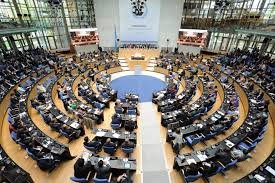
On a brisk November morning in Baku, Azerbaijan, world leaders, scientists, activists, and industry representatives convened under one roof, driven by a shared purpose: addressing humanity’s greatest challenge, climate change. The 29th Conference of the Parties (COP29) of the United Nations Framework Convention on Climate Change (UNFCCC) marked another chapter in the ongoing story of international climate negotiations.

With temperatures rising to unprecedented levels, 2024 was shaping up to be the hottest year on record—a sobering backdrop for a summit aimed at limiting global warming to 1.5°C. Beyond this target lay dire consequences: disappearing coastlines, disrupted ecosystems, and a world in turmoil. COP29 aimed to translate urgency into action, with a laser focus on financing, policy refinement, and a shift towards sustainable futures.What is COP? The Foundation of Global Climate Action

The Conference of the Parties, or COP, serves as the decision-making body for various international environmental conventions. First convened in Berlin in 1995, these meetings bring together representatives from member states to evaluate, negotiate, and implement global agreements. The evolution of COPs from Kyoto to Paris underscores their central role in shaping environmental policy.

Key functions of COP include reviewing national progress reports, amending conventions, and facilitating dialogue among nations. Whether it’s setting binding emission targets like those of the Kyoto Protocol or creating innovative frameworks like the Paris Agreement, COP has consistently provided a platform for transformative discussions.

Over the decades, the summits have been both celebrated and criticized. Landmarks such as COP21 in Paris (2015) delivered breakthroughs like the historic Paris Agreement, while others like COP15 in Copenhagen (2009) left the world disappointed. But despite the challenges, COP remains indispensable to the global effort against climate change.

Building on History: Achievements of Key COPs

The journey of COPs is dotted with milestones that have shaped global climate action:

  1. COP3—Kyoto Protocol (1997): This landmark treaty required developed nations to cut greenhouse gas emissions, setting legally binding targets.
  2. COP21—Paris Agreement (2015): Arguably the most celebrated COP, this summit brought nations together to limit warming to below 2°C and strengthen mitigation measures through Nationally Determined Contributions (NDCs).
  3. COP26-Glasgow Pact (2021): A call to phase down coal use and end inefficient fossil fuel subsidies marked significant, albeit incremental, progress.
  4. COP27—Loss and Damage Fund (2022): The establishment of a fund to aid developing nations in coping with climate-related disasters underscored a growing emphasis on climate justice.

These milestones are not just markers of progress but reminders of the complexity of achieving global consensus.

The Contours of COP29

This year, Baku became the stage for a high-stakes discussion. Held from November 11 to 22, COP29 brought together nearly 200 nations, addressing themes like climate finance, fossil fuel transition, and adaptation strategies.

Key Goals at COP29

  1. Climate Finance: Negotiators aimed to establish a New Collective Quantified Goal (NCQG), set to replace the $100 billion annual target expiring in 2025. Calls for mobilizing $1 trillion annually by 2030 dominated discussions, highlighting the financial needs of developing countries.
  2. Fossil Fuel Transition: A significant focus was on phasing out fossil fuels, although resistance from oil-producing nations underscored the challenge of aligning economic interests with climate goals.
  3. Loss and Damage: Finalizing frameworks for the Loss and Damage Fund was crucial, as vulnerable nations demanded compensation for climate-induced losses.
  4. Carbon Markets: Leaders deliberated on regulating carbon markets to ensure that they fund meaningful emission-reduction projects rather than enabling corporate greenwashing.

The summit also addressed sector-specific concerns, dedicating thematic days to issues like sustainable agriculture, urbanization, and health.

Controversies and Challenges

Despite its ambitious agenda, COP29 was not without controversy.

  1. Greenwashing Accusations: Critics accused the UAE, a major oil producer, of greenwashing as it hosted COP28 and maintained influence through key stakeholders in COP29.
  2. Fossil Fuel Lobbyists: With over 2,500 fossil fuel lobbyists attending, concerns about their disproportionate influence added tension to the proceedings.
  3. Trust Deficit: Long-standing grievances over unmet financial commitments created a climate of mistrust, making collaboration challenging.

These challenges reflect the intricate interplay between diplomacy, politics, and environmental imperatives.

The Role of NGOs: Guardians of Accountability

Amidst the political drama, non-governmental organizations (NGOs) continued to play a pivotal role. Acting as watchdogs, advocates, and experts, they ensured that voices from diverse communities were heard. Coalitions like the COP29 NGO Coalition amplified the concerns of the marginalized, providing critical data and fostering grassroots action.

NGOs also held governments accountable, ensuring that lofty promises translated into actionable policies. Their presence was a reminder that climate action is not just a governmental responsibility but a collective endeavor.

Venue Selection: The Symbolism of Baku

The choice of Baku as the host city exemplified the UNFCCC’s principles of regional rotation. As the capital of Azerbaijan, a country straddling Europe and Asia, Baku symbolized the intersection of continents and ideas. The city provided a unique backdrop for deliberations, even as logistical and political considerations influenced the venue’s selection.

Looking Ahead: The Future of COP

As COP29 drew to a close, the world waited for its outcomes to shape the path forward. Would the summit bridge the gap between ambition and action? Could nations overcome political differences to foster meaningful collaboration?

The road ahead is steep, with emissions still climbing and the 1.5°C threshold perilously close. But if the history of COP has taught us anything, it’s that progress—however slow—is possible. From the binding commitments of Kyoto to the inclusive frameworks of Paris, these summits are a testament to the power of international cooperation.

COP29 may be another step in a long journey, but it’s a step that the world cannot afford to miss.

“Mohini Dey Announces Separation from Husband Mark Hartsuch, Vows to Continue Creative Collaboration”

0

Mohini Dey, the celebrated Indian bassist renowned for her extraordinary talent and her long-standing collaboration with music legend A.R. Rahman, is no stranger to the spotlight. Hailing from Kolkata, the 29-year-old musician has captivated audiences worldwide with her electrifying performances, playing over 40 shows across continents with Rahman’s ensemble. Known for her passion and artistry, Mohini released her self-titled debut album in August 2023, further solidifying her position as a force to be reckoned with in the global music scene.

However, on November 19, 2024, Mohini made headlines for a different reason—her personal life. In a poignant announcement on Instagram, she shared that she and her husband, composer Mark Hartsuch, had decided to part ways. The news came just hours after A.R. Rahman and his wife, Saira Banu, revealed their own separation after 29 years of marriage.

In a joint statement, Mohini and Mark described their decision as mutual and rooted in understanding. “We have decided to separate as a couple,” they wrote, emphasizing that their bond as friends and creative partners remained intact. They reassured their fans that their collaborative projects, including their band MaMoGi and the Mohini Dey Group, would continue uninterrupted. The couple appealed for privacy and compassion, asking for “no judgements” as they navigated this transition.

Despite the emotional weight of the announcement, Mohini exuded positivity in her message, reaffirming her commitment to love, creativity, and mutual respect. “Even as we step into different roles in each other’s lives, we will remain good friends and collaborators,” she stated.

For fans and followers, Mohini’s message was a reminder of her resilience. While she faces changes in her personal life, her artistic journey continues to thrive, propelled by her dedication to music and her unwavering belief in the power of positivity. As she balances personal challenges with professional success, Mohini Dey’s story remains one of inspiration and grace.

Manipur’s Descent into Chaos: A State on Edge

0

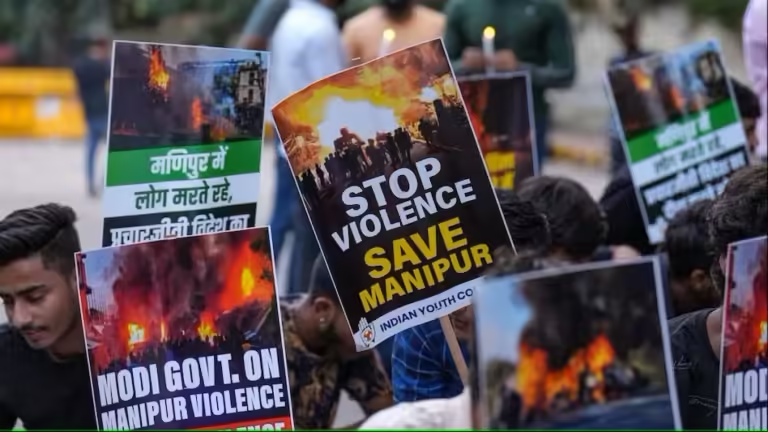
Manipur, a picturesque state in India’s northeast, has been gripped by escalating violence, leaving its people on edge. What began as protests over the recovery of six bodies in Jiribam district has spiraled into a full-blown crisis, with violent clashes, political upheaval, and a community demanding justice.

The Unfolding Tragedy

The discovery of six bodies, suspected to belong to abducted individuals, ignited a storm of outrage, especially among the Meitei community. Demanding accountability, protesters took to the streets, and what began as demonstrations quickly turned violent. Government offices and political party buildings were attacked as anger boiled over. Curfews were imposed, but tensions remained high, spreading across the state like wildfire.

A Fatal Flashpoint

In Jiribam, the unrest reached a tragic climax when police opened fire to disperse a violent mob. Among the casualties was a young protester whose death has become a rallying cry for the demonstrators. Accusations of excessive force have fueled the fire, drawing more people into the protests and deepening mistrust between the public and security forces.

A Silent State: The Internet Blackout

In an attempt to stem the unrest, the Manipur government imposed an internet shutdown across seven districts, a measure initially set for two days but later extended until November 20. The blackout has plunged the region into digital silence, aiming to prevent the spread of misinformation and the organization of violent mobs. Yet, the communication freeze has also left many disconnected from crucial information and their loved ones, adding to the growing frustration.

The Political Backlash

Amid the chaos, political tempers flared. The Congress party, pointing fingers at Prime Minister Narendra Modi and Chief Minister N. Biren Singh, demanded their resignations over what they described as a failure to handle the crisis. Calls for dialogue and immediate intervention grew louder as the violence showed no signs of abating.

Government’s Tightening Grip

In response to the deteriorating situation, the central government deployed additional security forces to stabilize the region. Meanwhile, the National Investigation Agency (NIA) stepped in, taking over investigations into the multiple violent incidents. This move signaled a shift toward more stringent law enforcement measures to address the unrest.

A State in Crisis

Manipur’s streets remain tense, its people wary of what the next day might bring. The violence has unveiled deep-seated issues, testing the resilience of its communities and the resolve of its leaders. As the state waits for calm to return, one thing is clear: the road to peace will demand not just action but understanding and reconciliation.

Manipur’s story is no longer just about the violence—it’s about a community’s fight for justice, a government’s struggle to regain trust, and the lingering hope for a brighter tomorrow.

“दुनिया की सबसे बड़ी अर्थव्यवस्थाओं का सफर और वैश्विक बदलाव की कहानी।”

0

साल 1999। दुनिया आर्थिक संकट की मार झेल रही थी। तमाम देशों के नेता इस सोच में डूबे थे कि कैसे इन चुनौतियों से निपटा जाए। तभी 20 सबसे बड़ी अर्थव्यवस्थाओं के नेता एक मंच पर आए और ग्रुप ऑफ ट्वेंटी (G20) की नींव रखी गई।

शुरुआत में, यह मंच आर्थिक स्थिरता और वित्तीय संकटों के समाधान पर केंद्रित था। लेकिन समय के साथ, इसकी भूमिका बदलने लगी। जलवायु परिवर्तन, स्वास्थ्य संकट, और डिजिटल दुनिया में हो रहे बदलाव G20 के एजेंडे का हिस्सा बन गए।

एक ताकतवर गठबंधन

G20 में 19 देश और यूरोपीय संघ (EU) शामिल हैं, और अब अफ्रीकी यूनियन के जुड़ने से इसकी कुल सदस्य संख्या 21 हो गई है। अमेरिका और जर्मनी जैसे स्थापित शक्तियों से लेकर भारत और ब्राजील जैसे उभरते देशों तक, यह विविध अर्थव्यवस्थाओं का संगम है।
इसमें अर्जेंटीना, ऑस्ट्रेलिया, ब्राज़ील, कनाडा, चीन, फ्रांस, जर्मनी, भारत, इंडोनेशिया, इटली, जापान, मेक्सिको, रूस, सऊदी अरब, दक्षिण अफ्रीका, दक्षिण कोरिया, तुर्की, यूनाइटेड किंगडम, और अमेरिका शामिल हैं। EU और AU जैसे क्षेत्रीय संगठनों को शामिल करना G20 के व्यापक दृष्टिकोण और ग्लोबल साउथ की आवाज़ों को सुनने की प्रतिबद्धता को दर्शाता है।

एकजुटता का संगम
यह मंच, जिसमें अमेरिका, भारत, चीन, जर्मनी, और जापान जैसे देशों के साथ यूरोपीय संघ और अब अफ्रीकी यूनियन जैसे क्षेत्रीय संगठन भी शामिल हैं, विविधता का प्रतीक है। यहां उभरती और विकसित अर्थव्यवस्थाएं एक साथ बैठकर दुनिया की सबसे जटिल समस्याओं का समाधान ढूंढती हैं।

1999 में, जब दुनिया वित्तीय संकटों से जूझ रही थी, तब दुनिया की सबसे बड़ी अर्थव्यवस्थाओं को एकजुट करके ग्रुप ऑफ ट्वेंटी (G20) की स्थापना हुई। इसका उद्देश्य वैश्विक आर्थिक चुनौतियों का समाधान करना था। दो दशकों बाद, G20 एक मजबूत मंच बन गया है, जो वैश्विक GDP का 85%, अंतरराष्ट्रीय व्यापार का 75%, और दुनिया की दो-तिहाई आबादी का प्रतिनिधित्व करता है। 2023 में अफ्रीकी यूनियन (AU) को शामिल करने के बाद इसकी समावेशिता बढ़ी, जो वैश्विक शासन की बढ़ती आपसी निर्भरता को दर्शाती है।

एक ताकतवर गठबंधन

G20 में 19 देश और यूरोपीय संघ (EU) शामिल हैं, और अब अफ्रीकी यूनियन के जुड़ने से इसकी कुल सदस्य संख्या 21 हो गई है। अमेरिका और जर्मनी जैसे स्थापित शक्तियों से लेकर भारत और ब्राजील जैसे उभरते देशों तक, यह विविध अर्थव्यवस्थाओं का संगम है।
इसमें अर्जेंटीना, ऑस्ट्रेलिया, ब्राज़ील, कनाडा, चीन, फ्रांस, जर्मनी, भारत, इंडोनेशिया, इटली, जापान, मेक्सिको, रूस, सऊदी अरब, दक्षिण अफ्रीका, दक्षिण कोरिया, तुर्की, यूनाइटेड किंगडम, और अमेरिका शामिल हैं। EU और AU जैसे क्षेत्रीय संगठनों को शामिल करना G20 के व्यापक दृष्टिकोण और ग्लोबल साउथ की आवाज़ों को सुनने की प्रतिबद्धता को दर्शाता है।

बदलती प्राथमिकताएं: अर्थशास्त्र से सतत विकास तक

G20 की शुरुआत आर्थिक स्थिरता और वित्तीय नीति पर ध्यान केंद्रित करने के साथ हुई थी। लेकिन समय के साथ, इसका एजेंडा जलवायु परिवर्तन, स्वास्थ्य संकट, डिजिटल परिवर्तन, और सतत विकास जैसे मुद्दों तक बढ़ गया।

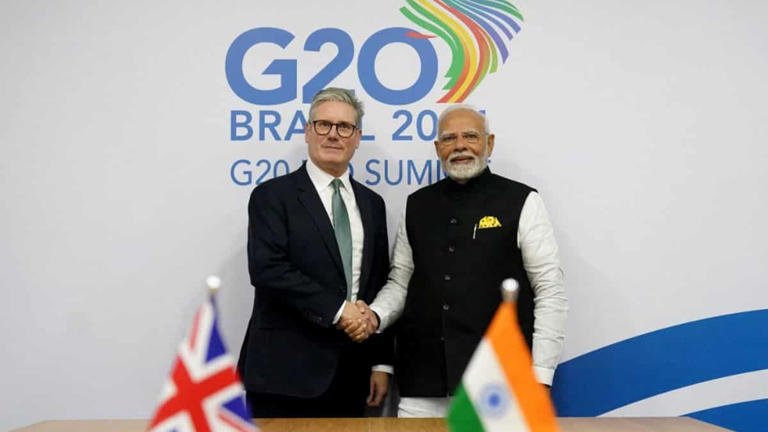
2024 के रियो डी जनेरियो शिखर सम्मेलन में, नेताओं ने आर्थिक विकास के साथ-साथ खाद्य सुरक्षा, प्रौद्योगिकी की समान पहुंच, और जलवायु अनुकूलन जैसे मुद्दों पर चर्चा की। भारतीय प्रधानमंत्री नरेंद्र मोदी ने द्विपक्षीय सहयोग पर जोर दिया, जबकि चीनी राष्ट्रपति शी जिनपिंग ने आर्टिफिशियल इंटेलिजेंस के नैतिक और समावेशी उपयोग को रेखांकित किया।

G20 की संरचना: निर्णय कैसे होते हैं?

G20 के पास कोई स्थायी मुख्यालय या सचिवालय नहीं है। इसकी नेतृत्व हर साल बदलता है, और प्रत्येक अध्यक्षता मंच की प्राथमिकताओं को तय करती है।
यह दो मुख्य ट्रैक्स में कार्य करता है:

  1. वित्त ट्रैक:
    इसमें वित्त मंत्री और केंद्रीय बैंक के गवर्नर शामिल होते हैं। यह ट्रैक आर्थिक स्थिरता, वित्तीय नीति, और वित्तीय समावेशन जैसे मुद्दों पर काम करता है।
  2. शेरपा ट्रैक:
    यह सामाजिक और आर्थिक मुद्दों पर ध्यान देता है, जैसे कृषि, जलवायु परिवर्तन, शिक्षा, और स्वास्थ्य। राष्ट्रीय नेताओं के प्रतिनिधि, जिन्हें शेरपा कहा जाता है, शिखर सम्मेलन से पहले सहमति बनाने का काम करते हैं।

हालिया विकास: 2024 रियो शिखर सम्मेलन

रियो में, G20 ने 2030 तक अक्षय ऊर्जा की क्षमता को तीन गुना करने और वैश्विक तापमान वृद्धि को 1.5°C तक सीमित करने का वादा किया। हालांकि, कोयले को चरणबद्ध तरीके से हटाने और जीवाश्म ईंधन सब्सिडी पर सहमति बनाने में मंच असफल रहा।

उपलब्धियां और चुनौतियां

G20 ने 2008 के वित्तीय संकट में $4 ट्रिलियन का प्रावधान कर मंदी को रोकने में मदद की। लेकिन कोविड-19 महामारी के दौरान वैक्सीन असमानता जैसे मुद्दों पर इसकी विफलता स्पष्ट थी।

भविष्य की चुनौतियां और अवसर

G20 को अपनी प्रासंगिकता बनाए रखने के लिए इन मुद्दों पर काम करना होगा:

  1. प्रतिनिधित्व को मजबूत करना
  2. सहमति बनाना
  3. ठोस परिणाम देना

सपने और चुनौतियां
हर साल एक नई अध्यक्षता मंच की प्राथमिकताएं तय करती है। भारत ने 2023 में डिजिटल पब्लिक इंफ्रास्ट्रक्चर और जलवायु वित्त पर जोर दिया, तो ब्राजील 2024 में सामाजिक समावेश और विकासशील देशों की आवाज़ उठाने पर केंद्रित है।

लेकिन इतनी विविधताओं के साथ सहमति बनाना आसान नहीं। जलवायु संकट जैसे मुद्दों पर विकसित और विकासशील देशों के बीच मतभेद अक्सर प्रगति में बाधा डालते हैं।

उम्मीदों की रोशनी
G20 की सफलता की कहानियां भी कम नहीं। 2008 के वित्तीय संकट में $4 ट्रिलियन की मदद से उसने दुनिया को बड़ी मंदी से बचाया। 2024 में, रियो शिखर सम्मेलन में, अक्षय ऊर्जा को बढ़ाने और वैश्विक तापमान को नियंत्रित करने के लिए नए संकल्प लिए गए।

आगे का रास्ता
आज G20 का सफर केवल आर्थिक नीतियों तक सीमित नहीं। इसके निर्णय छोटे किसानों, व्यापारियों, और छात्रों की ज़िंदगी में बदलाव ला रहे हैं। लेकिन अब यह मंच खुद से एक बड़ा सवाल पूछ रहा है—क्या वह वैश्विक जरूरतों और अपेक्षाओं पर खरा उतर पा रहा है?

The G20: A Global Powerhouse Navigating Economic and Social Challenges

0

In 1999, as the world grappled with the ripples of financial crises, the Group of Twenty (G20) was born, uniting the largest economies to coordinate responses to global economic challenges. Over two decades later, the G20 has evolved into a formidable force representing 85% of the global GDP, 75% of international trade, and two-thirds of the world population. With the inclusion of the African Union (AU) in 2023, the forum’s inclusivity has grown, reflecting the increasingly interconnected nature of global governance. But beyond its statistical might lies a story of aspirations, challenges, and evolving priorities.

Feature Finance Track Sherpa Track
Leadership Finance ministers and central bank heads Personal emissaries of G20 leaders
Primary Focus Macroeconomic policies Socio-economic issues
Meeting Frequency Four times a year Pre-summit consultations
Working Groups Specialized groups on financial topics Broader groups on diverse socio-economic topics

A Coalition of Titans

The G20 comprises 19 individual countries and the European Union, now joined by the African Union, bringing the total membership to 21. From established powers like the United States and Germany to rising giants like India and Brazil, the G20 is a melting pot of diverse economies.

Its members include Argentina, Australia, Brazil, Canada, China, France, Germany, India, Indonesia, Italy, Japan, Mexico, Russia, Saudi Arabia, South Africa, South Korea, Turkey, the United Kingdom, and the United States. The addition of regional organizations like the EU and AU underscores the G20’s commitment to broadening perspectives, particularly addressing voices from the Global South.

This composition allows the G20 to wield unparalleled influence, tackling issues that require collective action. However, with great power comes significant challenges—consensus-building among such diverse entities is no small feat.

Shifting Priorities: From Economics to Sustainability

The G20’s initial focus was on macroeconomic policy and financial stability, addressing vulnerabilities exposed by the 1997 Asian financial crisis. Yet, as global challenges became more interconnected, its agenda expanded to include climate change, health crises, digital transformation, and sustainable development.

During the 2024 G20 summit in Rio de Janeiro, Brazil, leaders discussed not only economic growth but also pressing issues such as food security, equitable technological access, and climate resilience. Indian Prime Minister Narendra Modi emphasized bilateral cooperation, while Chinese President Xi Jinping spotlighted ethical and inclusive applications of artificial intelligence.

Brazil, under its presidency, highlighted social inclusion, seeking to amplify the voices of developing nations—a theme that resonated deeply with the newly inducted African Union.

The G20’s Structure: How Decisions Are Made

Unlike traditional organizations, the G20 has no permanent headquarters or secretariat. Its leadership rotates annually, with each presidency shaping the forum’s priorities. For instance, Brazil’s presidency (2024) has emphasized the inclusion of the Global South, while India’s 2023 leadership focused on digital public infrastructure and climate finance.

The G20 operates through two main tracks:

The Finance Track:
Led by finance ministers and central bank governors, this track addresses macroeconomic stability, fiscal policies, and financial regulation. Key areas include infrastructure investment, international taxation, and financial inclusion. Specialized working groups delve into sustainable finance and health financing, ensuring that solutions are data-driven and actionable.

The Sherpa track:
Named after the guides who help climbers navigate Mount Everest, the Sherpa Track focuses on broader socio-economic issues. It encompasses discussions on agriculture, climate change, education, health, and digital transformation. Personal emissaries of national leaders—known as Sherpas—negotiate agreements before summits to ensure a cohesive agenda.

Recent Developments: The 2024 Rio Summit

At the Rio summit, the G20 faced growing scrutiny about its ability to balance economic ambitions with sustainable practices. Key outcomes included a commitment to triple renewable energy capacity by 2030 and a pledge to limit global warming to 1.5°C above pre-industrial levels.

However, the forum fell short on critical measures such as phasing out coal or achieving consensus on fossil fuel subsidies. These gaps highlight ongoing tensions, particularly between developed nations advocating for aggressive climate action and emerging economies wary of sacrificing growth.

The African Union’s new membership brought fresh perspectives, especially on food security and debt relief for poorer nations, themes central to Africa’s development agenda. This inclusion is seen as a step toward making the G20 more representative of global realities.

Achievements and Challenges

The G20’s achievements are undeniable. Its coordinated response during the 2008 financial crisis injected $4 trillion into the global economy, averting a deeper recession. The forum also played a pivotal role in securing commitments to the Paris Agreement on climate change and launching initiatives like the Global Infrastructure Hub.

Yet, its limitations are equally evident.

Limited Representation:
Critics argue that the G20’s self-selected membership sidelines smaller nations. Despite the inclusion of the AU, regions like the Caribbean remain underrepresented, undermining its claim as a truly global body.

Ineffective Crisis Response:
During the COVID-19 pandemic, the G20 failed to prevent vaccine nationalism, resulting in stark disparities between developed and developing nations. This failure exposed the forum’s inability to enforce equitable solutions.

Geopolitical Divisions:
Tensions among members, particularly regarding Russia’s actions in Ukraine, have often stymied progress. Western nations have clashed with countries like China and India over issues ranging from sanctions to trade policies.

Climate Inaction:
While the G20 discusses climate extensively, actions often fall short. For instance, despite acknowledging the need to phase out coal, major economies have hesitated to commit to timelines, citing national energy needs.

Why the G20 Matters

Despite its flaws, the G20 remains one of the most important platforms for addressing global challenges. Its broad representation allows it to tackle issues that smaller or more exclusive groups cannot.

In the realm of climate change, the G20’s role is critical. Its members are collectively responsible for 80% of global emissions, giving the forum unique leverage to drive meaningful action. Initiatives like increasing climate finance for developing countries and promoting nature-based solutions are steps in the right direction, though much more is needed.

The forum also influences technological transformation, particularly in ensuring that innovations like artificial intelligence are accessible and ethical. In Rio, discussions centered on bridging the digital divide, especially for nations in the Global South.

Looking Ahead: Challenges and Opportunities

As the world faces unprecedented challenges—ranging from geopolitical conflicts to environmental crises—the G20’s role is more vital than ever.

Strengthening Representation:
The inclusion of the AU is a milestone, but the G20 must find ways to incorporate voices from smaller nations, ensuring that its decisions benefit the global majority.

Fostering Consensus:
Divergent interests among members often impede progress. Finding common ground on contentious issues like fossil fuels and global taxation will be essential.

Delivering Concrete Outcomes:
Moving beyond vague declarations to actionable policies is crucial. For instance, setting binding targets for renewable energy adoption could accelerate the transition to a green economy.

The Human Story Behind the Numbers

While the G20 operates on a grand scale, its decisions have tangible impacts on people’s lives. Policies on climate finance affect farmers in drought-stricken regions of Africa. Initiatives to boost global trade influence small businesses in India and Indonesia. Discussions on digital transformation determine whether children in rural schools gain access to quality education through technology.

For all its complexities and imperfections, the G20 serves as a microcosm of the world’s challenges and potential. Its ability to bridge divides, foster cooperation, and deliver solutions will determine whether it can truly live up to its promise as a force for global good.

As the forum prepares for its next summit under Brazil’s leadership, the world watches, hopeful yet critical, demanding not just dialogue but decisive action.

PM Gati Shakti: Transforming India’s Infrastructure and Boosting Economic Growth

0

The PM Gati Shakti National Master Plan, launched by Prime Minister Narendra Modi in October 2021, is a game-changing initiative poised to revolutionize India’s infrastructure landscape. Designed to integrate multi-modal connectivity and streamline logistics, the programme aims to drive economic growth, enhance global competitiveness, and benefit key industries, including small businesses, textiles, and agriculture.

Objectives and Key Features

The programme brings together 16 ministries under a centralized digital platform, fostering real-time coordination and planning. It emphasizes:

Integrated Planning: Breaking down silos to unify infrastructure development across transportation and logistics sectors.

Economic Growth: Reducing logistics costs from 13% to 7.5% of GDP, making India a manufacturing hub.

Last-Mile Connectivity: Improving delivery networks with cargo terminals, expanded rail services, and Vande Bharat Express trains.

Job Creation: Generating employment in construction, logistics, and associated sectors.

Sustainability: Promoting resource efficiency to minimize environmental impacts.

Transformational Benefits for Small Businesses

The Gati Shakti initiative offers transformative opportunities for small businesses:

Access to New Markets: Enhanced connectivity allows rural enterprises to tap into urban markets.

Reduced Costs and Delivery Times: Streamlined logistics reduce operational expenses and expedite deliveries, boosting customer satisfaction.

Local Economy Growth: Improved infrastructure attracts more customers to remote regions, bolstering demand for local goods.

Industries

Textile Sector

The textile industry, a cornerstone of India’s economy, stands to benefit significantly:

Enhanced Connectivity: Multimodal networks ensure timely delivery of raw materials and finished goods.

Synergy with PM MITRA Parks: Integrated textile parks streamline production processes, attract investments, and create millions of jobs.

Export Growth: Improved logistics reduce bottlenecks, positioning India as a major global textile player.

Agriculture

Improved Market Access: Agri-zones benefit from better supply chains, reducing waste and increasing farmer profits.

Support for Logistics: New transport hubs expedite movement of produce to domestic and global markets.

Energy and Urban Development

Energy Corridors: Streamlined distribution improves power access.

Smart Cities: Urban transport systems integrate seamlessly with national networks, enhancing quality of life.

Economic and Technological Advancements

With infrastructure spending projected to rise to 6.5% of GDP by 2029, the initiative is expected to inject $1.45 trillion into the economy over the next five years. Advanced GIS tools developed by ISRO are ensuring efficient project execution, maximizing the programme’s impact.

The PM Gati Shakti National Master Plan represents a bold step toward comprehensive and inclusive infrastructure development. By addressing logistical inefficiencies, fostering industrial growth, and enhancing connectivity, it aims to position India as a $5 trillion economy. Its success will redefine India’s growth trajectory, creating a more sustainable, equitable, and globally competitive nation.

Transforming India: How the Gati Shakti Programme is Revolutionizing Infrastructure and Empowering Small Businesses

On an unusually bustling morning in October 2021, Prime Minister Narendra Modi stood before a sea of eager listeners to unveil the Gati Shakti National Master Plan. It was more than just an announcement; it was the beginning of a transformative journey for India. The programme aimed to bring together 16 ministries under one umbrella, streamline infrastructure development, and enhance multi-modal connectivity. But behind the high-level objectives and ambitious goals lay a story of how this initiative could fundamentally reshape the lives of millions, especially the small businesses that form the backbone of the Indian economy.

A Vision for Integration and Growth

India’s infrastructure had long been riddled with inefficiencies: bureaucratic delays, logistical bottlenecks, and disconnected planning between departments. Gati Shakti was designed to change this by creating a digital platform that integrated ministries such as Railways, Roads, Aviation, and Ports, allowing for real-time updates and coordinated project execution.

The vision was clear—reduce logistics costs, improve last-mile connectivity, and propel India closer to its goal of becoming a $5 trillion economy by 2026-27. At its heart, the programme promised to be a game-changer for small and medium enterprises (SMEs), which account for nearly 30% of India’s GDP and employ over 111 million people.

The Small Business Perspective

For small businesses, infrastructure is more than just roads and bridges; it is the lifeline that connects them to markets, customers, and opportunities. Take the case of Rajesh Gupta, a small-scale textile manufacturer in Surat. His biggest challenge wasn’t the quality of his products but the logistics of delivering them.

“Transportation delays have always been a thorn in our side,” Gupta shared. “When goods don’t reach customers on time, it’s our reputation that suffers.”

The Gati Shakti initiative aims to change stories like Gupta’s. By integrating multiple modes of transportation, streamlining logistics, and reducing delivery times, the programme is expected to unlock new market opportunities for businesses in even the remotest corners of the country.

Access to New Markets

One of the key promises of Gati Shakti is improving access to markets. India’s rural entrepreneurs, often restricted to local sales, now have the potential to expand into urban and regional markets. Improved connectivity means that a farmer in Bihar can sell organic produce to a metro city like Mumbai without exorbitant transportation costs eating into profits.

The programme’s focus on greenfield expressways—like the Delhi-Mumbai Expressway and the Bengaluru-Chennai Expressway—will drastically cut travel times and open up new trade corridors. These highways are not just routes; they are bridges to prosperity for small businesses, providing better access to customers and supply chains.


Reduced Delivery Times and Lower Costs

Time is money, especially for small businesses. A delayed delivery can lead to dissatisfied customers, lost sales, and financial strain. With Gati Shakti’s emphasis on last-mile connectivity and multi-modal logistics, delivery times are expected to reduce drastically.

The integration of railways, highways, and ports under a single framework will not only ensure faster transportation but also reduce logistics costs, which currently account for a staggering 13% of India’s GDP. This is significantly higher than global benchmarks like the United States (8%) or Germany (6%). The programme’s target of reducing this to 7.5% could save billions annually, a boon for small enterprises looking to reinvest in growth.

A Boost to Local Economies

Imagine a bustling village near a newly constructed highway under Gati Shakti. Small roadside vendors start setting up stalls, local artisans find new customers, and farmers see their produce reach distant markets faster.

This is not hypothetical. Studies show that improved infrastructure leads to a direct boost in local economies. A notable example is the planned multimodal Logistics Parks (MMLPs) in places like Jogighopa, Assam, and Nagpur, Maharashtra. These hubs are expected to create a ripple effect, boosting local businesses and generating employment.

Job Creation and Economic Growth

Infrastructure projects like Gati Shakti are labor-intensive. The construction of expressways, bridges, airports, and railways is expected to generate millions of jobs, particularly for India’s youth. Increased employment means greater purchasing power, which, in turn, benefits small businesses through heightened consumer spending.

Economists estimate that every 1% of GDP spent on infrastructure leads to a multiplier effect of 2-3 times in economic growth. If implemented effectively, Gati Shakti’s projected investment of $1.45 trillion over the next five years could catalyze an unprecedented economic boom.


Technological Integration: The Power of Data

Central to Gati Shakti is its reliance on technology. Using GIS-based spatial planning tools developed by ISRO, the programme provides real-time monitoring and data integration. This not only ensures transparency but also allows small businesses to plan better.

For instance, a small-scale manufacturer can now access data on upcoming transport hubs and adjust supply chains accordingly. This technological edge levels the playing field, allowing smaller players to compete with larger corporations.

Sustainability: A Green Approach

Beyond economic benefits, Gati Shakti also champions sustainability. By promoting efficient resource utilization and reducing redundancies, the programme aligns with India’s commitment to environmental conservation. Initiatives like renewable energy corridors and eco-friendly transport systems ensure that growth does not come at the cost of ecological balance.

Sector-Specific Impacts

Textile Industry

The textile sector, a cornerstone of India’s exports, stands to gain significantly. Improved logistics will reduce delays in the delivery of raw materials and finished goods, enhancing India’s global competitiveness. The synergy between Gati Shakti and schemes like PM MITRA Parks is expected to attract investments of Rs. 70,000 crores and create 20 lakh jobs.

Agriculture

For farmers, better roads and railways mean reduced wastage and improved access to markets. The development of agrizones under Gati Shakti will ensure that perishable goods reach consumers faster, increasing profitability for rural entrepreneurs.

Tourism

India’s tourism sector, often hampered by poor connectivity, will see a revival. The construction of airports, heliports, and expressways under Gati Shakti promises to make travel more accessible, benefiting small tourism operators and boosting local economies.

Challenges Ahead

While the potential is immense, the road to success is not without hurdles. Bureaucratic red tape, land acquisition issues, and coordination between multiple ministries could pose challenges. Experts emphasize the need for robust execution mechanisms and stakeholder collaboration to realize the programme’s full potential.

 A Transformative Journey

As Rajesh Gupta reflects on his business prospects today, he is optimistic. “If Gati Shakti delivers on its promises, small businesses like mine will finally have the infrastructure to compete on a national and even global scale.”

The Gati Shakti Programme is not just about roads, railways, or ports—it is about unlocking the latent potential of a billion people. By addressing historical inefficiencies and fostering inclusive growth, it lays the foundation for a more connected, competitive, and prosperous India.

For small businesses, the program represents hope—hope for better access, reduced costs, and sustainable growth. And for the nation, it is a bold step towards realizing its aspirations of becoming an economic powerhouse. The journey has just begun, but the destination promises to be extraordinary.

Sunita Williams: A Trailblazer in Space Exploration अंतरिक्ष की वीरांगना: सुनीता विलियम्स की अद्भुत कहानी

0

आकाश में चमकते अनगिनत सितारों को देखते हुए शायद ही कोई ऐसा होगा जिसने अंतरिक्ष में जाने का सपना न देखा हो। लेकिन दुनिया में बहुत कम लोग ऐसे होते हैं जो इस सपने को हकीकत बना पाते हैं। सुनीता विलियम्स, भारतीय मूल की अमेरिकी अंतरिक्ष यात्री, न केवल इस सपने को पूरा करने में सफल रहीं, बल्कि उन्होंने अपने अद्भुत योगदान से अंतरिक्ष अनुसंधान के इतिहास में अमिट छाप छोड़ी। आज हम उनकी प्रेरणादायक जीवन यात्रा पर नजर डालेंगे। 19 सितंबर 1965 को ओहियो के यूक्लिड शहर में जन्मीं सुनीता के जीवन में विज्ञान और शिक्षा की गहरी जड़ें थीं। उनके पिता दीपक पंड्या भारत के गुजरात से थे और एक प्रसिद्ध न्यूरोलॉजिस्ट थे, जबकि उनकी मां बोनी पंड्या स्लोवेनियाई मूल की थीं। उनके परिवार ने हमेशा उन्हें सपने देखने और अपनी सीमाओं को आगे बढ़ाने के लिए प्रेरित किया। मैसाचुसेट्स के नीडहम में पली-बढ़ी सुनीता ने कम उम्र से ही अपने जीवन में अनुशासन और मेहनत को महत्व दिया। स्कूल के दिनों में वह न केवल पढ़ाई में बल्कि खेलकूद में भी सक्रिय थीं। अपने पिता से प्रेरणा लेते हुए उन्होंने वैज्ञानिक दृष्टिकोण विकसित किया, लेकिन बचपन में उन्हें कभी नहीं लगा था कि वह एक दिन अंतरिक्ष यात्री बनेंगी। सुनीता ने 1987 में अमेरिका की प्रतिष्ठित नौसेना अकादमी से स्नातक की उपाधि प्राप्त की, जहां उन्होंने फिजिकल साइंस की पढ़ाई की। इसके बाद, उन्होंने फ्लोरिडा इंस्टीट्यूट ऑफ टेक्नोलॉजी से इंजीनियरिंग मैनेजमेंट में मास्टर डिग्री हासिल की। नौसेना में शामिल होने के बाद, वह एविएटर और टेस्ट पायलट बनीं, जो उनके करियर का एक महत्वपूर्ण पड़ाव था।उनकी मेहनत और असाधारण क्षमता ने उन्हें 1998 में नासा में अंतरिक्ष यात्री प्रशिक्षण कार्यक्रम में प्रवेश दिलाया। इस प्रक्रिया के दौरान, उन्होंने कड़ी शारीरिक और मानसिक चुनौतियों का सामना किया, लेकिन उनकी दृढ़ इच्छाशक्ति ने हर बाधा को पार कर लिया।

अंतरिक्ष की ऊंचाइयों को छूने का पहला अवसर

2006 में, सुनीता विलियम्स को पहली बार अंतरिक्ष में जाने का मौका मिला। वह नासा के स्पेस शटल डिस्कवरी के माध्यम से अंतर्राष्ट्रीय अंतरिक्ष स्टेशन (ISS) पर पहुंचीं। उनके इस मिशन का नाम था एक्सपेडिशन 14/15। इस मिशन में उन्होंने 195 दिनों तक अंतरिक्ष में रहते हुए चार स्पेसवॉक पूरे किए। यह किसी भी महिला द्वारा अब तक का सबसे लंबा मिशन था।

दूसरा मिशन: नई ऊंचाइयों की ओर

2012 में सुनीता ने अपने दूसरे मिशन, एक्सपेडिशन 32/33, में भाग लिया। इस बार वह रूसी सोयुज अंतरिक्षयान के जरिए अंतर्राष्ट्रीय अंतरिक्ष स्टेशन पर पहुंचीं। इस मिशन के दौरान, वह अंतरिक्ष स्टेशन की कमांडर बनीं, जो कि एक महिला के लिए एक बड़ी उपलब्धि थी। उन्होंने इस मिशन में तीन और स्पेसवॉक किए, जिससे उनके कुल स्पेसवॉक की संख्या सात हो गई।

अंतरिक्ष में जीवन: एक अलग दुनिया

सुनीता के अंतरिक्ष मिशन केवल तकनीकी और वैज्ञानिक खोज तक सीमित नहीं थे। उन्होंने अंतरिक्ष में मानव जीवन के अनुभवों को बेहतर बनाने के लिए भी कई प्रयोग किए। वहां की माइक्रोग्रैविटी (शून्य गुरुत्वाकर्षण) में जीवन जीना आसान नहीं होता। सुनीता और उनके साथी वैज्ञानिक यह सुनिश्चित करते थे कि उनकी सेहत अच्छी रहे और काम सुचारू रूप से चले।

उन्होंने अंतरिक्ष में व्यायाम के महत्व को बार-बार उजागर किया। वहां हड्डियां और मांसपेशियां कमजोर हो जाती हैं, इसलिए हर दिन कुछ घंटे कड़ी एक्सरसाइज करनी पड़ती है। इसके अलावा, सुनीता ने अपने साथियों के साथ समय बिताने, किताबें पढ़ने और पृथ्वी के शानदार नजारों को कैमरे में कैद करने जैसी गतिविधियों के जरिए मानसिक स्वास्थ्य को भी बनाए रखा।

सुनीता विलियम्स की भविष्य की योजनाएं और परियोजनाएं

सुनीता विलियम्स का नाम अभी भी अंतरिक्ष यात्रा से जुड़ा हुआ है, और वह भविष्य में भी इस क्षेत्र में योगदान देती रहेंगी। उनका मानना है कि अंतरिक्ष की अन्वेषण यात्रा अभी खत्म नहीं हुई है। सुनीता का यह सपना है कि भविष्य में मनुष्य मंगल ग्रह पर भी पहुंचे, और इसके लिए वह लगातार कार्य कर रही हैं।

इसके अलावा, वह आने वाली पीढ़ियों को अंतरिक्ष विज्ञान और प्रौद्योगिकी के बारे में शिक्षित करने में भी रुचि रखती हैं। सुनीता अपने अनुभवों को साझा करने के लिए स्कूलों, विश्वविद्यालयों और सार्वजनिक मंचों पर अक्सर जाती हैं। उनका मानना है कि हर बच्चे में अंतरिक्ष में जाने की क्षमता होती है, बस जरूरत है उन्हें सही दिशा में प्रेरित करने की।

अंतरिक्ष में किए गए महत्वपूर्ण योगदान

  1. स्पेसवॉक में महारत: सुनीता ने अपने करियर में कुल सात स्पेसवॉक किए, जो किसी भी महिला अंतरिक्ष यात्री के लिए एक रिकॉर्ड है।
  2. वैज्ञानिक अनुसंधान: उन्होंने जैविक और भौतिक विज्ञान के क्षेत्र में कई प्रयोग किए, जो पृथ्वी और अंतरिक्ष के बीच के संबंधों को बेहतर समझने में मदद करते हैं।
  3. तकनीकी परीक्षण: उन्होंने अंतरिक्ष यानों और उपकरणों की दक्षता और सुरक्षा पर भी काम किया, जिससे भविष्य के मिशन अधिक सुरक्षित बन सकें।

सुनीता विलियम्स: प्रेरणा का स्रोत

सुनीता की उपलब्धियां सिर्फ अंतरिक्ष तक सीमित नहीं हैं। उन्होंने लाखों महिलाओं को यह सिखाया है कि कोई भी सपना बड़ा नहीं होता। वह भारतीय मूल की महिलाओं के लिए एक आदर्श बन गई हैं, जिन्होंने अंतरिक्ष विज्ञान और तकनीक जैसे क्षेत्रों में करियर बनाने की चाहत जताई।

उनकी कहानी हमें बताती है कि एक मजबूत इरादा और मेहनत कैसे असंभव को संभव बना सकती है।

अंतरिक्ष में खुशी और स्वास्थ्य का मंत्र

हाल ही में सुनीता ने अंतरिक्ष से एक तस्वीर साझा की, जिसमें वह अपनी फिटनेस और खुशी पर जोर देती नजर आईं। उनके इस प्रयास ने एक बार फिर साबित किया कि खुशी और स्वास्थ्य सिर्फ पृथ्वी पर रहने वालों के लिए ही नहीं, बल्कि अंतरिक्ष यात्रियों के लिए भी महत्वपूर्ण हैं। वह व्यायाम, योग, और सकारात्मक सोच के माध्यम से खुद को शारीरिक और मानसिक रूप से स्वस्थ रखती हैं।

उनकी नई पीढ़ी को संदेश

सुनीता का मानना है कि हर व्यक्ति के भीतर अपने सपनों को हासिल करने की क्षमता होती है। वह युवा पीढ़ी से कहती हैं कि विज्ञान और तकनीक के क्षेत्र में महिलाओं की भागीदारी बढ़ानी चाहिए। उन्होंने बार-बार इस बात पर जोर दिया है कि कठिनाइयों का सामना करने के लिए धैर्य और आत्मविश्वास होना बेहद जरूरी है।

सुनीता की कहानी: हर भारतीय के लिए गर्व

सुनीता विलियम्स की कहानी न केवल उनकी उपलब्धियों का जश्न है, बल्कि यह हर उस व्यक्ति को प्रेरित करती है जो अपने सपनों को पूरा करने की चाहत रखता है। वह अंतरिक्ष के माध्यम से यह संदेश देती हैं कि मानव जाति की संभावनाएं अनंत हैं।

आज जब हम उनकी प्रेरणादायक यात्रा पर नजर डालते हैं, तो यह समझ में आता है कि उनकी मेहनत और समर्पण ने उन्हें न केवल अंतरिक्ष की ऊंचाइयों तक पहुंचाया, बल्कि वह लाखों दिलों में भी अपनी जगह बना चुकी हैं। सुनीता विलियम्स की कहानी हमें सिखाती है कि अगर इरादे मजबूत हों, तो कोई भी मंजिल दूर नहीं।

Exam Paper Leaks: A Threat to Recruitment and Education Integrity Across India

0

भारत में सरकारी भर्तियों और शैक्षणिक परीक्षाओं का महत्व किसी से छिपा नहीं है। सरकारी नौकरी की चाह रखने वाले लाखों उम्मीदवार हर साल कड़ी मेहनत करते हैं, लेकिन बार-बार परीक्षा पेपर लीक की घटनाओं ने इस प्रक्रिया की साख पर बड़ा सवाल खड़ा कर दिया है। राजस्थान से लेकर उत्तर प्रदेश, बिहार, मध्य प्रदेश और गुजरात जैसे राज्यों तक, यह समस्या व्यापक रूप से फैली हुई है। इन घटनाओं ने न केवल लाखों उम्मीदवारों का भविष्य अंधकारमय किया है, बल्कि शिक्षा और भर्ती प्रक्रिया की पारदर्शिता को भी चुनौती दी है।

States with Exam Paper Leaks

State Number of Incidents (Last 7 Years) Candidates Affected (Approx.)
Rajasthan 14 3.8 million
Uttar Pradesh 9 4.8 million
Madhya Pradesh 5 164,000
Telangana 5 674,000
Bihar 6 2.2 million
Gujarat 14 Thousands
Haryana 3 Varies
Karnataka 3 Varies
Odisha 3 Varies
West Bengal 3 Varies

राजस्थान: सबसे ज्यादा घटनाएं, कड़े कदम

राजस्थान में पेपर लीक की घटनाएं सबसे ज्यादा सामने आई हैं। 2015 से 2023 के बीच 14 बड़े मामलों ने राज्य की शिक्षा व्यवस्था को झकझोर दिया। लगभग 3.8 मिलियन उम्मीदवार इन घटनाओं से प्रभावित हुए। सबसे बड़ी घटनाओं में राजस्थान लोक सेवा आयोग (RPSC) और शिक्षक भर्ती परीक्षाओं का नाम प्रमुख है।

राजस्थान सरकार ने इन घटनाओं के बाद कड़े कदम उठाए। 2021 में एक बड़ा कानून लाया गया, जिसमें दोषियों को 10 साल की सजा और 10 करोड़ रुपये तक का जुर्माना लगाने का प्रावधान था। बाद में इस कानून में संशोधन कर दोषियों को आजीवन कारावास की सजा का प्रावधान जोड़ा गया।

सरकार का प्रयास:

  • स्पेशल इन्वेस्टिगेशन टीम (SIT) बनाई गई।
  • परीक्षा प्रक्रिया को पारदर्शी बनाने के लिए नए नियम लागू किए गए।
  • कई परीक्षाएं रद्द कर दुबारा आयोजित की गईं।

लेकिन इन सबके बावजूद 2023 तक पेपर लीक की घटनाएं नहीं रुकीं, जो इस समस्या की जड़ तक पहुंचने की जरूरत को दर्शाता है।

उत्तर प्रदेश: सबसे ज्यादा प्रभावित परीक्षार्थी

उत्तर प्रदेश में परीक्षा पेपर लीक का सिलसिला पिछले दशक में तेजी से बढ़ा है। 2017 से 2024 के बीच कम से कम नौ बड़े पेपर लीक के मामले सामने आए। सबसे चर्चित घटनाओं में 2021 का UPTET पेपर लीक और 2024 की कॉन्स्टेबल भर्ती परीक्षा शामिल है। अकेले इन दो घटनाओं में 4.8 मिलियन उम्मीदवार प्रभावित हुए।

इलाहाबाद हाईकोर्ट की सख्त टिप्पणी:
उत्तर प्रदेश विधानसभा और विधान परिषद की भर्तियों में हुए घोटालों पर हाईकोर्ट ने सख्त रुख अपनाया। कोर्ट ने इसे “शर्मनाक घोटाला” करार देते हुए कहा कि भर्ती प्रक्रिया में 20% से ज्यादा नियुक्तियां उच्च अधिकारियों के रिश्तेदारों को दी गईं।

सरकार की जवाबदेही:

  • हर घटना के बाद जांच बैठाई गई।
  • नकल माफियाओं के खिलाफ अभियान शुरू हुआ।
  • परीक्षा प्रणाली को डिजिटल करने की योजना बनाई गई।

हालांकि, इन प्रयासों का प्रभाव सीमित रहा, और बार-बार पेपर लीक की घटनाएं होती रहीं।

बिहार: भर्ती प्रक्रिया पर गहरे सवाल

बिहार भी इस समस्या से अछूता नहीं है। बिहार लोक सेवा आयोग (BPSC) और बोर्ड परीक्षाओं में पेपर लीक की घटनाएं लगातार सुर्खियां बनती रही हैं। 2022 में एक बड़ी घटना ने राज्य की शिक्षा व्यवस्था की खामियों को उजागर किया। लगभग 2.2 मिलियन उम्मीदवार इससे प्रभावित हुए।

सरकार के कदम:

  • परीक्षा के दौरान सुरक्षा बढ़ाने के निर्देश दिए गए।
  • दोषियों को सजा दिलाने के लिए तेज जांच शुरू की गई।
  • नई परीक्षा प्रणाली लागू करने की घोषणा की गई।

लेकिन इन सबके बावजूद पेपर लीक की घटनाएं थमने का नाम नहीं ले रही हैं।

मध्य प्रदेश: शिक्षा व्यवस्था पर संकट

मध्य प्रदेश में राज्य के व्यावसायिक परीक्षा बोर्ड (MPPEB) के पेपर लीक मामलों ने पूरे देश का ध्यान खींचा। 2022 में हुए एक बड़े पेपर लीक में कई अधिकारियों और उम्मीदवारों की गिरफ्तारी हुई।

सरकार की प्रतिक्रिया:

  • परीक्षाओं को स्थगित कर जांच के आदेश दिए गए।
  • नए सुरक्षा उपाय लागू करने की योजना बनाई गई।
  • पेपर लीक में शामिल अपराधियों के लिए जमानत की शर्तों को कड़ा किया गया।

गुजरात: बड़े दावों के बावजूद कमजोर प्रबंधन

गुजरात में पिछले सात वर्षों में लगभग 14 बड़े पेपर लीक के मामले सामने आए। इनमें विभिन्न राज्य स्तरीय परीक्षाएं और शिक्षक भर्ती परीक्षाएं शामिल थीं।

सरकार की कार्रवाई:

  • परीक्षा के दौरान निगरानी बढ़ाई गई।
  • दोषियों के खिलाफ सख्त कदम उठाए गए।
  • नई भर्ती प्रक्रियाओं को लागू किया गया।

हालांकि, सुरक्षा उपायों में खामियों के चलते यह समस्या अभी भी बनी हुई है।

पेपर लीक की समस्या: एक व्यापक विश्लेषण

इन घटनाओं का विश्लेषण करने पर कुछ सामान्य कारण उभरकर सामने आते हैं:

  1. भ्रष्टाचार और सिफारिशों का बोलबाला:
    • कई मामलों में उच्च अधिकारियों और माफियाओं की मिलीभगत उजागर हुई है।
    • रिश्वत और सिफारिशों के चलते पेपर लीक के मामले बढ़ते जा रहे हैं।
  2. कमजोर सुरक्षा प्रणाली:
    • प्रश्नपत्र छपाई और वितरण के दौरान सुरक्षा की भारी कमी होती है।
    • आईटी सिस्टम में खामियां भी इस समस्या को बढ़ावा देती हैं।
  3. राजनीतिक हस्तक्षेप:
    • कई बार इन घटनाओं के पीछे राजनीतिक दबाव भी देखने को मिलता है।
    • चुनावी माहौल में ऐसी घटनाओं की संभावना और बढ़ जाती है।
  4. संगठित अपराध का दखल:
    • पेपर लीक के मामलों में संगठित अपराध की भूमिका बढ़ रही है।
    • ये गिरोह राज्य की सीमाओं के पार भी सक्रिय हैं, जिससे इन पर लगाम लगाना मुश्किल हो जाता है।
  5. डिजिटल कमजोरियां:
    • डिजिटल प्लेटफॉर्म्स का इस्तेमाल बढ़ने के बावजूद साइबर सुरक्षा कमजोर है।
    • कई बार पेपर ऑनलाइन लीक हो जाते हैं।

सरकारों के प्रयास और उनकी सीमाएं

कई राज्य सरकारों ने इस समस्या से निपटने के लिए कड़े कदम उठाए हैं, लेकिन इनके प्रभाव सीमित ही रहे हैं।

  1. राजस्थान:
    • सख्त कानून बनाए गए।
    • SIT का गठन किया गया।
    • परीक्षा प्रक्रिया को सुधारने के प्रयास किए गए।
  2. उत्तर प्रदेश:
    • हर घटना के बाद जांच बैठाई गई।
    • नकल माफियाओं पर नकेल कसने की कोशिश हुई।
  3. मध्य प्रदेश:
    • दोषियों की जमानत प्रक्रिया कड़ी की गई।
    • परीक्षाओं को पारदर्शी बनाने के लिए नई योजनाएं लागू की गईं।
  4. गुजरात:
    • सुरक्षा उपाय बढ़ाए गए।
    • नई भर्ती प्रक्रियाओं को लागू किया गया।
  5. राष्ट्रीय स्तर पर:
    • 2024 में लोकसभा ने एक सख्त कानून पारित किया, जिसमें दोषियों के लिए भारी जुर्माने और कड़ी सजा का प्रावधान है।

      Comparative Analysis of Exam Conditions Across States

      State Allegations Key Events Current Status
      Uttar Pradesh Nepotism, corruption High Court orders CBI probe; stay by Supreme Court Investigation ongoing
      Madhya Pradesh Paper leak, malpractice Arrests made; significant public outcry Legal proceedings initiated
      Haryana Nepotism, exam leaks Protests following leaks; investigations launched Ongoing investigations
      Bihar Irregularities in BPSC Calls for reforms; public dissatisfaction Reforms proposed but not yet implemented
      Rajasthan Teacher recruitment leaks Exams canceled; investigations underway Re-examinations planned

प्रभावित परीक्षार्थियों की व्यथा

पेपर लीक की घटनाएं लाखों परीक्षार्थियों के भविष्य को प्रभावित करती हैं।

  • उम्मीदवारों को आर्थिक और मानसिक तनाव का सामना करना पड़ता है।
  • कई बार परीक्षा रद्द होने से छात्रों का विश्वास टूट जाता है।
  • योग्य उम्मीदवारों के लिए सरकारी नौकरी का सपना धुंधला हो जाता है।

आगे का रास्ता: समाधान की तलाश

इस समस्या से निपटने के लिए सरकारों को मिलकर ठोस कदम उठाने होंगे।

  1. सख्त कानून और उनका सख्ती से पालन:
    • दोषियों को सजा सुनिश्चित की जानी चाहिए।
    • संगठित अपराध पर लगाम कसने के लिए केंद्रीय एजेंसी की मदद लेनी चाहिए।
  2. तकनीकी सुरक्षा:
    • डिजिटल प्लेटफॉर्म्स को साइबर सुरक्षा से लैस करना जरूरी है।
    • प्रश्नपत्रों की छपाई और वितरण प्रक्रिया को गोपनीय और सुरक्षित बनाया जाए।
  3. पारदर्शिता और जवाबदेही:
    • भर्ती प्रक्रियाओं में पारदर्शिता लाना जरूरी है।
    • संबंधित अधिकारियों को जवाबदेह बनाया जाए।
  4. सामूहिक प्रयास:
    • केंद्र और राज्य सरकारों को मिलकर काम करना होगा।
    • परीक्षा प्रक्रिया को सुधारने के लिए एक राष्ट्रीय नीति बनानी चाहिए
    • at the end परीक्षा पेपर लीक की घटनाएं केवल भ्रष्टाचार का प्रतीक नहीं हैं, बल्कि यह हमारे सिस्टम की खामियों को भी उजागर करती हैं। अगर हम इस समस्या को खत्म करना चाहते हैं तो सरकारी भर्ती प्रक्रियाओं में सुधार की जरूरत है। सरकारों को मिलकर सख्त कदम उठाने होंगे ताकि देश के लाखों युवाओं को एक निष्पक्ष और पारदर्शी परीक्षा प्रणाली मिल सके।