
Wednesday, March 11, 2026
Home Blog Page 36

Supreme Court Slams CBI Over ‘Frivolous’ Petition Against Rhea Chakraborty: A Turning Point in High-Profile Legal Battle

0

In a landmark judgment on October 25, 2024, the Supreme Court of India provided a significant relief to actress Rhea Chakraborty and her family, dismissing a petition by the Central Bureau of Investigation (CBI) aimed at reinstating Look-out Circulars (LOCs) against them. The petition, stemming from the 2020 probe into actor Sushant Singh Rajput’s tragic death, came under sharp scrutiny from the bench of Justices BR Gavai and KV Viswanathan, who didn’t mince words, calling the CBI’s actions “frivolous” and cautioning against procedural misuse.

The court’s ruling backs a Bombay High Court decision from earlier this year, where the court questioned the necessity of travel restrictions imposed on Chakraborty, her brother Showik, and her father Lt. Col. Indrajit Chakraborty (retd.), given the lack of evidence suggesting any intent to evade the law.

Justice Gavai’s remarks highlighted broader issues surrounding judicial processes in cases involving public figures, emphasizing that justice should not be clouded by media hype or public attention. “The costs of filing petitions without substance could prove exemplary,” he noted sternly, directing his words at the CBI’s approach.

For Chakraborty and her family, this ruling marks a moment of respite amid years of intense scrutiny and legal battles. The Supreme Court’s comments underscore the fine line between diligent investigation and unnecessary judicial overreach, leaving a strong message about the importance of upholding justice without prejudice—no matter the fame of those involved.

The decision may prompt broader discussions about the legal treatment of high-profile individuals, shedding light on the need for a fair balance between public interest and individual rights within India’s justice system.

Delhi Shuts Schools After Diwali Due to Rising Pollution, Shifts to Online Classes

0

After Diwali, as Delhi’s air quality worsened, Chief Minister Arvind Kejriwal took swift action to protect the city’s children from the harmful effects of pollution. With the Air Quality Index (AQI) plunging into the “very poor” category, he announced the closure of primary schools for two days. This was followed by a decision to transition all classes up to Class V to online learning.


The move came as part of the Graded Response Action Plan (GRAP) Stage IV, aimed at combating severe air pollution. Schools were also instructed to minimize outdoor activities and encourage mask-wearing for older students to safeguard their health. As respiratory issues among students became a growing concern, the government’s quick response was seen as a necessary step to protect young lungs from the hazardous air, while ensuring that education could continue in a safer, virtual environment.

October is Breast Cancer Awareness Month: Yuvraj Singh’s Ad Sparks Controversy

0

As October unfolds, marking Breast Cancer Awareness Month, the initiative ‘You We Can,’ founded by former Indian cricketer Yuvraj Singh, has stirred controversy with its latest advertisement in the Delhi Metro. The ad, which featured provocative imagery, quickly ignited debates across social media, prompting many users to scrutinize its content and messaging.

In response to the growing backlash, the Delhi Metro announced the removal of the advertisement. The organization ‘You We Can’ issued a statement addressing the criticism, clarifying, “Our aim was to raise awareness about breast cancer through this advertisement. We did not intend to hurt anyone.”

This incident underscores the sensitivity surrounding health awareness campaigns and highlights the critical role of public perception. While the intention was to promote awareness, the execution has sparked discussions about the delicate balance between impactful messaging and the risk of objectification.

As the conversation continues, our News channel dedicated the one article every day for women health care  postive life you can join us here , emphasizing the need for education.


A Pivotal Encounter: Modi and Xi’s Meeting at BRICS 2024

0

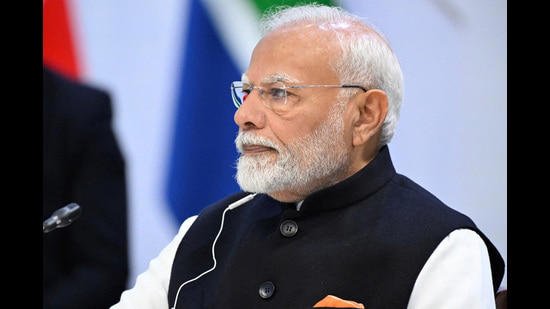
Kazan, Russia – On October 23, 2024, the world watched as Prime Minister Narendra Modi and President Xi Jinping met for the first time in over five years, amid the backdrop of the BRICS summit. This meeting came after a tense period marked by the 2020 border clash in the Galwan Valley, which had strained relations between India and China.


The discussions aimed to address underlying fears and aspirations shared by both nations. Modi emphasized the significance of India-China relations for global peace and stability. He stressed the necessity for mutual respect and open dialogue, particularly concerning border issues, showcasing an optimistic outlook on the potential for strengthened ties.


Following the meeting, both leaders expressed support for a new border patrolling agreement, a development that hinted at a thaw in their historically fraught relationship. This encounter took place shortly after both countries reached a preliminary agreement regarding the patrolling of their Himalayan border, a long-standing source of tension.

However, as the dust settled, notable discrepancies in the statements from both nations emerged, reflecting the complexities of their diplomatic engagements.

In the aftermath of the meeting, PM Modi articulated a hopeful vision for India-China relations. He portrayed the discussions as a crucial step toward fostering friendship and cooperation. “Our relationship is vital for global peace,” he declared, underscoring the importance of dialogue to resolve issues amicable

In contrast, the Chinese Foreign Ministry took a more reserved approach. While acknowledging progress on border matters, they refrained from providing specific details. President Xi Jinping highlighted the necessity for both nations to manage their differences in pursuit of developmental goals but did not commit to any explicit agreements. This cautious tone suggested a desire to maintain strategic ambiguity.

The divergence in statements was striking. India embraced the meeting as a positive stride toward friendship, while China opted for a more measured response, simply recognizing progress without enthusiasm. Furthermore, China avoided discussing specifics such as troop withdrawals, whereas India actively supported the dialogue around border patrol agreements.


This contrast in rhetoric not only illustrates the complexities of India-China relations but also reflects their differing priorities and strategies in navigating diplomatic waters. As both nations move forward, the meeting at Kazan marks a critical juncture, offering a potential path for cooperation amid broader geopolitical dynamics, including India’s increasing alignment with the United States through alliances like the Quad.


As the world watches closely, the coming months will reveal whether this encounter will indeed pave the way for a new chapter in India-China relations or whether underlying tensions will continue to influence their interactions.

Nirmala Sitharaman Engages with World Bank President on Crucial Topics

0

Union Finance Minister Nirmala Sitharaman met with World Bank President Ajay Banga during the World Bank and International Monetary Fund (IMF) Annual Meetings 2024 in Washington, DC.The discussion centered on several important issues, including the involvement of private capital in global public goods, energy security, and the reforms needed for multilateral development banks (MDBs).Sitharaman expressed her anticipation for the World Bank to advance the recommendations from the Independent Evaluation Group (IEG) regarding MDB reforms stemming from India’s G20 Presidency. The Ministry of Finance shared on social media platform X: “Today, Union Minister for Finance and Corporate Affairs Smt. @nsitharaman met Mr. Ajay Banga, President @WorldBank, at the #AnnualMeetings2024 in Washington DC. The dialogue included private capital participation in global public goods, #Energy security, and #MDBs reforms. The statement further highlighted the Finance Minister’s eagerness for the World Bank to implement the IEG’s recommendations from India’s G20 Presidency, emphasizing the need for consistent monitoring of these initiatives in the future.

Cyclone Dana Intensifies, Evacuations Underway as Landfall Nears Odisha and West Bengal

0

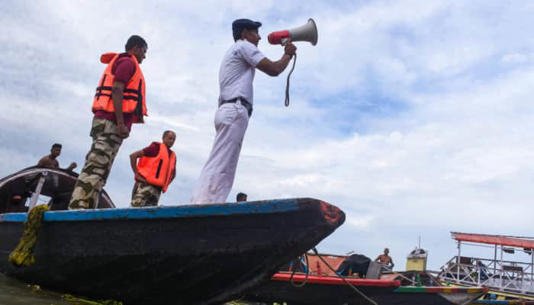
Cyclone Dana is intensifying as it nears the Odisha and West Bengal coasts, with landfall expected between Bhitarkanika National Park and Dhamra Port early on Friday. The Indian Meteorological Department (IMD) has predicted wind speeds of up to 120 km/h and heavy rainfall across several states, triggering evacuation measures for nearly 1.5 million residents in vulnerable areas.


Landfall Timing: Cyclone Dana is forecasted to land on the night of 24 October, continuing into the morning of 25 October. The IMD estimates the landfall process will take approximately 5-6 hours.

Evacuations: A staggering number of over 300,000 people have already been evacuated from coastal regions in Odisha, with further evacuations underway. The state government is working tirelessly to relocate about 1 million residents from 14 districts, underscoring the gravity of the situation.

Weather Alerts: A red alert has been issued for seven districts in Odisha, while West Bengal and Jharkhand are also on high alert. Heavy to weighty rainfall is expected, especially in Balasore, Mayurbhanj, and Jajpur districts.

Government Response

Chief Minister Mohan Charan Majhi has taken proactive measures by convening high-level meetings to ensure the state’s preparedness, emphasizing the goal of zero casualties during the cyclone. Relief teams, including the National Disaster Response Force (NDRF), are on standby, ready to respond to affected areas, providing a sense of reassurance to the public.

Impact on Transportation

Flight operations at Bhubaneswar airport will be suspended for 16 hours starting Thursday evening, and train services have also been severely disrupted as the cyclone approaches.

Expected Conditions

In addition to strong winds, Cyclone Dana is expected to bring a tidal surge of up to 2 meters, creating a multi-hazard scenario for coastal communities. Heavy rainfall has already begun impacting parts of Odisha, with reports of blocked roads in several districts.

Residents are urged to stay indoors and comply with evacuation orders as Cyclone Dana approaches. With authorities working around the clock to minimize the storm’s impact, it’s crucial that everyone follows these orders to ensure their safety and the safety of others, underscoring the urgency of the situation.

बहराइच में अवैध ढांचों की तोड़फोड़ पर बढ़ती हिंसा, अदालत ने दी रोक

0

हाल ही में उत्तर प्रदेश के बहराइच में अवैध ढांचों को तोड़ने के मामले में बढ़ती हिंसा के बाद अदालत के हस्तक्षेप से स्थिति ने नया मोड़ लिया है। इलाहाबाद हाईकोर्ट की एक विशेष पीठ ने राज्य प्रशासन को इन तोड़फोड़ की कार्यवाही पर रोक लगाने का आदेश दिया है। अदालत ने यह निर्देश दिया है कि इस प्रकार की कार्रवाईयों से पहले विधि का पूरा पालन और निवासियों के अधिकारों का सम्मान सुनिश्चित किया जाए।

बहराइच में अवैध ढांचों को तोड़ने को लेकर बढ़ती हिंसा के बीच इलाहाबाद हाईकोर्ट ने हस्तक्षेप किया। अदालत का यह आदेश इस उद्देश्य से जारी हुआ है कि राज्य प्रशासन की हर कार्रवाई विधिक प्रक्रियाओं के तहत हो और प्रभावित निवासियों के अधिकारों का उल्लंघन न हो। तोड़फोड़ के दौरान हुई हिंसक घटनाओं की खबरें आने के बाद अदालत ने यह फैसला लिया।

बहराइच में स्थानीय प्रशासन द्वारा अवैध घोषित ढांचों को गिराए जाने के बाद निवासियों और प्रशासन के बीच टकराव की घटनाएं सामने आईं। यह स्थिति तब गंभीर हो गई जब कानून-व्यवस्था की स्थिति बिगड़ने लगी और मानवाधिकार उल्लंघन की चिंताएं उठने लगीं। इन घटनाओं ने प्रशासन के तौर-तरीकों पर सवाल खड़े कर दिए हैं।हाईकोर्ट के आदेश में यह स्पष्ट किया गया है कि तोड़फोड़ की किसी भी कार्रवाई से पहले कानूनी प्रक्रिया का पूरी तरह से पालन करना आवश्यक है। इसमें प्रभावित निवासियों को पहले नोटिस देना और उन्हें इस कार्रवाई को कानूनी रूप से चुनौती देने का मौका देना शामिल है। अदालत ने यह सुनिश्चित किया है कि जब तक विधिक प्रक्रियाएं पूरी नहीं होतीं, तब तक ऐसी किसी भी कार्रवाई को अंजाम नहीं दिया जाएगा।इन तोड़फोड़ की घटनाओं का स्थानीय समुदाय पर गंभीर असर पड़ा है, विशेष रूप से उन लोगों पर जो इन ढांचों पर अपना निवास या व्यवसाय निर्भर करते हैं। अदालत का यह फैसला इस उद्देश्य से लिया गया है कि आगे किसी प्रकार की हिंसा न हो और भविष्य में प्रशासन की कार्यवाही विधि सम्मत हो। फिलहाल, अदालत के आदेश से निवासियों को अस्थायी राहत मिली है, हालांकि भविष्य की कार्रवाई को लेकर चिंताएं अभी भी बनी हुई हैं।राज्य प्रशासन को अदालत के आदेश का पालन करते हुए सभी तोड़फोड़ की गतिविधियों को रोकने का निर्देश दिया गया है, जब तक कि पूरे मामले की गहन समीक्षा नहीं की जाती। आने वाले समय में इस मुद्दे के कानूनी और सामाजिक पक्षों पर और बहस हो सकती है, क्योंकि इससे प्रभावित समुदाय के हितों और प्रशासन के कर्तव्यों का संतुलन स्थापित करना चुनौतीपूर्ण रहेगा। यह घटना शहरी विकास, कानूनी अधिकारों और सामुदायिक कल्याण के बीच नाजुक संतुलन की ओर इशारा करती है, जो अवैध ढांचों के मुद्दे को हल करने में महत्वपूर्ण है।

  1. कानूनी अनुपालन और सुरक्षा:
    प्रशासन स्थानीय निर्माण कानूनों का पालन करवाने के उद्देश्य से उन ढांचों को तोड़ रहा है, जिन्हें बिना उचित अनुमति के बनाया गया है, खासकर प्रमुख सड़कों के करीब स्थित ढांचों को। यह तोड़फोड़ सार्वजनिक सुरक्षा और बुनियादी ढांचे की सुरक्षा के लिए की जा रही है।
  2. साम्प्रदायिक हिंसा का प्रभाव:
    हाल ही में बहराइच में दुर्गा पूजा के दौरान साम्प्रदायिक हिंसा की घटनाओं के बाद अवैध ढांचों को तोड़ने की प्रक्रिया तेज कर दी गई है। हिंसा में शामिल लोगों से जुड़े अवैध निर्माणों को निशाना बनाकर प्रशासन कार्रवाई कर रहा है, जिससे इन ढांचों पर ध्यान केंद्रित किया जा रहा है।
  3. जनहित याचिकाएं:
    स्थानीय अदालतों में दायर जनहित याचिकाओं के जवाब में भी यह तोड़फोड़ की जा रही है, जिनमें अवैध ढांचों को हटाने का आदेश दिया गया है। अदालत ने अवैध निर्माणों को हटाने का निर्देश दिया है, ताकि भूमि उपयोग और निर्माण प्रथाओं के संबंध में कानून का पालन हो सके।
  4. समुदाय का दबाव:
    तोड़फोड़ की नोटिस मिलने के बाद कई निवासियों ने खुद ही अपने निर्माणों को तोड़ना शुरू कर दिया है, ताकि प्रशासनिक कार्रवाई से बचा जा सके। यह कदम समुदाय के भीतर के दबाव और सरकारी कार्रवाई के डर को दर्शाता है।
  5. विशिष्ट क्षेत्रों को निशाना:
    कई रिपोर्टों में कहा गया है कि यह तोड़फोड़ खासतौर पर उन क्षेत्रों में हो रही है, जहां अवैध निर्माण अधिक हैं और इससे अल्पसंख्यक समुदाय, विशेषकर मुस्लिम निवासियों, पर अधिक असर पड़ रहा है। इससे चुनिंदा तरीके से कार्रवाई और भेदभाव की चिंताएं भी उठ रही हैं।

बहराइच में अवैध ढांचों की तोड़फोड़ एक जटिल मुद्दा है, जिसमें कानूनी अनुपालन, सामुदायिक हित और हालिया साम्प्रदायिक हिंसा के संदर्भ में प्रशासनिक कार्रवाई शामिल है। हालांकि, यह कदम सुरक्षा सुनिश्चित करने और कानून के पालन के लिए उठाए जा रहे हैं, लेकिन इससे समुदाय के भीतर की दरारें और प्रशासनिक व्यवस्था की निष्पक्षता पर सवाल भी खड़े हो रहे हैं।

Modi Likely to Skip COP29, Affecting Potential Meeting with Pakistan’s Shehbaz Sharif

0

Prime Minister Narendra Modi is expected to miss the upcoming United Nations Climate Change Conference (COP29) in Azerbaijan next month due to scheduling conflicts, according to sources familiar with the matter. This development reduces the chances of a long-awaited meeting between Modi and Pakistani Prime Minister Shehbaz Sharif, a meeting that Pakistan was keen to facilitate following Indian External Affairs Minister S. Jaishankar’s recent visit to Pakistan for a Shanghai Cooperation Organisation (SCO) meeting.

India’s delegation at COP29 will reportedly be led by Environment and Climate Change Minister Bhupender Yadav, as confirmed by multiple anonymous sources. The absence of Modi, who has been a vocal advocate for climate action, raises questions about India’s leadership role at the conference.

A recent document from the United Nations Framework Convention on Climate Change (UNFCCC) detailing participation by heads of state indicates that several prominent leaders, including Chinese President Xi Jinping, US President Joe Biden, and French President Emmanuel Macron, are also anticipated to skip the conference. Currently, 106 heads of state or government have confirmed their attendance at COP29’s World Leaders Climate Action Summit, although Israeli Prime Minister Benjamin Netanyahu has yet to confirm his participation.

The expected absence of several key leaders, including Modi, could impact discussions on vital climate initiatives and collaborations at COP29, highlighting the challenges of aligning national schedules with global priorities.

India Brings 100 Tonnes of Gold Home: A New Era in Monetary Strategy

0

In a defining moment for India’s monetary strategy, the Reserve Bank of India (RBI) has repatriated 100 tonnes of gold from the United Kingdom, marking the first major transfer of its kind since 1991. This isn’t just about moving gold across borders—it’s a reflection of India’s growing economic strength and a strategic shift in how the nation manages its reserves.

A Glance Back at 1991

Back in 1991, India was in the grips of a severe economic crisis. To secure a crucial loan from the International Monetary Fund (IMF), the country was forced to pledge its gold. At the time, sending gold abroad was an act of economic survival. Fast forward to 2024, and the return of this gold tells a story of recovery and renewal. The country, once in crisis, now brings its assets home, with nearly half of the RBI’s 822.10 metric tonnes of gold reserves stored within India’s borders.

Why Now?

The decision to bring this large volume of gold back home was driven by both strategic and logistical reasons. As RBI Governor Shaktikanta Das explained, India’s growing gold purchases meant more of its reserves were being stored abroad. Now, with sufficient storage capacity available domestically, the central bank decided it was the right time to relocate some of its gold back to India.

There have been whispers that geopolitical tensions, such as the freezing of Russian assets, might have influenced the decision. However, RBI officials have been clear: the move was about improving logistical efficiency and reducing overseas storage costs, rather than responding to geopolitical risks.

A Balanced Approach to Gold Reserves

Following the repatriation, India’s gold holdings are now nearly evenly divided between domestic and international storage. Around 408.18 tonnes are now stored within the country, while 413.92 tonnes remain abroad. This balanced distribution not only enables the RBI to better control local gold prices but also supports the development of India’s bullion market. Additionally, cutting back on overseas storage helps lower associated costs, making the decision both practical and economical.

What Lies Ahead

This move is part of a broader global trend of central banks diversifying their reserves away from dollar assets, with India positioning itself in this shift. The RBI has been aggressively expanding its gold reserves, adding 27.47 tonnes of gold in the financial year 2024 alone. This proactive approach is seen as a safeguard against global economic uncertainties.

Ultimately, this repatriation represents more than just a return of physical assets; it is a symbol of India’s financial resilience and growing self-reliance. By learning from past challenges and positioning itself for the future, the RBI is steering the country toward greater economic independence and stability.

South India Faces Challenges of Low Fertility Rates and an Aging Population

0
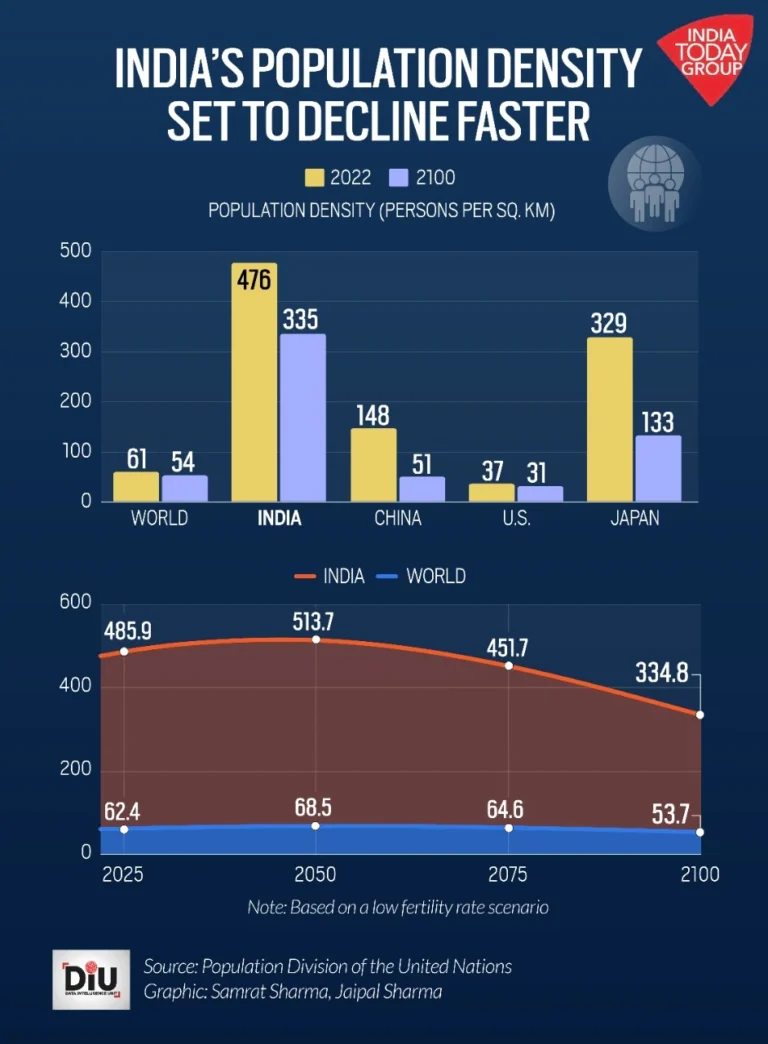
In recent years, South India has seen a dramatic decline in fertility rates, with states like Andhra Pradesh, Tamil Nadu, Kerala, Karnataka, and Telangana reporting numbers below the replacement level of 2.1 children per woman. These states now have fertility rates between 1.5 to 1.6 children per woman, significantly lower than India’s national average of 2. The drop is largely attributed to improved access to education, healthcare, and family planning services, leading to profound socio-economic changes across the region.

Demographic Shift Towards an Aging Population

With fertility rates declining, the demographic makeup of South India is shifting towards an aging population. A telling indicator of this is the old-age dependency ratio, which measures the number of elderly individuals (aged 60 and above) for every 100 people of working age (15 to 59 years). By 2036, South India is expected to have an old-age dependency ratio of 19.4, much higher than the projected 15.2 in Northern states.

This shift brings with it significant challenges. The region’s aging population is growing faster than that of other parts of India, potentially putting strain on public resources. As the proportion of working-age people shrinks, fewer individuals will be available to support a growing elderly population. This could burden healthcare systems and pension schemes, leading to calls for more social safety nets and healthcare services catering to older citizens.

Socio-Economic Impacts and Political Concerns

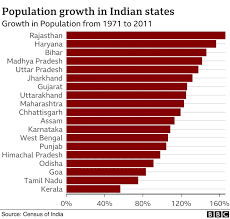
An aging population and reduced workforce also carry political ramifications. Southern states, traditionally more prosperous and with stronger infrastructure, could face reduced political representation in the future. As their population growth slows relative to Northern states, their influence in national affairs—particularly in Parliament—could diminish.

For South India, which has long been seen as an engine of economic growth, this demographic reality also affects future workforce availability and productivity. Fewer young people entering the job market could impact industries that rely on a steady stream of talent and labor, challenging the region’s economic resilience.

Future Projections and Policy Responses

Looking ahead, the United Nations Population Fund (UNFPA) estimates that by 2050, around 20% of India’s population will be aged 60 and above. In South India, where the fertility decline began earlier, this trend is expected to be even more pronounced. By 2036, the elderly population in India is projected to grow from 10 crore in 2011 to around 23 crore.

In response to these demographic changes, leaders in the South are already considering pro-natalist policies. In Andhra Pradesh, the Chief Minister has floated the idea of incentives for families who have more children, recognizing that boosting birth rates is one possible solution to offset the declining young population.

As South India grapples with the consequences of its low fertility rates, policymakers will need to carefully navigate the economic and social shifts that come with an aging population. While incentives to encourage larger families may address some concerns, a more comprehensive approach—focused on healthcare, social services, and economic reform—will be essential for the region to maintain both its economic strength and political relevance in the years ahead.