

Priyanka Chopra and Nick Jonas recently marked Diwali in London, celebrating with their daughter, Malti Marie, in a unique “Diwaloween” festivity—a rare crossover with Halloween that hasn’t occurred since 2016. The family embraced the occasion, blending Indian traditions with a modern twist, wearing coordinated outfits by designer Sabyasachi. Priyanka and Malti were stunned in matching red, while Nick wore a beige kurta-pyjama. The celebration included traditional Indian snacks and a Diwali dinner at the Gymkhana restaurant, attended by close friends and family. Priyanka’s heartfelt social media post shared glimpses of their joyful gathering, expressing wishes for peace and happiness.
Harsh Goenka Advocates for Work-Life Balance, Urges Enjoyment Today
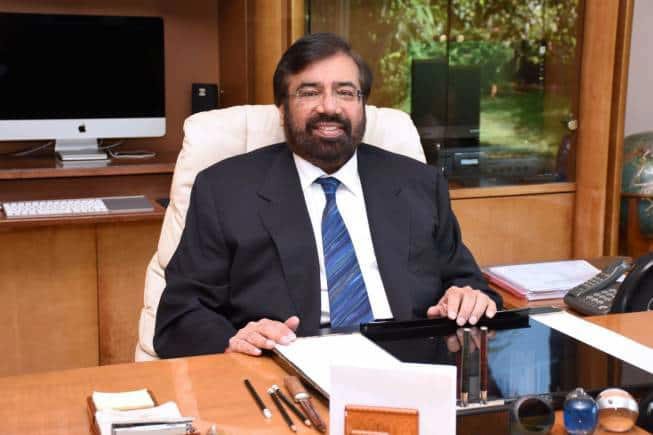
Harsh Goenka, chairman of RPG Enterprises, has recently stressed the importance of maintaining a healthy work-life balance. He urged individuals to “live fully today” instead of postponing enjoyment until retirement. Goenka shared this perspective amid rising concerns about workplace stress, particularly following the tragic death of a young chartered accountant due to work-related pressures.
In his remarks, Goenka criticized the glorification of overwork and called for urgent reforms within corporate cultures to prioritize employee well-being. He advocated for organizations to establish clear boundaries between work and personal time, promoting an environment where efficiency is valued over long hours. His push for a balanced approach to work reflects a broader shift in attitudes, especially among younger generations who increasingly prioritize flexibility and mental health alongside traditional hard work.
Goenka articulated that life is too short to wait for retirement to enjoy its pleasures. He encouraged people to integrate meaningful experiences into their daily lives rather than deferring them for future rewards. This call for immediate fulfillment resonates with many who are seeking a more balanced lifestyle in today’s fast-paced work environment.
AAP Criticizes PM Modi’s Claims on Ayushman Bharat, Calls It a “Failed Initiative”
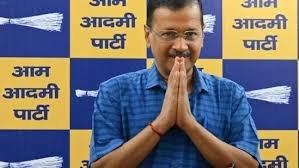
The Aam Aadmi Party (AAP) has sharply criticized Prime Minister Narendra Modi’s recent remarks about the Ayushman Bharat health insurance scheme. During a public address at AIIMS, Modi claimed that the governments of Delhi and West Bengal have not implemented the scheme due to “political interests.” He expressed disappointment over the lack of free healthcare for senior citizens in these states and apologized to elderly citizens, acknowledging their suffering caused by state decisions that hinder access to healthcare benefits.
In response, AAP’s Health Minister Saurabh Bhardwaj called the Ayushman Bharat scheme a “failed initiative.” He argued that its limited eligibility criteria prevent many people from benefiting. In contrast, he highlighted Delhi’s healthcare model, which offers free services regardless of an individual’s assets. Bhardwaj emphasized that the Delhi government provides comprehensive healthcare coverage without income or asset restrictions, questioning why the central government imposes a cap of ₹5 lakh when it already offers free treatment up to ₹50 lakh in Delhi.
U.S. Ambassador Eric Garcetti Steals the Spotlight with Energetic Dance at Diwali Celebrations
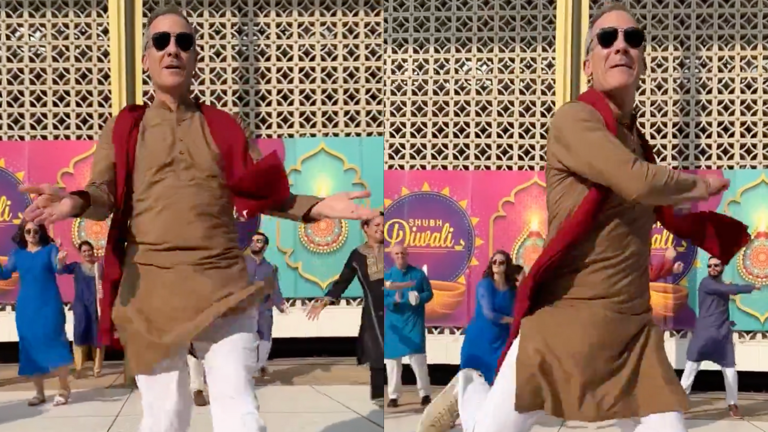
Eric Garcetti, the U.S. Ambassador to India, recently captured widespread attention with his energetic dance performance at the U.S. Embassy’s Diwali celebrations in New Delhi. The video of Garcetti dancing to the Bollywood hit “Tauba Tauba” from the film Bad Newz quickly went viral, amassing over 240,000 views and more than 3,500 likes shortly after its release on social media platforms like X (formerly Twitter).
During the event, Garcetti showcased his dance moves while sporting a brown kurta and sunglasses, impressing attendees with his infectious enthusiasm and energy. This performance is not Garcetti’s first foray into festive dancing; last year, he entertained guests at the Diwali celebration with a rendition of “Chaiyya Chaiyya,” another popular Bollywood classic.
Moreover, this viral dance not only highlights Garcetti’s cultural engagement but also reflects a growing appreciation for Indian festivals in diplomatic circles. His lively performance has been widely shared across various platforms, contributing to a joyous celebration of cultural exchange during Diwali festivities.
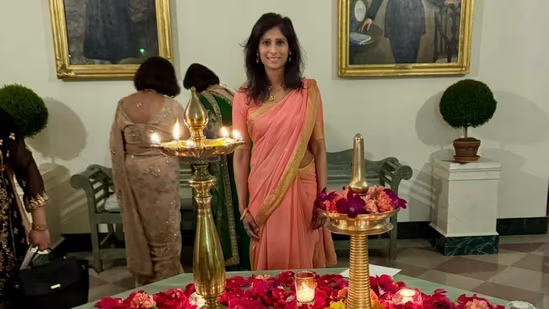
Diwali: A Celebration of Light, Legacy, and Renewal
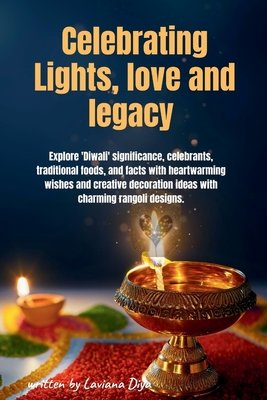
Diwali, or Deepavali, known as the “Festival of Lights,” is more than a celebration; it honours life’s brightest virtues. As one of India’s most significant events, Diwali fills cities and villages with the glow of unity, resilience, and hope. Celebrated over five days between October and November, this occasion sparks hearts, inspiring people to pursue clarity and embrace goodness. Diwali’s light reminds us that hope conquers darkness and good will rise above evil.
A Tapestry of Legends
Diwali’s origins stem from timeless stories, each adding depth to the festival’s meaning. The most famous tale commemorates Lord Rama’s return to Ayodhya after a 14-year exile and his victory over the demon king Ravana. His homecoming was greeted by thousands of lamps (diyas) illuminating the city—a tradition continued today as millions of light diyas to honour his victory. Other stories celebrate Lord Krishna’s defeat of the demon Narakasura and the worship of Goddess Lakshmi, who blesses devotees with prosperity. These legends infuse Diwali with values guiding us toward truth, courage, and gratitude.

A Festival Beyond Religion
Diwali transcends religious lines, celebrated by Hindus, Jains, Sikhs, and Buddhists in unique ways. This inclusivity unites India’s diverse communities, with families gathering to share meals, exchange gifts, and create vibrant rangoli designs. For many, Diwali marks the Hindu New Year—a time of renewal and generosity. The season highlights charity, kindness, and community, inspiring people to contribute to the greater good.
Beyond culture, Diwali holds profound spiritual importance, urging reflection, inner cleansing, and illumination of the soul. Lighting a diya symbolizes both external light and inner awakening. Diwali encourages people to shed negativity, renew their purpose, and step forward with peace and clarity. In the glow of the lamps, Diwali reminds us to pursue wisdom, share love, and seek harmony.
A Symbol of Hope
Each Diwali ritual is steeped in meaning, whether through lighting diyas to dispel darkness or performing prayers for prosperity. These traditions embody hope, new beginnings, and confidence that good will prevail. Diwali reinforces dharma, or duty, reminding us to live ethically and with integrity.
A Community United in Joy
Diwali is not just for families; it unites entire communities. People gather, light fireworks, decorate streets with dazzling lights, and share sweets as tokens of goodwill. The festival becomes a mosaic of joy and gratitude, bringing communities together in celebration. This sense of unity, rooted in tradition, fosters an environment where everyone feels embraced by the Diwali spirit.
A Festival of Change
Environmental awareness has led to greener Diwali celebrations in recent years. Although firecrackers are traditional, many now choose eco-friendly practices, using biodegradable decorations and reducing firecrackers. This shift preserves Diwali’s joy while caring for the environment.
A Light and Legacy
Diwali’s beauty lies in its layers of meaning, bringing people together, instilling strength to overcome challenges, and inspiring kindness and light throughout the year. Diwali’s glow serves as a beacon, urging us to embrace values, nurture positivity, and remain resilient, just as light prevails over darkness. As diyas light homes and hearts, Diwali becomes more than a festival—it becomes a commitment to living with joy, compassion, and unity.

Indian and Chinese Troops Exchange Sweets at LAC on Diwali, Signaling Thaw in Tensions
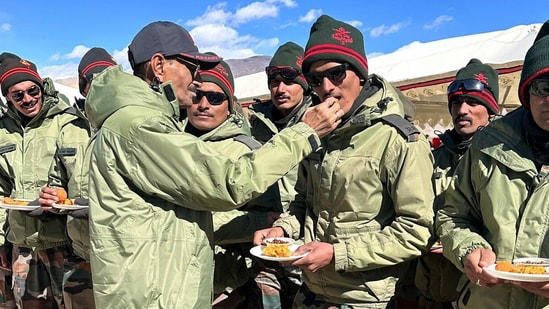
In a heartening Diwali gesture, Indian and Chinese troops exchanged sweets at various points along the Line of Actual Control (LAC) on October 31, 2024. This symbolic act of goodwill comes after a recent disengagement agreement between the two nations, offering a hopeful sign for improved bilateral relations.
- Symbolic Gesture: Troops celebrated the festive spirit by exchanging sweets across multiple LAC locations, marking a rare camaraderie on the border.
- Significance: After months of heightened tensions, this exchange indicates a relationship warming, suggesting mutual interest in peace and stability.
- Context of Disengagement: The exchange follows a strategic disengagement aimed at reducing hostilities and fostering better communication between Indian and Chinese forces at the border.
This Diwali exchange underscores a tentative yet promising shift towards greater cooperation and understanding between India and China amidst a challenging geopolitical landscape.
The Clash Intensifies: Bhool Bhulaiyaa 3 and Singham Again in Copyright Row Over Title Track
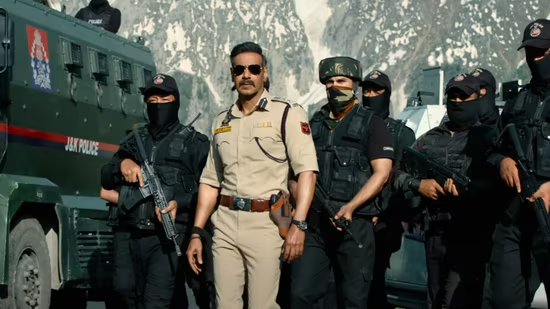
The box office battle between Bhool Bhulaiyaa 3 and Singham Again has taken an unexpected twist as a copyright dispute flared up around the title track of Singham Again. Here’s a breakdown of the key developments:
Copyright Strike: Singham Again’s title track, which initially released on YouTube, was quickly taken down following a copyright claim from T-Series, the producer of Bhool Bhulaiyaa 3. The issue stemmed from the incorporation of elements from the well-loved Singham theme, originally composed by Ajay-Atul for the 2011 film. The move has left fans of both franchises puzzled, especially with both movies set to clash during the highly anticipated Diwali weekend.
Re-uploaded Version: After its removal, an edited version of the song, noticeably lacking the iconic Singham theme, was re-uploaded on YouTube. This change sparked debates across social media, with speculation arising about whether T-Series might have intentionally filed the copyright strike to hinder the success of Singham Again in light of its competitive release against Bhool Bhulaiyaa 3.
Industry Reactions: A source from Saregama Music indicated that the copyright issue was minor and resolved quickly. Yet, the incident has fueled a social media frenzy, with fans voicing mixed opinions. While some supported Singham Again and felt it had been unfairly targeted, others sided with T-Series, viewing the incident as a necessary enforcement of copyright.
Upcoming Releases: Both films are scheduled for release on November 1, intensifying competition between the production teams and their fan bases. The dual release has also underscored the importance of copyright within the music industry, especially when highly anticipated projects coincide.
As both movies gear up for a box office showdown, this copyright dispute serves as a reminder of the complexities surrounding intellectual property, raising questions about fair play and the impact of corporate competition on creativity.