Saturday, March 7, 2026
Home Blog Page 3

Supreme Court Issues Notice on Congress Plea Challenging Amendments to Election Rules

0

The Supreme Court of India has issued a notice to the Centre and the Election Commission of India (ECI) in response to a petition filed by Congress leader Jairam Ramesh. The petition challenges recent amendments to the Conduct of Election Rules, 1961, which Ramesh claims undermine the transparency and accountability of the electoral process by limiting public access to key election-related documents such as CCTV footage and webcasting records.

The amendments to Rule 93(2)(a), introduced in December 2024, revise the provisions that previously allowed public scrutiny of important electoral materials. These amendments, according to Ramesh, limit access to certain electronic records, which could hinder transparency and public oversight during elections. The government, however, justifies these changes by stating that they are necessary to protect voter privacy and prevent misuse of sensitive electoral data.

  • Hearing Scheduled: The Supreme Court has scheduled the next hearing for the week commencing March 17, 2025. This marks an important development in the ongoing legal battle concerning electoral transparency in India.
  • Nature of Amendments: The contested amendments restrict public access to vital election-related documents, particularly CCTV footage and electronic recordings of webcasting at polling stations. These materials were previously available for public inspection, which ensured electoral accountability.
  • Concerns Raised: Ramesh’s petition argues that these changes were made without adequate public consultation and could erode trust in the democratic process. He contends that such unilateral amendments by the Election Commission undermine democratic principles by limiting transparency and accountability in the election process.

Legal Representation and Criticisms

Ramesh is being represented by senior advocates Abhishek Manu Singhvi and Kapil Sibal, who have voiced concerns that these amendments obscure essential electoral data under the pretext of protecting voter privacy. The legal team argues that the amendments limit public oversight of the election process, a fundamental aspect of free and fair elections.

Singhvi and Sibal have criticized the justifications put forward by the government, asserting that the claim regarding the protection of voter identities is unfounded. They argue that CCTV footage does not reveal how individuals vote but serves as a critical tool for ensuring electoral integrity.

Ramesh’s Arguments Against the Amendments

Ramesh’s petition raises several key arguments:

  • Erosion of Transparency: Ramesh argues that the amendments restrict access to crucial materials such as CCTV footage and webcasting videos, which play an important role in ensuring electoral transparency and accountability.
  • Lack of Public Consultation: Ramesh emphasizes that the Election Commission of India (ECI), as a constitutional body tasked with conducting free and fair elections, should not unilaterally amend significant laws without engaging in proper public consultation.
  • Flawed Justifications: He contests the government’s justification for the amendments, arguing that the CCTV footage does not violate voter privacy but is necessary to safeguard the integrity of elections.
  • Potential for Misuse: Ramesh claims that the amendments serve to obscure crucial election data under the guise of preventing misuse of electronic records, which could hinder transparency and reduce accountability.
  • Call for Judicial Intervention: Ramesh has urged the Supreme Court to intervene and restore transparency in the electoral process, calling for judicial oversight to ensure that the amendments do not compromise the integrity of India’s elections.

Potential Impacts of the Supreme Court’s Decision

The Supreme Court’s decision on this case could have far-reaching consequences for the future of electoral regulations in India. Here are some potential impacts:

  1. Reinforcement of Electoral Transparency: If the Supreme Court rules in favor of Ramesh, it could strengthen the principle of transparency in elections by ensuring that the public retains access to crucial election materials.
  2. Precedent for Future Amendments: A ruling against the amendments may set a precedent that limits the ability of the Election Commission and the government to amend election laws without public consultation, thereby safeguarding the democratic process.
  3. Judicial Oversight: A ruling in favor of Ramesh could reinforce the role of the judiciary in overseeing changes to election laws, ensuring that they align with constitutional principles and uphold democratic values.
  4. Enhanced Voter Confidence: If transparency is prioritized, the decision could lead to increased voter confidence in the electoral process, encouraging greater participation in future elections.
  5. Implications for Democratic Practices: The ruling may have broader implications for the democratic process in India, reinforcing the importance of transparency, accountability, and public oversight.

As the March 17, 2025 hearing date approaches, the Supreme Court’s decision will be keenly awaited, as it could shape the future of electoral governance in India and ensure that the election process remains fair and accountable to the people.
Akhilesh Yadav Reaffirms INDIA Alliance Unity Amid Internal Discord

0

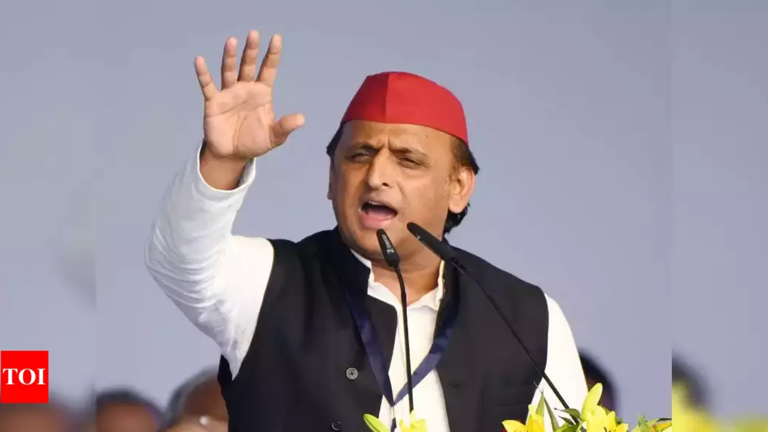
Akhilesh Yadav, leader of the Samajwadi Party, has reaffirmed the integrity of the INDIA alliance, addressing growing concerns about internal discord within the coalition. Speaking on January 12, 2025, he emphasized the bloc’s commitment to uniting regional parties against the BJP, declaring, “The INDIA alliance is intact.”

Yadav’s comments come amidst a backdrop of mixed signals from alliance partners. Congress MP Manish Tewari recently highlighted the broader purpose of the alliance as safeguarding national integrity beyond just elections. However, leaders like Omar Abdullah have expressed skepticism, citing infrequent meetings and unresolved leadership questions as barriers to cohesion.

Support for AAP Sparks Speculation

Yadav’s recent endorsement of the Aam Aadmi Party (AAP) for the upcoming Delhi assembly elections has sparked debates about potential fractures within the alliance. He argued that AAP is the only party capable of effectively challenging the BJP in Delhi, signaling a shift towards regional collaborations. This move has raised concerns about the alliance’s ability to maintain a unified front, especially as Congress’s role comes under scrutiny.

Congress: The Balancing Force?

As the largest party in the INDIA alliance, Congress holds the key to maintaining unity. Its capacity to mediate disputes and align regional ambitions with the coalition’s national agenda is critical. However, its historical dominance and perceived inflexibility in power-sharing have occasionally strained relationships with regional partners.

Balancing Regional and National Priorities

The INDIA alliance’s composition of diverse regional parties poses both a strength and a challenge. While these parties bring localized expertise and voter bases, their ambitions sometimes clash with the collective strategy against the BJP. Leaders like Akhilesh Yadav and Arvind Kejriwal prioritize state-level dynamics, which can complicate national-level coordination.

The Stakes of Unity

The alliance faces significant challenges as it gears up for the 2024 Lok Sabha elections. Fragmentation could weaken the opposition’s impact, allowing vote-splitting to consolidate BJP’s dominance. However, a unified INDIA alliance can present a formidable challenge by pooling resources, votes, and strategic expertise.

Akhilesh Yadav’s reassurance underscores the INDIA alliance’s potential to remain a united force against the BJP. As the bloc navigates leadership challenges and regional ambitions, its ability to present a cohesive strategy will determine its effectiveness in the upcoming elections. For now, the alliance’s resilience and adaptability remain under the spotlight.

EC Stresses Importance of Model Code of Conduct Amid ‘One Nation, One Election’ Debate

0

The “One Nation, One Election” proposal has sparked a nationwide debate, raising questions about its impact on governance, democracy, and India’s federal structure. As discussions intensify, the Election Commission (EC) of India continues to emphasize the importance of the Model Code of Conduct (MCC) in ensuring fair elections. This article delves into the nuances of the debate and explores related topics shaping the discourse.

1. Understanding the Model Code of Conduct (MCC): Key Provisions and Purpose

The MCC is a set of guidelines issued by the EC to ensure a level playing field for all political parties during elections. It restricts ruling governments from announcing new projects or policies that could influence voters and establishes ethical standards for campaign conduct. Developed in consultation with political parties, the MCC has become a cornerstone of India’s electoral democracy.

2. The Debate Over ‘One Nation, One Election’: Pros and Cons

The proposal to synchronize elections for the Lok Sabha and state assemblies aims to reduce the financial and administrative burdens of frequent polls. Proponents argue it could streamline governance and increase voter participation. However, critics warn of risks to federalism, as simultaneous polls may centralize power and reduce the flexibility of state governments to dissolve assemblies or hold mid-term elections.

3. Impact of MCC on Development and Governance

One of the key criticisms of the MCC is its impact on development projects. During elections, governments are restricted from launching new schemes or implementing major initiatives, which some argue delays progress. The EC, however, contends that the MCC is essential for fair elections and that its duration can be minimized by rationalizing election cycles.

4. Financial and Administrative Challenges of Frequent Elections

India’s staggered election schedule incurs significant costs and requires extensive deployment of resources, including security forces and administrative staff. Simultaneous elections could potentially reduce these expenditures, allowing funds to be redirected toward development initiatives.

5. Federalism vs. Uniformity: Implications of Simultaneous Elections

India’s federal structure allows states to function independently of the central government. Critics of “One Nation, One Election” argue that synchronized polls could undermine this autonomy, forcing states to align their electoral timelines with national priorities. This raises concerns about the balance of power between the center and states.

6. Streamlining the Model Code of Conduct: EC’s Proposals and Challenges

The EC has proposed rationalizing the MCC’s application to reduce disruptions while maintaining electoral fairness. Suggestions include limiting the code’s duration and scope during simultaneous elections. However, implementing such changes would require broad political consensus and legislative amendments.

7. The Role of the Election Commission in India’s Democracy

The EC plays a critical role in maintaining electoral integrity. Its efforts to ensure transparent and fair elections have earned it credibility worldwide. The MCC is a vital tool in this mission, reinforcing public trust in the democratic process.

8. International Perspectives on Simultaneous Elections

Several countries, including Indonesia and South Africa, conduct simultaneous elections. While these models offer insights, India’s unique diversity and federal structure pose distinct challenges, requiring tailored solutions rather than direct replication.

9. Technological Solutions to Election Management in India

Adopting advanced technology could address some logistical challenges of frequent elections. Innovations such as blockchain voting, electronic voter rolls, and real-time monitoring systems could enhance efficiency and reduce costs.

10. Public Opinion on ‘One Nation, One Election’: Voices from Across India

Public sentiment on synchronized polls is mixed. While many support the idea of reducing election-related disruptions, others fear it could dilute regional representation and marginalize state-specific issues.


The “One Nation, One Election” proposal raises significant questions about the future of India’s democracy. While it offers potential solutions to some challenges, it also poses risks that require careful consideration. As the EC continues its consultations with stakeholders, the focus must remain on upholding the principles of fairness, federalism, and inclusivity that define India’s democratic ethos.

सैफ अली खान ने गुरुग्राम के एंबियंस मॉल में कल्याण ज्वैलर्स का नया शोरूम खोला

0

गुरुग्राम, 11 जनवरी 2025: बॉलीवुड अभिनेता सैफ अली खान ने गुरुग्राम के एंबियंस मॉल में कल्याण ज्वैलर्स के नए शोरूम का उद्घाटन किया। यह शोरूम हरियाणा में कल्याण ज्वैलर्स का 10वां शोरूम है और यहाँ ग्राहकों को एक बेहतरीन खरीदारी का अनुभव मिलेगा।सैफ अली खान ने उद्घाटन समारोह में कहा, “कल्याण ज्वैलर्स से जुड़ना मेरे लिए गर्व की बात है। यह ब्रांड विश्वास, पारदर्शिता और ग्राहक सेवा में विश्वास करता है, और मुझे यकीन है कि ग्राहक इस शोरूम को पसंद करेंगे।”

कल्याण ज्वैलर्स के एक्जीक्यूटिव डायरेक्टर श्री रमेश कल्याणरमन ने कहा, “हमारा उद्देश्य एक ऐसा माहौल बनाना है जहां ग्राहकों को उनकी हर जरूरत का ख्याल रखा जाए। हम गुणवत्ता और सेवा पर जोर देते हुए, खास डिजाइनों का संग्रह पेश करते रहेंगे।”

इस मौके पर कल्याण ज्वैलर्स ने सभी आभूषणों पर मेकिंग चार्ज पर 25% की छूट देने का ऐलान किया है। साथ ही, उनके सभी शोरूम में ‘कल्याण स्पेशल गोल्ड बोर्ड रेट’ भी लागू रहेगा।

ग्राहकों को एक 4-लेवल एश्योरेंस सर्टिफिकेट भी मिलेगा, जो आभूषणों की शुद्धता, आजीवन मुफ्त रखरखाव, और पारदर्शी विनिमय नीतियों की गारंटी देता है।

नए शोरूम में ग्राहकों को कई तरह के आभूषण मिलेंगे, जिनमें ‘मुहूर्त’ ब्राइडल ज्वैलरी, पोल्की आभूषण, टेम्पल ज्वैलरी, डांसिंग डायमंड्स और सॉलिटेयर डायमंड्स जैसी खास लाइनें शामिल हैं।

इस शोरूम में आकर ग्राहक न केवल शानदार आभूषण खरीद सकते हैं, बल्कि एक बेहतरीन खरीदारी अनुभव भी हासिल कर सकते हैं।

Game Changer’s Opening Day: Ram Charan’s Film Shines, but Trails Behind Blockbuster Rivals

0

Ram Charan’s much-anticipated film Game Changer made a strong debut at the box office, grossing ₹186 crore worldwide on its opening day. In India, the film earned ₹51.25 crore across five languages: Telugu, Tamil, Hindi, Kannada, and Malayalam.

A Mixed Box Office Success

While the opening numbers are impressive, Game Changer falls short compared to recent blockbusters. For instance, Pushpa 2 collected a staggering ₹294 crore globally on its first day, setting a benchmark just a month ago. Additionally, Game Changer could not surpass the global opening of Ram Charan’s previous hit RRR, which earned ₹133 crore domestically on day one.

Breakdown of Earnings

The Telugu version led the earnings, contributing approximately ₹42 crore. The Hindi version added ₹7 crore, while Tamil accounted for ₹2.1 crore. Contributions from Kannada and Malayalam were minimal.
Occupancy rates reflected the film’s popularity, with the Telugu version achieving over 51% in morning shows and 82% occupancy in the afternoon for the 4DX Hindi screenings.

Timing and Storyline Boost Performance

Released on January 10, 2025, Game Changer hit theaters during the Sankranti festive season, a prime time for cinema releases. Directed by S. Shankar, the film marks his Telugu directorial debut. The storyline follows an IAS officer’s battle against political corruption, a theme that resonated with audiences.

Comparison with Industry Titans

Although Game Changer outperformed Ram Charan’s previous solo ventures, it lagged behind juggernauts like Pushpa 2 and RRR. Trade analysts suggest that while the movie benefited from the Sankranti festivities, stiff competition and high expectations may have tempered its earnings.

Looking Ahead

Critical reviews and word-of-mouth reception will play a crucial role in determining whether Game Changer can sustain its momentum in the coming days. As the festive weekend continues, fans and industry insiders will be closely watching the film’s performance.

In summary, Game Changer has delivered a strong opening but faces tough competition in an industry dominated by mega-hits. Whether it can carve out a lasting legacy remains to be seen.

PM Modi to Attend Artificial Intelligence Action Summit in France, Strengthening Global AI Dialogue

0

Prime Minister Narendra Modi will participate in the Artificial Intelligence Action Summit in France on February 10-11, 2025. French President Emmanuel Macron announced this during the French Ambassador Conference. He highlighted the summit’s importance in promoting international cooperation on AI policies and innovations.

The summit will unite global leaders from countries like the United States, China, and India to discuss AI’s future. Topics will include societal impacts, governance challenges, and security concerns. Macron stressed the need for unified policies to manage AI’s rapid advancements effectively.

Focus on Global AI Governance

The summit will offer a platform for discussions on:

  • Ethical standards for AI development.
  • Solutions to reduce AI risks, such as misinformation and cyber threats.
  • Applications of AI in healthcare, education, and climate change.
  • Global efforts to ensure fair access to AI technologies.

India’s presence emphasizes its growing influence in AI development. The country has introduced policies that encourage research, support startups, and integrate AI into public services.

Boosting India-France Relations

PM Modi’s participation coincides with his state visit to France. During this visit, both nations expect to finalize key defense deals. These include the purchase of 26 Rafale-M fighter jets and three Scorpene-class submarines worth approximately $10 billion.

These agreements underline the strengthening of ties between India and France. The partnership spans diverse fields like defense, technology, and energy. Macron expressed hope that Modi’s visit would further solidify their relationship.

Shaping Global AI Policies

AI is a transformative force worldwide. The summit aims to align countries on rules that balance innovation and risk management. Experts believe decisions made here could significantly influence global AI policies. France and India, as leaders in technology, are expected to play pivotal roles.

Expected Outcomes

While the Indian government has not officially confirmed Modi’s attendance, Macron’s invitation highlights India’s importance. Key outcomes from the summit may include:

  • Agreements on global AI regulations.
  • Enhanced collaborations in AI research and development.
  • Insights into how AI intersects with defense, cybersecurity, and society.

As global leaders gather in France, the Artificial Intelligence Action Summit will set the stage for crucial discussions. These decisions will shape the future of AI and its role in building a safer, more inclusive world.

Yogi Adityanath Sparks Debate Over Temple-Mosque Disputes, Calls Waqf Board a ‘Land Mafia’ Prayagraj

0

Uttar Pradesh Chief Minister Yogi Adityanath has stirred a fresh wave of debate over temple-mosque disputes, asserting a firm stance on reclaiming land associated with Hindu heritage. During a public address in Prayagraj, Adityanath stated, “We will reclaim every inch of land,” in response to claims that parts of the Maha Kumbh Mela site are situated on Waqf Board land.

In a scathing critique, the Chief Minister labeled the Waqf Board a “Board of Land Mafias,” accusing it of making baseless and malicious claims over properties. His remarks come amid rising tensions over ownership disputes of religious sites, including the recent controversies surrounding the Shahi Jama Masjid in Sambhal.

Adityanath’s Call for Change

Adityanath’s remarks went beyond land disputes, targeting the characterization of disputed structures as mosques. He argued that identifying such structures as mosques contradicts Islamic principles. “The day we stop calling it a mosque, people will stop going there,” he stated, adding that Islam does not require specific structures for prayer, unlike Sanatan Dharma, where temples are integral to worship.

The Chief Minister referred to historical accounts, including the Ain-i-Akbari, which details the destruction of Hindu temples to construct mosques, such as the Jama Masjid in Ayodhya. He urged followers of Islam to acknowledge historical realities, suggesting that such recognition could pave the way for reconciliation.

Tensions Over Waqf Land

The Waqf Board’s claims regarding the Maha Kumbh Mela site have drawn significant attention. Adityanath dismissed these claims outright, stating that the land belongs to the state and the people. The ongoing legal disputes over Waqf land and its ownership have become a flashpoint in discussions about heritage and religious identity.

Recent unrest in Sambhal, where violent clashes broke out over the Shahi Jama Masjid’s ownership, has heightened the stakes in these disputes. Adityanath’s comments have added fuel to an already volatile situation, sparking debates on the interpretation of the Places of Worship Act and its implications for resolving such conflicts.

Reactions and Political Implications

Adityanath’s statements have polarized opinion. Supporters laud his firm commitment to protecting Hindu heritage and addressing land disputes. Critics, however, accuse him of deepening communal divisions and using sensitive issues for political gain ahead of the upcoming elections.

Legal experts have also weighed in, highlighting potential consequences for those who claim Waqf land at the Maha Kumbh site. Many anticipate an increase in court cases challenging the validity of Waqf claims, which could have far-reaching implications for property laws and religious harmony.

A Call for Unity Amidst Controversy

While his remarks have drawn sharp criticism, Adityanath called for mutual respect between communities. He urged religious groups to move towards reconciliation by acknowledging historical truths and respecting each other’s faiths.

The Maha Kumbh Mela, expected to draw millions of devotees, remains a symbol of India’s rich spiritual heritage. As preparations continue, the land disputes surrounding it underline the complexities of balancing religious sentiments with modern governance.


Prime Minister Modi Greets Nation on Ram Temple Anniversary in Ayodhya

0

Ayodhya, January 11, 2025
In a heartwarming celebration of faith and culture, Ayodhya came alive as devotees gathered to commemorate the first anniversary of the consecration of Ram Lalla at the Ram Temple. Prime Minister Narendra Modi extended his greetings to the nation, emphasizing that the temple stands as a tribute to “centuries of sacrifice, penance, and struggle,” embodying the spiritual and cultural essence of India.

The celebrations, aptly titled Pratishtha Dwadashi, commenced on January 11 and will continue until January 13, 2025, offering a rich blend of rituals, cultural events, and spiritual gatherings designed to engage devotees and dignitaries alike.

A Festival of Rituals and Devotion

The sacred grounds of the Ram Temple echoed with the chants of six lakh Shri Ram Mantras as part of the Agnihotra rituals conducted during two daily sessions. Priests recited verses from the Shukla Yajurveda, filling the air with divinity.

Chief Minister Yogi Adityanath is set to perform the grand Maha Abhishek ritual, a highlight of the festivities. A grand aarti and the offering of 56 dishes to Ram Lalla have also been planned, symbolizing devotion and gratitude.

Culture Meets Faith

The celebrations seamlessly blend spirituality with culture. Renowned artists, including folk singer Malini Awasthi and playback singer Anuradha Paudwal, are performing devotional songs. Poets like Kumar Vishwas are adding lyrical depth with recitations inspired by the Ramcharitmanas.

Daily Ram Katha discourses, held at Angad Tila, provide devotees with reflections on the life and values of Lord Ram. Performances featuring classical music, Raga Seva, and devotional dances bring an artistic dimension to the event.

Community and Inclusivity

In a move to ensure inclusivity, the Shri Ram Janmabhoomi Teerth Kshetra Trust has made elaborate arrangements for both VIPs and the general public. A sprawling tent at Angad Tila can accommodate up to 5,000 attendees, ensuring everyone can partake in the festivities.

Unlike the restricted access during the original consecration, this anniversary is open to all, requiring no special passes for darshan. The trust has actively encouraged pilgrims from all over the country to visit Ayodhya during this significant event, highlighting its importance as a celebration of communal spirit.

Spiritual and Cultural Legacy

The choice of January 11, which corresponds to Kurma Dwadashi in the Hindu calendar, reflects a deep adherence to tradition and spiritual significance. The festival not only honors the Ram Temple as a symbol of India’s heritage but also highlights Ayodhya’s emergence as a vibrant center of religious tourism.

This anniversary serves as a reminder of the temple’s role in uniting millions of devotees, fostering a shared sense of faith, and rejuvenating Ayodhya’s local economy. The influx of pilgrims has boosted local businesses, while cultural programs have brought the community together, reinforcing a sense of pride and belonging.

As the three-day celebration unfolds, Ayodhya stands as a testament to India’s enduring spiritual and cultural legacy, welcoming devotees and visitors to be part of this historic moment.

Elon Musk Warns of Population Collapse in India and China, Calls it Humanity’s Greatest Threat

0

Billionaire entrepreneur Elon Musk has once again sounded the alarm over global population trends, this time highlighting the sharp declines projected for India and China by the year 2100. In a striking post on X (formerly Twitter), Musk endorsed a graph showing that India’s population could shrink by 400 million, reaching just under 1.1 billion, while China might see an even steeper decline of 731 million, leaving it with only 731.9 million people. Musk’s one-word response, “Yes,” underscored his deep concern, sparking a global debate about the economic and societal implications of these demographic shifts.

Musk, known for his outspoken views on population dynamics, has consistently warned that declining birth rates and aging populations pose a greater risk to civilization than climate change. He attributes the trend to falling fertility rates, longer life expectancies, and emigration patterns that drain younger generations from their homelands. “Population collapse is coming,” Musk has previously declared, urging governments to take urgent action to counter these trends. He advocates for policies that incentivize higher birth rates, especially in countries like Japan and parts of Europe, where aging populations are already straining economies.

The economic ripple effects of population decline in India and China could be monumental. Shrinking workforces may lead to severe labor shortages, stifling industrial output and technological progress. Meanwhile, the surging growth of nations like Nigeria, which could surpass China’s population by 2100 with a projected 790.1 million people, signals a seismic shift in global economic power. These demographic shifts could redefine international dynamics, placing Africa at the forefront of future growth and innovation while leaving aging societies grappling with stagnation.

As Musk’s comments reignite conversations on population decline, experts are echoing the need for immediate solutions. From increasing family support policies to leveraging AI and automation to offset workforce reductions, the path forward requires bold and innovative measures. Musk’s warning serves as a wake-up call to governments worldwide: the future of humanity depends not only on addressing climate change but also on reversing the quiet crisis of declining populations.

Analyzing the Divergent Paths of India and China: A Tale of Economic Success and Struggles

0

भारत और चीन के बीच आर्थिक असमानता की जड़ें सिर्फ वर्तमान परिस्थितियों में नहीं, बल्कि इन देशों के ऐतिहासिक संदर्भ में भी गहरी निहित हैं। दोनों देशों ने पिछले शताब्दियों में अलग-अलग रास्तों का अनुसरण किया, जो आज के आर्थिक परिदृश्य को आकार देते हैं। इन ऐतिहासिक कारणों को समझने से हमें यह भी समझ में आता है कि आज जो अंतर दिखता है, वह कैसे विकसित हुआ।

ऐतिहासिक संदर्भ: ब्रिटिश उपनिवेशवाद और मिंग साम्राज्य

चीन और भारत के ऐतिहासिक विकास में दो महत्वपूर्ण बिंदु हैं जो उनके आज के आर्थिक परिदृश्य को प्रभावित करते हैं।

  1. ब्रिटिश उपनिवेशवाद (भारत) भारत ने 200 साल तक ब्रिटिश साम्राज्य के अधीन शासन किया। ब्रिटिश शासकों ने भारतीय संसाधनों का शोषण किया और औद्योगिकीकरण को न दबाया, बल्कि कृषि पर जोर दिया, जिससे भारत की औद्योगिक विकास की क्षमता रुक गई। इसके परिणामस्वरूप, भारतीय अर्थव्यवस्था पिछड़ गई और उपनिवेशीकरण के बाद भी आर्थिक ढांचा कमजोर रहा। स्वतंत्रता प्राप्ति के बाद, भारत ने आत्मनिर्भरता की नीति अपनाई, लेकिन वह बहुत धीमी गति से विकसित हुआ, क्योंकि उसकी औद्योगिक और बुनियादी ढांचा संबंधी योजनाएँ प्रभावी नहीं हो सकी थीं।
  2. मिंग साम्राज्य और क्विंग साम्राज्य (चीन) दूसरी ओर, चीन में मिंग और क्विंग साम्राज्यों का इतिहास था, जिन्होंने लंबे समय तक कृषि और व्यापार में सुधार किए। हालांकि, चीन में 19वीं शताब्दी के मध्य में औपियम युद्धों के बाद ब्रिटिश और अन्य पश्चिमी शक्तियों के प्रभाव का सामना करना पड़ा, लेकिन 1949 में माओ जेडॉन्ग द्वारा चीनी क्रांति के बाद चीन ने सशक्त रूप से अपना साम्राज्यिक और आर्थिक ढांचा फिर से खड़ा किया। माओ के बाद, 1978 में जब डेंग शियाओपिंग ने चीन में आर्थिक सुधार शुरू किए, तो चीन ने धीरे-धीरे एक नया औद्योगिक और वैश्विक व्यापारी केंद्र बनने की दिशा में कदम बढ़ाया।

1. 1980 के दशक में प्रारंभिक सुधार और दिशा का निर्धारण

भारत और चीन दोनों ने 1980 के दशक में अपनी-अपनी अर्थव्यवस्था में सुधार शुरू किया। हालांकि, चीन ने अपने सुधारों को तेज़ी से और केंद्रीकृत रूप से लागू किया, जबकि भारत ने धीरे-धीरे इसे अपनाया।

  • चीन के सुधार: 1978 में डेंग शियाओपिंग के नेतृत्व में चीन ने “खुलापन और सुधार” की नीति अपनाई। चीन ने विदेशी निवेश को आकर्षित करने के लिए आर्थिक विशेष क्षेत्रों (SEZs) की स्थापना की, और उत्पादन के लिए आवश्यक बुनियादी ढांचे को मजबूत किया। चीन ने जल्दी ही अपनी उत्पादन क्षमता को बढ़ाया और दुनिया के “फैक्ट्री” के रूप में उभरा। इसके साथ ही, चीन ने कृषि से उद्योग की ओर बड़े पैमाने पर पलायन किया, जिससे औद्योगिकीकरण को बढ़ावा मिला।
  • भारत के सुधार: भारत ने 1991 में आर्थिक उदारीकरण की प्रक्रिया शुरू की, लेकिन चीन से काफ़ी देर से। भारत ने खुद को विदेशी निवेश के लिए खोलने और व्यापार की नीतियों में लचीलापन लाने का प्रयास किया। हालांकि, भारत का औद्योगिकीकरण अपेक्षाकृत धीमा था, और उसने कृषि के क्षेत्र को प्राथमिकता दी, जो कि चीन के तेज़ औद्योगिकीकरण के मुकाबले काफी पीछे था।

2. निवेश की कमी और संरचनात्मक समस्याएं

भारत में हमेशा से निवेश की कमी रही है। चीन ने जहां अपनी अर्थव्यवस्था को विकासशील देशों से अलग बनाने के लिए विदेशी निवेश और बुनियादी ढांचे में भारी निवेश किया, वहीं भारत में बड़े पैमाने पर निवेश की कमी और सरकारी नीतियों की जटिलता विकास को बाधित करती रही है। उदाहरण के लिए, भारत के निर्माण क्षेत्र में काफी निवेश की आवश्यकता थी, लेकिन इसमें सुधार की गति बहुत धीमी रही।

चीन ने तेजी से औद्योगिकीकरण और उत्पादन क्षमता को बढ़ाया, जबकि भारत में इससे उलट, सेवाओं और कृषि क्षेत्र पर ज्यादा जोर दिया गया। इसके परिणामस्वरूप, चीन ने निर्यात बढ़ाया और वैश्विक आपूर्ति श्रृंखलाओं में महत्वपूर्ण स्थान हासिल किया, जबकि भारत का निर्यात कभी भी अपनी पूरी क्षमता तक नहीं पहुंच सका।

3. शैक्षिक और सामाजिक सुधारों में भिन्नताएँ

चीन ने अपनी शिक्षा प्रणाली पर बड़ा ध्यान दिया, विशेष रूप से प्रौद्योगिकी और विज्ञान में, जबकि भारत में कई दशकों तक प्राथमिक और माध्यमिक शिक्षा की गुणवत्ता में सुधार की दिशा में धीमी प्रगति रही। भारत में शिक्षा के क्षेत्र में समानता की कमी रही, जिससे बहुत से गरीब वर्ग के बच्चे गुणवत्तापूर्ण शिक्षा से वंचित रहे। दूसरी ओर, चीन ने बहुत जल्दी और प्रभावी ढंग से अपनी शिक्षा प्रणाली को मजबूत किया, जिससे वहां की कार्यबल की गुणवत्ता में सुधार हुआ।

4. लोकतांत्रिक संरचना बनाम केंद्रीकृत शासन

भारत में लोकतांत्रिक शासन प्रणाली होने के कारण नीतियों को लागू करने में कभी-कभी जटिलताएँ होती हैं, क्योंकि विभिन्न राजनीतिक दलों और राज्य सरकारों के बीच समझौतों की आवश्यकता होती है। इसके विपरीत, चीन का केंद्रीकृत शासन निर्णय लेने और नीतियों को जल्दी लागू करने में सक्षम है, जिससे वहां के प्रशासन में तेज़ी आई। इस प्रणाली के कारण चीन ने आर्थिक सुधारों को तीव्रता से लागू किया, जबकि भारत को हर कदम पर संघर्ष करना पड़ा।

निष्कर्ष

भारत और चीन के आर्थिक अंतर की गहरी जड़ें ऐतिहासिक और संरचनात्मक हैं। चीन ने जल्दी औद्योगिकीकरण, शिक्षा, और नीतिगत सुधारों के जरिए तेजी से विकास किया, जबकि भारत ने अपनी धीमी और धीरे-धीरे चलने वाली नीति के कारण पिछड़ता गया। हालांकि, भारत में अब भी विकास की अपार संभावनाएं हैं, लेकिन उसे इन ऐतिहासिक कारणों और मौजूदा संरचनाओं से निपटने के लिए रणनीतिक बदलावों की आवश्यकता होगी।