Thursday, March 12, 2026
Home Blog Page 22

The Story of Birsa Munda: A Tribal Hero Who Defied Colonial Oppression

0

In the dense forests of Ulihatu village, now part of Jharkhand, a boy named Birsa Munda was born on November 15, 1875. Little did the world know that this child, born into poverty within the Munda tribe, would grow to become one of India’s most iconic figures in the fight against British colonialism and a beacon of hope for tribal communities.

A Childhood Marked by Struggles

Birsa’s early life was shaped by hardship and resilience. His community faced relentless exploitation under British rule, including the loss of their ancestral lands to landlords and traders. Witnessing the suffering of his people ignited a spark within young Birsa. Although he briefly attended a mission school, his education was cut short due to attempts to convert him to Christianity—an act he resisted fiercely. This experience planted the seeds of his mission: to fight for the rights and dignity of his tribe.

Becoming a Leader

As Birsa grew older, he transformed into a charismatic leader. By the late 1890s, he had rallied his people to resist oppression through the Ulgulan, or “Great Tumult,” movement. This uprising was not just a political rebellion but also a spiritual awakening. Birsa urged his community to reject foreign influences and reconnect with their traditions, creating a unifying faith known as Birsait. His teachings resonated deeply, and he became known as Dharti Aaba, or “Father of the Earth.”

The Ulgulan Movement

The Ulgulan movement sought to reclaim tribal lands and challenge British authority. Under Birsa’s leadership, it gained immense momentum, leading to direct confrontations with colonial forces. Armed with bows, arrows, and unyielding determination, his followers fought valiantly. Despite their courage, the British military’s superior resources overwhelmed the movement.

A Martyr’s Legacy

In 1900, Birsa Munda was captured and died in custody at just 25 years old, reportedly from cholera. Though his life was short, his influence was enduring. His defiance against injustice and his efforts to preserve tribal identity left an indelible mark on Indian history.

Today, Birsa Munda is celebrated as a symbol of resistance and pride. His birth anniversary, observed as Janjatiya Gaurav Diwas, honors his extraordinary contributions to tribal rights and social justice. His story continues to inspire movements advocating for the rights and dignity of marginalized communities across India, reminding us of the power of resilience and unity in the face of oppression

Delhi Chokes as Air Quality Deteriorates: AQI in Severe Zone for Third Consecutive Day

0

Delhi is grappling with extreme air pollution, with the Air Quality Index (AQI) stuck in the “severe” category for three straight days. On November 15, 2024, the AQI soared to 409, with some areas recording even worse figures, including Jahangirpuri (458), Bawana (455), and Dwarka (444). Persistent smog has blanketed the National Capital Region (NCR), severely reducing visibility and triggering actions from authorities.

GRAP Stage III Implemented
The Commission for Air Quality Management (CAQM) has activated Stage III of the Graded Response Action Plan (GRAP) in light of the severe air quality. This stage enforces a ban on construction activities, limits certain vehicles (BS-III petrol and BS-IV diesel), and halts mining operations to curb pollution.

Shift to Online Classes
Responding to health risks, the Delhi government has moved all primary school classes (grades 1-5) to online learning until air quality improves, aiming to reduce children’s exposure to harmful pollutants.

Flight Disruptions Due to Low Visibility
Thick smog has reduced visibility at Indira Gandhi International Airport, causing delays and affecting flight schedules. Travelers are advised to confirm flight details with airlines before heading to the airport.

Health Concerns Mount

Experts warn that the current AQI levels expose residents to pollution levels comparable to smoking 25-30 cigarettes per day. With high concentrations of PM 2.5, a toxic particulate that can penetrate deep into the lungs, residents face an elevated risk of cardiovascular disease, respiratory issues, and cancer.

Outlook and Anticipated Action

Though slight improvement may come as weather shifts, including expected stronger winds, the immediate situation remains severe. On November 18, the Supreme Court is set to review an urgent plea concerning air pollution control, underscoring the need for stronger air quality management in Delhi.

Elon Musk and Vivek Ramaswamy to Lead Trump’s Government Efficiency Department Unpaid

0

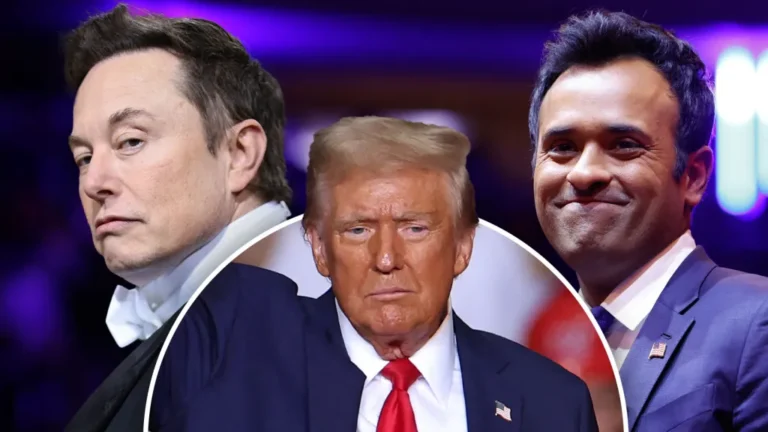
Elon Musk and Vivek Ramaswamy have been appointed by former President Donald Trump to lead his new Department of Government Efficiency (DOGE) and will serve without compensation. The DOGE initiative is part of Trump’s “Save America” movement, aiming to cut down on government bureaucracy and eliminate wasteful spending.

Responding to criticism from Senator Elizabeth Warren, who questioned the practicality of having two leaders instead of one, Musk remarked, “Unlike you, neither of us are being paid, so it is very efficient indeed.” Warren’s comments underscored skepticism regarding DOGE’s efficiency, while Musk emphasized that their voluntary roles highlight a commitment to the project’s mission.

Trump expressed confidence in Musk and Ramaswamy’s abilities to streamline government operations, stating that their leadership would bring meaningful reform by dismantling unnecessary regulations and restructuring federal agencies to better serve the American people.

Bangladesh’s Attorney General Proposes Removal of “Secular” from Constitution Amid Rising Tensions

0

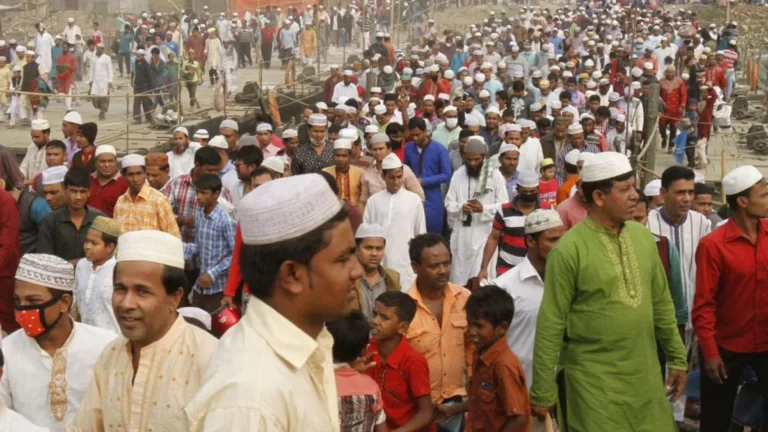
Bangladesh’s Attorney General, Md Asaduzzaman, has made a controversial proposal to remove the term “secular” from the nation’s Constitution, arguing that the current framework does not align with the country’s demographic and historical realities. His statement, made during a court hearing regarding the legality of the 15th Amendment—which reinstated secular principles in 2011 has sparked widespread debate.

Demographic Justification
Asaduzzaman stated that secularism and socialism are ill-suited for a country where approximately 90% of the population identifies as Muslim. He argued that constitutional changes should reflect Bangladesh’s democratic and historical context, aligning more closely with what he views as the nation’s authentic identity.

Critique of the 15th Amendment
The Attorney General criticized key provisions of the 15th Amendment, particularly Articles 7A and 7B, which place restrictions on changes that could undermine the principles of democracy. He suggested that these provisions concentrate power in a way that inhibits democratic reforms, accusing them of reinforcing authoritarian rule.

Historical Context
Asaduzzaman also criticized the current constitutional framework for contradicting the spirit of Bangladesh’s Liberation War and the anti-autocracy movements of the 1990s. He further called for a reassessment of Sheikh Mujibur Rahman’s title as “Father of the Nation,” claiming that it has been politicized and used to divide the country.

Concerns for Minorities
The Attorney General’s proposal has raised significant concerns regarding the potential impact on Bangladesh’s minority communities, particularly Hindus. Recent reports highlight over 2,000 attacks on Hindus since August 2024, amid increasing political instability. The proposal has intensified fears that further erosion of secular principles could exacerbate discrimination and violence against minorities in the country.

Asaduzzaman’s call for constitutional changes reflects a broader ideological shift within Bangladesh’s interim government, which has been heavily criticized for its treatment of minority groups, especially following the ousting of former Prime Minister Sheikh Hasina’s secular government earlier in 2024. The ongoing political upheaval continues to fuel tensions, leaving many questioning the future of minority rights in Bangladesh.

Dharavi Redevelopment Project at the Heart of Maharashtra Assembly Election Debate

0

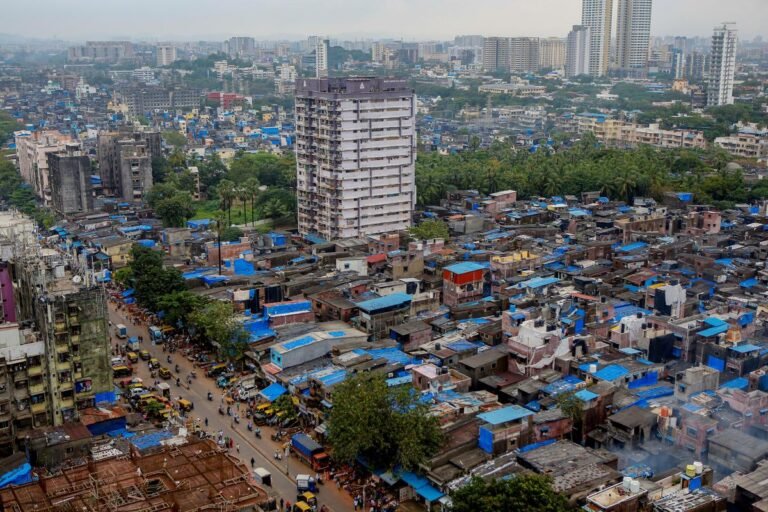
As Maharashtra gears up for its assembly elections on November 20, 2024, one issue has become a major point of contention: the future of the Dharavi Redevelopment Project. Dharavi, often referred to as one of Asia’s largest slums, has long been a symbol of the challenges of urbanization in India. The redevelopment project, awarded to the Adani Group, promises to transform the area with modern housing and infrastructure. However, it has sparked heated debate among political leaders, with starkly opposing views on its impact and execution.

Uddhav Thackeray’s Opposition and Promises

Uddhav Thackeray, leader of the Shiv Sena (UBT), has made it clear that he intends to scrap the Dharavi redevelopment project if his party, as part of the Maha Vikas Aghadi (MVA) coalition, comes to power. Thackeray argues that the project would harm the residents of Mumbai, especially those in Dharavi, as it prioritizes corporate interests over the welfare of the people. In a statement, Thackeray emphasized that any redevelopment should focus on the existing residents, ensuring they can continue to live and work in the area without being displaced.

As part of his party’s manifesto, released on November 7, 2024, Thackeray outlined several commitments aimed at addressing the socio-economic challenges faced by the state’s residents. These include the implementation of the Old Pension Scheme (OPS), stabilization of prices for essential commodities, the creation of jobs through regular job fairs across districts, and the development of affordable housing for local residents.

Opposition’s Criticism of the Current Government

The Shiv Sena (UBT) and other opposition parties have leveled strong accusations against the ruling coalition, alleging that it has been too aligned with corporate interests. They claim that the redevelopment project, which is being executed with the Adani Group at the helm, is heavily skewed in favor of the corporation, with allegations of unfair land deals and excessive concessions that would benefit the group at the expense of the people of Dharavi.

Support for Redevelopment Among Some Residents

Despite the strong opposition, there is a faction of Dharavi’s residents and local organizations who support the redevelopment initiative, seeing it as a potential opportunity to improve the living conditions in the area. These supporters argue that the project could bring much-needed infrastructure, better housing, and improved sanitation to one of the most densely populated areas in the world. However, they also stress that any redevelopment must be inclusive and respectful of the current residents, ensuring that their needs are addressed and that displacement is minimized.

A Divisive Issue with Broader Implications

The Dharavi redevelopment project has been a focus of debate in Maharashtra for over two decades, with successive governments attempting to address the challenges of slum rehabilitation and urbanization. The current government touts the project as a solution to these problems, promising modern housing, better infrastructure, and improved quality of life for Dharavi’s residents. However, critics warn that the project could lead to the displacement of thousands of people, with inadequate compensation or relocation plans.

As the election date approaches, the fate of the Dharavi redevelopment project hangs in the balance. The contrasting views among political leaders reflect broader issues of urban development, social justice, and economic equity. The decision made by voters in this election could not only determine the future of Dharavi but also set a precedent for urban redevelopment initiatives across India, shaping the direction of the country’s approach to housing, slum rehabilitation, and corporate involvement in such projects

Nitin Gadkari Highlights Role of Infrastructure in Poverty Alleviation and Job Creation at HTLS 2024

0

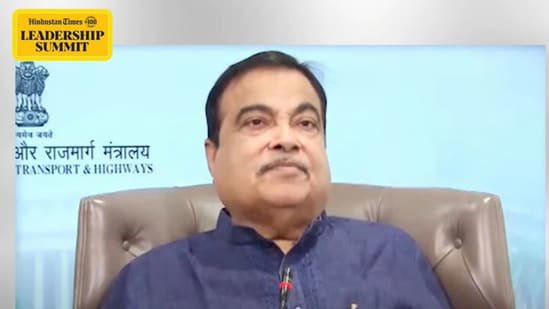
At the Hindustan Times Leadership Summit (HTLS) 2024, Union Minister Nitin Gadkari underscored the transformative power of infrastructure in reducing poverty and creating job opportunities in India. During his address, Gadkari emphasized that robust infrastructure is not just about improving connectivity but is essential for economic growth, increased per capita income, and poverty reduction.

Infrastructure as a Catalyst for Economic Growth: Gadkari outlined how infrastructure development catalyzes economic activities, fueling job creation and stimulating regional development. He explained that well-executed infrastructure projects have significant positive spillover effects, boosting other sectors of the economy.

Balancing Development with Environmental Protection: Addressing the growing concerns about environmental sustainability, Gadkari advocated for a balanced approach. He stressed that economic development should not come at the cost of environmental degradation and called for an integrated planning process that incorporates ecological considerations alongside infrastructure development.

Socio-Economic Equality: Gadkari also addressed the broader socio-economic landscape, emphasizing the importance of eliminating caste-based discrimination. He argued that true progress for the nation lies in fostering socio-economic equality and urged against the use of caste as a political tool. Instead, he called for merit-based recognition and opportunities for all individuals, irrespective of their background.

Government Initiatives: The Minister outlined the various government-led initiatives aimed at enhancing India’s road transport and overall infrastructure. He emphasized that these efforts are crucial for the country’s development trajectory and will play a key role in shaping India’s future economic landscape.

Gadkari’s speech at HTLS 2024 reaffirmed the government’s commitment to using infrastructure development as a means to tackle social challenges, like poverty, while driving economic prosperity for all citizens.

India Pays Tribute to Jawaharlal Nehru on His 135th Birth Anniversary: A Legacy of Unity and Progress

0
On November 14, 2024, leaders from all political parties in India came together to honor Jawaharlal Nehru on his 135th birth anniversary, celebrating the life and legacy of the man who is widely regarded as the architect of modern India. As the country’s first Prime Minister, Nehru’s contributions to India’s independence movement and his visionary leadership in shaping the nation’s future continue to inspire generations.

The Congress party led the tributes with floral offerings and heartfelt messages celebrating Nehru’s democratic values and progressive ideals. Rahul Gandhi, a prominent leader of the Congress, paid tribute to Nehru as the “father of modern India.” In his message, Gandhi underscored Nehru’s role in shaping the nation’s inclusive and democratic framework, stating, “These values are our ideals and the pillars of Hindustan.”

Prime Minister Narendra Modi also took a moment to honor Nehru, acknowledging the pivotal role the former Prime Minister played in India’s development and independence. On social media platform X (formerly Twitter), Modi expressed his homage to Nehru, recognizing his far-reaching contributions to the nation’s progress and growth.

Other political leaders also paid their respects, with Congress President Mallikarjun Kharge praising Nehru as the “architect of modern India.” Kharge highlighted Nehru’s efforts to foster unity across India and his significant contributions to advancing sectors such as science, industry, and national development. His leadership, Kharge noted, left a lasting imprint on the nation’s journey toward unity and democracy.

Priyanka Gandhi Vadra, the Congress leader, took a more personal reflection on the occasion as she visited Shanti Van to pay tribute. There, she recalled Nehru’s teachings about fearlessness and public service, emphasizing his belief that true public servants must stand firm against fear-mongering, regardless of political pressures.

In addition to these tributes, the Jawaharlal Nehru Memorial Fund (JNMF) announced an exciting initiative to preserve and share Nehru’s legacy for future generations. In 2025, the JNMF will launch the Nehru Archive, a comprehensive digital platform that will house important materials related to Nehru’s life, including his speeches, writings, and other historical documents. This digital resource will offer an accessible way for people around the world to explore Nehru’s immense contributions.

November 14 also holds special significance as Children’s Day in India, a day that celebrates Nehru’s deep affection for children and his lifelong advocacy for their rights and education. Famously known as “Chacha Nehru,” he is remembered for his efforts to improve the welfare of children and ensure their access to education.

This day not only serves as a reminder of Nehru’s lasting impact on Indian society but also encourages current leaders to reflect on his values, ideals, and vision for a united and progressive nation.

Remembering Guru Nanak Dev Ji: Founder of Sikhism and a Beacon of Equality and Service

0

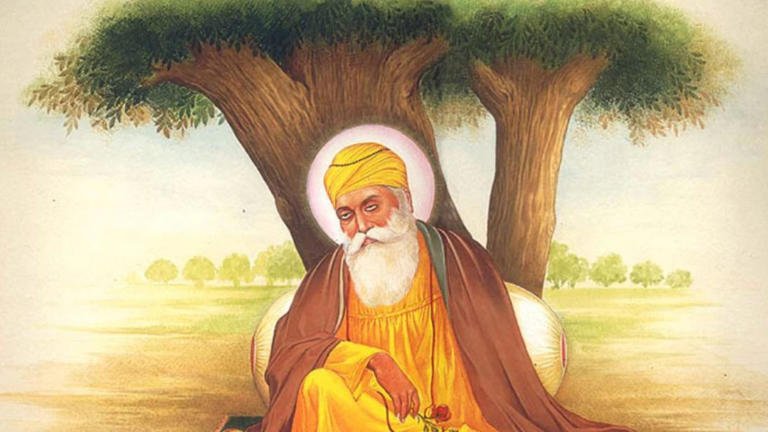
Guru Nanak Dev Ji, born on April 15, 1469, in Nankana Sahib (now in Pakistan), is celebrated as the founder of Sikhism and the first of the ten Sikh Gurus. His teachings, which emphasized the oneness of God, equality among all people, and a life dedicated to honesty and service, continue to inspire millions worldwide.

Family Background: Guru Nanak was born to Mehta Kalu and Mata Tripta in a Hindu landowning family. From an early age, he displayed a profound spiritual inclination, often questioning traditional religious practices and emphasizing direct communion with God over rituals.

Marriage and Family: Guru Nanak married Mata Sulakhni and had two sons, Sri Chand and Lakhmi Das. Despite his family responsibilities, he felt a deep spiritual calling and a commitment to serving humanity.

Spiritual Awakening

Guru Nanak’s spiritual journey took a transformative turn after a profound revelation during a bath in a river. This spiritual awakening led him to dedicate his life to spreading God’s message, a mission that took him on extensive travels across the Indian subcontinent and beyond. These travels, known as the Udasiyan, played a pivotal role in shaping his teachings.

Major Teachings

Oneness of God: Guru Nanak preached the core belief in one formless, eternal God, the creator of all, emphasizing that God transcends all boundaries and distinctions.

Equality: He was a strong advocate for social equality, rejecting caste distinctions and promoting the idea that all people, regardless of their social background or gender, are equal in the eyes of God.

Service and Community: One of Guru Nanak’s most lasting contributions was the establishment of Langar, a community kitchen where people from all walks of life could come together and share a meal. This practice emphasized the values of selfless service and social equality.

Direct Access to God: Guru Nanak taught that individuals could connect directly with God through meditation and remembrance (Naam), without needing intermediaries like priests. This concept of personal spirituality was revolutionary and integral to Sikhism.

Later Life

Guru Nanak settled in Kartarpur, where he continued his spiritual mission until his death on September 22, 1539. Before passing, he appointed his devoted disciple Bhai Lehna as his successor, who became known as Guru Angad Dev Ji, ensuring the continuity of his teachings.

Legacy

Guru Nanak’s teachings are preserved in the Guru Granth Sahib, the holy scripture of Sikhism, which contains hymns written by him and other Sikh Gurus. His emphasis on devotion to God, equality, and service to humanity remains a guiding light for Sikhs and people of all faiths.

Guru Nanak Jayanti, an annual celebration of his birth, serves as a time to reflect on his message of peace, unity, and devotion, inspiring generations to live a life of love, service, and spiritual fulfillment.

Arshdeep Singh Gill’s Arrest in Canada Sparks Renewed Focus on Cross-Border Terrorism and Organized Crime

0

The recent arrest of Arshdeep Singh Gill, also known as Arsh Dalla, in Canada has reignited discussions on cross-border terrorism and organized crime, particularly in connection with the Khalistani movement. Dalla, a designated terrorist and a prominent figure in the Khalistan Tiger Force (KTF), faces multiple charges linked to violent crimes, including murder and extortion.

Arrest Details: Arsh Dalla was apprehended by Halton Regional Police in Ontario on October 28, 2024, after being involved in a shooting incident. He was found with a non-life-threatening gunshot wound and, along with another individual, was charged for discharging a firearm with intent. His arrest follows years of efforts by India to secure his extradition due to his involvement in various criminal activities.

India’s Official Response: India’s Ministry of External Affairs (MEA), represented by spokesperson Randhir Jaiswal, confirmed Dalla’s arrest and reiterated India’s intention to pursue his extradition. Jaiswal highlighted Dalla’s extensive criminal record, including over 50 cases involving murder, attempted murder, and terror financing.

Background on Arsh Dalla: Originally from Moga district in Punjab, Dalla relocated to Canada in 2018. He is believed to have assumed leadership of the KTF after the assassination of Hardeep Singh Nijjar in June 2023. Dalla is implicated in orchestrating targeted killings and running a network involved in drug trafficking and arms smuggling across borders.

Implications of the Arrest

Extradition Challenges: While India remains hopeful about securing Dalla’s extradition, Canadian authorities have previously denied requests for his provisional arrest. The legal proceedings in his case will be closely scrutinized, as they may set a precedent for future cooperation between India and Canada in handling terrorism-related cases.

Diplomatic Tensions: Dalla’s arrest comes amid heightened diplomatic tensions between India and Canada. This follows allegations made by Canadian Prime Minister Justin Trudeau, accusing India of involvement in the assassination of Hardeep Singh Nijjar—claims which India has vehemently denied, leading to reciprocal diplomatic actions between the two countries.

The arrest of Arsh Dalla represents a significant moment in India’s ongoing efforts to combat terrorism linked to the Khalistani movement. It underscores the complex challenges surrounding international cooperation on organized crime and the intricacies of extradition procedures, particularly in a politically sensitive climate. As legal proceedings in Canada unfold, both India and Canada will be closely monitoring the developments surrounding this high-profile case.

Rashmika Mandanna and Allu Arjun Spark Anticipation for Pushpa 2: The Rule Release

0

The buzz surrounding Pushpa 2: The Rule is intensifying as the highly anticipated sequel to the 2021 blockbuster Pushpa: The Rise gears up for its release on December 5, 2024. The action-packed film, starring Rashmika Mandanna and Allu Arjun, is expected to build on the success of its predecessor and make a massive impact at the box office.

Throwback Moments: Rashmika Mandanna recently took to social media to share throwback photos from the making of the first Pushpa film, featuring behind-the-scenes moments with director Sukumar and co-star Allu Arjun during promotions. One particular video shows Rashmika interacting with a woman in Tirupati, emphasizing her deep commitment to her character, Srivalli, and her approach to understanding the role.

Release Date Shift: In a strategic move to capitalize on the film’s massive anticipation, the release date for Pushpa 2 has been moved up from December 6 to December 5, 2024. The change is aimed at maximizing its box office potential, with the film also set to premiere internationally on December 4, 2024.

Box Office Expectations: With an impressive production budget of ₹500 crore, Pushpa 2 is poised for a major box office run. Early signs are promising, as the film has already garnered pre-sales of approximately ₹1,085 crore, setting the stage for a record-breaking release.

Trailer Launch

The official trailer for Pushpa 2: The Rule will be unveiled on November 17, 2024, at 6:03 PM in Patna, Bihar. The trailer launch is expected to be a grand event, reflecting the high anticipation for the film and its massive fan following.

Cast and Crew

  • Allu Arjun as Pushpa Raj
  • Rashmika Mandanna as Srivalli
  • Fahadh Faasil as SP Bhanwar Singh Shekhawat

Other notable actors in the film include Anasuya Bharadwaj, Prakash Raj, and Jagapathi Babu. The film’s music, composed by Devi Sri Prasad, is expected to complement its action-packed visuals, creating an unforgettable cinematic experience.

With its gripping storyline and powerhouse performances, Pushpa 2: The Rule is set to be one of the most talked-about films of the year, captivating audiences across multiple languages and marking a major milestone in Indian cinema