Saturday, March 7, 2026
Home Blog Page 2

वेव सिटी परियोजना से प्रभावित किसानों एवं वेव सिटी के बीच विवाद समाप्त

0

वार्ता का आयोजन

आज दिनांक 25 जनवरी 2025 को गाजियाबाद विकास प्राधिकरण कार्यालय में सचिव गाजियाबाद विकास प्राधिकरण, किसान संघर्ष समिति व वेवसिटी पदाधिकारियों के बीच एक वार्ता सचिव गाजियाबाद विकास प्राधिकरण की अध्यक्षता में आयोजित की गई जिसमें लम्बे समय से वेवसिटी परियोजना से प्रभावित ग्राम नायफल, महरौली, काजीपुरा, इकला, इनायतपुर के किसानों व वेवसिटी परियोजना से प्रभावित किसानों व वेवसिटी के चल रहे विवाद समाप्त हुए तथा किसानों की निम्न बिन्दुओं पर सहमति बन गई।

वेव सिटी परियोजना: प्रभावित गांव और समाधान

वेव सिटी परियोजना से प्रभावित ग्राम नायफल, महरौली, काजीपुरा, इकला, और इनायतपुर के किसानों और वेव सिटी प्रबंधन के बीच निम्नलिखित मुद्दों पर सहमति बनी:

तालाबों का पुर्नरक्षण और सौंदर्यकरण

वेवसिटी परियोजनान्तर्गत आने वाले समस्त तालाबों का पुर्नरक्षण व सौन्दर्यकरण वेवसिटी कम्पनी द्वारा कराया जायेगा।

महिला डिग्री कॉलेज का निर्माण

बैठक में उपस्थित किसान प्रतिनिधियों/ग्राम प्रधान द्वारा ग्राम इकला में महिला डिग्री कॉलेज हेतु कम्पनी को ग्राम सभा की भूमि निशुल्क उपलब्ध कराने का प्रस्ताव दिया गया जिस पर वेवसिटी द्वारा महिलाओं के लिए डिग्री कॉलेज के भवन का निर्माण कराये जाने की सहमति दी गई।

भूमिहीनों को निशुल्क फ्लैट

उपरोक्त ग्रामों के पुश्तैनी भूमिहीनों को एल०आई०जी०/ई०डब्ल्यू०एस० फ्लैट वेवसिटी द्वारा निःशुल्क उपलब्ध कराने पर वेवसिटी द्वारा सहमति दी गई। उपरोक्त ग्रामों के सभी पुश्तैनी भूमिहीनों को वेवसिटी निशुल्क एल०आई०जी०/ई०डब्ल्यू०एस० फ्लैट उपलब्ध करायेगी।

50 लाख के विकास कार्य

उक्त ग्रामों में 50 लाख तक धनराशि के विकास कार्यों को तत्काल प्रारम्भ करने की सहमति वेवसिटी द्वारा दी गई। उक्त विकास कार्यों की सूची उपस्थित ग्राम प्रतिनिधियों द्वारा उपलब्ध कराई जाएगी।

निष्कर्ष

बैठक के परिणामस्वरूप वेव सिटी और किसानों के बीच लंबे समय से चल रहा विवाद समाप्त हो गया। इस समझौते से प्रभावित क्षेत्र में विकास कार्यों को बढ़ावा मिलेगा और स्थानीय समुदाय को लाभ होगा।

Read Also: Latest News

In Light of Wildfires, Trump Threatens California Disaster Assistance Due to Water Policies

0

The recent wildfires in Los Angeles County have resulted in widespread destruction, displacing thousands of residents and ravaging entire communities. President Donald Trump’s threat to withhold federal disaster aid has ignited significant political and public backlash amid this crisis. He has tied the release of assistance to changes in California’s water management policies, eliciting outrage from leaders across the political spectrum.

The Danger and Conditions

President Trump has criticized California’s water conservation policies, suggesting they are exacerbating the state’s wildfire crisis. In a recent interview, he alleged that water designated for firefighting is being redirected to safeguard endangered fish species, such as the delta smelt. Trump further declared that until California reforms its water management practices, federal disaster relief may be withheld from wildfire victims.

This announcement has drawn significant attention, as disaster aid has historically been provided without political conditions. Critics contend that this approach politicizes a humanitarian crisis and could jeopardize timely assistance for affected communities.

Trump Threatens Political Background and Reactions

Governor Gavin Newsom swiftly responded to Trump’s remarks, underscoring the urgent need for disaster relief for wildfire victims and urging Congress to take immediate and unconditional action. Newsom condemned the president’s threats as “reckless” and “unfair,” arguing that withholding federal aid would only exacerbate the challenges faced by thousands of Californians. “Disaster relief should never serve as a bargaining chip,” Newsom emphasized. “In times of crisis, we must prioritize unity over division.

Republican Dissatisfaction

Trump Threatens has not only drawn sharp criticism from Democrats but has also instilled unease among California Republicans. Representative Young Kim firmly condemned the president’s position, deeming it “unacceptable.” She asserted that disaster aid is meant to support victims in need, not to further political agendas.

Many other Republicans in the state have rallied behind this sentiment, insisting that the federal government must prioritize the needs of wildfire victims over political disputes. This situation has sparked significant bipartisan concern about the fairness and timing of federal aid during emergencies.

  • Ethical and Legal Issues

Disaster assistance should not be dependent on state policies, according to critics, who contend that it is a fundamental right for all Americans. Legal professionals caution that such measures run the risk of creating a risky precedent in which federal resources are used as leverage, undermining confidence in the federal government’s emergency response capabilities.

  • Effect on the Recovery Process

Delaying assistance could make matters worse for communities that have been devastated by wildfires. Experts warn that recovery efforts require immediate aid, and that politicizing disaster relief could impede reconstruction efforts and deprive victims of the support they need.

Pushback from Other States by Both Parties

Trump’s threats have drawn criticism from state leaders, who have emphasized the importance of cooperation and unity in times of national emergency. In order to support California’s wildfire recovery, many have emphasized that disaster relief should continue to be apolitical and called for prompt federal action.

Election Consequences and Voter Attitude

Future California elections may be impacted by Trump’s actions, which could energize Democratic voters and put Republican candidates in a challenging position. Voters may closely examine whether a candidate supports Trump’s policies, particularly when it comes to disaster assistance.

Putting Humans Before Politics

The goal is still to provide disaster relief in a timely manner as California deals with the aftermath of devastating wildfires. As locals urge leaders to put aid ahead of partisan disagreements, political tensions have highlighted the necessity of solidarity and collaboration to support impacted communities.

FEATURE QUESTION

  • How does the federal disaster aid process work, and should it be conditional on state policies

Federal disaster aid is typically provided through agencies like FEMA and is designed to  be unconditional, addressing immediate needs during crises. Making aid conditional on state policies could slow response times and set a precedent that politicises humanitarian relief.

  • What are the long-term consequences of politicising disaster relief for affected communities?

Politicising disaster aid risks delaying assistance, undermining trust in federal agencies, and exacerbating the suffering of vulnerable populations. It could also discourage states from requesting aid, fearing political backlash.

  • How do California’s water management policies affect wildfire prevention and firefighting efforts?
    California’s water management policies focus on balancing urban needs, agriculture, and ecosystem protection. Critics argue conservation measures may limit water access during fires, but experts say infrastructure upgrades, not policy changes, are the solution.
  • How does climate change exacerbate California’s wildfire crisis?

    Climate change has increased the frequency and intensity of wildfires in California. Warmer temperatures, prolonged droughts, and drier vegetation create ideal fire conditions to spread rapidly.

  • Could Trump’s threat to withhold aid impact federal-state relations in future disaster scenarios?

Such threats could strain federal-state relations, making states wary of federal interference during crises. It might also lead to calls for reforms in disaster aid protocols to prevent political manipulation.

  • How are local communities coping with delayed disaster assistance during the wildfire recovery?

Local communities rely on grassroots efforts, nonprofits, and mutual aid networks to fill gaps while awaiting federal support. Delays in aid are causing frustration and prolonging recovery efforts for displaced families.

  • What precedent does this situation set for federal disaster relief in other states facing natural disasters?

If aid becomes conditional, it may open the door for future administrations to use disaster relief as a political tool. This could erode the principle of equitable assistance for all states in crisis.

  • In what ways do California Republicans balance their support for Trump with their obligation to their voters?

California Republicans are walking a fine line, with some openly criticising Trump’s stance to prioritise their constituents’ needs. Others are cautiously aligning with Trump to avoid alienating his base.

  • What changes to California’s water management regulations are required to handle upcoming emergencies?

    California may benefit from modernising its water infrastructure, investing in storage and delivery systems, and integrating wildfire prevention measures into its policies while maintaining environmental protections.

  • Will this dispute affect how people vote in California’s next elections?

The dispute has the potential to galvanize Democratic voters and influence independents to support candidates who support unrestricted aid and climate action. Delays in relief could make it difficult for Republican candidates to defend their positions.

Read Also: सत्तारूढ़ गठबंधन 

Recent Discoveries in Black Hole Research

0

Recent advances in black hole research have yielded important new information inside and outside our galaxy. These groundbreaking observations reshape our understanding of formation and evolution across different cosmic epochs.

Gaia-BH3: Milky Way’s Largest Stellar-Mass Black Hole

Astronomers have discovered a new named Gaia-BH3, about 2,000 light-years from Earth. This black holes has a mass nearly 33 times the Sun’s, making it the most enormous stellar-mass black hole discovered thus far. It was found by analyzing the gravitational influence of a nearby companion star, revealing its existence despite being inactive and not consuming material at the time. Discovery provides insights into the formation of such massive black holes, suggesting they may originate from primordial stars with minimal heavy elements.

UHZ1: The Most Distant Black Holes Detected

Using NASA’s Chandra and James Webb Space Telescopes, astronomers discovered the most distant ever observed in X-rays in a galaxy known as UHZ1. This black hol, which formed just 470 million years after the Big Bang, is estimated to have between 10 and 100 million solar masses. Its discovery sheds light on the early formation of supermassive black holes and challenges existing theories about their growth mechanisms.

LID-568: Fastest-Feeding Hole

A team has also reported the discovery of LID-568, a supermassive that appears to be feeding at a rate 40 times its Eddington limit. This extraordinary feeding rate indicates it is consuming matter rapidly, which could explain why such massive black holes were formed so early in the universe’s history.

Black Hole Formation and Evolution

These discoveries expand our understanding and provide critical insights into their formation and evolution across different cosmic epochs. The new findings highlight these enigmatic celestial objects’ diverse and complex nature, from dormant, massive stellar-mass black holes to fast-feeding supermassive.

How Gaia-BH3 is Different from Other Stellar-Mass Black Hole

Gaia-BH3 is a remarkable that stands out due to several unique characteristics compared to other known.

  • Mass and Size: Gaia-BH3 has a mass of approximately 33 solar masses, making it the heaviest known stellar-mass black holes in the Milky Way, surpassing the previous record holder, Cygnus X-1, which has a mass of about 20 solar masses.
  • Dormant Nature: Unlike many holes that actively consume material from their companions, Gaia-BH3 is classified as dormant. It does not appear to be shredding its companion star, a significant distinction from many other stellar-mass black holes exhibiting intense accretion activity.
  • Formation and Composition: Gaia-BH3 orbits a metal-poor giant star, suggesting that the hole and its progenitor star formed in an environment with low metallicity. This characteristic supports theories that high-mass black holes can originate from metalpoor stars.
  • Link to Early Universe: The companion star’s composition indicates that it likely formed shortly after the Big Bang, pointing to the possibility that Gaia-BH3 is over 13 billion years old. 

Astronomers Detected Gaia-BH3 Using the Gaia Space Telescope

Astronomers detected Gaia-BH3 using data from the European Space Agency’s Gaia space telescope. The key detection method involved observing a companion star’s “wobbling” motion orbiting the black hol. This motion indicated the presence of a massive, unseen companion, leading astronomers to suspect a existence.

  • Detection Methodology: The companion star exhibited a wobble due to gravitational influences from Gaia-BH3, which has a mass of 33 times that of the Sun.
  • Precise Astrometry: Gaia’s precise measurements enabled astronomers to accurately determine the mass of Gaia-BH3, pinpointing it at 32.7 ± 0.82 solar masses.
  • Follow-Up Observations: Additional observations from ground-based telescopes, such as the Very Large Telescope, confirmed the black hole’s mass and provided more details about its companion star’s chemical composition.

Mass of Gaia-BH3 Compare to Other Black Holes Discovered So Far?

Gaia-BH3 is currently recognized as the most massive stellar black hole discovered in the Milky Way, with approximately 33 solar masses. This surpasses the previous record holder, Cygnus X-1, which has a mass of about 21 solar masses.

  • Comparison with Other Back Holes: Gaia-BH3 holds the record for the heaviest stellar-mass black hol, compared to Cygnus X-1 (21 solar masses) and Gaia BH1 (10 solar masses), which is the closest known to Earth.
  • Context of Black Masses: Stellar typically range from 3 to 50 solar masses. Gaia-BH3’s mass places it at the higher end of this spectrum, making it an exceptional find within our galaxy.

Conclusion

The discovery of Gaia-BH3 highlights its significant mass compared to other known stellar black holes. It raises questions about how such massive form, given that current theories do not fully explain their existence. This discovery contributes to a deeper understanding of formation and stellar evolution.

Frequently Asked Questions About Black Holes

Q. What is a hole?

A. A black hol is a region in space where gravity is so strong that nothing, not even light, can escape from it. This intense gravitational pull occurs because a significant amount of matter has been compressed into an extremely small area.

Q. Do black holes really exist?

A. Yes, astronomers have observed several objects in space that can only be explained as black holes, confirming their existence.

Q. Are any black hol close to Earth?

A. The nearest known black holes are several thousand light-years away from Earth, making them relatively distant in cosmic terms.

Q. Will our Sun become a black holes?

A. No, our Sun does not have enough mass to become. Instead, it will eventually evolve into a red giant and then shed its outer layers, leaving behind a white dwarf.

Q. What is the biggest hole?

A. The largest known is estimated to be around three billion times the mass of the Sun. These supermassive back hole are typically found at the centers of galaxies.

Q. How does a true black form?

A. Black holes typically form from the remnants of massive stars that undergo supernova explosions. If the core’s mass exceeds about three times that of the Sun, it collapses under its own gravity to form a black hol.

Q. What happens when you get close to a black hole?

A. As one approaches they would experience extreme gravitational effects. Time would appear to slow down relative to an outside observer, and crossing the event horizon would mean no return.

Q. What do scientists think is inside?

A. The interior of a remains largely theoretical. Current understanding suggests that once matter crosses the event horizon, it becomes part of an infinitely dense singularity where classical physics breaks down.

These questions encapsulate some of the most common inquiries regarding black holes and highlight their mysterious nature within astrophysics.

Read Also: न्यायालय का रुख

Sky Force Movie: Akshay Kumar and Veer Pahariya Promote Upcoming Film in Delhi

0

On January 21, 2025, actors Veer Pahariya and Akshay Kumar made a remarkable appearance at The Imperial Hotel in New Delhi to promote their eagerly awaited movie, Sky Force. This promotional event was a significant milestone in the lead-up to the film’s premiere, which is scheduled for January 24, 2025.

Sky Force Movie: A Cinematic Tribute to India’s First Airstrike in the 1965 Indo-Pakistani War

In the suspenseful action-drama Sky Force, India launches its first airstrike against the Sargodha airfield in Pakistan during the 1965 Indo-Pakistani War. A compelling tale of sacrifice, patriotism, and the psychological toll that war has on service members and their families is told. Based on real-life historical people who were involved in the fight, Veer Pahariya plays T. Vijaya, and Akshay Kumar plays Wing Commander K.O. Ahuja. Heroism, selflessness, and the steadfast commitment of those serving their country are all explored in the movie.

Akshay Kumar Discusses His Role and Unique Storyline of Sky Force

Both Kumar and Pahariya discussed their individual parts and the important plot of during the promotional event. “I’m so lucky that I get a chance to play so many characters… Kyon na kare!” said Kumar, who was thrilled to be playing patriotic characters. He highlighted how offers a novel and distinctive viewpoint on India’s military history, setting it apart from his earlier works like Airlift and Rustom. In this new endeavor, Kumar’s dedication to playing parts that honor India’s ethos of sacrifice and patriotism is evident.

Engagement with Fans and Media at the Promotional Event

Apart from talking about the movie, Akshay Kumar used the occasion to stress the need of physical health. In order to keep Veer Pahariya in top physical condition while filming, he disclosed that he urged him to adhere to a strict exercise routine. Renowned for his commitment to fitness, Kumar encouraged an active and healthy lifestyle by sharing helpful health advice with event guests.

The minister of defense Rajnath Singh, supports Sky Force

The movie has already received a lot of attention from acknowledgement to fans and well-known people. Sky Force’s realistic depiction of military bravery and soldier sacrifices was commended by Defense Minister Rajnath Singh. His support has increased the film’s patriotic appeal and raised interest before its premiere. Singh’s acknowledgment gives a great deal of legitimacy to confirming its status as a noteworthy addition to the patriotic film genre.

Anticipation Builds for the Release of Sky Force

The anticipation for Sky Movie keeps growing as the release date approaches. A profound cinematic examination of India’s military history, this action-packed drama delves deeply into the individual tales of the men and women who influenced the nation’s defense heritage. With its gripping story and outstanding performances by Veer Pahariya and Akshay Kumar is sure to enthrall viewers across the country.

The Significance of Sky Movie

Sky Force serves as a crucial reminder of the sacrifices made by military troops during times of conflict, making it more than just another action movie news Visit: One100news. This movie provides a chance to consider the Indian Air Force’s valor and patriotism as the 60th anniversary of the 1965 Indo-Pakistani War draws near. Additionally, it enables contemporary viewers to interact with a pivotal point in India’s military history.

In conclusion

With just a few days till its premiere, Sky is set to have a big effect on the Indian cinema industry. History scholars and fans alike are eager to see this poignant and moving depiction of one of India’s most important military missions. As anticipation mounts, Sky Force is expected to emerge as a 2025 must-see movie.

Read Also: बिग बॉस 18: प्यार की खोज 


ISRO Achieves Milestone with Successful SpaDeX Docking Mission

0
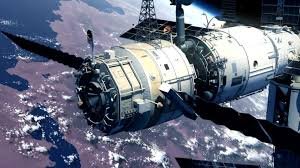
In a groundbreaking achievement, the Indian Space Research Organisation (ISRO) has successfully demonstrated autonomous satellite docking under the SpaDeX (Space Docking Experiment) Mission. This accomplishment propels India into an elite group of nations capable of mastering this sophisticated technology, which is critical for the future of space exploration and satellite management.

Pioneering Technology for Space

The SpaDeX mission showcased two satellites—one acting as the “chaser” and the other as the “” target”—performing a complex docking maneuver in Earth’s orbit. This autonomous docking process was driven by advanced navigation software, precision thrusters, and state-of-the-art sensors and cameras. The chaser satellite executed a series of delicate movements to align with the target satellite, demonstrating unparalleled precision. This marked India’s entry into the realm of autonomous space operations, paving the way for revolutionary developments in space technology.

Applications and Implications

The success of SpaDeX unlocks immense possibilities for India’s space program:
  • Satellite Servicing: Enables refueling, repairs, and upgrading of aging satellites, extending their lifespan.
  • Space Debris Management: Facilitates removal of defunct satellites, contributing to cleaner orbits.
  • In-Orbit Construction: Lays the foundation for assembling space structures like space stations or telescopes in orbit.
This technology is expected to play a crucial role in ISRO’s upcoming Gaganyaan mission, India’s ambitious human spaceflight program, by enabling docking capabilities for crewed and cargo modules.

A Leap Forward for ISRO

With SpaDeX, ISRO has further strengthened its reputation as a leader in space innovation. Dr. S. Somanath, Chairman of ISRO, remarked, “This milestone underscores India’s capability to develop advanced technologies for autonomous operations in space. It will significantly enhance our contribution to the global space economy.”

Looking Ahead

SpaDeX is not just a technological feat but a stepping stone for future endeavors. It positions India to lead in collaborative international missions, satellite servicing contracts, and the development of orbital infrastructures. As ISRO continues to push the boundaries of innovation, SpaDeX reaffirms India’s commitment to establishing itself as a major player in the global space arena. This success is a testament to the brilliance and resilience of ISRO scientists, fueling the nation’s ambitions for a new era of space exploration.

कुंभ मेले के दौरान भीड़ की सुरक्षा और आपातकालीन तैयारियों के उपाय

0

महा कुंभ मेला, जो करोड़ों श्रद्धालुओं को आकर्षित करता है, दुनिया के सबसे बड़े आयोजनों में से एक है। इस विशाल आयोजन के दौरान भीड़ की सुरक्षा, स्वच्छता, और आपातकालीन तैयारियों के लिए कई रणनीतियां अपनाई जाती हैं। यहां इन उपायों का विस्तृत विवरण दिया गया है:


कुंभ मेले भीड़ की सुरक्षा के उपाय

सुरक्षा व्यवस्था

  1. अतिरिक्त सुरक्षा बल:

    आयोजन स्थल पर हजारों पुलिसकर्मियों, अर्धसैनिक बलों, और कुंभ मेले निजी सुरक्षा कर्मियों को तैनात किया जाता है, जिनका मुख्य कार्य श्रद्धालुओं की सुरक्षा सुनिश्चित करना और कानून-व्यवस्था बनाए रखना होता है।

  2. सर्विलांस प्रणाली:

    सीसीटीवी कैमरे प्रमुख स्थानों जैसे प्रवेश/निकास द्वार, स्नान घाटों और भीड़भाड़ वाले क्षेत्रों में लगाए जाते हैं। इनका डाटा एक केंद्रीकृत नियंत्रण कक्ष से वास्तविक समय में निगरानी की जाती है।

भीड़ नियंत्रण के उपाय

  1. नियत मार्ग:

    श्रद्धालुओं की सुगम आवाजाही सुनिश्चित करने के लिए प्रवेश और निकास के लिए अलग-अलग मार्ग बनाए जाते हैं। इससे भीड़भाड़ को कम करने और यातायात को सुचारु बनाए रखने में मदद मिलती है।

  2. बैरियर और बाड़:

    भीड़ को नियंत्रित करने, भीड़भाड़ को रोकने और घाटों तक सुरक्षित पहुंच सुनिश्चित करने के लिए भौतिक अवरोधक लगाए जाते हैं।

कुंभ मेले आपातकालीन तैयारियां

  1. चिकित्सा सहायता केंद्र:

    स्वास्थ्य आपात स्थितियों से निपटने के लिए आयोजन स्थल पर कई अस्थायी चिकित्सा शिविर लगाए जाते हैं। कुंभ मेले के इन केंद्रों पर प्राथमिक चिकित्सा, ऑक्सीजन सिलेंडर और आवश्यक दवाओं की उपलब्धता सुनिश्चित की जाती है, साथ ही एम्बुलेंस भी तैनात रहती हैं।

  2. आपदा प्रबंधन प्रोटोकॉल:

    भगदड़, आग लगने, या प्राकृतिक आपदाओं जैसी परिस्थितियों के लिए आपदा प्रबंधन टीमों, प्रशिक्षित स्वयंसेवकों, और स्थानीय अधिकारियों के बीच समन्वय सुनिश्चित किया जाता है।

जन जागरूकता अभियान

  1. सुरक्षा प्रोटोकॉल का शिक्षण:

    श्रद्धालुओं को सुरक्षा उपायों, निकासी प्रक्रियाओं, और आपातकालीन संपर्क नंबरों के बारे में घोषणाओं, संकेतकों और पर्चों के माध्यम से जानकारी दी जाती है।

  2. स्वयंसेवकों की भागीदारी:

    स्वयंसेवक तीर्थयात्रियों का मार्गदर्शन करने, जानकारी वितरित करने और आपात स्थितियों में सहायता करने में महत्वपूर्ण भूमिका निभाते हैं।


आपातकालीन सेवाओं का समन्वय

केंद्रीकृत नियंत्रण प्रणाली

  1. कंट्रोल रूम की स्थापना:

    एक केंद्रीकृत नियंत्रण कक्ष विभिन्न एजेंसियों के बीच समन्वय करता है, कुंभ मेले भीड़ के व्यवहार की निगरानी करता है, और आपात स्थितियों को समय पर संबोधित करता है।

  2. वास्तविक समय में निगरानी:

    सर्विलांस तकनीक और फील्ड कम्युनिकेशन का उपयोग करके नियंत्रण कक्ष को घटनास्थल की स्थिति की नियमित जानकारी दी जाती है।

चिकित्सा आपातकालीन तैयारी

  1. स्थानीय चिकित्सा सुविधाएं:

    आयोजन स्थल पर डॉक्टरों, नर्सों और पैरामेडिक्स द्वारा संचालित चिकित्सा केंद्र स्थापित किए जाते हैं। गंभीर मामलों में रोगियों को तुरंत अस्पताल ले जाने के लिए एम्बुलेंस की व्यवस्था की जाती है।

  2. मास कैजुअल्टी प्रबंधन:

    बड़े पैमाने पर दुर्घटनाओं के लिए आपातकालीन प्रोटोकॉल में कई हताहतों से निपटने की योजना शामिल होती है।

मल्टी-एजेंसी समन्वय

  1. संयुक्त प्रतिक्रिया दल:

    पुलिस, अग्निशमन विभाग, और चिकित्सा सेवाओं जैसी एजेंसियां आपातकालीन प्रतिक्रियाओं को सुव्यवस्थित करने के लिए एक साथ काम करती हैं।

  2. जनसंचार प्रणाली:

    आपातकालीन घोषणाएं लाउडस्पीकर के माध्यम से की जाती हैं, और मदद के लिए हेल्प डेस्क स्थापित किए जाते हैं।


स्वच्छता और स्वास्थ्य संबंधी प्रोटोकॉल

स्वच्छता की व्यवस्था

  1. अस्थायी शौचालय और नियमित सफाई:

    आयोजन स्थल पर हजारों अस्थायी शौचालय लगाए जाते हैं, जिन्हें नियमित रूप से साफ और स्वच्छ किया जाता है।

  2. कचरा प्रबंधन प्रणाली:

    जैविक और अकार्बनिक कचरे के लिए अलग-अलग डिब्बे लगाए जाते हैं। कचरा संग्रह दल आयोजन स्थल को स्वच्छ रखने के लिए लगातार काम करते हैं।

सुरक्षित पेयजल

  1. जल शुद्धिकरण इकाइयां:

    शुद्ध पेयजल प्रदान करने के लिए जल शुद्धिकरण प्रणाली और टैंकर लगाए जाते हैं। पानी की गुणवत्ता की नियमित निगरानी की जाती है।

  2. जागरूकता अभियान:

    तीर्थयात्रियों को पानी के निर्धारित स्रोतों का उपयोग करने के महत्व के बारे में जागरूक किया जाता है।

स्वास्थ्य निगरानी और जागरूकता

  1. चिकित्सा शिविर:

    पानी से फैलने वाली और स्वच्छता से संबंधित बीमारियों के उपचार के लिए अस्थायी चिकित्सा सुविधाएं प्रदान की जाती हैं।

  2. शिक्षाप्रद संकेतक:

    प्रमुख स्थानों पर हाथ धोने और अन्य व्यक्तिगत स्वच्छता प्रथाओं को प्रोत्साहित करने वाले संकेतक लगाए जाते हैं।


कुंभ मेले सुरक्षा और आपातकालीन कर्मियों का प्रशिक्षण

भीड़ प्रबंधन प्रशिक्षण

  1. भीड़ की गतिशीलता का ज्ञान:

    कर्मियों को विभिन्न प्रकार की भीड़ के व्यवहार को समझने और समस्याओं का पूर्वानुमान लगाने का प्रशिक्षण दिया जाता है।

  2. तनाव कम करने की तकनीकें:

    तनावपूर्ण स्थितियों को शांत करने और बिना बल प्रयोग के विवादों को सुलझाने की रणनीतियों को सिखाया जाता है।

आपातकालीन प्रतिक्रिया अभ्यास

  1. परिदृश्य आधारित प्रशिक्षण:

    भगदड़, आग, और चिकित्सा संकट जैसी वास्तविक जीवन की आपात स्थितियों को सिमुलेट करने के लिए नियमित अभ्यास किए जाते हैं।

  2. मल्टी-एजेंसी समन्वय:

    अभ्यास में सुरक्षा, चिकित्सा, और आपदा प्रबंधन टीमों के बीच निर्बाध सहयोग पर ध्यान केंद्रित किया जाता है।

संस्कृति के प्रति संवेदनशीलता और संवाद

  1. धार्मिक जागरूकता:

    सुरक्षा कर्मियों को आयोजन की सांस्कृतिक और धार्मिक महत्व को सम्मानपूर्वक समझने का प्रशिक्षण दिया जाता है।

  2. सार्वजनिक संपर्क कौशल:

    प्रशिक्षण में श्रद्धालुओं के साथ सकारात्मक संवाद और सहायता प्रदान करते हुए अनुशासन बनाए रखने पर बल दिया जाता है।


महा कुंभ मेले दुर्घटना के लिए आपातकालीन प्रोटोकॉल

तत्काल कदम

  1. तेजी से तैनाती टीम:

    कुंभ मेले दुर्घटना के तुरंत बाद प्रशिक्षित टीमें स्थिति का आकलन करने और आवश्यक सहायता प्रदान करने के लिए सक्रिय होती हैं।

  2. क्षेत्र को सुरक्षित करना:

    घटना स्थल को घेरकर अन्य दुर्घटनाओं को रोकने और बचाव कार्य को सुचारू बनाने के लिए कदम उठाए जाते हैं।

दुर्घटना के बाद की प्रक्रियाएं

  1. जांच:

    दुर्घटनाओं के कारणों का पता लगाने और भविष्य में ऐसी घटनाओं को रोकने के लिए विस्तृत जांच की जाती है।

  2. फीडबैक और सुधार:

    घटनाओं से मिले सबक का उपयोग प्रोटोकॉल को परिष्कृत करने और तैयारियों में सुधार के लिए किया जाता है।


निष्कर्ष

महा कुंभ मेले के लिए भीड़ की सुरक्षा, स्वच्छता, और आपातकालीन तैयारियों के लिए एक मजबूत और बहुआयामी दृष्टिकोण अपनाया जाता है। कुंभ मेले आधुनिक तकनीक, विस्तृत प्रशिक्षण, और विभिन्न एजेंसियों के बीच प्रभावी समन्वय के माध्यम से, अधिकारियों का उद्देश्य सभी श्रद्धालुओं के लिए एक सुरक्षित और सुखद अनुभव प्रदान करना है।

Read Also: International Envoys Take a Holy Dip

International Envoys Take a Holy Dip at Maha Kumbh Mela 2025

0

Prayagraj, January 15, 2025: The Maha Kumbh Mela, renowned as one of the largest religious gatherings in the world, witnessed a historic moment as envoys from 10 nations participated in a holy dip at the Triveni Sangam. This sacred ritual, held during the festival’s first Amrit Snan (royal bath), marked a unique confluence of spirituality and global unity.

A Divine Gathering on Makar Sankranti

The event coincided with Makar Sankranti, one of the most auspicious days in the Hindu calendar. Uttar Pradesh Chief Minister Yogi Adityanath confirmed that approximately 3.5 crore (35 million) devotees took part in the royal bath, seeking spiritual purification and blessings.

“The Maha Kumbh Mela is not just a religious festival but a symbol of India’s rich cultural heritage that resonates across the world,” the Chief Minister stated.

Global Participation

Envoys from the United States, France, Mauritius, South Africa, Fiji, and other nations joined millions of pilgrims in taking a dip at the Triveni Sangam, where the Ganga, Yamuna, and mythical Saraswati rivers meet. Their presence highlighted the festival’s universal appeal and the spirit of inclusivity that defines the Kumbh.

Meticulous Planning for a Mega Event

The festival, which began on January 13 and runs until February 26, is supported by extensive preparations. Over 150,000 tents have been set up to accommodate pilgrims, and more than 40,000 police officers are deployed to ensure safety. Drone surveillance, CCTV monitoring, and crowd management systems are in place to handle the massive turnout.

Upcoming Rituals and Events

The Maha Kumbh Mela offers a blend of spiritual practices and cultural events. Major upcoming bathing dates include Mauni Amavasya on January 29 and Basant Panchami on February 3. Devotional songs, spiritual discourses, and vibrant performances continue to enrich the festival experience.

Bridging Nations Through Spirituality

The participation of international envoys underscores the growing global interest in India’s spiritual traditions. Their involvement not only elevates the festival’s prominence on the world stage but also fosters cultural exchange and diplomatic goodwill.

The Maha Kumbh Mela 2025 is a testament to the timeless power of faith, bringing together millions from diverse backgrounds in a celebration of spirituality, culture, and unity.

Read Also: कुंभ मेले के दौरान भीड़ की सुरक्षा 

BJP Unveils Star Campaigners for the Delhi Assembly Elections

0

The Bharatiya Janata Party (BJP) has revealed its list of star campaigners for the upcoming Delhi assembly elections, a move designed to make a significant impact in the highly competitive political landscape of the national capital. This strategic lineup includes some of the biggest names in Indian politics and entertainment, reflecting the party’s focus on both national influence and grassroots engagement.

Who Are the Star Campaigners?

The BJP’s campaign team reads like a who’s who of Indian leadership. At the forefront are:

  • Prime Minister Narendra Modi: Known for his mass appeal, Modi’s presence brings unparalleled visibility to any campaign.
  • Union Home Minister Amit Shah: A master strategist, Shah’s inclusion underscores the importance of ground-level mobilization.
  • Defence Minister Rajnath Singh and BJP President JP Nadda: Both leaders bring credibility and experience, appealing to a wide voter base.

In addition, the campaign features prominent Union Ministers like Piyush Goyal, Nitin Gadkari, and Hardeep Singh Puri, alongside Chief Ministers from BJP-ruled states, including Yogi Adityanath (Uttar Pradesh) and Himanta Biswa Sarma (Assam).

What makes this campaign especially dynamic is the inclusion of celebrities like Smriti Irani, Hema Malini, and Bhojpuri stars Ravi Kishan and Manoj Tiwari. These figures are tasked with connecting emotionally with specific voter demographics, particularly Delhi’s Purvanchali community.

Why Does the Purvanchali Community Matter?

The Purvanchali population (migrants from eastern Uttar Pradesh and Bihar) accounts for nearly 40% of Delhi’s voters. This makes them a critical demographic in deciding the electoral outcome. Leaders like Manoj Tiwari and Dinesh Lal Yadav are being positioned to resonate with these voters by highlighting shared cultural ties and addressing their specific concerns.

The BJP’s focus on this group reflects a targeted approach to counter the influence of the Aam Aadmi Party (AAP), which has traditionally done well among Purvanchali voters.

The Context: Why Are These Elections Crucial?

Delhi’s elections, scheduled for February 5, 2025, with results on February 8, present a high-stakes battle. The BJP is looking to regain power in a state where it has faced consecutive defeats against the ruling AAP.

In previous elections, AAP leader Arvind Kejriwal leveraged his party’s focus on governance, education, and public services to outshine the BJP. However, the BJP is now sharpening its narrative by focusing on alleged governance lapses, corruption, and AAP’s unfulfilled promises.

What Issues Will BJP Campaign On?

  1. Development and Infrastructure: The BJP plans to highlight gaps in AAP’s record on basic services like water supply, electricity, and sanitation.
  2. Corruption Allegations: BJP leaders are expected to criticize AAP over alleged scandals, using this narrative to project themselves as a cleaner and more effective alternative.
  3. National Achievements: Leveraging Modi’s popularity, the BJP will link Delhi’s future to the central government’s successes in areas like infrastructure, defense, and economic reforms.

What Does This Mean for Voters?

For Delhi’s residents, the elections will be about choosing between three competing visions:

  1. AAP’s focus on grassroots governance and public welfare.
  2. BJP’s emphasis on national development and accountability.
  3. Congress’s bid to regain relevance with a more traditional approach to governance.

Explaining the BJP’s Strategy

The BJP is employing a multi-pronged strategy:

  • Star Power: Big names like Modi and Shah aim to draw massive crowds and media attention.
  • Targeted Outreach: Leaders like Manoj Tiwari focus on key voter groups such as Purvanchalis.
  • Digital Push: Social media campaigns will amplify the messages of star campaigners to reach younger, urban voters.
  • Ground-Level Coordination: Local party workers will focus on door-to-door campaigns to connect directly with voters and counter AAP’s strong grassroots presence.

Looking Ahead

The BJP’s deployment of its star campaigners reflects a high-stakes effort to wrest control of Delhi from the AAP. The next few weeks will see intense campaigning, with each party trying to dominate the narrative.

For voters, this means being presented with diverse viewpoints and promises — but ultimately, the decision will rest on who they believe can deliver a better future for Delhi.

Arvind Kejriwal: A Leader Redefining Simplicity in Indian Politics

0

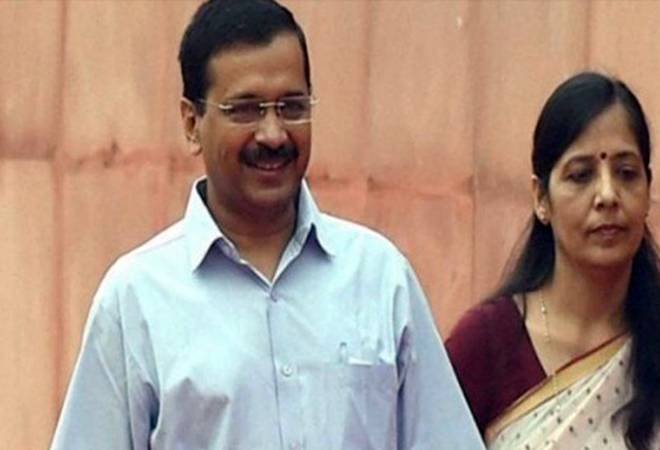
In a political landscape often associated with grandeur and privilege, Arvind Kejriwal, the Chief Minister of Delhi, has emerged as a symbol of simplicity and humility. Rejecting the traditional trappings of political power, Kejriwal neither owns a house nor a car. His lifestyle embodies his commitment to the principles of transparency and austerity, resonating deeply with his identity as the leader of the Aam Aadmi Party (AAP).

Why Does Kejriwal Reject Personal Assets?

  1. Personal Philosophy: Kejriwal has consistently emphasized integrity and humility in governance. His rejection of luxury is a testament to his belief that public servants should prioritize their duties over personal comfort.
  2. Rejection of VIP Culture: From shunning government-provided accommodations to avoiding security convoys, Kejriwal has made deliberate choices to uphold his “common man” persona.
  3. Focus on Governance: By not owning property, Kejriwal contrasts himself with politicians who amass wealth during their tenure, signaling his commitment to public service over personal gain.

Kejriwal’s Modest Asset Declaration

In his latest affidavit ahead of the Delhi Assembly elections, Kejriwal declared a net worth of Rs 1.73 crore, comprising Rs 2.96 lakh in bank savings, Rs 50,000 in cash, and immovable assets worth Rs 1.7 crore. Notably, he owns no car or house.

This declaration stands in stark contrast to other prominent political leaders:

  • Ajay Maken (Congress): Net worth of Rs 12.34 crore
  • Kiran Bedi (BJP): Net worth of Rs 11.65 crore
  • Satyendar Jain (AAP): Net worth of Rs 4.4 crore

Kejriwal’s modest declaration aligns with his public image and draws attention to the disparity in wealth among Delhi’s political figures.

Sunita Kejriwal’s Role in the Picture

Sunita Kejriwal, Arvind’s wife and a retired government official, declared assets worth Rs 2.5 crore. Her portfolio includes:

  • Movable Assets: Gold worth Rs 25 lakh, Rs 42,000 in cash, and Rs 20 lakh in bank accounts.
  • Immovable Assets: A house in Gurugram valued at over Rs 1 crore.
  • Annual Income: Rs 14.10 lakh in FY 2023-24, almost double her husband’s declared income of Rs 7.21 lakh.

While Sunita’s financial standing contrasts with Arvind’s austere declaration, it complements their combined narrative of transparency and modesty.

Implications for Kejriwal’s Political Campaign

Kejriwal’s modest asset declaration could reinforce his image as a grassroots leader, resonating with voters disillusioned by traditional political elites. However, it also invites scrutiny. Critics may question the decline in his net worth from Rs 3.4 crore in 2020 to Rs 1.73 crore in 2025, potentially fueling debates about financial management and accountability.

Furthermore, the declaration of 14 criminal cases against him adds complexity to his campaign. Opponents may use these to challenge his narrative of integrity, making the upcoming elections an intense battle of perception.

Public Perception and Voter Sentiment

As Delhi prepares for the Assembly elections on February 5, 2025, Kejriwal’s financial transparency and modest lifestyle may influence voter sentiment. His rejection of wealth and privilege could resonate with citizens seeking authenticity in political leadership. However, the contrasting financial declarations of his wife and senior AAP leaders like Satyendar Jain might spark conversations about the broader dynamics within the party.

A Leader with a Difference

Arvind Kejriwal’s approach to politics challenges the norms of opulence and privilege often associated with Indian leadership. By living without a house or car, he continues to redefine the relationship between power and simplicity, making him a unique figure in India’s political narrative.

Whether this resonates with voters in the upcoming elections remains to be seen, but one thing is clear: Kejriwal’s commitment to his principles sets him apart in the ever-evolving landscape of Indian politics.

Leader-Party-NetWorthRs-MovableAssetsRs-ImmovableAssetsRs-HouseCarOwnership

The Ripple Effects of Rupee Depreciation: Economy, Geopolitics, and Jobs at Stake

0

The Indian rupee’s journey in 2025 has been turbulent, facing headwinds from global economic shifts, geopolitical uncertainties, and domestic challenges. Its depreciation against the US dollar is not just a matter of currency exchange rates—it’s a narrative interwoven with India’s economy, geopolitics, people’s incomes, and job markets.


The Economic Undercurrent

A weakening rupee often reflects deeper economic challenges. In India’s case, the widening trade deficit, driven by surging import costs for crude oil and essential goods, has added significant pressure. India imports nearly 85% of its crude oil, and as global prices rise, the rupee struggles further. The domino effect of higher oil prices is evident in everything from transportation costs to food prices.

Meanwhile, inflation has emerged as a parallel concern. With the cost of imports skyrocketing, businesses are left with no choice but to pass on the burden to consumers. Retail inflation remains stubbornly high, tightening the purse strings of households across the nation.


Geopolitical Tensions Adding Fuel to the Fire

Geopolitical events, like the ongoing Russia-Ukraine conflict and escalating tensions in the Middle East, have created ripples across global markets. Investors have flocked to the safety of the US dollar, strengthening its position further and leaving emerging market currencies like the rupee struggling to keep up.

India’s economic ties with major trading partners, such as the US, China, and Gulf nations, have been tested. While geopolitical alliances offer opportunities for collaboration, any instability in these regions magnifies the challenges for India’s already fragile currency.


Impact on Jobs and Incomes

A depreciating rupee doesn’t just affect economic charts—it directly impacts people’s lives. For those working in sectors reliant on imports, such as electronics, automobiles, and FMCG, job security has become a concern. Higher input costs mean companies are cutting costs elsewhere, often at the expense of hiring or retaining staff.

Conversely, export-driven industries such as IT, textiles, and pharmaceuticals have found a silver lining. A weaker rupee makes their goods and services more competitive globally, driving higher revenues. However, this growth hasn’t translated into widespread job creation, as automation and efficiency gains continue to dominate.

For the average Indian worker, the depreciating rupee has translated into higher living costs without corresponding wage growth. Middle-class families find themselves spending more on essentials, from fuel to groceries, while saving less for the future.


The RBI’s Tightrope Walk

The Reserve Bank of India (RBI) has stepped in to stabilize the rupee by selling foreign exchange reserves. However, this strategy has its limits. Overusing reserves risks depleting the country’s financial buffer, while insufficient intervention could allow the rupee to weaken further. The RBI is also balancing inflation control with the need to foster economic growth, a task made tougher by global economic uncertainties.


Looking Ahead: What Can Be Done?

Experts believe that addressing these challenges requires a multifaceted approach:

  1. Boosting Domestic Production: India must reduce its dependency on imports by promoting local manufacturing, especially in critical sectors like energy and electronics.
  2. Encouraging Exports: Providing incentives for exporters can help balance the trade deficit and support the rupee.
  3. Fiscal Discipline: The Union Budget in February 2025 will play a crucial role. Announcing measures to control fiscal deficits and attract foreign investments will be pivotal.
  4. Geopolitical Strategy: Strengthening international alliances and ensuring stable trade relationships will help mitigate external pressures.
  5. Protecting the Vulnerable: Policies aimed at controlling inflation and ensuring job security will be essential to shield the most affected segments of society.

A Complex Web of Challenges and Opportunities

The rupee’s depreciation is not just a story of numbers; it’s a tale of economic resilience, political strategy, and the adaptability of the Indian people. While some sectors thrive in the face of adversity, others grapple with unprecedented challenges. For India, navigating this economic storm requires careful planning, robust policies, and a shared determination to emerge stronger.

As the year unfolds, all eyes will remain on the government’s strategies, the RBI’s actions, and the resilience of the Indian workforce in steering the country through these turbulent times.