Saturday, June 27, 2026
Home Blog Page 11

Shifting Dinner Time to 6 PM: A Positive Step Towards a Healthier Life

0

In our modern, fast-paced lives, health often takes a back seat to our busy schedules. Dinner, the last meal of the day, frequently gets pushed to 9 PM or even later due to long work hours, traffic, and other commitments. However, this seemingly small habit of late dinners could have a larger impact on our health than we realize. Imagine the transformative power of a simple shift—moving your dinner time to 6 PM. This one change, though subtle, can open the doors to improved digestion, better sleep, weight management, and long-term health benefits. Let’s walk on the positive path together and explore how eating dinner early can pave the way to a healthier, happier, and more energetic life.

Improved Digestion: Giving Your Body the Time It Deserves

The digestive system is the cornerstone of good health. When you eat dinner late at night, the body struggles to digest food efficiently as it naturally prepares to rest. A heavy meal close to bedtime often leads to issues like bloating, indigestion, and heartburn.

Why Early Dinner is the Key
When you shift your dinner time to 6 PM, you give your digestive system a head start. This allows your body ample time—3 to 4 hours—to process the food fully before you sleep. Your stomach feels lighter, and you wake up refreshed rather than sluggish.

  • No more “feeling heavy” at night.
  • Less bloating and discomfort.
  • Better absorption of nutrients that your body needs.

Positive Outlook: Early dinners not only make your gut healthier but also bring ease and comfort to your body. Imagine saying goodbye to post-dinner indigestion and waking up with energy instead of discomfort!

Enhanced Sleep Quality: A Gift of Peaceful Nights

In today’s chaotic world, quality sleep is more precious than gold. Unfortunately, late-night dinners disrupt sleep, causing acid reflux, discomfort, and restless tossing and turning.

How Early Dinner Improves Sleep
By finishing dinner at 6 PM, you allow your body to enter its natural rest mode. With digestion complete, there is no strain on your stomach, no acid reflux, and no discomfort to interrupt your dreams.

  • You fall asleep faster.
  • You experience deeper sleep cycles.
  • You wake up feeling fully refreshed.

Research Speaks Positively
According to sleep studies, those who eat early report improved sleep patterns, reduced stress levels, and better mental clarity.

Positive Path Insight: Think about how wonderful it would be to drift into a peaceful, deep sleep every night, knowing your body is at ease. Early dinners unlock this gift for your health and well-being.

Weight Management: Aligning Food with Your Body’s Rhythm

One of the most empowering benefits of early dinners is weight control. Late-night meals are more likely to be stored as fat because the body’s metabolism slows down at night.

The Science of Timing
Our bodies work on a natural circadian rhythm, where digestion and metabolism are at their peak during the day. By eating dinner at 6 PM, you:

  • Allow your body to burn calories effectively.
  • Prevent late-night snacking, which often contributes to weight gain.
  • Support natural fat-burning processes during your overnight fast.

A Positive Win for Weight Loss
Studies have shown that people who eat early dinners maintain healthier body weights compared to those who eat late. Small, consistent changes like this can pave the path to a fitter, more confident you.

Positive Path Perspective: Moving dinner to 6 PM doesn’t mean eating less—it means eating smartly. It’s about honoring your body’s natural rhythm to help it work in harmony with you.

Blood Sugar Balance: A Friend for Your Heart and Health

Blood sugar fluctuations can silently impact your health, especially for those at risk of diabetes or insulin resistance. Late dinners often cause blood sugar spikes, which can have long-term consequences.

Early Dinners, Stable Blood Sugar
When you eat earlier, your body processes food more efficiently, keeping blood sugar levels stable. Here’s how this benefits you:

  • Prevents spikes and crashes in blood sugar.
  • Reduces the risk of type 2 diabetes.
  • Improves overall metabolic health.

For a Positive, Balanced Life
Research confirms that early dinners can improve insulin sensitivity, helping those who are prediabetic or struggling with weight-related concerns.

Positive Path Reminder: A stable body equals a stable mind. Eating dinner at 6 PM is a powerful way to show kindness to your body, ensuring it functions smoothly and supports your vibrant health.

Energy Boost: Waking Up with a Smile

How often do you wake up feeling tired, dragging yourself out of bed? Late dinners are one of the culprits—they disrupt sleep and drain energy.

Why Early Dinners Rejuvenate You
By eating earlier, your body has the time it needs to rest and repair overnight. The result? You wake up full of energy, ready to tackle the day ahead.

  • Improved mental clarity.
  • Increased productivity.
  • Sustained energy throughout the day.

Positive Power Tip
Early dinners ensure you start your mornings with a smile. When your body rests better, your mind shines brighter!

Reducing the Risk of Chronic Diseases: A Long-Term Gift to Yourself

The connection between late-night eating and chronic diseases like heart disease, diabetes, and obesity cannot be ignored. Our habits today determine our health tomorrow.

How Early Dinners Lower Risks
By aligning your meals with your body’s natural clock, you optimize metabolism, hormonal balance, and overall bodily function. Early dinners have been linked to:

  • Lower blood pressure.
  • Improved cholesterol levels.
  • Reduced inflammation in the body.

Health Experts Agree
According to studies, those who eat early have a significantly lower risk of heart disease and diabetes compared to individuals who eat late at night.

The Positive Long-Term View
This one small change—a 6 PM dinner—could add healthy years to your life. It’s a long-term investment in your well-being, empowering you to live a healthier, happier life.

Mental Clarity and Emotional Balance: A Brighter Mind

Good physical health nurtures good mental health. Late-night eating often interferes with mood and cognitive function due to disrupted sleep and digestion.

How Early Dinners Benefit Mental Health

  • Better sleep means reduced stress and anxiety.
  • Stable blood sugar supports balanced moods.
  • Improved energy boosts focus and mental sharpness.

Positive Insight: A rested mind is a happy mind. By shifting dinner to 6 PM, you’re creating a ripple effect of positivity that extends to your mental and emotional well-being.

Practical Steps to Adopt the Early Dinner Habit

Shifting your dinner time to 6 PM may seem challenging initially, but with a little planning, it’s achievable. Here are some simple tips:

  1. Plan Ahead: Prepare your meals earlier in the day.
  2. Simplify Your Meals: Opt for light, nutritious foods that are quick to cook and easy to digest.
  3. Set a Routine: Make early dinner a family habit—something everyone looks forward to.
  4. Stay Hydrated: Drink water or herbal tea in the evening to reduce cravings.
  5. Small Changes First: Start with 30-minute increments (e.g., move from 9 PM to 8:30 PM) until you reach 6 PM.

A Positive Step, A Healthier Life

Shifting your dinner time from 9 PM to 6 PM is a small yet incredibly powerful change that can transform your life. From improved digestion and deeper sleep to better weight management, balanced blood sugar, and a lowered risk of chronic diseases—this one shift offers countless rewards.

In the hustle and bustle of life, prioritizing your health doesn’t have to be complicated. By eating early, you’re showing your body the respect and care it deserves. It’s a step toward a healthier, happier version of yourself. So why wait? Start today and walk this positive path to a better life.

Because small changes lead to big transformations. Let dinner at 6 PM be the first step toward your brighter, healthier future.

Priyanka Gandhi’s ‘Palestine Bag’ Sparks Political Storm: Solidarity or Appeasement Politics?

0

In a recent turn of events, Congress MP Priyanka Gandhi Vadra has found herself at the center of a heated political controversy following her bold gesture of carrying a bag emblazoned with the word “Palestine” to Parliament. The incident, which sparked significant debate across the political spectrum, has garnered praise, criticism, and international attention.

Pakistani Politician Fawad Chaudhry Praises Priyanka Gandhi

The controversy took an international dimension when Pakistani politician Fawad Chaudhry publicly praised Priyanka Gandhi for her courage in showing solidarity with Palestine. Chaudhry remarked, “What else could we expect from a granddaughter of a towering fighter like Jawaharlal Nehru? Priyanka Gandhi has stood tall amidst pigmies.” His statement not only applauded Priyanka’s act but also underscored what he saw as a lack of similar courage among Pakistani parliamentarians to take a stand for global causes like Palestine.

Chaudhry’s praise, however, added fuel to the fire domestically, with many Indian political commentators questioning the appropriateness of foreign endorsement in India’s internal political debates.

Priyanka Gandhi Faces Backlash from BJP

The ruling Bharatiya Janata Party (BJP) was quick to criticize Priyanka Gandhi’s gesture, labeling it a continuation of what they termed “appeasement politics.” BJP spokesperson Sambit Patra lambasted the Congress party, stating, “This is nothing but the bag of appeasement. The Gandhi family has historically indulged in such symbolic gestures instead of showing true patriotism.”

Patra’s remarks reflect the BJP’s broader criticism of the Congress, framing Priyanka’s act as a political maneuver aimed at consolidating certain vote banks. The term “appeasement” has long been a part of BJP’s critique of the Congress party, and this incident provided fresh ammunition for the ruling party.

Priyanka Gandhi’s Response: Defiance and Feminist Undertones

In response to the backlash, Priyanka Gandhi Vadra defended her choice with characteristic clarity. Addressing the controversy, she said:

“No one has the right to dictate what I wear or carry. This is typical patriarchy where women’s choices are scrutinized and controlled. I refuse to let anyone reduce my political stance to mere symbolism.”

Priyanka’s rebuttal reframed the debate, adding a feminist angle to the controversy. By pointing out the patriarchal undertones of the criticism, she sought to expose a larger societal issue—how women’s actions, especially in politics, are often unfairly scrutinized or dismissed.

Her stance resonated with many supporters and women’s rights advocates, who praised her for turning the conversation into one about personal agency and gender equality.

Solidarity with Palestine Amid Global Tensions

Priyanka Gandhi’s symbolic gesture came at a critical time as violence and tensions continue to escalate in Gaza. Over the past months, Priyanka has been one of the most vocal Indian leaders condemning the humanitarian crisis in Palestine.

She had previously described Israel’s military actions in Gaza as “genocidal” and called for an immediate ceasefire, urging global powers to intervene to protect innocent civilians. Her vocal criticism of Israeli aggression has been a marked departure from the more cautious stance taken by other Indian politicians.

Adding weight to her symbolism, Priyanka recently held meetings with Palestinian representatives, further showcasing her commitment to advocating for Palestinian rights. This move has not only amplified her political voice but also positioned her as an empathetic leader on international issues.

The Political Divide: Symbolism vs. Substance

The debate over Priyanka Gandhi’s Palestine bag has laid bare the sharp political divide in India. For the BJP and its supporters, the gesture is seen as a superficial attempt at symbolism rather than substantive policymaking. They argue that such acts do little to address real-world issues and instead stoke controversies for political mileage.

Conversely, Congress leaders and Priyanka’s supporters view her gesture as a powerful act of solidarity, one that highlights her ability to take a stand on humanitarian issues irrespective of political consequences. The party has defended her, emphasizing that Priyanka’s actions reflect the Congress’s long-standing values of international solidarity and justice.

Public Reactions: Mixed Responses

The Indian public’s response to the controversy has been polarized. On social media, Priyanka Gandhi’s gesture has become a trending topic, with hashtags like #PalestineBag and #PriyankaGandhi dominating discussions.

  • Supporters praised her courage and commitment to raising awareness about the Palestinian crisis. Many women also applauded her stand against patriarchal criticism.
  • Critics, however, echoed the BJP’s sentiments, accusing her of using symbolism to distract from pressing domestic issues such as unemployment, inflation, and governance challenges.

Memes, cartoons, and opinion pieces have flooded digital platforms, turning the Palestine bag into a larger symbol of ideological battles within Indian politics.

The Humanitarian Context

Priyanka Gandhi’s gesture must also be viewed against the backdrop of the worsening humanitarian crisis in Gaza. Since the outbreak of violence, thousands of Palestinians, including women and children, have been killed or displaced. The global community remains divided on responses, with countries like the United States largely backing Israel while others call for immediate intervention.

Priyanka’s vocal stance aligns her with international voices demanding justice for Palestinians. Her choice to display the Palestine bag in Parliament not only highlighted her position but also brought renewed attention to the humanitarian crisis within Indian political discourse.

A Legacy of Activism: Nehruvian Influence

Fawad Chaudhry’s reference to Jawaharlal Nehru, Priyanka Gandhi’s grandfather, points to the Congress party’s historical commitment to non-alignment and solidarity with oppressed nations. Nehru, India’s first Prime Minister, championed global peace and decolonization, establishing India’s leadership in international humanitarian causes.

Priyanka’s gesture, whether deliberate or not, has drawn comparisons to this legacy. For Congress loyalists, her action reaffirms the party’s ideological roots, positioning her as a leader willing to speak up for global justice despite domestic political risks.

Bigger Questions: Impact on Priyanka’s Political Career

The Palestine bag controversy raises pertinent questions about Priyanka Gandhi’s evolving political identity. As one of the key faces of the Congress party, she has often been seen as a strong orator and advocate for social justice. However, critics argue that symbolic gestures alone will not suffice to strengthen the party’s position, particularly ahead of upcoming elections.

While her act has resonated with progressive voters and sections of the youth, it remains to be seen whether it will translate into tangible political gains. BJP leaders have already seized the controversy to paint her and the Congress as out of touch with “national priorities,” a narrative that could influence undecided voters.

Other Symbolic Gestures in Politics

Priyanka Gandhi’s act is not the first instance of political symbolism in India. Leaders across parties have used clothing, gestures, and accessories to convey messages:

  • Mahatma Gandhi’s use of khadi symbolized self-reliance during the freedom movement.
  • Prime Minister Narendra Modi’s attire choices, such as the saffron robe during religious events, carry cultural and political messaging.
  • Leaders like Arvind Kejriwal have often sported mufflers as a symbol of connection with the common man.

Such gestures have historically played a powerful role in Indian politics, connecting leaders to broader causes or constituencies.

 Symbolism, Courage, and Controversy

Priyanka Gandhi Vadra’s Palestine bag has become much more than a fashion accessory; it is now a symbol of solidarity, political courage, and controversy. In carrying the bag to Parliament, she reignited discussions on global justice, women’s agency, and the fine line between symbolism and substance in politics.

While BJP critics have labeled it appeasement politics, Priyanka’s defiance against patriarchal criticisms and her vocal support for Palestine have won her admirers across ideological divides. Whether this incident will strengthen her political standing or simply remain a fleeting controversy remains to be seen.

As the debate continues, the Palestine bag serves as a reminder of how deeply intertwined politics, symbolism, and global humanitarian issues have become in shaping modern Indian discourse.

One Nation, One Election Bill: A Transformative Shift or a Challenge to Federalism?

0

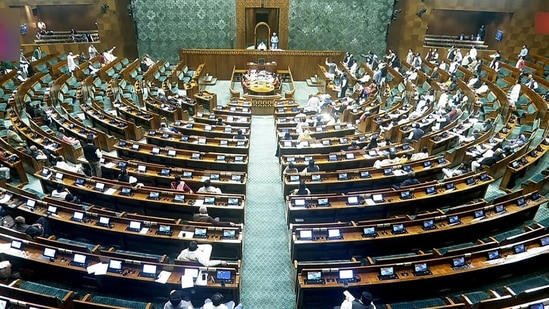
New Delhi, December 2024: In a landmark political development, the One Nation, One Election bill, officially known as the Constitution (One Hundred and Twenty-Ninth Amendment) Bill, 2024, is set to be introduced today in the Lok Sabha. Union Law Minister Arjun Ram Meghwal is expected to table the bill during the ongoing Winter Session of Parliament, which began on November 25 and is scheduled to conclude on December 20.

The bill proposes a major overhaul in India’s electoral process, seeking to synchronize elections for the Lok Sabha and State Assemblies, ensuring that polls across the country are held simultaneously. This initiative has sparked intense political debates, with the ruling Bharatiya Janata Party (BJP) strongly advocating for the move while the opposition, led by the Congress party, has raised significant concerns over its impact on India’s federal structure and democratic ethos.

As the nation awaits this pivotal moment, we take an in-depth look at the One Nation, One Election proposal, its historical roots, the arguments for and against it, and the potential implications it may have on India’s democracy.

What is the ‘One Nation, One Election’ Bill?

The One Nation, One Election bill seeks to align the electoral cycles of the Lok Sabha (Parliamentary elections) and all State Assemblies, ensuring that citizens vote for their national and state representatives on the same day. This means that elections, which currently occur separately at varying intervals, could be streamlined into a single, synchronized process.

If passed, the bill will bring amendments to key articles of the Constitution, including:

  • Article 83 (Duration of the Lok Sabha)
  • Article 85 (Dissolution of the Lok Sabha)
  • Article 172 (Duration of State Legislatures)
  • Article 174 (Dissolution of State Assemblies)
  • Article 356 (President’s Rule in States)

This ambitious reform will require both procedural and structural changes to India’s democratic framework, including the adjustment of assembly terms to align with the proposed synchronized timeline.

Historical Context: When India Had Simultaneous Elections

Simultaneous elections are not new to India. From 1952 to 1967, elections for the Lok Sabha and State Assemblies were held concurrently. This system functioned smoothly during the early years of India’s independence.

However, the electoral alignment began to unravel due to political instability and frequent dissolutions of State Assemblies in the late 1960s. States such as Haryana and West Bengal witnessed premature dissolution of their governments, breaking the synchronized cycle.

By the mid-1970s, staggered elections became the norm, leading to the current system where assembly elections take place at different times, often overlapping with the five-year Lok Sabha cycle.

 Developments and Political Reactions

The introduction of the One Nation, One Election bill has generated sharp divisions across political parties:

1. BJP’s Support

The Bharatiya Janata Party (BJP), which is spearheading the initiative, has argued that simultaneous elections will bring several benefits, including:

  • Reduction in Electoral Costs: Conducting elections at different intervals requires substantial financial and human resources. The BJP claims that synchronized polls will minimize expenses for both the Election Commission and political parties.
  • Administrative Efficiency: Frequent elections disrupt governance due to the implementation of the Model Code of Conduct (MCC), which restricts policy announcements and decision-making. Simultaneous elections will ensure continuity in administration.
  • Focus on Development: With elections occurring every few months, political leaders are often engaged in campaigns rather than governance. A unified election schedule could allow governments to focus on long-term development goals.

BJP spokespersons have also reminded the public that simultaneous elections were the norm until 1967 and have been recommended by multiple expert committees over the years.

2. Congress Opposition

The Congress party has strongly opposed the bill, citing concerns over its implications for India’s federal structure and democratic processes.

Congress MP Manish Tewari has been vocal in his criticism, arguing that synchronized elections could undermine the autonomy of State Assemblies. “The Constitution guarantees federalism, where states function as independent political entities. By forcing simultaneous elections, we risk centralizing power and weakening state governance,” Tewari stated.

The Congress party has issued a whip, mandating the attendance of all its Lok Sabha MPs during today’s session, reflecting the seriousness of their opposition.

3. Other Political Parties

Other regional parties have reacted cautiously:

  • Shiv Sena and other allies have issued similar directives to ensure full attendance during the bill’s discussion.
  • Trinamool Congress (TMC) and Dravida Munnetra Kazhagam (DMK) have echoed concerns about federalism and the potential loss of regional political identity.
  • Biju Janata Dal (BJD) and YSR Congress Party have maintained a neutral stance, awaiting further clarity on the bill’s provisions.

Arguments For and Against the Bill

Arguments in Favor

  1. Cost Savings
    The cost of conducting elections in India is enormous. In the 2019 Lok Sabha elections, the Election Commission spent nearly ₹8,000 crore. Conducting state assembly elections separately adds to this financial burden. Proponents argue that a synchronized system will drastically reduce expenditure on logistics, security, and manpower.
  2. Reduced Disruption to Governance
    Frequent elections stall governance due to the imposition of the Model Code of Conduct. This impacts policymaking and project implementation. A single election cycle will allow governments to function without interruptions.
  3. Improved Voter Turnout
    Simultaneous elections may boost voter participation, as citizens would cast votes for both Lok Sabha and State Assemblies in a single event. Studies have shown that combined elections could simplify the voting process for the electorate.
  4. Strengthened National Focus
    Advocates believe that holding elections simultaneously would reduce the perpetual political campaign mode, allowing governments to focus on national and state-level developmental agendas.

Arguments Against

  1. Threat to Federalism
    Critics argue that One Nation, One Election undermines the principles of federalism enshrined in the Constitution. State Assemblies may lose their independence, as their terms would need to align with the Lok Sabha. This could lead to a centralized political system, overshadowing regional issues and leadership.
  2. Logistical Challenges
    Holding elections simultaneously for a country as vast and diverse as India poses significant logistical challenges. The deployment of security forces, election officials, and infrastructure on such a large scale would be an enormous undertaking.
  3. Impact on Accountability
    In a synchronized system, governments that lose the confidence of the people mid-term would face delays in holding fresh elections. Critics fear this could reduce the accountability of elected representatives.
  4. Overwhelming the Voter
    Simultaneous elections could create voter fatigue, with citizens required to make decisions for both state and national governments at the same time. This may lead to less-informed voting choices.
  5. Technical Amendments
    Aligning elections would require massive constitutional and legal amendments, including the adjustment of assembly terms, extension of existing terms, or premature dissolution of some state assemblies. This raises questions about fairness and feasibility.

The Road Ahead: Potential Impact of the Bill

If passed, the One Nation, One Election bill will reshape India’s electoral landscape. While it promises efficiency, cost savings, and administrative continuity, it also poses challenges to India’s federal structure and democratic flexibility.

Implications for Political Parties

  • National parties like the BJP and Congress may benefit from synchronized elections, as they can streamline their campaigns and resources across states.
  • Regional parties, however, may face disadvantages, as their issues could be overshadowed by national narratives.

Impact on Governance

Simultaneous elections could improve policy continuity and reduce distractions for policymakers. However, the inability to hold midterm polls could create governance gaps in states where governments collapse or lose majority support.

Public and Expert Reactions

The proposal has sparked mixed reactions from constitutional experts, political analysts, and citizens:

  • Constitutional expert Fali Nariman emphasized the importance of preserving India’s federal spirit, warning against any measures that could centralize power.
  • In contrast, political analyst Pratap Bhanu Mehta noted that while logistical challenges exist, the bill could be a step toward improving governance efficiency.

Citizens, too, remain divided. While many support the idea of cost savings and reduced election fatigue, others fear it could undermine regional representation and accountability.

A Defining Moment for Indian Democracy

As the One Nation, One Election bill takes center stage in Parliament, it represents a defining moment for Indian democracy. Its introduction has reignited debates on electoral reforms, federalism, and governance efficiency.

For the ruling BJP, the bill is a bold attempt to modernize India’s electoral system, reducing costs and administrative hurdles. For the opposition, it is a threat to the foundational principles of federalism and state autonomy.

The fate of this historic proposal will not only determine the future of India’s elections but also test the resilience of its democracy. Will the country embrace a unified electoral process, or will the challenges outweigh the benefits?

Zakir Hussain The Maestro Who Made Rhythm Eternal

0

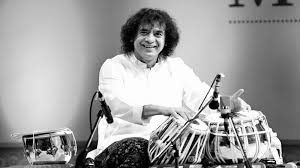
In a world where music often gets lost in noise, Zakir Hussain gave rhythm a voice—one that spoke of tradition, innovation, and soulful connection. Yesterday, the tabla legend passed away, leaving behind not just a legacy, but a symphony that will echo for eternity.

The Boy Who Heard Music in Everything

Born on March 9, 1951, in Mumbai, Zakir Hussain’s story didn’t begin with fame or grandeur—it began with a heartbeat. His father, Ustad Alla Rakha, one of the greatest tabla players the world has seen, was more than a teacher; he was Zakir’s doorway to rhythm.

As a child, Zakir was never far from the tabla. The sound of his father’s hands on the drum was his lullaby, his playtime, and his lesson. Legend has it that at the tender age of 3, he could mimic intricate rhythms without missing a beat. His father recognized a gift—not just talent, but an ability to feel rhythm, as if it were part of his soul.

While most children learned nursery rhymes, Zakir was learning taals. Hours of practice, blisters on his hands, and tireless dedication marked his childhood. But for Zakir, it was never a burden—it was joy. Music wasn’t something he did; it was something he was.

The Tabla Speaks to the World

By the time Zakir Hussain turned 12, he was already sharing stages with India’s classical legends. His mastery of the tabla wasn’t just about technical brilliance; it was about storytelling. Every beat, every pause carried meaning.

In the 1970s, Zakir did what few dared to do—he took the tabla global. Partnering with guitarist John McLaughlin, he co-founded the fusion band Shakti, a group that would redefine the boundaries of world music. At a time when Indian classical music was perceived as niche, Zakir made it universal. Whether it was in intimate Indian baithaks or grand performances at the Royal Albert Hall, his tabla spoke to every heart, regardless of language or background.

Collaborations with jazz icons, rock musicians, and global performers followed. Planet Drum, his Grammy-winning album with Mickey Hart, became a phenomenon. Zakir was no longer just a musician—he was a bridge between worlds.

The Man Behind the Music

Despite the fame, Zakir Hussain remained grounded. His curly locks, mischievous smile, and calm demeanor made him instantly likable. Offstage, he was as approachable as an old friend, quick with a laugh and full of stories.

Married to Kathak dancer Antonia Minnecola, Zakir often spoke about how dance and rhythm connected their lives. Together, they raised two daughters, Anisa and Isabel, in a home filled with art and music

But Zakir’s most beautiful relationship was with his audience. Whether playing for thousands at international concerts or in small villages, he brought the same energy and respect. To him, music was sacred, and every listener deserved his best.

Career Highlights

Over his illustrious career, Zakir Hussain performed across the globe, becoming one of the most celebrated ambassadors of Indian classical music. His key achievements include:

  • Collaborations: Worked with music legends like Ravi Shankar, George Harrison, and Mickey Hart of the Grateful Dead.
  • Awards: Honored with the Padma Bhushan and Padma Shri for his contributions to music. He was also the recipient of the Grammy Award for his collaboration in Planet Drum.
  • Teaching: Dedicated to nurturing young talent, Zakir conducted workshops and taught tabla to aspiring musicians around the world.
  • Film Contributions: Scored music for several films, including Satyajit Ray’s Ghare Baire and Apocalypse Now.

Zakir’s ability to seamlessly fuse traditional Indian rhythms with modern and international influences made him a universal figure. He was not just a tabla player but a storyteller who used rhythm to communicate with his audiences.

Personal Life

Zakir Hussain was a humble and warm individual offstage. He married Antonia Minnecola, a Kathak dancer and teacher, and they shared a beautiful bond. Together, they raised two daughters, Anisa and Isabel. Hussain often credited his family for being his pillar of support throughout his demanding career.

Legacy and Influence

Zakir Hussain’s legacy lies in his ability to make the tabla a global instrument. He revolutionized the perception of Indian percussion, inspiring generations of musicians. Whether it was performing at prestigious venues like the Carnegie Hall or collaborating with international icons, Zakir bridged the gap between tradition and innovation.

His rhythmic compositions were not mere beats but soul-stirring journeys, each telling a story of its own. Aspiring tabla players often viewed him as a mentor, with his recordings serving as masterclasses.

A Final Beat, But Never an End

Yesterday, Zakir Hussain’s journey came to an end. Reports say he passed away due toidiopathic pulmonary fibrosis, a lung disease, and last time surrounded by his  family. Across the world, tributes poured in. Fans revisited his iconic solos, videos of his playful stage banter, and his gentle laughter. Musicians mourned, not just the loss of a tabla legend, but of a soul who showed the world what rhythm could mean.

Prime Minister said, “Zakir Hussain brought the world closer with his music. His rhythms will live on forever.
Fellow artists shared stories—of his generosity, his wit, and his genius. One musician called him “the man whose tabla had a heartbeat.”

The Rhythm Lives On

Zakir Hussain was not just a musician; he was a movement. He gave the tabla a new life, lifting it from the shadows of accompaniment and making it a voice of its own. Today, as the music world falls silent in mourning, his rhythms play on—through recordings, through memories, and through every hand that touches a tabla with love.

His passing is not an end, because music never truly dies. Somewhere, right now, someone is playing a tabla, channeling Zakir Hussain’s spirit—each beat a tribute to the maestro who showed us that rhythm is more than sound; it’s life itself.

Varun Dhawan Spreads Cheer at St. Andrew’s College During Baby John Promotions

0

Varun Dhawan made a vibrant and heartwarming appearance at St. Andrew’s College in Mumbai to promote his highly anticipated film Baby John. The event quickly became a sensation, thanks to Dhawan’s energetic interaction with fans, particularly young children, which has since gone viral on social media.

Heartwarming Moments with Fans

The highlight of the event was a touching moment where Dhawan, surrounded by excited children donning bright red Christmas caps, showed his down-to-earth demeanor. A viral video captured the actor dismissing the need for security with a playful comment, “Bacho ke sath kya bodyguard?” (What’s a bodyguard with kids?). This candid gesture not only resonated with his fans but also highlighted Dhawan’s approachable and affectionate personality.

A Frenzy of Excitement

The college campus was abuzz with energy as students and fans gathered to catch a glimpse of the Bollywood star. Dhawan was accompanied by Baby John’s director, Atlee, and other key team members, further elevating the excitement. Fans erupted in cheers and applause, underscoring Dhawan’s immense popularity and the growing anticipation surrounding the film.

Interactive Activities and Fun

Adding a unique twist to the promotional event, Dhawan engaged in a special cake-baking activity alongside students. The fun and interactive session brought smiles all around, as the actor showcased his playful side while connecting with the youth. This hands-on activity made the day extra memorable for the students, offering a refreshing change to typical film promotions.

Social Media Buzz

Clips and images from the event flooded social media platforms, with fans lauding Dhawan’s humility and warmth. Many praised his genuine efforts to connect with people, particularly the younger generation, solidifying his status as one of Bollywood’s most loved celebrities.

The Baby John Wave

The promotional event at St. Andrew’s College not only amplified excitement for Baby John but also demonstrated Varun Dhawan’s natural ability to win hearts wherever he goes. As the film’s release approaches, Dhawan’s interactions continue to build anticipation while strengthening his image as a relatable and kind-hearted star.

With fans eagerly awaiting Baby John, moments like these serve as a reminder of Varun Dhawan’s undeniable charm and the special bond he shares with his audience.

The Vanishing Villages of India: A Silent Crisis Unfolding

0

In the heart of India’s rural expanse, a quiet but unsettling transformation is underway. Entire villages, once brimming with life and culture, are disappearing—not because of natural disasters or war, but due to a convergence of socio-economic factors that few are paying attention to. This phenomenon, largely overshadowed by urban-centric narratives, is reshaping India’s demographic and cultural landscape in profound ways.

Ghost Villages: A Growing Reality

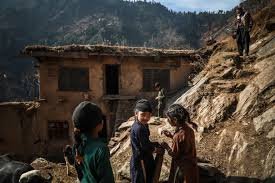
The trend of “ghost villages” has been reported sporadically, with districts in states like Uttarakhand, Rajasthan, Odisha, and even parts of Assam and Bihar witnessing entire communities abandoning their ancestral homes. These abandoned settlements stand as eerie reminders of livelihoods lost, traditions eroded, and a rural identity that’s fading into obscurity.

Why Are Villages Emptying?

The reasons vary but are deeply intertwined:

  1. Migration for Better Opportunities: Agriculture, the backbone of rural India, has become increasingly unsustainable due to erratic rainfall, rising costs, and shrinking returns. Villagers, especially the youth, are flocking to urban centers in search of jobs and education, leaving behind elders and abandoned homes.
  2. Climate Change: The impact of climate change has been severe in many parts of rural India. Droughts, floods, and soil degradation are making farming impossible, forcing people to seek survival elsewhere.
  3. Infrastructure Neglect: The absence of basic amenities like roads, schools, hospitals, and internet connectivity in many rural areas makes city life not just appealing but essential for survival. A lack of resources leaves little incentive for families to stay.
  4. Aging Populations: In some villages, only the elderly remain as younger generations migrate. Without the energy and manpower of youth, these villages naturally dwindle, leaving behind a landscape of silence.
  5. Globalization and Urban Aspirations: The growing allure of city life, with its modern amenities, perceived better quality of life, and career opportunities, has also played a role in emptying villages.

Case Study: Kainur—A Village Forgotten

Kainur, a small village in Odisha’s Kalahandi district, once boasted a population of over 2,000. Today, less than 50 residents remain. Those who stayed are mostly elderly, reluctant to leave the land of their ancestors.

“We have no school, no hospital, and no jobs for the youth. How can we stop them from leaving?” laments Raghunath Das, a 72-year-old farmer. The nearby fields, once vibrant with crops, now lie barren. Monsoons have been erratic, and irrigation facilities are non-existent.

Abandoned homes overrun by weeds, broken wells, and silent streets tell the story of a community that once thrived on shared traditions and festivals. The lack of mobile network coverage and unreliable electricity sealed the fate of Kainur’s younger residents, who now live in cities like Bhubaneswar and Raipur.

Cultural Erosion: A Loss Beyond Numbers

When villages vanish, it’s not just about population loss; entire ways of life disappear. Folk songs, traditional crafts, dialects, and festivals that were unique to these regions are being erased. Each abandoned village is a cultural library lost to time, a heritage sacrificed at the altar of progress.

For instance, the handwoven textiles of certain Rajasthan villages, which once found global recognition, are fading as artisans move to cities for factory jobs. Indigenous knowledge about agriculture, herbal medicine, and weather patterns—often unrecorded—disappears along with the elders who possess it. This cultural erosion is not just a rural tragedy but a national one, as India’s rich diversity is increasingly homogenized.

Economic and Psychological Toll

The economic ramifications of this rural exodus are immense. With fewer hands to till the fields, agricultural productivity declines. Villages that once contributed to the nation’s food security now struggle to sustain themselves. The migration also shifts the burden to urban areas, where infrastructure is ill-equipped to handle the influx.

Psychologically, the sense of loss among those who stay behind is profound. Elders in deserted villages often describe feelings of abandonment and isolation. Meanwhile, migrants in urban areas frequently face exploitation, low wages, and discrimination. Torn between two worlds, they struggle to find a sense of belonging.

The Domino Effect on Cities

While migration offers opportunities, the influx of rural populations into urban centers creates new challenges. Slums in metropolitan cities like Delhi, Mumbai, and Bengaluru continue to swell, exacerbating issues of housing, sanitation, and unemployment. The cultural dislocation of rural migrants often leaves them marginalized, struggling to adapt to urban life while losing their connection to their roots.

In cities, migrants often face hostile conditions. Many live in overcrowded slums with limited access to clean water, sanitation, and healthcare. Children from migrant families struggle to keep up with education, often dropping out of school to support their families. The promise of a better life in the city often turns into a harsh reality of survival.

Silent Crisis: Why the Media Stays Silent

Despite its significance, the story of vanishing villages rarely makes headlines. Urban-centric media narratives often prioritize stories of city development, politics, or crises like floods and droughts without exploring their long-term impacts on rural communities. The rural-urban divide in media coverage reflects the same neglect that drives villagers to leave in the first place.

Moreover, rural exodus is not an “event” but a slow, ongoing process, making it less sensational and harder to report on compared to breaking news. The lack of political will to address this issue also contributes to its invisibility in mainstream discourse.

What Can Be Done?

Reversing this trend requires a multi-faceted approach:

1. Rural Revitalization Programs

The government must focus on improving infrastructure—from schools to hospitals and roads—to make villages livable again. Investment in rural electrification, internet connectivity, and public transport can bridge the gap between rural and urban areas.

2. Sustainable Agriculture

Providing subsidies, introducing climate-resilient crops, and modernizing farming techniques can make agriculture viable for rural communities. Encouraging organic farming and setting up local markets can also ensure farmers get fair prices for their produce.

3. Digital Connectivity

Access to high-speed internet can open up education and employment opportunities, enabling villagers to stay connected to the wider world while remaining in their homes. Digital literacy programs can empower rural populations to leverage technology for better livelihoods.

4. Promoting Local Economies

Investing in traditional crafts, tourism, and small-scale industries can create job opportunities within villages. For example, promoting eco-tourism in regions like Uttarakhand or reviving handicrafts in Rajasthan can generate income while preserving cultural heritage.

5. Raising Awareness

Media and policymakers must prioritize rural narratives to highlight the urgency of the situation. Documentaries, feature stories, and grassroots reporting can bring attention to the plight of disappearing villages and inspire action.

6. Education and Skill Development

Setting up vocational training centers and schools in rural areas can equip the youth with skills that are in demand, enabling them to find employment without migrating. Scholarships and incentives for rural students can also encourage education.

Learning from Success Stories

Not all villages are fading into obscurity. Some are thriving thanks to innovative approaches and community-driven initiatives. For instance, villages in Gujarat have adopted water conservation techniques to combat drought, while others in Kerala have embraced cooperative farming models. These success stories offer valuable lessons that can be replicated across the country.

A Call to Action

India’s villages are more than just geographic entities; they are living repositories of the nation’s heritage and identity. The quiet disappearance of these villages is a crisis that demands urgent attention from policymakers, media, and society at large.

As we celebrate urban growth and modernization, we must ask ourselves: At what cost? Without a course correction, India risks losing not only its rural population but also a vital part of its soul. The time to act is now—before the last lamp in the last village is extinguished forever.

Amit Shah Encourages Surrendered Naxals in Chhattisgarh “I Am the Happiest Person Today”

0

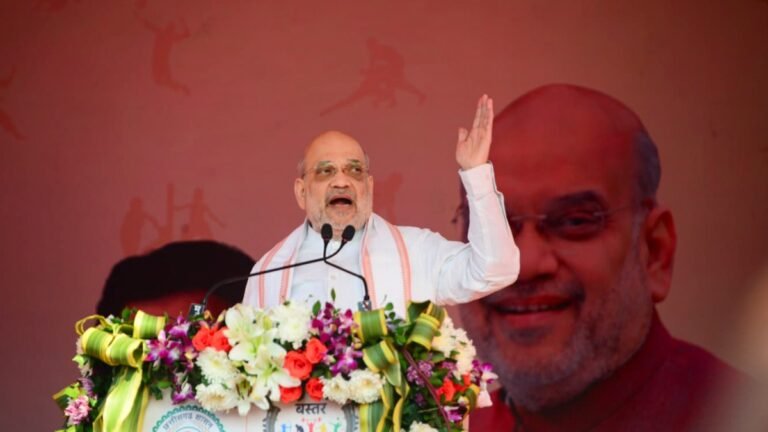
Chhattisgarh, December 15, 2024 — Union Home Minister Amit Shah delivered a powerful and heartfelt message during his recent visit to Chhattisgarh, where he met with surrendered Naxals and participated in the closing ceremony of the Bastar Olympics. His statement, “I am the happiest person today,” underscored the government’s unwavering commitment to rehabilitating individuals who have abandoned violence and embraced peace.

This visit marked a pivotal moment in the government’s ongoing efforts to dismantle the Maoist insurgency in the region and reintegrate former militants into mainstream society. Shah’s words and actions reflected optimism, signaling a future of peace and development for areas long plagued by extremism.

A Meeting of Transformation: Surrendered Naxals Share Their Journeys

The highlight of Shah’s visit was his interaction with surrendered Naxals who have chosen to abandon violence and reintegrate into society. Shah expressed profound joy at hearing their stories of transformation, attributing their decisions to the government’s comprehensive rehabilitation policies.

Shah noted that these former militants are now benefiting from numerous welfare schemes, including housing initiatives, vocational training programs, and financial aid. He highlighted their contributions to society as evidence of the success of the government’s approach, which combines security operations with developmental and rehabilitative efforts.

“The decision of these individuals to surrender and embrace peace is a victory for humanity,” Shah said. “Their courage to start anew inspires hope for a better future in this region.”

Bastar Olympics: A Celebration of Peace and Unity

During his visit, Shah attended the closing ceremony of the Bastar Olympics, a unique sporting and cultural event that drew participants from across the region, including surrendered Naxals, victims of violence, and local youth. The event served as a powerful symbol of the region’s ongoing transformation from conflict to harmony.

The Bastar Olympics showcased traditional games and cultural activities, promoting community engagement and social integration. Shah praised the event as a testament to the region’s resilience and the growing trust in peace and development initiatives.

“The participation of surrendered Naxals and violence victims in this event is a clear indication of the changing mindset in Bastar. It represents a collective move towards harmony and development,” Shah remarked.

He emphasized that such events play a crucial role in fostering a sense of belonging among individuals who have renounced violence, offering them a platform to rebuild their lives and contribute positively to society.

Government Policies Driving Surrender and Rehabilitation

Shah credited the government’s proactive policies for the increasing number of Naxals choosing to surrender. Since 2019, the Ministry of Home Affairs has implemented a range of measures aimed at addressing the root causes of extremism while offering a viable path for militants to reintegrate into society.

Key elements of the rehabilitation program include:

  • Financial Assistance: Surrendered Naxals receive monetary incentives to support their transition.
  • Skill Development Programs: Vocational training ensures that they are equipped with employable skills.
  • Housing Schemes: Access to safe and secure housing promotes stability and dignity.
  • Education and Scholarships: Special provisions for the education of surrendered militants’ children help break the cycle of violence.
  • Community Acceptance Programs: Local initiatives foster acceptance and integration within their communities.

Shah emphasized the importance of psychological support, noting that counseling and mental health services are integral to the rehabilitation process.

“These programs not only provide material support but also restore dignity and hope,” Shah explained. “The government’s approach is centered on compassion, understanding, and a genuine commitment to change.”

Positive Outcomes Since 2019

The government’s comprehensive approach has yielded significant results. Shah highlighted that thousands of militants have surrendered over the past five years, marking a steady decline in Maoist activity across the country.

“The surrender of these individuals is a testament to the effectiveness of our policies and the appeal of peace over violence,” Shah said.

He referenced past successes in peace accords and community-driven initiatives that have inspired militants to abandon extremist ideologies. These efforts have not only reduced violence but also paved the way for long-term development in previously neglected areas.

A Vision for a Maoist-Free India

Shah’s optimism extended beyond the present, as he outlined his vision for a Maoist-free India by March 2026. He expressed confidence that continued efforts, coupled with the cooperation of surrendered militants, could achieve this ambitious goal.

“Our mission is clear: to eradicate Maoist influence and bring lasting peace and prosperity to all affected regions,” Shah declared. “With the support of local communities and the courage of those who have chosen peace, I firmly believe this goal is within reach.”

Shah called on remaining Naxals to join the mainstream, assuring them of the government’s commitment to prioritizing their rehabilitation. He emphasized that surrender is not a sign of weakness but a step towards rebuilding lives and contributing to the nation’s progress.

Challenges and the Road Ahead

While significant progress has been made, challenges remain. Experts point to the need for sustained efforts in addressing socio-economic disparities and ensuring that surrendered Naxals are fully integrated into society.

Shah acknowledged these challenges, stressing the importance of collaboration between the government, local authorities, and community leaders. He reiterated that development and security must go hand in hand to achieve lasting peace.

“We are committed to addressing the root causes of extremism, from poverty and inequality to lack of education and employment opportunities,” Shah said. “Our approach is holistic, ensuring that no one is left behind in our journey towards peace.”

Inspiring Stories of Change

Several surrendered Naxals shared their experiences during Shah’s visit, offering a glimpse into their journeys from conflict to hope. Their stories highlighted the transformative power of the government’s rehabilitation programs and the role of community support in their reintegration.

One former militant, who surrendered two years ago, spoke about how access to vocational training enabled him to start a small business. Another shared how her children now attend school, breaking the cycle of violence that had gripped her family for generations.

“I never thought I could live a life of dignity and peace,” one individual said. “The government’s support has given me a second chance.”

Community Engagement: A Key to Success

Shah emphasized the role of community engagement in the rehabilitation process, noting that acceptance and support from local residents are critical to the success of surrendered militants’ reintegration.

Programs like the Bastar Olympics play a vital role in fostering social cohesion and creating opportunities for dialogue and understanding. By bringing together individuals from diverse backgrounds, such events help bridge divides and build trust.

Conclusion: A Step Towards Peace and Prosperity

Amit Shah’s visit to Chhattisgarh underscored the government’s commitment to peace, development, and rehabilitation. His interactions with surrendered Naxals and participation in the Bastar Olympics highlighted the transformative impact of proactive policies and community-driven initiatives.

As the government continues its efforts to eliminate Maoist influence, Shah’s message of hope and inclusivity resonates as a powerful call for unity and progress. By prioritizing rehabilitation and addressing the root causes of extremism, India moves closer to its vision of a peaceful and prosperous future for all.

Shah’s optimism and the success stories of surrendered Naxals serve as a reminder that change is possible when compassion, trust, and opportunity converge. The journey ahead may be challenging, but the path to peace is paved with the courage of those who choose it.

PM Modi to Address Lok Sabha as Constitution Debate Heats Up

0

New Delhi, December 14, 2024 — Prime Minister Narendra Modi is set to deliver a key address in the Lok Sabha today during the Winter Session of Parliament, as part of an ongoing debate commemorating the 75th anniversary of the Indian Constitution. The debate, which began on December 13, has been marked by intense exchanges between ruling BJP leaders and the opposition, highlighting the ideological and political divides shaping India’s current political landscape.

Context of the Debate

The special discussion on the Constitution was initiated by Defence Minister Rajnath Singh, who accused the Congress party of attempting to “hijack and appropriate” the Constitution’s legacy. Singh’s remarks emphasized the BJP’s stance that the Constitution belongs to all Indians and not any single political group or ideology.

Congress MP Priyanka Gandhi Vadra, making her maiden speech in Parliament, strongly countered these claims. She underscored the Constitution’s role as a “protective shield” for justice, equality, and freedom. Vadra accused the BJP of undermining constitutional values through policies that allegedly weaken reservation protections and create an atmosphere of fear and intimidation.

Political Tensions and Major Themes

The debate has spotlighted sharp ideological clashes on constitutional interpretation and its application in contemporary governance. BJP leaders have used the platform to criticize the Congress for historical decisions they claim compromised constitutional principles, such as the Emergency period and alleged missteps in implementing social justice measures. On the other hand, the opposition has accused the ruling party of eroding democratic institutions and failing to uphold constitutional protections for marginalized communities.

Key points of contention include:

  • Allegations of the BJP misusing investigative agencies against dissenters.
  • Opposition demands for a nationwide caste census to address social inequities.
  • Concerns over privatization and lateral entry into government roles, which opposition leaders claim undermine reservation policies.

Expectations from PM Modi’s Address

Prime Minister Modi’s speech is expected to cover the following key areas:

  • Reinforcing Constitutional Values: The Prime Minister is likely to emphasize the role of the Constitution in uniting India’s diverse population and safeguarding democracy. He may also reaffirm his government’s commitment to constitutional principles.
  • Countering Criticism: Modi is anticipated to respond to opposition accusations of undermining institutions and constitutional adherence, framing his government as the true custodian of the Constitution’s legacy.
  • Vision for India’s Future: Highlighting the “Viksit Bharat by 2047” initiative, Modi is expected to outline a roadmap for economic growth, social justice, and technological innovation, tying these goals to the values enshrined in the Constitution.
  • Focus on Reforms: Legal and administrative reforms, including discussions on the Uniform Civil Code, are likely to feature prominently in his address.
  • Social Justice: Modi may highlight government initiatives aimed at empowering marginalized communities and promoting gender equality.

Priyanka Gandhi’s Maiden Speech

In her maiden speech, Priyanka Gandhi Vadra delivered a scathing critique of the BJP’s governance. She accused the ruling party of systematically dismantling constitutional safeguards and called for bold measures like a caste census to address social inequities. Her calm yet assertive delivery drew comparisons to her grandmother, former Prime Minister Indira Gandhi.

“This country cannot run on fear. The Constitution is a document of hope and justice for all Indians, and we will not allow it to be undermined,” she declared. Vadra’s speech resonated strongly with opposition leaders and has been lauded as a significant moment in her political career.

Implications for Government and Opposition

For the Government:

  • Public Perception Management: The debate allows the BJP to position itself as a defender of constitutional integrity, countering accusations of authoritarian tendencies.
  • Narrative Building: By invoking historical references and framing opposition criticisms as baseless, the government aims to strengthen its narrative ahead of upcoming elections.

For the Opposition:

  • Highlighting Alleged Failures: The Congress and allied parties are using the platform to spotlight perceived governance failures, including concerns over social justice and institutional autonomy.
  • Rallying Unity: The debate has become a rallying point for opposition parties to present a united front against the BJP.
  • Galvanizing Support: By framing demands like a caste census within the context of constitutional rights, the opposition seeks to mobilize marginalized communities and expand its voter base.

Continuation of the Debate

The Lok Sabha debate will conclude today, while a similar discussion is scheduled in the Rajya Sabha on December 16 and 17. These extended sessions underscore the importance of constitutional issues in contemporary political discourse.

The Constitution debate marks a pivotal moment in Indian politics, providing both the government and opposition with a high-profile platform to articulate their visions for the nation. As Prime Minister Modi takes the stage today, his address is expected to set the tone for the government’s approach to constitutional matters while responding to criticism from a reinvigorated opposition. The outcomes of this debate could significantly influence India’s political landscape as it moves toward crucial state and national elections.


Chaos and Allegations Surround Bihar Public Service Commission (BPSC) 70th Combined Preliminary Examination

0

Recent events involving the Bihar Public Service Commission (BPSC) 70th Combined Preliminary Examination have sparked significant controversy, leading to protests and widespread unrest. Allegations of a question paper leak and mishandling of the examination process have created a storm of frustration among candidates, student groups, and the public. Here’s a detailed summary of the situation:

Allegations of Paper Leak

Chaos at the Examination Center On December 13, 2024, candidates appearing for the BPSC 70th Combined Preliminary Examination at the Bapu Examination Centre in Patna were reportedly met with a chaotic situation. Many candidates alleged that the question paper had been leaked, with rumors spreading quickly through the examination center. Some students claimed that their exam papers were either delayed or arrived damaged, fueling suspicions of a leak. Reports of torn papers or damaged seals led many to believe that the integrity of the examination had been compromised.

Protests Erupt As the situation escalated, an estimated 300 to 400 candidates boycotted the exam in protest. The candidates demanded a re-examination, citing what they believed was a breach of fairness and transparency in the examination process. The protests took a violent turn when a District Magistrate, in an apparent effort to control the situation, was reported to have slapped a protesting candidate. This incident further inflamed tensions and led to greater unrest outside the examination center.

BPSC’s Response

Denial of Allegations  In response to the widespread claims of a paper leak, BPSC Chairman Parmar Ravi Manubhai strongly denied the allegations. He asserted that no question papers had been leaked from any of the examination centers and dismissed the accusations as part of a conspiracy to disrupt the examination process. In an official statement, Manubhai described the allegations as unfounded, attempting to shift focus on the disruptive behavior of a few individuals rather than addressing any systemic failures within the commission.

Investigation Promise Despite the chairman’s denials, the BPSC pledged to conduct a thorough investigation into the incident. The commission announced that it would review CCTV footage from the examination center to identify those responsible for inciting the protests and creating disorder. The BPSC warned that strict action would be taken against anyone found guilty of disturbing the examination process, and that the situation would be carefully examined to ensure the incident was not part of a wider plot.

Robust Security Protocols The BPSC had implemented a range of security measures aimed at ensuring the integrity of the examination process. According to officials, more than 30,000 CCTV cameras were installed across various examination centers to monitor the proceedings. In addition, jammers were deployed to prevent cheating via electronic devices, while a command control center was established at the BPSC headquarters to oversee the exam in real time. These measures were intended to ensure a smooth and transparent examination process.

Multiset Question Papers and Strict Protocols: To further enhance the fairness of the exam, the BPSC employed a multiset question paper system, ensuring that different candidates received different sets of questions to reduce the risk of cheating and collusion. In addition, the use of electronic devices was strictly prohibited at all centers, and any suspected irregularities were flagged by the monitoring systems. While these measures were intended to protect the integrity of the examination, the incident has raised questions about the effectiveness of such protocols in preventing malpractice and ensuring a fair environment for all candidates.

Public Reaction

Protests and Calls for Accountability: The allegations of a paper leak and the handling of the protests have drawn sharp criticism from various quarters. Student groups, including those from prominent universities and academic organizations, have called for a thorough investigation into the incident. Many have demanded that the BPSC re-conduct the examination, arguing that the widespread chaos and perceived injustice compromised the integrity of the entire process. Parents and candidates expressed their frustration over the way the situation was handled, with many questioning the ability of the BPSC to manage large-scale examinations efficiently.

Political and Social Reactions: The controversy surrounding the BPSC examination has also sparked political debate in Bihar. Opposition leaders have used the incident to criticize the state government’s handling of the examination process, calling for accountability and transparency. Some have suggested that the incident reflects broader issues within the Bihar Public Service Commission, pointing to previous instances of mismanagement and controversy surrounding public exams. On the other hand, some political figures have supported the BPSC’s stance, arguing that the situation was blown out of proportion and that the commission was taking the necessary steps to investigate and address the matter.

Measures to Address the Issue

Investigation and Identification of Culprits: The BPSC has vowed to investigate the incident thoroughly, starting with the review of CCTV footage to identify those responsible for spreading rumors and inciting unrest. The commission also plans to work closely with local police authorities to examine any instances of violence or disruption that occurred during the protests. Several reports suggest that the police may file FIRs (First Information Reports) against individuals involved in creating chaos at the examination centers.

Criminal Action and Accountability: In addition to reviewing the footage, the BPSC has indicated that it will press criminal charges against any individuals found to be guilty of inciting violence or snatching question papers from invigilators. The commission is also expected to explore potential legal action against those who attempted to disrupt the examination process, labelling such actions as unlawful and unacceptable.

Reassurances of Examination Integrity: The BPSC has continued to reassure the public and candidates that the examination process was conducted fairly, emphasizing that no question paper leaks occurred. The commission has also promised that necessary corrective measures would be taken to prevent similar incidents in the future. The BPSC has stated that it is committed to conducting a transparent examination process that is free from external disturbances and malpractices.

The Aftermath and Future Safeguards

Ongoing Investigation and Monitoring: The investigation into the alleged paper leak and protests is still underway, with authorities closely monitoring the situation. Bihar Police have been tasked with gathering more information and identifying the sources of the unrest. The outcome of this investigation will likely determine the course of future actions, including any potential re-examination or further disciplinary measures against those responsible for the protests.

Future Measures: To prevent future incidents, the BPSC has promised to improve security measures at exam centers and to enhance the overall management of large-scale exams. The commission has also pledged to review its current protocols for paper distribution and examination monitoring, with a view toward ensuring a smoother process in future examinations.

The BPSC 70th Combined Preliminary Examination has been marred by allegations of a paper leak, protests, and widespread unrest. Despite strong denials from the commission, the incident has raised questions about the security and integrity of large-scale examinations in Bihar. With protests continuing and an investigation underway, the BPSC faces pressure to take swift action to restore confidence in its examination processes and ensure that such incidents do not occur in the future.

As the situation unfolds, candidates and the public alike are calling for greater transparency, accountability, and fairness in how state-level exams are conducted in Bihar. The outcome of the ongoing investigation and the response from the BPSC will play a critical role in shaping the future of public service examinations in the state.

Allu Arjun’s Arrest and Detention: A Look at the Stampede Tragedy and Legal Controversy

0

Allu Arjun, the popular Telugu film star known for his performances in blockbusters like Pushpa, recently found himself at the center of a legal storm following a tragic stampede that occurred during the premiere of his highly anticipated film Pushpa 2: The Rule. The stampede, which took place at Sandhya Theatre in Hyderabad on December 4, 2024, led to the death of a 35-year-old woman and injuries to her son. In the wake of this tragedy, Allu Arjun was arrested, detained, and faced significant public and legal scrutiny. Here’s a detailed look at the events surrounding his arrest, detention, and subsequent release on bail.

The Arrest and Charges

Allu Arjun’s legal troubles began on December 13, 2024, when he was arrested at his residence in Hyderabad by the police. The arrest came after he was charged with culpable homicide not amounting to murder in connection with the deadly stampede. The police alleged that the chaos at the theatre, which resulted in a fatality and several injuries, could be traced back to a failure in safety protocols and crowd control at the event, where Allu Arjun had made a public appearance to promote his film.

The tragic incident occurred during the premiere of Pushpa 2: The Rule, one of the most highly awaited films of the year. A crowd, reportedly overenthusiastic and poorly managed, surged towards the theater, resulting in the stampede that led to the loss of life and injuries. The woman who lost her life in the stampede had come to the theater with her son to catch a glimpse of the film’s star. The police investigation pointed to the lack of proper crowd control measures as a major contributing factor to the tragedy.

Following his arrest, Allu Arjun was brought before a local court, where he was initially remanded to 14 days of judicial custody. His legal team, however, strongly contested the charges. They argued that the actor should not be held responsible for the incident as there was no direct involvement on his part in managing or overseeing the event’s logistics. They also pointed out that the authorities had been informed of Allu Arjun’s presence at the premiere, and it was the responsibility of the police and event organizers to ensure the safety of the public.

Bail Proceedings and Delay in Release

As the news of Allu Arjun’s arrest spread, his fans and the public waited anxiously for developments. Later that day, the Telangana High Court granted the actor interim bail on a personal bond of ₹50,000. The court noted that it was premature to hold Allu Arjun responsible for the incident, especially without concrete evidence showing negligence on his part. The court emphasized that the actor’s legal rights should be respected, and he should not be detained for a prolonged period without sufficient cause.

Despite the court’s ruling, the release of Allu Arjun was delayed. The actor, who had been lodged in Chanchalguda Central Jail, spent the night behind bars as authorities struggled with processing the bail order. Jail officials explained that they had received the bail order late at night, and due to procedural restrictions, they were unable to release him until the following morning. This delay added further tension to the already controversial case, with many questioning why the actor was not released promptly, especially after a court had granted bail.

Conditions of Detention

During his overnight stay in jail, Allu Arjun’s situation became a topic of public concern. Reports suggested that the actor had to sleep on the floor of his cell, highlighting the uncomfortable and difficult conditions that detainees, regardless of their status, often face in the Indian prison system. While this might be a routine experience for many incarcerated individuals, the sight of a high-profile celebrity enduring such conditions drew attention from fans, the media, and political commentators alike.

Fans took to social media to express their concern over how the actor was treated in jail, with many questioning whether he was being subjected to undue hardships. Some even expressed disbelief that a film star of his stature was forced to sleep on the floor in a government-run facility. Supporters of the actor voiced their dismay at the treatment, calling for a more humane approach, regardless of the nature of the charges he faced.

Aftermath and Public Reactions

After spending the night in jail, Allu Arjun was released the following morning. Upon his release, the actor issued a public statement expressing his commitment to cooperating with the authorities and assisting in the investigation. He conveyed his condolences to the family of the deceased woman and reiterated his belief in the legal process, assuring his fans that he would work with the law to resolve the matter.

Allu Arjun also took to social media to express his sorrow over the incident, stating that he had never intended for anyone to be harmed and was deeply saddened by the loss of life. In his statement, the actor emphasized that he was a law-abiding citizen and would do everything in his power to support the investigation.

Meanwhile, the incident sparked a broader political debate. Some political parties and public figures criticized the way law enforcement had handled the situation, particularly in relation to the arrest of the star. There were concerns about whether the authorities had been overly zealous in arresting a celebrity without first thoroughly investigating the situation. Others pointed out the need for accountability and suggested that celebrities, like any other individuals, should be held responsible if they were found negligent in ensuring public safety at events.

On the other hand, some argued that the law should apply equally to everyone, regardless of their fame or status. They maintained that there should be no leniency when it comes to public safety, and individuals, even celebrities, should be held accountable if they fail to take necessary precautions to prevent such tragedies.

The Legal Response and Investigations

Allu Arjun’s legal team has been actively working to ensure that the actor’s rights are protected throughout the process. They have strongly contested the charge of culpable homicide and pointed out that the actor had no direct role in organizing the event. The defense has called for a thorough investigation into the actual causes of the stampede, with special attention being paid to the responsibility of the event organizers, the police, and the venue management.

Legal experts have noted that the charge of culpable homicide not amounting to murder is a serious one, but it requires clear evidence of negligence or recklessness. It remains to be seen whether the authorities will be able to establish such evidence against Allu Arjun. For now, the investigation is ongoing, and the actor’s legal team is closely monitoring developments.

Preventative Measures and Safety Protocols

In the aftermath of the stampede, questions about public safety at movie premieres and large-scale events have come to the forefront. Experts in crowd management and public safety have called for stricter regulations and better enforcement of safety measures to prevent similar incidents in the future. This could include ensuring proper crowd control, having sufficient security personnel, and implementing crowd flow systems that minimize the risk of panic.

The incident also raised concerns about the roles that celebrities and their teams play in organizing public events. While it is not uncommon for film stars to attend premieres and public gatherings, the responsibility for the safety of the attendees often falls on event organizers and local authorities. Moving forward, there will likely be greater scrutiny of event planning practices and how they prioritize the safety of the public.

Allu Arjun’s arrest and subsequent detention in connection with the tragic stampede at the Pushpa 2 premiere have highlighted several important issues related to celebrity responsibility, public safety, and the legal process. As the investigation continues, the case serves as a reminder of the challenges of ensuring safety at large events and the complexities of holding individuals accountable in such tragic situations.

For now, Allu Arjun remains committed to assisting the authorities in their investigation, and his fans continue to support him. Whether or not he will face further legal consequences depends on the outcome of the ongoing investigation, but his ordeal has undoubtedly sparked widespread debate on how celebrities are treated within the legal system and the responsibilities that come with fame.